How a Bullmastiff Differs From a Cane Corso
It's incredibly common for people to look at a large, powerful dog and wonder if it's a Bullmastiff or a Cane Corso. Both breeds share that imposing "Mastiff" family look, radiating strength and seriousness, which can make them seem interchangeable at first glance. But trust me, as someone who's spent years living with and writing about these magnificent dogs, there are some pretty distinct differences that prospective owners really need to understand before welcoming either into their home. This guide is here to walk you through those nuances, helping you appreciate what makes each breed unique beyond just their impressive size.
Delving Into Their Historical Roots and Original Purpose
To truly understand any dog breed, you have to go back to its origins. Why were they created? What job were they intended to do? For the Bullmastiff and the Cane Corso, their histories, though both steeped in protection, diverged quite significantly, shaping the dogs we know today.
The Bullmastiff: England's Gamekeeper's Night Dog
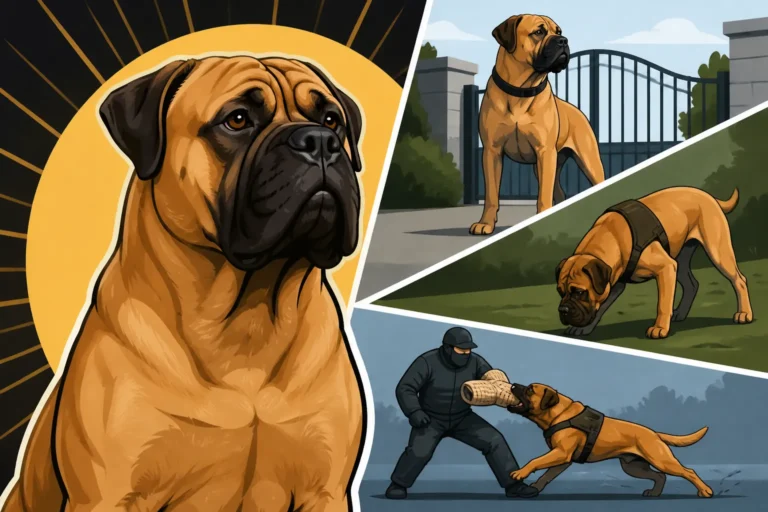
The Bullmastiff's story begins in 19th-century England, a time when sprawling estates and game preserves were constantly under threat from poachers. Landowners needed a formidable guardian, but not one that would viciously attack and kill. They needed a "silent hunter," a dog that could track down and hold a poacher without mauling them, allowing the gamekeeper to arrive and apprehend the trespasser. This very specific job requirement led to the creation of the Bullmastiff, often called "the gamekeeper's night dog."
The breed was developed by crossing the Mastiff, which provided size, strength, and a naturally protective instinct, with the old English Bulldog, which contributed tenacity, courage, and that famous "hold" capability. The aim was to create a dog that was roughly 60% Mastiff and 40% Bulldog. This unique blend resulted in a dog powerful enough to deter a human intruder, yet agile enough to cover ground quickly and silently. Their role was to pin down and hold a man, not to inflict serious injury. This selective breeding for control and restraint deeply influenced the Bullmastiff's temperament, making them powerful protectors who are often surprisingly gentle and discriminating in their guarding. You can learn more about this by reading What a Bullmastiff Was Bred to Do to a Poacher.
The Cane Corso: Italy's Versatile Farm and Guard Dog
The Cane Corso's lineage stretches back much further, all the way to ancient Rome. They are believed to be direct descendants of the Canis Pugnax, Roman war dogs used in battle and gladiatorial contests. Over centuries, as the Roman Empire faded, these dogs found new purpose in the rural areas of Southern Italy, particularly Puglia. They became the all-around farm dogs, "corsus" meaning "protector" or "guardian" in ancient dialects.
Their job wasn't just to guard property; it was to protect livestock from predators like wolves, herd cattle, and even assist in hunting large game. This required a dog that was incredibly athletic, intelligent, and capable of decisive action when faced with a threat. Unlike the Bullmastiff's specific "hold, don't harm" directive, the Cane Corso's historical role demanded a more proactive and often physical defense against serious threats. This heritage means the Cane Corso generally possesses a higher drive, greater athleticism, and a more pronounced instinct to engage and neutralize threats directly. They are truly versatile working dogs with a deep-seated protection drive, making them formidable guardians of home and family.
Unpacking Their Physical Characteristics
While both breeds are large and muscular, a closer look reveals distinct differences in their build, head shape, coat, and even color patterns. These aren't just cosmetic; they reflect their differing historical roles and functional designs.
Size, Build, and Overall Stature
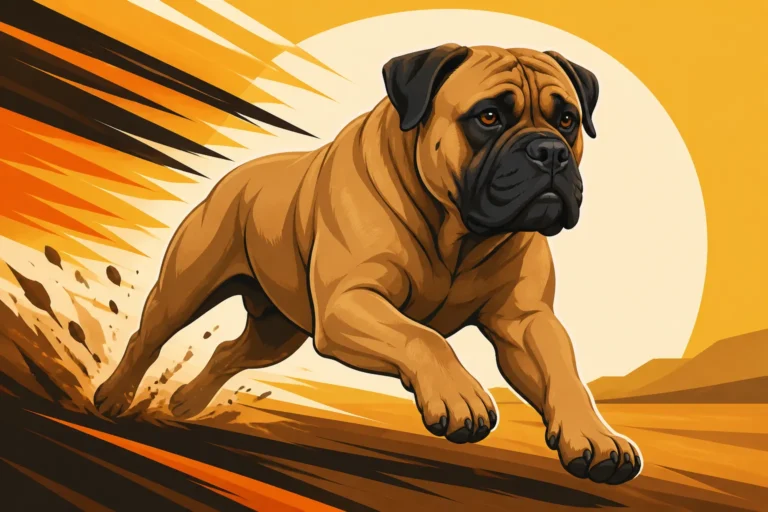
The Bullmastiff is often described as a "symmetrical, powerful, and active dog." They are robust, compact, and incredibly muscular, built for strength and endurance over long distances at a trot. Males typically stand between 25-27 inches at the shoulder and can weigh anywhere from 110-130 pounds, with females slightly smaller. Their frame is substantial, giving them a "square" or "rectangular" appearance, reflecting the power needed to tackle and hold a full-grown man. They possess a deep chest, strong neck, and a powerful, level back, all contributing to an impression of immense physical presence. A Hundred and Thirty Pounds of Bullmastiff, Measured provides more insight into their physical dimensions.
The Cane Corso, while also powerful, tends to be more athletic and slightly more elegant in build compared to the Bullmastiff's blockier frame. They are built for speed, agility, and explosive power. Males usually stand 23.5-27.5 inches at the shoulder, similar in height to the Bullmastiff, but their weight range is often slightly lighter and more variable, typically 90-110 pounds for females and 100-120 pounds for males. They have a more refined musculature, a longer neck, and a less "cobby" body. The Cane Corso's movement is often described as fluid and cat-like, showcasing their agility, which was essential for fending off predators or working livestock in varied terrain.
Head, Muzzle, and Facial Features
This is where you'll find some of the most noticeable distinctions. The Bullmastiff has a broad, deep, and moderately wrinkled skull. Their muzzle is relatively short, approximately one-third the length of the skull, and broad, creating a distinctive square shape. The stop (the indentation between the eyes) is definite. Their eyes are dark and medium in size, set apart, conveying an intelligent and watchful expression. The Bullmastiff's characteristic "black mask" on their muzzle, gradually lightening toward the eyes, is a hallmark of the breed, a feature that was originally prized for camouflage during night work. The Black Mask Every Bullmastiff Must Have goes into detail on this.
The Cane Corso's head is also large and impressive, but it tends to be more refined and less wrinkled than the Bullmastiff's. Their muzzle is roughly one-third the length of the head, similar to the Bullmastiff, but it is often described as being slightly wider and flatter, with a strong, square appearance. The stop is well-defined but not as abrupt as on some Bullmastiffs. Their eyes are medium-sized, set forward, and can be dark or lighter, depending on coat color, but always convey an alert and intense gaze. A black mask is common in Cane Corsos but not mandatory and can sometimes be a lighter shade or absent, especially in fawn or red dogs. The Cane Corso often has a more pronounced underbite, though not excessive.
Coat and Color Variations
Both breeds boast short, dense coats that are relatively easy to maintain.
The Bullmastiff's coat is short and dense, providing protection from the elements. They come in three accepted colors: fawn, red, or brindle. Brindle, a pattern of dark stripes over a lighter background, was historically favored by gamekeepers for its camouflage properties at night. All Bullmastiffs should have a black mask, extending up to the eyes. Small white markings on the chest are permissible, but extensive white is a disqualifying fault in the show ring. Fawn, Red or Brindle: the Only Colors a Bullmastiff Comes In offers more details on their coloring.
The Cane Corso also has a short, stiff, and dense coat, which can sometimes have a light undercoat in colder climates. Their accepted colors are more varied, including black, fawn, grey (often called blue), and red, with various shades of each. Brindle patterns can occur on any of these base colors (e.g., black brindle, fawn brindle, grey brindle). A small patch of white on the chest and toes is sometimes seen and permitted. The Cane Corso often appears in solid colors without the strong requirement for a black mask that defines the Bullmastiff. This wider array of colors makes it visually easier to distinguish them sometimes, though fawn Corsos can look strikingly similar to fawn Bullmastiffs if you're not paying close attention to head shape and body type.
Differences in Temperament and Trainability
Beyond their looks, the real heart of the difference between these two breeds lies in their temperament and how they approach the world and their human families. Both are loyal protectors, but their expressions of this loyalty and their overall personalities can differ significantly.
Guarding Instinct and Protection Style
The Bullmastiff is the quintessential "silent guardian." Their protective instinct is deep-seated but typically manifests as a deterrent. They are aloof with strangers, taking their time to assess new people and situations. They excel at "body blocking" and physically preventing an intruder from advancing, relying on their imposing size and presence to discourage threats. They are not prone to excessive barking; their history as a night watchman meant silence was golden. A Bullmastiff will often place themselves between their family and a perceived threat, a subtle but powerful act of protection. If a threat persists, their instinct is to hold rather than attack, although their size and power mean they are perfectly capable of defending their family if absolutely necessary. You'll find more on their guarding behavior in How Protective a Bullmastiff Is.
The Cane Corso also possesses an intense guarding instinct, but it tends to be more overt and active. They are naturally watchful and suspicious of strangers, but their protection can be more assertive and vocal. A Cane Corso is more likely to bark to alert and will readily engage a perceived threat, using their athleticism and formidable presence to confront rather than just deter. Their history of fending off large predators means they are bred for decisive action and can be quite formidable when roused. While they are incredibly devoted to their families, their strong prey drive and pronounced protection instincts mean they require consistent and confident handling from an early age to ensure they channel their abilities appropriately. Their innate drive to defend often means they are always "on," scanning their environment for anything amiss.
Socialization Needs and Family Dynamics
Both breeds are highly devoted to their families and thrive on companionship, but their approach to the wider world and their specific socialization needs vary.
Bullmastiffs are known for their gentle and affectionate nature with their own people, often forming strong bonds with children and becoming true "nanny dogs" in the home. They are relatively low-energy indoors, happy to be close to their family, often leaning their considerable weight against you or following you from room to room. However, their size means supervision is always necessary with very young children to prevent accidental knocks. Proper socialization from puppyhood is paramount to ensure their natural aloofness doesn't turn into shyness or aggression. Early and continuous exposure to a variety of people, places, and other animals in a positive way helps them grow into confident, well-adjusted adults. They generally tolerate other dogs if properly introduced, though same-sex aggression, particularly between males, can be a concern. A Bullmastiff With Children provides valuable insights.
Cane Corsos are equally devoted to their families, often described as Velcro dogs who want to be involved in everything you do. They are generally good with children within their own family, especially if raised with them, though their energy and power necessitate careful supervision. However, their strong protective instincts mean they may be less forgiving of rough play from unfamiliar children. Socialization for a Cane Corso needs to be even more rigorous and constant than for a Bullmastiff, given their higher drive and more active guarding tendencies. They need to learn that not every stranger or new situation is a threat. They can be prone to same-sex aggression and possess a higher prey drive, meaning introductions to other animals, especially smaller ones, must be managed very carefully. Their intense loyalty to their family means they can be wary and even reactive towards outsiders if not properly socialized and trained.
Trainability and Owner Experience
When it comes to training, both breeds are intelligent, but their willingness to please and their inherent independence can differ, impacting how a first-time owner might fare.
The Bullmastiff, despite their intimidating appearance, is often described as a sensitive soul. They respond best to positive reinforcement, patience, and a calm, consistent approach. They have a deliberate nature; they might pause and "think" about a command before executing it, which can be mistaken for stubbornness but is often just their processing time. They are generally eager to please their loved ones but won't tolerate harsh corrections. Consistency is key, especially given their immense strength and potential for pulling on the leash. A Bullmastiff needs to be trained before they reach their full strength, as physically managing an untrained adult is a monumental task. You can read more about this in Training a Bullmastiff That Weighs More Than You Do.
The Cane Corso is highly intelligent and capable of learning complex commands, but they possess a stronger independent streak and a higher drive. They require an experienced owner who understands working breeds and can provide firm, consistent leadership without being heavy-handed. They thrive on having a "job" and mental stimulation is crucial to prevent boredom and destructive behaviors. While they are powerful, they are also agile and quick to react, which means training must establish clear boundaries and expectations from day one. Their handler must be confident, assertive, and able to convey leadership, otherwise, the Corso will step into that role. They are not a breed for the faint of heart or those who prefer a more hands-off approach to dog ownership. Their energy and drive mean that their training journey is often more intensive and ongoing.
Diving into Their Care and Health Considerations
Caring for a large breed like a Bullmastiff or Cane Corso comes with its own set of responsibilities, from daily exercise to understanding their unique health predispositions. While both are generally robust dogs, there are differences in their typical needs.
Exercise Needs and Activity Levels
This is another area where the differences become quite clear, directly linked to their historical roles.
The Bullmastiff is often surprising in its relatively low exercise requirements for a dog of its size. They are strong but not built for sustained, high-intensity activity. Short, regular walks (20-30 minutes, once or twice a day) and some supervised playtime in a securely fenced yard are usually sufficient to keep them healthy and happy. They are prone to overheating due to their brachycephalic (short-muzzled) structure, especially in warm weather, so exercise should be carefully timed. Over-exercising a growing Bullmastiff puppy can also put undue strain on their developing joints, leading to problems later in life. Their ideal day often involves a good walk, then a long nap on a comfy bed right by their people. How Much Exercise a Bullmastiff Needs delves deeper into this.
The Cane Corso, by contrast, has significantly higher exercise needs. As a working breed, they require more than just a casual stroll around the block. They thrive on physical activity combined with mental stimulation. Daily vigorous exercise, such as long walks, jogging (once mature), hiking, or engaging in dog sports like obedience, agility, or protection work, is essential. A bored or under-exercised Cane Corso can become destructive or develop behavioral issues. Their athleticism means they need space to run and play, and a securely fenced yard is non-negotiable. They are generally more tolerant of varying weather conditions than the Bullmastiff, though care should still be taken in extreme heat or cold.
Grooming and Maintenance
Both breeds have short coats, making their basic grooming needs relatively straightforward, but there are still nuances.
The Bullmastiff's short, dense coat is low maintenance. A weekly brushing with a rubber curry comb or a soft bristle brush is usually enough to remove loose hair and keep their coat shiny. They do shed, but usually not excessively. The main grooming concern for a Bullmastiff revolves around their facial wrinkles and jowls. These folds can trap moisture and debris, leading to skin irritation or infections if not cleaned regularly. Wiping their facial folds daily or every few days with a damp cloth and ensuring they are thoroughly dried is crucial. Drooling is also a significant factor with Bullmastiffs, so keeping "drool rags" handy is part of the daily routine. Retailers like Chewy offer a great selection of grooming supplies for large breeds, including the right brushes and gentle cleansing wipes. How Often a Bullmastiff Needs Brushing and How to Clean a Bullmastiff's Face Wrinkles offer practical tips.
The Cane Corso also has a short, stiff coat that requires minimal grooming. Weekly brushing helps to control shedding and keep the coat healthy. They typically shed more than Bullmastiffs, especially seasonally. While some Corsos can have loose jowls and occasionally drool, it's generally not to the same extent as a Bullmastiff. They typically have fewer facial wrinkles, so skin fold care isn't as intensive. Nail trims, ear cleaning, and dental care are important for both breeds, just like any dog, and should be part of a regular routine.
Common Health Concerns
Both are large breeds, which unfortunately means they share some common health challenges, but each also has its own predispositions.
Bullmastiffs are unfortunately predisposed to certain health issues, many of which can significantly impact their lifespan, which averages around 8-10 years. Cancer, particularly lymphoma and mast cell tumors, is a major concern. Hip and elbow dysplasia are also prevalent due to their size and rapid growth. Heart conditions like subaortic stenosis are also seen in the breed. Bloat (gastric dilatation-volvulus) is a life-threatening emergency that large, deep-cheested dogs like Bullmastiffs are susceptible to, making careful meal timing and awareness of symptoms crucial. Entropion (inward-rolling eyelids) can also be an issue. Ethical breeders screen for many of these conditions, and it's vital to research a puppy's lineage. Lymphoma Kills More Bullmastiffs Than Anything Else and Hips and Elbows Under a Hundred and Thirty Pound Bullmastiff highlight some of these serious issues.
Cane Corsos also face large breed health challenges. Hip and elbow dysplasia are common, and eye conditions like entropion, ectropion (outward-rolling eyelids), and cherry eye are also seen. Dilated cardiomyopathy (DCM), a serious heart condition, is a concern within the breed. Like Bullmastiffs, they are also at risk for bloat. Some Cane Corsos may also be prone to thyroid issues. Their average lifespan is typically 10-12 years, slightly longer than the Bullmastiff. Responsible breeders will perform health testing to minimize the risk of passing on genetic conditions.
Here's a quick comparison table summarizing some key differences:
| Feature | Bullmastiff | Cane Corso |
|---|---|---|
| Origin | 19th Century England | Ancient Rome / Rural Southern Italy |
| Original Role | Gamekeeper's guard dog (hold, deter poachers) | Versatile farm dog (guard, hunt, herd, protect livestock) |
| Build | Stockier, more compact, "square" | More athletic, leaner, agile, "rectangular" |
| Male Weight | 110-130 lbs | 100-120 lbs |
| Male Height | 25-27 inches | 23.5-27.5 inches |
| Muzzle | Shorter, broader, distinct black mask required | Slightly longer, wider, black mask common but not required |
| Protection | Silent deterrent, body block, hold | Active, assertive, vocal, direct engagement |
| Energy Level | Low to moderate | Moderate to high |
| Exercise Needs | Moderate (short walks, playtime) | Higher (vigorous daily activity, mental stimulation) |
| Temperament | Calm, deliberate, sensitive, aloof with strangers | Intense, driven, watchful, highly bonded to family |
| Trainability | Responsive to positive, patient methods | Requires experienced, consistent leadership, strong will |
| Drooling | Significant | Minimal to moderate |
| Common Health | Cancer (lymphoma), hip/elbow dysplasia, SAS, bloat | Hip/elbow dysplasia, DCM, eye issues, bloat |
| Lifespan | 8-10 years | 10-12 years |
Suitability for Different Lifestyles and Owners
Choosing between these two magnificent breeds really comes down to an honest assessment of your own lifestyle, experience, and what you're looking for in a canine companion. They are both wonderful dogs, but they thrive in different environments and with different levels of commitment.
Ideal Family Dynamics and Environment
The Bullmastiff often fits well into a family environment where they can be an integral part of daily life, without being required to be constantly "on" or engaged in high-octane activities. They are excellent indoor companions, often seeking to be near their people. Their relatively lower exercise needs mean they can adapt to homes with smaller yards, as long as they get their regular walks and have comfortable spaces to relax indoors. They generally do well with well-behaved children and other pets when properly socialized, bringing a calm, reassuring presence to the home. Their imposing size serves as a natural deterrent, and their quiet, watchful nature means they rarely cause a ruckus without good reason. If you're looking for a giant, gentle shadow who will quietly keep watch, a Bullmastiff might be your perfect match. The Household a Bullmastiff Was Built For explores their suitability.
The Cane Corso, due to its higher energy, stronger drive, and more active guarding instincts, generally requires a more active and engaged household. They need plenty of space to move, ideally a large, securely fenced yard where they can run and play. They are not typically suited for apartment living unless their owners are incredibly dedicated to providing extensive daily exercise and mental stimulation outside the home. They thrive with confident owners who can provide consistent training and integrate them into an active lifestyle, perhaps involving dog sports or structured outdoor activities. While loving with their families, their intensity means they might not be the best fit for homes with very young children or fragile elderly individuals, purely due to their sheer power and exuberance, unless the owner is extremely diligent about supervision and training.
Experience Level of the Owner
This is a critical distinguishing factor. Both breeds are powerful, and neither is for the truly inexperienced dog owner, but the Cane Corso typically demands a higher level of prior experience.
A Bullmastiff, while large and strong, can sometimes be a good fit for a committed first-time owner if that owner is dedicated to consistent positive reinforcement training, understands large breed puppy development, and is ready for the financial and time commitment. They are sensitive and respond well to guidance, making them a bit more forgiving of minor training missteps than a more dominant breed. However, a novice owner must be prepared to manage their size and strength and commit to ongoing socialization to ensure their natural wariness doesn't escalate. Whether a Bullmastiff Suits a First Time Owner elaborates on this point.
The Cane Corso is generally not recommended for first-time dog owners. Their intelligence, strong will, high drive, and intense guarding instincts require an owner with significant experience in handling and training large, powerful, and often headstrong breeds. A Cane Corso needs a confident, consistent leader who can establish clear boundaries and provide abundant physical and mental exercise. Without proper leadership, training, and socialization, a Cane Corso can become dominant, protective to an extreme, or destructive. They are a demanding breed that requires a deep understanding of canine behavior and a commitment to lifelong training and management.
Adapting to Different Climates and Lifestyles
Both breeds, being large and relatively short-coated, have particular considerations when it comes to climate, but the Bullmastiff faces unique challenges.
Bullmastiffs, with their brachycephalic (short) muzzles, struggle significantly in hot and humid weather. Their respiratory systems are less efficient at cooling, making them highly susceptible to heatstroke. They need access to air conditioning during warmer months and should only be exercised during the coolest parts of the day. In contrast, they handle colder weather reasonably well, though they're not built for extreme outdoor living. Their desire to be with their family makes them unsuitable for outdoor-only lifestyles. You might find everything you need to keep your Bullmastiff comfortable in all seasons on sites like Chewy.
Cane Corsos generally handle a wider range of climates better than Bullmastiffs, thanks to their slightly longer muzzles and more athletic builds. However, they are still large dogs and should not be left exposed to extreme heat or cold for extended periods. Their denser coats can offer some protection in cooler weather, but they are not true Arctic breeds. Their higher energy levels mean they might enjoy playing in the snow more than a Bullmastiff, but always with caution. Like Bullmastiffs, they are deeply attached to their families and should primarily be indoor dogs, integrated into family life.
Ultimately, both the Bullmastiff and the Cane Corso are incredible, loyal, and protective companions. The choice between them comes down to a realistic evaluation of your home, your experience, and the amount of time and energy you can commit. Understanding their distinct histories, physical traits, temperaments, and care requirements is the first step to ensuring you find the perfect giant breed partner for your life.
Disclaimer
This article is for general informational purposes only and does not constitute professional advice. Laws, prices and regulations vary by location and change over time. Consult a qualified professional for guidance on your specific situation.