Why Bullmastiff Numbers Have Fallen Since the 1990s
It’s a curious thing, isn't it? You see a magnificent Bullmastiff, calm and imposing, and you wonder why you don't encounter more of them. The truth is, while these noble giants hold a special place in the hearts of those who know them, their numbers have indeed seen a noticeable decline since their peak popularity in the 1990s. This isn't just a random shift; it reflects a complex interplay of factors, from health challenges and the demands of modern living to evolving perceptions of what makes an ideal family dog. This guide will delve into the various reasons behind this decline, offering a realistic look at the breed's journey and what it means for Bullmastiff enthusiasts today.
The Bullmastiff's Popularity Rollercoaster: From Peak to Present
Every breed has its moment in the spotlight, and for the Bullmastiff, the 1980s and 1990s were a time of rising recognition. They captured the imagination of many, but like all trends, what goes up often comes down. Understanding this journey helps us piece together why these wonderful dogs are less common now than they once were.
Tracing the Breed's Ascent to the 1990s
The Bullmastiff's history is steeped in purpose. Bred in England during the mid-19th century, they were known as the "Gamekeeper's Night Dog" – a powerful, silent guardian designed to catch and hold poachers without mauling them. This unique blend of strength and restraint, developed from about sixty percent Mastiff and forty percent Bulldog, gave them an almost mythical quality. When they crossed the Atlantic and gained recognition from kennel clubs, their imposing size, gentle demeanor with family, and natural protective instincts began to appeal to a wider audience. They were seen as the ultimate family protector, a majestic presence that commanded respect.
Throughout the 70s, 80s, and into the 90s, the Bullmastiff steadily climbed the ranks of popular breeds. People were drawn to their solid, confident nature and their reputation as a steadfast companion. They appeared in movies and advertisements, further cementing their image as a formidable yet loving dog. For many, owning a Bullmastiff was a statement, a testament to appreciating a dog with historical depth and a powerful presence. They offered a sense of security and loyalty that resonated with many families looking for a substantial, protective companion.
The Tipping Point: What Happened After the Peak
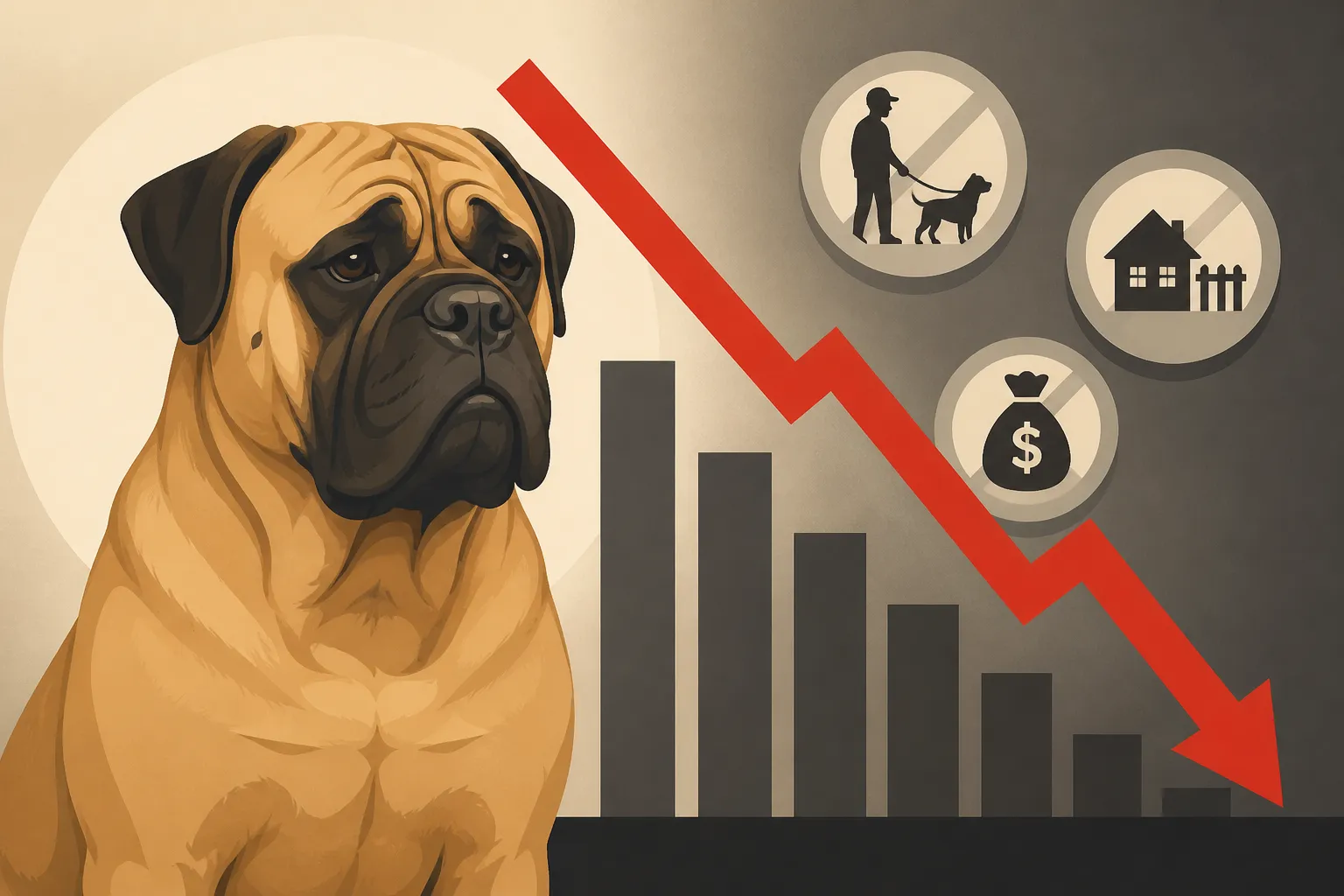
However, as the 2000s dawned, the tide began to turn. Several factors contributed to a gradual but steady decrease in Bullmastiff registrations and general visibility. One significant aspect was a shift in what many prospective dog owners prioritized. While protection remained important, there was a growing desire for dogs with longer lifespans, fewer potential health issues, and lower overall maintenance costs. The practical realities of owning a very large, short-lived, and potentially expensive-to-care-for breed started to weigh more heavily on people's decisions.
The market also saw a rise in other breeds, some of which offered similar guardian qualities with perceived fewer drawbacks or simply fit newer lifestyle trends better. Suddenly, the Bullmastiff wasn't the only 'big dog' on the block that offered protection and loyalty; other breeds were being showcased as equally capable and perhaps more 'modern' or 'convenient' for contemporary families. This saturation of choices, combined with increasing awareness of breed-specific challenges, meant that while the Bullmastiff's intrinsic qualities hadn't changed, their perceived fit for the average household had.
The Weight of Health and Lifespan Realities
Let's be brutally honest: one of the hardest parts of loving a Bullmastiff is their heartbreakingly short lifespan. This isn't just a statistic; it's a profound emotional and financial reality that impacts potential owners' decisions. The truth about a Bullmastiff's health profile is a major contributing factor to their declining numbers.
Understanding the Bullmastiff's Shorter Lifespan
It's tough to talk about, but the median Bullmastiff lives only The Median Bullmastiff Lives Eight and a Half Years. That’s considerably shorter than many other large breeds, and a stark contrast to smaller dogs. This is a hard pill for prospective owners to swallow, especially when they're committing to such a large, loving companion. Major health concerns like cancer, particularly Lymphoma Kills More Bullmastiffs Than Anything Else, and heart conditions like Subaortic Stenosis Is There Before a Bullmastiff's First Birthday, are tragically common in the breed. These aren't just minor ailments; they can significantly impact a dog's quality of life and longevity.
When people research breeds, they're often looking for a companion that will be with them for a good, long run. The knowledge that a Bullmastiff might only be by their side for eight or nine years, or sometimes even less, can be a deterrent. It’s a huge emotional investment, knowing that goodbye might come sooner than with other breeds. This inherent predisposition to certain serious health issues means a responsible owner must be prepared for the likelihood of dealing with significant veterinary challenges, often at relatively young ages for a dog.
The Financial and Emotional Toll of Health Concerns
Beyond the emotional heartache of a short lifespan, there's the very real financial burden that often comes with Bullmastiff ownership. These aren't just everyday vet visits; we're talking about extensive diagnostics, specialized treatments, and potentially ongoing medications for conditions like cancer or heart disease. Why a Bullmastiff's Bills Come Early for many owners, as these serious conditions can manifest even before a Bullmastiff is considered senior. Chemotherapy, surgeries, and specialized care can run into significant figures, making the overall cost of ownership astronomical.
For many families, especially those on a budget, the prospect of facing potentially tens of thousands of dollars in veterinary bills over a few short years is simply overwhelming. While pet insurance can help, policies vary, and pre-existing conditions are rarely covered. Websites like Chewy, while great for supplies, highlight the regular costs, but the true strain comes from unexpected medical emergencies. The desire to provide the best care often clashes with financial realities, forcing difficult decisions. This intense financial and emotional pressure, knowing you might face these battles, leads many to reconsider if a Bullmastiff is the right breed for them, despite their deep affection for the dogs.
The Changing Landscape of Modern Living
Our lives look very different now than they did a few decades ago. Housing trends, work-life balance, and travel habits have all shifted, and these changes have a direct impact on the type of dog breeds that fit comfortably into our contemporary existence. For a dog as substantial as the Bullmastiff, these societal changes present unique challenges.
Space and Lifestyle Constraints
One of the most obvious shifts is housing. The sprawling suburban homes with large yards that were common in the mid-to-late 20th century are increasingly being replaced by smaller urban dwellings, apartments, or homes with less generous outdoor space. A Bullmastiff is a large, powerful dog, easily weighing A Hundred and Thirty Pounds of Bullmastiff, Measured. While they aren't hyperactive, they still need space to stretch out, move around, and simply be. The idea that Whether a Bullmastiff Suits an Apartment is a frequent query, and while it's possible with dedicated effort, it's far from ideal for many.
Many potential owners simply don't have the square footage, or the secure fencing, that a giant breed needs. Living in an apartment or a small house might mean sacrificing critical comfort for the dog, or dealing with the constant challenge of a big dog in a small space. Furthermore, the rise of remote work has made dog ownership more flexible for some, but many still face long hours away from home. A dog of this size, even a relatively calm one, needs companionship and presence; leaving them alone for extended periods in a cramped environment isn't fair to the dog or conducive to a harmonious household. The simple truth is, modern living often means less space and less consistent human presence.
Time Commitments and Exercise Needs
Despite their imposing stature, Bullmastiffs aren't marathon runners. They are built for short bursts of activity and then, famously, long periods of lounging. However, this doesn't mean they are low-maintenance when it comes to time. While their exercise needs are moderate – often just a good walk or two a day, with some playtime – their mental and social needs are significant. They are intelligent and devoted dogs who thrive on being with their families. Leaving them alone for long stretches can lead to boredom, anxiety, and potentially destructive behaviors.
Consider the commitment required to train Training a Bullmastiff That Weighs More Than You Do. They are intelligent, but also can be quite deliberate and sometimes stubborn. Early and consistent training and socialization are paramount. Finding the time for daily walks, training sessions, and simply being present with such a large dog can be a hurdle for busy professionals or families juggling multiple schedules. The perception that a Bullmastiff is a "lazy" dog can be misleading; they are calm, yes, but they still need engagement and proper management. For families who are constantly on the go, or those who travel frequently, integrating a giant breed requires a level of planning and commitment that many find daunting.
Perceptions, Misconceptions, and Media Portrayals
Public perception plays a huge role in a breed's popularity. For Bullmastiffs, their imposing appearance can be a double-edged sword, leading to both admiration and misunderstanding. Media portrayals and evolving societal attitudes toward certain breeds have significantly influenced their numbers.
The "Guard Dog" Image and Breed-Specific Legislation
The Bullmastiff's historical role as a guardian is undeniable. They were bred to be silent protectors, capable of taking down a poacher. This inherent protective instinct, while wonderful for their families, can unfortunately lead to them being mislabeled or misunderstood by the general public. Their size and powerful build often evoke a "guard dog" image that can be intimidating, sometimes unfairly so. This perception has contributed to Whether a Bullmastiff Is Insurable as a Guard Breed becoming a concern for many prospective owners.
This intimidating image, regardless of the individual dog's temperament, has also sadly put Bullmastiffs on restricted breed lists in some communities, apartment complexes, and even insurance policies. These breed-specific legislations or prohibitions can make it incredibly difficult for responsible owners to find housing, get adequate insurance, or even walk their dogs without facing apprehension from others. It's a frustrating situation where a dog is judged by its breed label rather than its actual behavior. This unfair targeting directly reduces the pool of potential owners who are willing or able to navigate such restrictions.
Seeking Companionship Over Utility
In recent decades, there has been a noticeable shift in what many people look for in a family dog. While protection is still valued by some, the primary desire for most has moved towards companionship, easy integration into various social settings, and a dog that is perceived as universally friendly and approachable. Many families now want a dog that can easily accompany them to coffee shops, dog parks, or friends' homes without eliciting fear or concern from strangers.
The Bullmastiff, with its natural reservedness towards strangers – a trait perfectly aligned with The Bullmastiff That Pauses to Decide Whether You Are Worth It – doesn't always fit this "everyone's friend" mold. They are incredibly devoted to their family but can be aloof or wary of outsiders, which is a hallmark of their guarding heritage, not a flaw. However, in a society that often prefers instant friendliness from all dogs, this can be misconstrued. Other breeds, often smaller or perceived as inherently more social, have risen in popularity to fill this companionship niche, leaving the Bullmastiff, with its more nuanced social dynamics, further out of the mainstream.
Here's a quick look at some of the contrasting factors:
| Factor | Bullmastiff Reality | Common Modern Owner Preference |
|---|---|---|
| Temperament | Reserved with strangers, deeply loyal to family, deliberate in actions. | Instantly friendly with everyone, outgoing, adaptable to new people. |
| Physical Size/Space | Very large, needs space to sprawl, moderate exercise but still needs outdoor access. | Fits smaller homes/apartments easily, minimal outdoor space needed. |
| Health Profile | Shorter lifespan, predisposition to serious conditions (cancer, heart disease). | Longer lifespan, fewer breed-specific major health concerns. |
| Financial Cost | Higher food, vet bills, potentially expensive treatments for common ailments. | Lower overall costs due to size and potentially fewer health issues. |
| Public Perception | Often seen as intimidating 'guard dog', subject to breed-specific restrictions. | Generally seen as friendly, less likely to face prejudice. |
| Training Approach | Requires consistent, positive reinforcement; can be stubborn but responds to respect. | Highly biddable, eager to please, quick to learn complex commands. |
The Evolving Breeding World and Responsible Ownership
The landscape of dog breeding has also changed dramatically, with increased awareness about ethical practices and genetic health. This has put pressure on breeders to be more transparent and responsible, but it also creates challenges that can impact a breed's overall numbers.
Challenges for Ethical Breeders
For dedicated, ethical Bullmastiff breeders, the journey is a challenging one. They invest heavily in health testing, genetic screening, and careful lineage planning to try and mitigate the breed's known health issues. This means screening for hip and elbow dysplasia, cardiac issues like subaortic stenosis, and being transparent about cancer incidence in pedigrees. This rigorous approach is crucial but also inherently expensive and time-consuming. These breeders aren't just selling puppies; they're trying to preserve a breed they love, improve its health, and ensure proper temperament.
The rigorous health testing, high-quality nutrition, and extensive care for large breed puppies all contribute to higher puppy prices. In an era where consumers often look for the lowest price point, ethical breeders sometimes struggle to compete with less scrupulous sources. Furthermore, the shrinking pool of potential buyers who are truly prepared for What a Bullmastiff Costs Over Its Lifetime means ethical breeders often have longer waitlists for the right homes, or fewer litters overall, rather than compromise their standards. This dedication to quality over quantity naturally limits the total number of Bullmastiffs being introduced into homes.
The Impact of Casual Breeding and Rescue
Alongside the dedicated efforts of responsible breeders, there's always the unfortunate presence of casual or "backyard" breeders who might not conduct proper health screening, lack knowledge of genetics, or prioritize profit over the breed's well-being. This can lead to puppies with unknown health histories, potentially exacerbating the breed's inherent vulnerabilities. When these casually bred dogs inevitably end up with health or behavioral issues that overwhelm their owners, they often land in breed-specific rescues or general shelters.
Bullmastiff rescues play a vital role in rehoming these majestic dogs, but the sheer volume of dogs needing homes can be significant. The number of Bullmastiffs available through adoption might lead some to believe the breed is readily available, but it also highlights the problem of irresponsible breeding and owners who are unprepared for the realities of the breed. Organizations like those often supported through pet supply retailers like Chewy often work tirelessly to rehabilitate and rehome these dogs. While rescue is a wonderful option, the presence of these dogs in the rescue system can also inadvertently contribute to the perception that the breed is "problematic" or "too much dog" for the average family, further impacting its overall popularity.
What This Means for the Bullmastiff's Future
The decline in Bullmastiff numbers isn't necessarily a death knell for the breed, but it certainly signals a shift. For those of us who adore these gentle giants, it means both challenges and opportunities.
The Dedicated Community Keeping the Breed Alive
Despite the falling numbers, the Bullmastiff has a fervent and dedicated community of admirers. These are the people who understand the breed's unique qualities, accept its challenges, and are committed to its preservation. Breed clubs, ethical breeders, and passionate owners work tirelessly to promote responsible ownership, fund health research, and educate the public about the true nature of these dogs. They are the ones who recognize that A Bullmastiff Was Bred to Hold a Man, Not Bite Him, emphasizing their controlled power and gentle loyalty rather than an aggressive stereotype.
This tight-knit community often prioritizes quality over quantity, ensuring that each Bullmastiff puppy finds a home truly prepared for the commitment. They share knowledge, support each other through the inevitable health struggles, and celebrate every year their beloved dogs have. For them, a Bullmastiff is not just a pet, but a family member, a noble guardian, and a connection to a rich history. This dedication is what truly keeps the breed vibrant and ensures its future, even if its numbers don't return to peak levels.
Is the Decline a Bad Thing?
It's tempting to view any decline in a breed's popularity as a negative. However, for a breed like the Bullmastiff, a reduction in numbers from its peak might not be entirely bad. When a breed becomes overly popular, it often attracts irresponsible breeders looking to capitalize on demand, leading to a proliferation of poorly bred dogs with compromised health and temperament. A smaller, more controlled population, primarily overseen by ethical breeders and knowledgeable owners, can actually lead to a healthier, more stable breed in the long run.
The current situation means that the Bullmastiff is often sought out by those who have done their research, understand the commitment required, and genuinely appreciate the breed for what it is. This self-selecting process ensures that Bullmastiffs are going into homes that are truly prepared for them, leading to fewer dogs in shelters and better outcomes overall. While we might not see a Bullmastiff on every corner, the ones we do see are more likely to be excellent ambassadors for their breed – well-bred, well-adjusted, and cherished companions. Perhaps this shift allows the Bullmastiff to find its niche among truly committed owners, preserving its noble legacy for generations to come. Whether a Bullmastiff Is Too Much Dog for Most Homes is a valid question, and for many, the answer is yes, but for the right home, they are everything.
Disclaimer
This article is for general informational purposes only and does not constitute professional advice. Laws, prices and regulations vary by location and change over time. Consult a qualified professional for guidance on your specific situation.