Whether Bullmastiffs Were Trained on Live Men
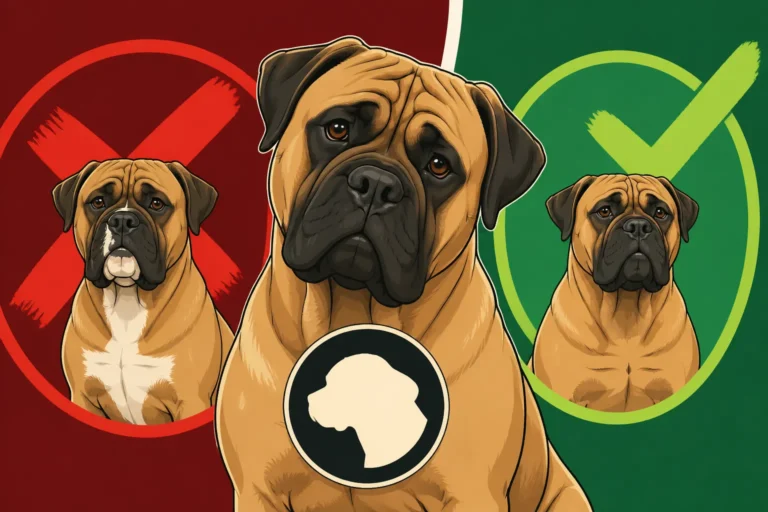
It’s a chilling thought, isn’t it? The idea that a magnificent, powerful dog like the Bullmastiff might have been specifically trained to confront, perhaps even attack, a human being. Many people, when they first learn about the breed's history as a "gamekeeper's night dog," immediately jump to conclusions about aggressive training methods involving "live men." This fear often stems from a misunderstanding of their original purpose and the precise nature of their protective instincts. Let's unpack the truth behind these rumors and understand exactly what role the early Bullmastiff played and how it influences the wonderful companion we know today.
The Bullmastiff's Historical Role: To Hold, Not to Harm
The very genesis of the Bullmastiff breed is steeped in the practical, often harsh, realities of 19th-century England. Gamekeepers faced a serious problem: poachers. These individuals were often desperate, sometimes violent, and needed to be caught and deterred from stealing game from large estates. The Mastiff was powerful but perhaps too slow; the Bulldog was tenacious but not large enough to effectively cover ground or detain an adult human without causing severe injury. The Bullmastiff was bred to be the perfect blend of both: powerful enough to track and hold a man, but not so aggressive as to maul him. This distinction is absolutely crucial to understanding their training.
Why Gamekeepers Needed a Specific Type of Dog
Imagine a gamekeeper on a sprawling, dark estate. He's alone, often miles from help, and he needs a canine partner capable of tracking silently, surprising an intruder, and then holding them until the gamekeeper arrived to take control. This wasn't a job for a dog that would rip a man apart. The legal and social ramifications of a dog killing or severely injuring a poacher would have been immense for the gamekeeper and the landowner. The goal was apprehension, not assassination.
The original breeders, often gamekeepers themselves, specifically selected for a dog that possessed courage, strength, and a high pain tolerance, but also an inherent discernment and control. They wanted a dog that would respond to the command to "hold" or "pin" a person without resorting to a full-blown attack. Think of it less as a weapon and more as a living, breathing set of handcuffs – powerful, intimidating, but ultimately non-lethal in its primary function. This meant selecting for dogs with a stable temperament, even under duress. Their job was to prevent escape, not to inflict damage beyond what was necessary to gain compliance.
The "Holding Instinct" and Non-Aggressive Containment
The Bullmastiff's famous "holding instinct" is a direct legacy of this original purpose. They were bred to body-block, pin with their weight, or hold a person down, typically by grasping clothing or by leaning with incredible force. This required immense physical power, yes, but also a remarkable level of control and restraint. A dog that bit indiscriminately or savaged a person would have been useless, possibly even a liability.
The early Bullmastiff was indeed known as a "silent hunter" or "night dog" because they were expected to work without barking, surprising the poacher. Once contact was made, the dog would ideally use its bulk and strength to incapacitate the person without causing grievous bodily harm. This is a far cry from being "trained on live men" in the way some might imagine – with dogs being taught to attack and bite at flesh. Instead, the training would have focused on the command to "find" and "hold" a person, utilizing their natural size and strength as a deterrent and physical barrier. They were effectively a bouncer for the woods, capable of handling a confrontation with minimal actual injury. You can learn more about this by reading A Bullmastiff Was Bred to Hold a Man, Not Bite Him.
What "Training" Looked Like for Early Bullmastiffs
While historical records are not always exhaustive, we can infer that early training would have been rigorous but focused on control. It's highly unlikely that "live men" in the sense of unwilling victims were used for training. Instead, gamekeepers would have likely used willing assistants, perhaps other gamekeepers or estate workers, who understood the dog's purpose and how to safely simulate a fleeing or struggling poacher. The focus would have been on:
- Tracking and Silence: Teaching the dog to follow a scent trail silently in the dark.
- Containment: Instructing the dog to move towards and physically prevent a person from escaping, using their body weight.
- Restraint: Getting the dog to stay with the "captured" person, holding them down without escalating to injury, until the gamekeeper arrived.
- Release Command: Crucially, the dog needed a reliable "release" command, demonstrating absolute control by the gamekeeper.
This type of training emphasized obedience, discernment, and physical presence rather than outright aggression. The idea wasn't to create a mindless attack machine, but a highly effective, disciplined partner in law enforcement, albeit one operating under specific, unique circumstances. The reputation for being The Bullmastiff That Pauses to Decide Whether You Are Worth It speaks volumes about their inherent intelligence and careful deliberation.
Modern Bullmastiff Temperament and Ethical Training
Fast forward to today, and the Bullmastiff has evolved from a gamekeeper's tool to a beloved family companion and guardian. While that deep-seated protective instinct remains, modern training philosophies and ethical considerations have completely reshaped how these magnificent dogs are raised and trained. The idea of training them on "live men" as an attack mechanism is not only unethical but entirely contrary to their nature as stable, discerning protectors.
The Modern Bullmastiff's Innate Protective Instinct
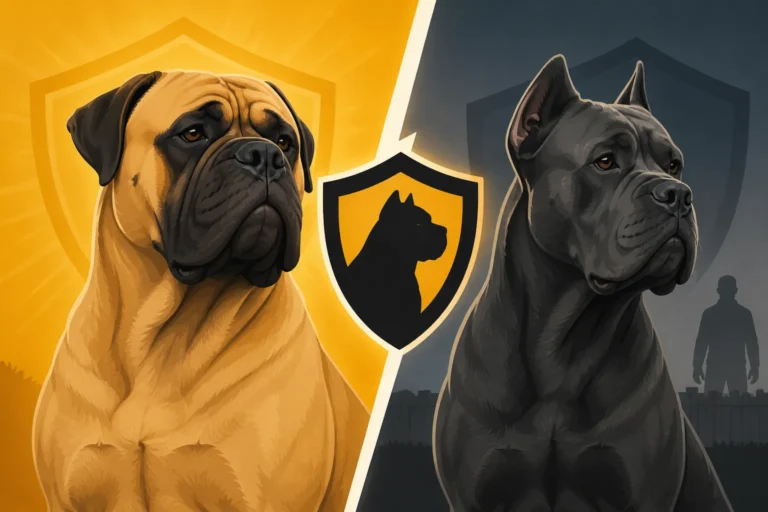
The Bullmastiff's natural guarding instinct is still very much present. They are inherently wary of strangers, observant, and possessive of their family and territory. However, this typically manifests as a powerful deterrent. Their sheer size, imposing presence, and deep, resonant bark are usually more than enough to make an unwelcome visitor think twice. They might stand between you and a perceived threat, lean into you protectively, or simply watch with an intense gaze that communicates, "I'm here, and I'm watching you."
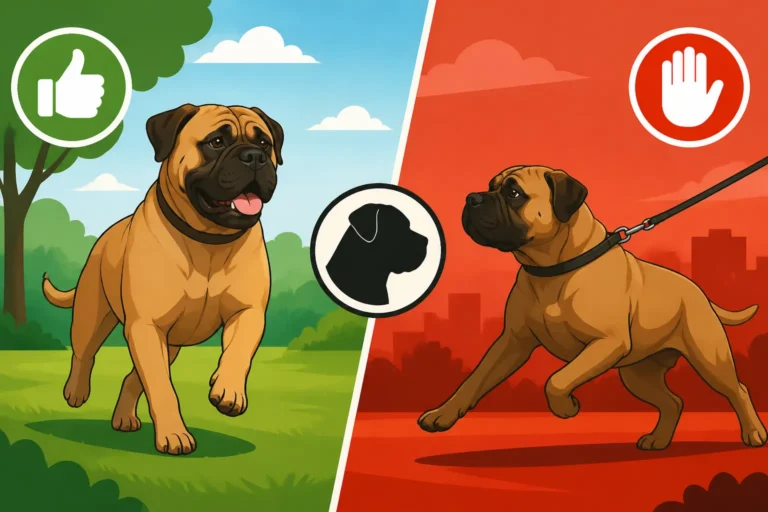
What you don't generally see in a well-bred, well-socialized Bullmastiff is unprovoked aggression or a desire to attack. Their protective nature is more about being a steadfast, vigilant guardian who will assess a situation carefully before acting. They might not be the loudest dogs in the neighborhood – in fact, The Silent Guard: Why a Bullmastiff Barks So Little is one of their defining traits – but their presence speaks volumes.
Ethical Training for a Giant Breed: Beyond the Myths
Modern training for a Bullmastiff focuses heavily on socialization, obedience, and channeling their natural instincts into acceptable behaviors. Given their immense size and strength (a fully grown Bullmastiff can easily outweigh a person), early and consistent training is not just recommended, it's absolutely vital.
Ethical training methods for Bullmastiffs involve:
- Extensive Socialization: Introducing puppies to a wide variety of people, places, sounds, and other friendly dogs from a young age. This helps them learn what is normal and what is truly a threat, preventing fear-based aggression.
- Positive Reinforcement: Using rewards (treats, praise, toys) to encourage desired behaviors, making learning a positive experience. This is far more effective than harsh or punitive methods, which can damage their sensitive nature and create distrust.
- Obedience Training: Commands like "sit," "stay," "come," "leave it," and a solid "down" are fundamental. This provides owners with the control needed to manage such a powerful dog in any situation. Training a Bullmastiff That Weighs More Than You Do requires consistency and smart handling.
- Leash Training: Essential for a dog that can easily pull an adult off their feet. Tools like front-clip harnesses and consistent practice are key. For durable training tools and treats, many owners turn to retailers like Chewy for their wide selection.
- Boundaries and Structure: Establishing clear rules and expectations helps a Bullmastiff understand their place in the family and reduces the likelihood of problem behaviors.
No reputable Bullmastiff breeder or trainer would ever advocate for "live attack" training for a companion dog. Such practices are dangerous, irresponsible, and can severely compromise the dog's temperament, making them unpredictable and unsafe in a typical home environment. The aim is always to cultivate a confident, well-adjusted, and controllable guardian.
Addressing Concerns About Aggression
If you encounter a Bullmastiff that displays unwarranted aggression, it's almost always a symptom of poor breeding, inadequate socialization, or severe mishandling, rather than a deliberate "live training" regimen. A well-bred Bullmastiff from responsible lines should have a stable, calm temperament.
It's important to remember that any large, powerful breed can be dangerous if not properly raised. This is why due diligence in selecting a puppy from a reputable breeder is paramount. A good breeder prioritizes temperament, performs health screenings (What a Bullmastiff Breeder Should Have Screened), and ensures their puppies are well-socialized before going to new homes. They would never consider or endorse training methods that promote uncontrolled aggression.
The Reality of Modern "Protection Training" and Its Role
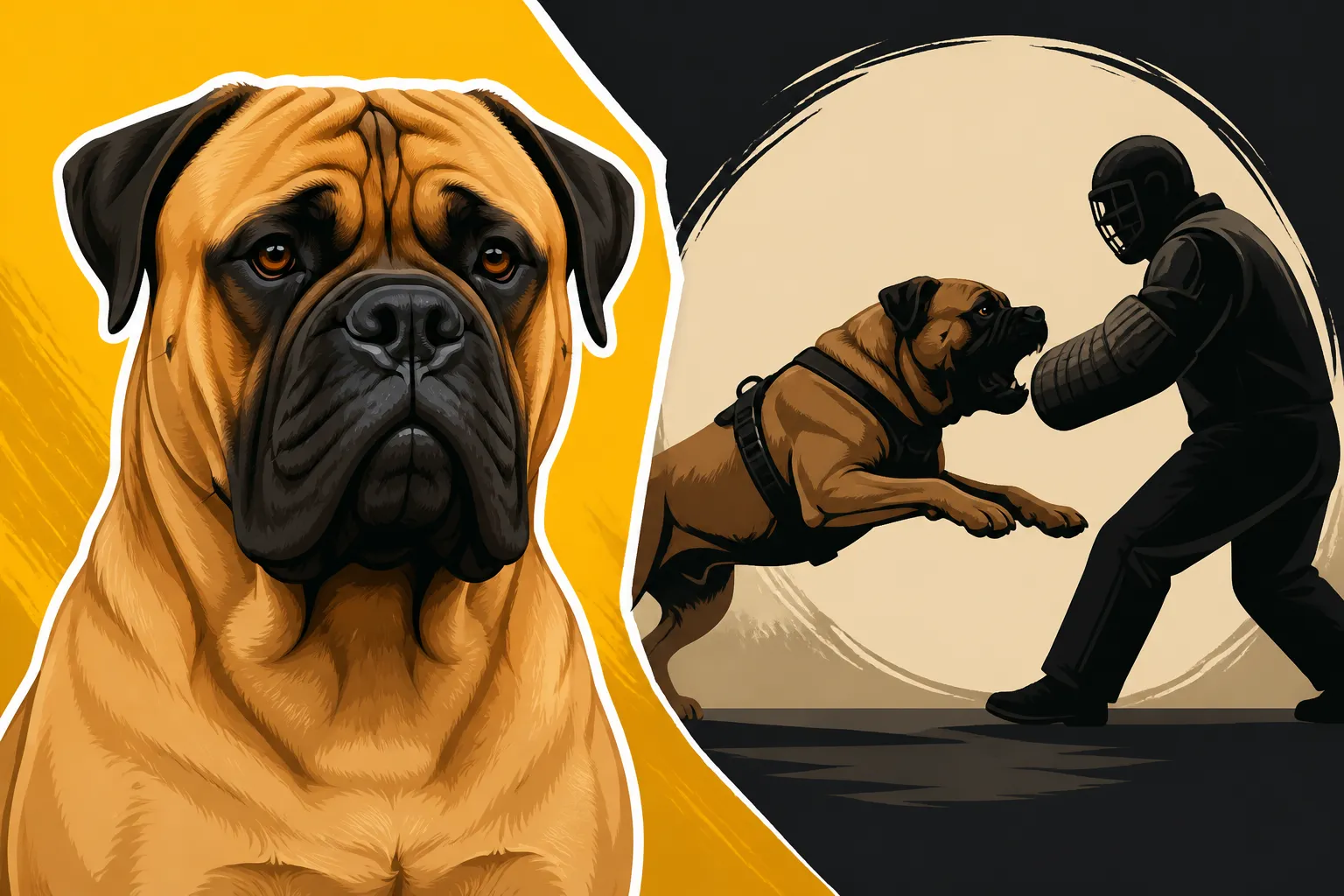
The term "protection training" can be misleading because it often conjures images of dogs attacking on command. In the context of the Bullmastiff, and most other working breeds today, what is often referred to as "protection" is actually a highly specialized sport or a refinement of natural guarding instincts under absolute handler control. It is vastly different from the historical "live men" training myth.
Understanding Modern Protection Sports
When you see dogs performing "protection work" or participating in sports like Schutzhund, ring sport, or personal protection dog (PPD) training, it's crucial to understand what's actually happening. These are highly structured, rule-bound activities. The "agitator" or "decoy" is a trained professional wearing protective bite suits. The dogs are not taught to be aggressive towards random people; they are taught to:
- Discriminate: Understand that the "threat" is specific to the decoy in a suit, often based on specific commands and scenarios.
- Control: Respond instantly to handler commands to engage and, more importantly, to disengage and release.
- Focus: Maintain intense focus on the task and handler, even under high stimulation.
These sports are essentially advanced obedience and control exercises. While Bullmastiffs are not as commonly seen in these highly agile protection sports as some other breeds (like German Shepherds or Malinois), they can certainly excel in areas requiring strength and control. These activities reinforce the dog's natural protective drives but always within a framework of absolute obedience. It is about channeling energy and instinct, not creating a rogue animal. Many enthusiasts look for specialized gear for these activities, and sites like Chewy offer a range of robust products for large, powerful dogs.
The Importance of Early Socialization and Temperament Testing
For any Bullmastiff owner, the most important "protection training" you can provide is comprehensive socialization and consistent, positive obedience training. A well-socialized Bullmastiff is confident, not fearful or reactive. They understand the world around them and can differentiate between a friend, a mail carrier, or a genuine threat.
A Bullmastiff's temperament is their most valuable asset as a guardian. You want a dog that is:
- Confident: Not timid or easily startled.
- Calm: Not prone to excessive excitement or nervousness.
- Discernible: Able to assess situations and react appropriately, rather than impulsively.
- Loyal: Devoted to their family and instinctively protective.
These traits are primarily inherited through responsible breeding. No amount of "training" can entirely compensate for poor genetics. Before acquiring a Bullmastiff, it is essential to ask breeders about the temperament of their breeding dogs and previous litters. A good breeder will be transparent about this and should be able to tell you about Which Health Tests a Bullmastiff Breeder Should Run and what their lines are known for.
Practical Home Security: Your Bullmastiff as a Deterrent
For the vast majority of Bullmastiff owners, the best way their dog contributes to home security is through their imposing presence and natural guardian instincts. You don't need to teach your Bullmastiff to "attack." Their size alone is often a significant deterrent.
Consider the practical advantages:
- Visual Deterrence: Just the sight of a powerful Bullmastiff, often with its watchful gaze and The Black Mask Every Bullmastiff Must Have, is enough to make many potential intruders reconsider.
- Auditory Alert: While "silent" in its historical work, a Bullmastiff will absolutely alert you to unusual sounds or strange figures approaching your property. Their deep bark is very convincing.
- Physical Presence: Knowing a large, powerful dog is inside is often sufficient to deter direct confrontation. The Bullmastiff's historical role to A Bullmastiff Was Bred to Hold a Man, Not Bite Him still means an intruder would face a formidable, physical challenge.
Instead of focusing on aggressive training, invest in proper training, socialization, and a secure environment. Ensure your yard is well-fenced, your doors are locked, and your Bullmastiff has a comfortable, safe place within your home. An orthopedic bed, easily found on Chewy, can provide comfort for their large joints while they guard your home from their sleep. Remember, their primary job is to be a cherished family member, and their natural protective instincts, when properly managed, are more than enough.
The Differences Between Historical Purpose and Modern Companionship
It’s easy to romanticize or misunderstand the historical roles of breeds, especially those with such a dramatic past as the Bullmastiff. But it’s vital to distinguish between what was required of a working dog in the rugged environment of a 19th-century game preserve and what is expected of a family pet in the modern home. The fundamental takeaway is that the Bullmastiff was never intended to be a vicious mauler, even in its working days. Its design was for controlled, non-lethal apprehension.
From Estate Guardian to Family Protector
The transition from a specialized working dog to a beloved household companion has brought significant changes in breeding goals and owner expectations. While the protective instinct remains a cornerstone of the breed's temperament, breeders today prioritize stability, gentleness with family, and trainability above raw aggression.
The Bullmastiff's impressive physique and natural vigilance are inherent. They often follow their family from room to room, acting as a quiet shadow, always aware of their surroundings. This constant, unobtrusive guardianship is precisely what makes them such effective and comforting family protectors. They are not dogs that need to be taught to be protective; it's simply part of who they are, woven into their genetic fabric. The notion of teaching them to attack "live men" is a historical inaccuracy and a gross misrepresentation of their true nature and purpose.
The Importance of Responsible Ownership
For any Bullmastiff owner, or prospective owner, responsible ownership means understanding the breed's strengths and managing their potential challenges. This includes:
- Commitment to Training: Consistent, positive reinforcement training throughout their life.
- Lifelong Socialization: Continuing to expose them to new experiences and people in a controlled, positive way.
- Health Awareness: Being vigilant about common Bullmastiff health issues, such as Lymphoma Kills More Bullmastiffs Than Anything Else or Subaortic Stenosis Is There Before a Bullmastiff's First Birthday.
- Physical and Mental Exercise: Providing appropriate outlets for their energy and intelligence, even if they aren't the most active breed (What a Bullmastiff Needs Every Day, Which Is Less Than You Think).
- Environmental Management: Ensuring your home and yard are safe and secure for such a large dog.
By focusing on these aspects, you nurture a Bullmastiff who is a balanced, confident, and reliable member of your family, embodying the best of their protective heritage without ever needing to resort to the dangerous practices of fictional "live training."
Disclaimer
This article is for general informational purposes only and does not constitute professional advice. Laws, prices and regulations vary by location and change over time. Consult a qualified professional for guidance on your specific situation.