Whether Fawn Bullmastiffs Were Once Undesirable
It’s easy to look at the Bullmastiff today and assume that the beautiful fawn coat, often paired with that striking black mask, has always been the most popular or even the originally preferred color. But like many aspects of a breed's history, the story of fawn Bullmastiffs is a fascinating journey that began not with aesthetic preference, but with a very practical purpose. If you've ever wondered why colors might matter or change over time, you're tapping into the very heart of breed development, and we're here to explore whether fawn was once considered less than ideal.
The Roots of the Bullmastiff and Its Original Purpose
To truly understand why fawn Bullmastiffs might have been viewed differently in the breed's formative years, we have to travel back in time to the estates of Victorian England. This is where the Bullmastiff's story truly begins, born out of a specific need rather than a desire for a particular look. The breed wasn't developed for the show ring, but for a tough, demanding job that required very specific traits, and color was certainly one of them.
The Gamekeeper's Needs and Night Work
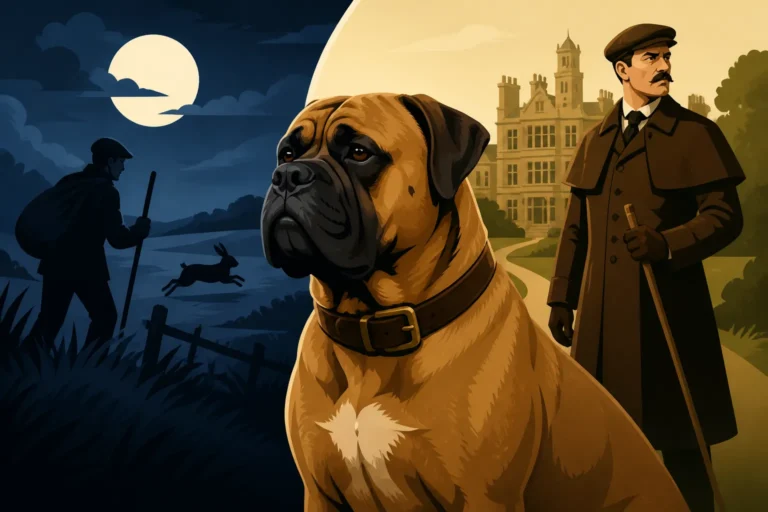
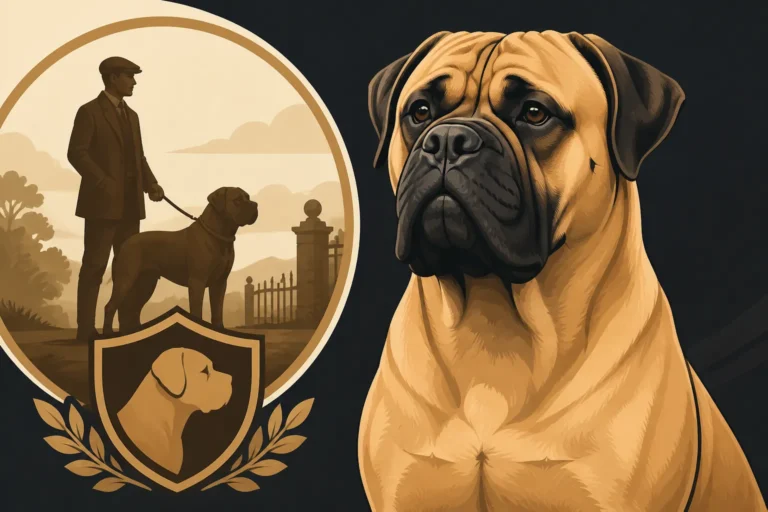
Imagine an English gamekeeper in the late 19th century. Their job was to protect vast hunting estates from poachers, often under the cloak of darkness. These poachers were hardened individuals, and a gamekeeper needed a dog that could track, quietly apprehend, and hold a man without necessarily mauling him. This wasn't a job for a yappy terrier or a delicate lapdog. They needed a formidable, courageous, and intelligent companion. The ideal dog had to be substantial enough to intimidate and control an adult human, but also agile enough to move swiftly and silently through dense woodland. The Bullmastiff Was Built to Catch Poachers in the Dark delves deeper into this fascinating origin story.
The Mastiff, while large and powerful, was often too slow for the chase, and the Bulldog, though tenacious, lacked the necessary size and reach. So, gamekeepers began crossing these two breeds, meticulously selecting for the qualities they needed. The result was the "Gamekeeper's Night Dog," the direct ancestor of our modern Bullmastiff. This working background heavily influenced everything about the breed, including preferred coat color.
Camouflage as a Priority
When your primary job is to patrol a dark estate at night, blending into the shadows is a huge advantage. A dog that stands out against the dim landscape is a liability; it risks being spotted by a poacher first, giving the intruder a chance to escape or, worse, harm the dog. This is why the early breed descriptions and preferences heavily favored colors that offered natural camouflage.
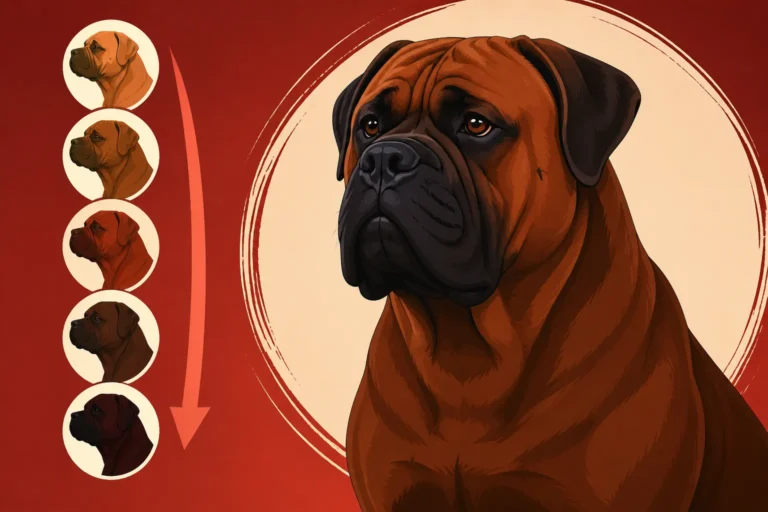
Dark brindle, in particular, was highly prized. The stripes on a brindle coat, especially a dark one, would break up the dog's outline, making it incredibly difficult to see under moonlight or amidst trees and bushes. It was the perfect natural concealment. Imagine trying to spot a large, silent dog with a dark brindle coat moving through the undergrowth at dusk – it would be almost invisible. Red and fawn dogs, while still powerful, would have stood out more against the dark background, potentially compromising the element of surprise that was so crucial for the gamekeeper's success. Why Early Bullmastiffs Were Bred Dark Brindle explores this camouflage aspect in more detail. In a time when a dog's life literally depended on its ability to perform its job without being seen, practicality trumped mere aesthetics.
Shifting Sands: From Utility to Show Ring
As the need for "Gamekeeper's Night Dogs" began to wane with changing societal landscapes and game laws, the Bullmastiff transitioned from a purely working dog to a recognized breed destined for the show ring and, eventually, a cherished family companion. This shift brought about a gradual change in what was considered "desirable" in terms of appearance, including coat color.
The Rise of Fawn
The move towards formal breed recognition in the early 20th century played a significant role in the acceptance and eventual popularity of fawn Bullmastiffs. When the breed was officially recognized by The Kennel Club in 1924, and later by the American Kennel Club, the focus began to broaden beyond strict working utility. While functional traits remained important, conformation to a written standard became paramount.
Fawn, with its warm, earthy tones, became increasingly attractive to breeders and enthusiasts who appreciated its aesthetic appeal in the show ring. It offered a regal and striking appearance that showcased the breed's powerful physique and distinctive black mask beautifully. Unlike the intense need for nighttime camouflage, a uniform, lighter color presented well under show lights and in photographs, making it a favorite for those aiming for success in conformation events. This didn't mean brindle or red were suddenly "undesirable," but fawn certainly carved out a significant place for itself, rapidly growing in popularity.
Breeder Preferences and the Developing Standard
The breed standard itself evolved to formally accept fawn, alongside red and brindle, as acceptable colors. This official acceptance was a huge step, moving fawn from a less-preferred working color to a fully recognized and celebrated option. Early influential breeders, like S.E. Moseley, who founded the famous Farcroft kennels, played a crucial role in shaping the breed's development and its public perception. As prominent breeders championed and produced fawn dogs, their success in the show ring naturally influenced general preferences.
For a breeder focusing on the new show criteria, consistency in color and appearance became more manageable with fawn. While a strong, typey dog was always the goal, the elegance of a well-presented fawn Bullmastiff began to capture hearts. It’s a testament to the versatility of the breed that a color once secondary to stealth could become so central to its identity. The qualities that truly defined the Bullmastiff — its protective nature, loyalty, and imposing presence — transcended any single color preference. These are traits that A Bullmastiff Was Bred to Hold a Man, Not Bite Him explores, highlighting the breed's inherent character regardless of coat.
Perceptions of "Undesirable" and the Modern Bullmastiff
It’s important to clarify what "undesirable" truly meant in the context of early Bullmastiff breeding. It wasn't that fawn dogs were considered genetically inferior or unsound. Rather, their color simply didn't offer the same practical advantage for the breed's original, demanding job as a gamekeeper's night dog.
The Nuance of "Undesirable"
When we talk about fawn Bullmastiffs possibly being "undesirable" in the past, it's crucial to understand this through the lens of their working history. It wasn't a condemnation of the color itself, but a reflection of practical utility. Imagine you're a gamekeeper, and your life, and your livelihood, depend on your dog's ability to remain hidden while apprehending a poacher. A dog that is easily seen because of its lighter coat color is, for that specific task, less effective than one that blends seamlessly into the night. It's a functional "undesirability," not an aesthetic or health-related one.
This perspective is similar to why certain dog breeds have specific coat textures or body types – they were bred for a purpose. A thick, wiry coat might be desirable for a terrier working in brambles, but "undesirable" for a sleek racing greyhound. For the early Bullmastiff, dark brindle was the ultimate camouflage. Fawn, while beautiful, simply lacked that specific tactical advantage. This historical context provides valuable insight into Why the Bullmastiff Was Bred Not to Maul and the meticulous selective breeding that went into every aspect of the dog.
Modern Desirability and Accepted Colors
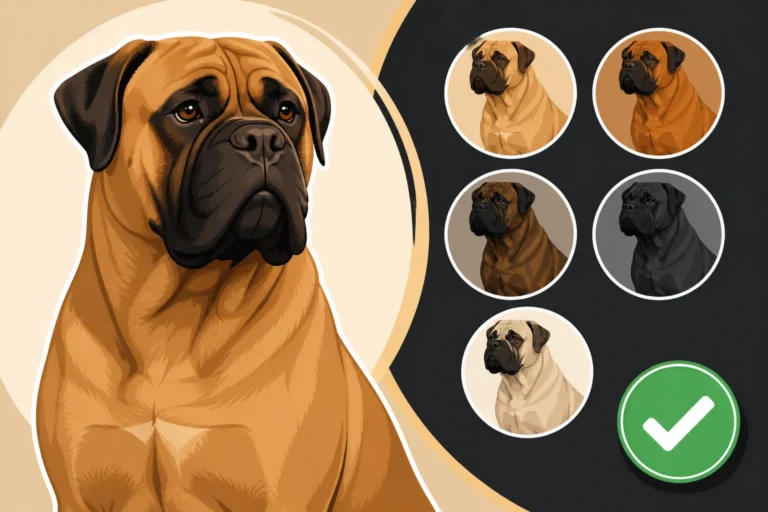
Fast forward to today, and fawn is arguably the most common and widely recognized color for a Bullmastiff. It graces calendars, advertisements, and is a strong presence in dog shows. The modern breed standard readily accepts fawn, red, and brindle, all typically with a dark or black mask. The days of gamekeepers relying on canine camouflage are largely behind us, and the Bullmastiff has found its place as a revered companion and protector in homes worldwide.
A fawn Bullmastiff is just as intelligent, loyal, and protective as a red or brindle one. Color no longer dictates desirability in the same way it once did. What matters most today is a Bullmastiff that embodies the breed's temperament, health, and conformation to the standard, regardless of its beautiful coat color. When considering a Bullmastiff, breeders will guide you through the accepted colors and focus on overall health and temperament, ensuring you find the right companion for your family.
The Enduring Legacy of the Black Mask
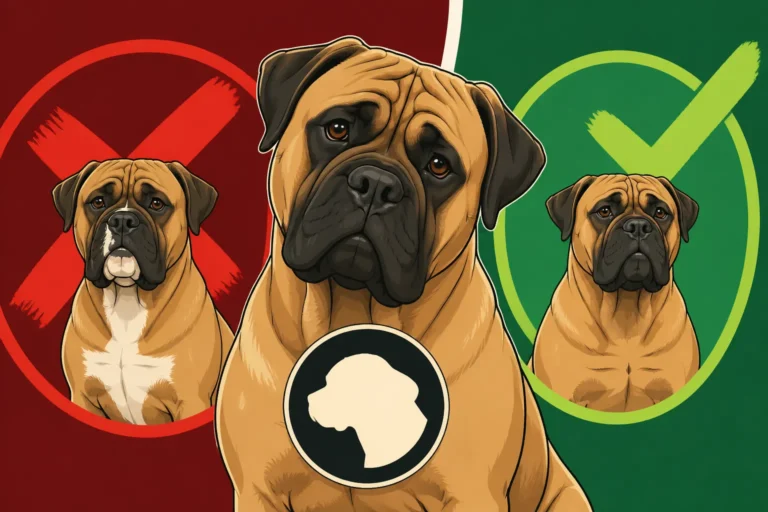
One feature that has remained consistently desirable and essential throughout the Bullmastiff's history, regardless of coat color, is the distinctive black mask. This mask, covering the muzzle and often extending around the eyes, is a hallmark of the breed and adds to its imposing yet noble expression. It's a non-negotiable part of the breed standard, unifying the various coat colors under one iconic look. The Black Mask Every Bullmastiff Must Have details the importance of this striking feature. Whether fawn, red, or brindle, that intense black mask is what truly defines a Bullmastiff's face and lineage. It serves as a visual link to their heritage, connecting every modern Bullmastiff back to those vigilant night dogs of old.
Here's a quick look at how color perception has evolved:
| Aspect | Early Bullmastiff (Gamekeeper's Night Dog Era) | Modern Bullmastiff (Companion/Show Dog Era) |
|---|---|---|
| Primary Goal | Utility (stealth, apprehension) | Conformation, companionship, protection |
| Preferred Colors | Dark Brindle (for camouflage at night) | Fawn, Red, Brindle (all equally accepted) |
| Fawn Perception | Less optimal for night camouflage | Highly desirable, popular, and standard |
| "Undesirable" Meaning | Less effective for original job's demands | No "undesirable" colors within the standard |
| Key Consistent Feature | Black Mask | Black Mask |
So, while fawn Bullmastiffs may have been less sought after for the specific, utilitarian role of a gamekeeper's night dog due to their visibility, their journey through breed recognition and evolution has cemented their place as one of the most beloved and recognizable variations of this magnificent breed. Their charm and regal appearance now make them a highly desirable choice for families and exhibitors alike.
Disclaimer
This article is for general informational purposes only and does not constitute professional advice. Laws, prices and regulations vary by location and change over time. Consult a qualified professional for guidance on your specific situation.