Signs a Bullmastiff’s Thyroid Has Failed
It's incredibly disheartening when your beloved Bullmastiff starts showing subtle changes that just don't feel right – a little less zest, a coat that's lost its sheen, or perhaps an unexpected weight gain. These shifts can be particularly alarming in a breed known for its robust nature. This guide will walk you through the often-missed and more obvious signs that your Bullmastiff's thyroid might be failing, helping you recognize the symptoms early and seek the care your dog needs.
Catching the Subtle Changes: What Hypothyroidism is in Bullmastiffs
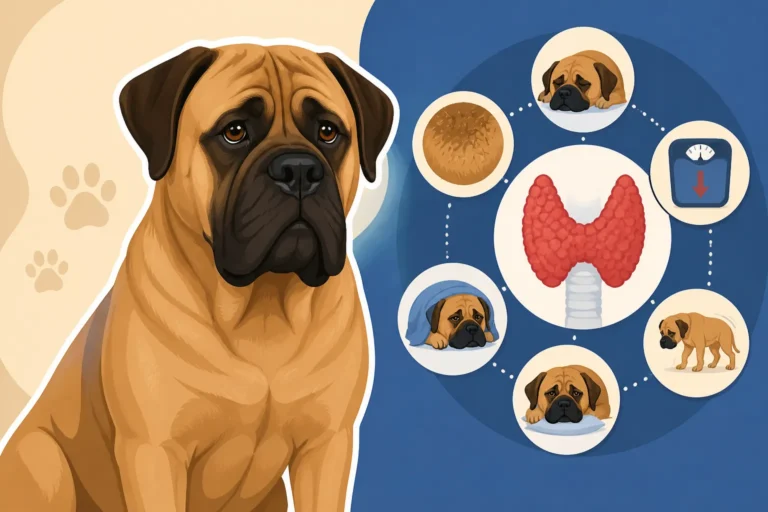
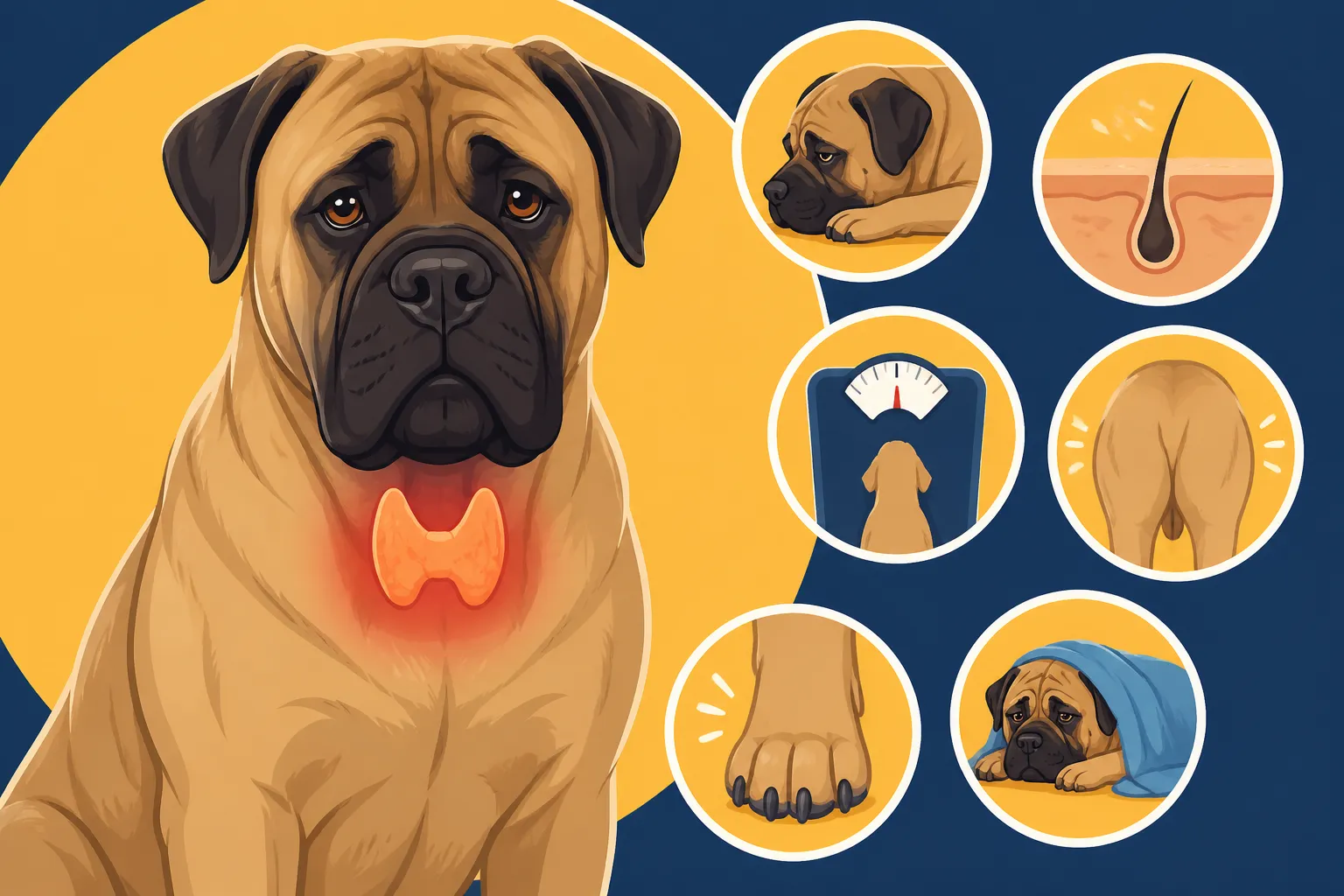
When you notice your big, gentle Bullmastiff just isn't quite themselves, it can be a worrying time. Hypothyroidism, a common endocrine disorder in dogs, is often the culprit behind a range of confusing symptoms, and it's something that Bullmastiffs, unfortunately, have a higher propensity for. This condition arises when the thyroid gland, a small but mighty butterfly-shaped gland located in the neck, doesn't produce enough of its crucial hormones.
The Thyroid's Crucial Role and Why it Matters for Your Big Dog
The thyroid gland acts like the master regulator of your dog's metabolism. The hormones it produces, primarily thyroxine (T4) and triiodothyronine (T3), influence nearly every cell in the body. They dictate how quickly your dog burns calories, how efficiently their organs function, and even the health of their skin and coat. For a large, powerful breed like the Bullmastiff, whose body has so much more to regulate, a failing thyroid can have widespread and noticeable effects on their overall well-being. Imagine trying to run a huge factory with only half the power – things slow down, systems falter, and production grinds to a halt. That's essentially what happens to your Bullmastiff's body when their thyroid isn't pulling its weight.
When this metabolic engine slows, it affects everything from their energy levels to their body temperature regulation. Owners often describe their dogs as "slowing down" or "aging prematurely," without realizing that a treatable medical condition might be at play. Because Bullmastiffs are such stoic dogs, they can often mask discomfort or subtle changes, making it even more important for observant owners to be vigilant.
Why Bullmastiffs Are Uniquely Prone to Thyroid Issues
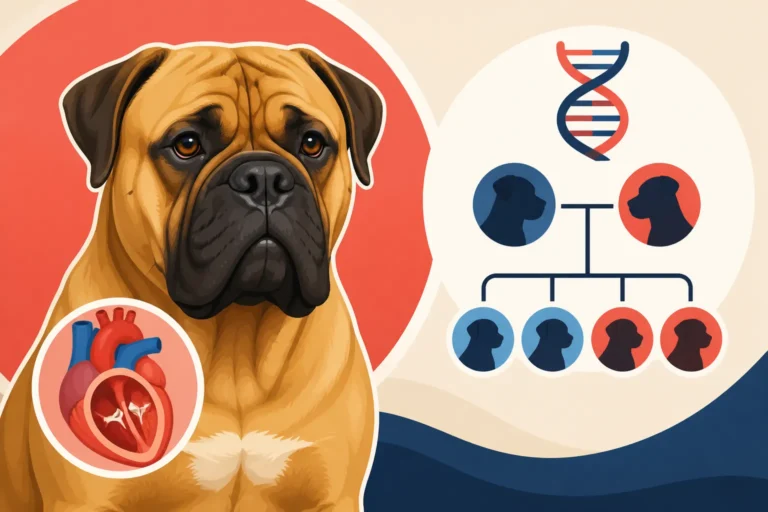
While hypothyroidism can affect any dog breed, certain breeds, including our magnificent Bullmastiffs, are predisposed due to genetics. It's often linked to an autoimmune condition where the dog's own immune system mistakenly attacks and destroys the thyroid gland. This genetic predisposition means that if you own a Bullmastiff, understanding the signs of a failing thyroid is not just good practice, it's essential for their long-term health. Knowing that your breed is at higher risk means you should be extra attuned to any changes, no matter how minor they seem. This awareness can lead to earlier diagnosis and treatment, significantly improving your Bullmastiff's quality of life. Discussions with your breeder about the thyroid health of their lines can also be very insightful, although genetic tests for specific thyroid issues in Bullmastiffs are not yet widely available or definitive.
Early Warning Signals in Your Bullmastiff's Coat and Skin
One of the first places a failing thyroid often manifests is in your Bullmastiff's integumentary system – simply put, their skin and coat. These aren't just cosmetic issues; they are vital clues that something deeper is amiss within their body's regulatory systems.
The Tell-Tale Signs of a Dull, Dry Coat and Excessive Shedding
A healthy Bullmastiff's coat should be short, dense, and lie flat, with a natural sheen that speaks to good health. When hypothyroidism begins to set in, you might notice this changes drastically. The coat can become noticeably dull, dry, and brittle, losing its natural luster. It might feel coarser to the touch than usual, almost straw-like. This is often accompanied by excessive shedding that seems to go on year-round, not just during seasonal coat blows. You might find more hair on your furniture, your clothes, and even stuck to your Bullmastiff's bedding than ever before. This isn't just normal shedding; it's a reflection of the slowed metabolic rate affecting hair follicle health and growth cycles.
You might also observe that the hair growth is patchy or slow, particularly after a shave or if there's been any minor skin trauma. The process of new hair emerging becomes sluggish, and existing hair struggles to maintain its vitality, contributing to that overall "unhealthy" look. It's a classic sign, and one that often prompts owners to consider a vet visit.
Skin Problems That Point to a Failing Thyroid
Beyond just the coat, the skin itself can also show significant changes. You might start to notice your Bullmastiff developing dry, flaky skin, often accompanied by what looks like dandruff, medically known as seborrhea. This isn't just uncomfortable for your dog; it can also make them more prone to secondary skin infections. The skin might also appear thickened, especially in areas like the neck, elbows, or hocks, taking on an almost leathery texture. This is sometimes referred to as "myxedema," a specific type of skin thickening associated with advanced hypothyroidism, although milder forms are more common as an early sign.
Another common issue is hyperpigmentation, where areas of the skin become darker, often a slate grey or blackish color. This usually occurs in patches, particularly in areas of friction or inflammation, and is a response to chronic skin irritation or metabolic imbalance. These skin changes often lead owners down the path of thinking it's an allergy, but if typical allergy treatments aren't working, it's definitely time to consider a thyroid check. If you notice signs a Bullmastiff's thyroid is low, getting an early diagnosis is key.
How a Hypothyroid Bullmastiff's Skin Can Change
The skin of a hypothyroid Bullmastiff can also become more prone to infections. The compromised skin barrier, combined with a weakened immune response due to the metabolic slowdown, creates a fertile ground for bacteria and yeast to flourish. You might see recurring skin infections (pyoderma) or yeast infections, often manifesting as red, itchy, sometimes greasy patches with an unpleasant odor. These can be particularly stubborn to treat, clearing up only temporarily before flaring up again.
Furthermore, some Bullmastiffs might experience "rat tail" or "alopecia X" where the hair loss is symmetrical, often affecting the tail, flanks, and belly, but sparing the head and legs. The tail might appear thin and bald, devoid of its usual dense fur. These skin and coat problems are often the first tangible signs that a diligent owner observes, prompting a trip to the veterinarian. It's important not to dismiss these as mere cosmetic issues, as they can be indicators of a systemic problem like hypothyroidism. Often, these visible changes are also accompanied by your Bullmastiff feeling cold more often, even indoors, a symptom we'll explore further.
Behavioral Shifts and Energy Levels: Is Your Bullmastiff Acting Differently?
Beyond physical changes, your Bullmastiff’s demeanor and overall energy can undergo profound shifts when their thyroid isn't functioning correctly. These behavioral changes can be some of the most concerning for owners, as they affect the very personality of your beloved companion.
Unexplained Lethargy and Decreased Activity
One of the most common and often frustrating signs of hypothyroidism in a Bullmastiff is a noticeable decrease in energy and an overall sense of lethargy. Your dog, who once loved long walks or romping in the yard, might now be content to lie around all day, showing little interest in activities they previously enjoyed. They might seem sluggish, less enthusiastic about playtime, or even hesitant to get up from their comfortable bed. It's easy to attribute this to simply "aging" or a change in temperament, especially in a breed known for its calm disposition. However, if this shift is sudden or unusually pronounced, it warrants investigation.
This lethargy isn't just about physical tiredness; it's a systemic slowdown of all bodily functions. Their metabolic rate has dropped, meaning their body is operating at a lower speed, conserving energy. What you might interpret as laziness or stubbornness could actually be your Bullmastiff genuinely lacking the physical and mental energy to engage. When considering How much exercise a Bullmastiff needs, remember that a sudden drop in their willingness to participate is a red flag.
Mental Dullness and Personality Changes
A failing thyroid can also impact your Bullmastiff's cognitive function and personality. Owners might describe their dogs as being "dull," "flat," or even "grumpy" and less responsive. They might not react to familiar commands as quickly, seem less engaged during training sessions, or appear generally less alert to their surroundings. This isn't necessarily a sign of a neurological problem in the brain itself, but rather a reflection of the reduced metabolic activity affecting brain function.
Some Bullmastiffs might become more withdrawn or even develop an uncharacteristic aggression or fearfulness, although these are less common initial signs. They might be less tolerant of other dogs or even familiar people, seemingly preferring solitude. It's a significant departure from the typically calm, affectionate, and steadfast nature of the breed. Observing these subtle shifts in their mental state and responsiveness is crucial. You might find that The Bullmastiff That Pauses to Decide Whether You Are Worth It now pauses even longer, not out of deliberation, but out of a lack of mental spark.
Cold Intolerance and Seeking Warmth
Bullmastiffs are naturally resilient dogs, but a hypothyroid Bullmastiff often becomes noticeably intolerant of cold. The thyroid hormones play a vital role in thermoregulation – maintaining a stable body temperature. When these hormones are deficient, the body's internal thermostat struggles to keep warm. You might notice your Bullmastiff seeking out warm spots in the house, curling up tightly, or shivering even in temperatures that wouldn't normally bother them. They might prefer to lie in sunbeams, seek out warm blankets, or even try to burrow under furniture more often.
This cold intolerance can be particularly noticeable if you live in a climate with colder winters. While a healthy Bullmastiff might enjoy a brisk winter walk, a hypothyroid one might refuse to go outside or quickly retreat. This symptom is often directly linked to the metabolic slowdown, as their body isn't generating enough heat internally. If your large, hardy Bullmastiff is suddenly acting like a perpetually cold lap dog, it's a strong indicator that their thyroid might be failing.
Weight Management and Appetite Anomalies
Changes in weight, particularly unexplained weight gain, are classic indicators of a failing thyroid in Bullmastiffs. It's a frustrating symptom for owners who might be diligent about diet and exercise, only to see their dog's waistline expand seemingly without reason.
Weight Gain Despite No Change in Diet or Exercise
One of the most common and frustrating signs of hypothyroidism is weight gain, often without any corresponding increase in food intake or decrease in exercise. Your Bullmastiff might be eating the same amount of food and getting the same walks, but suddenly they're packing on the pounds. This is a direct consequence of the slowed metabolic rate. With insufficient thyroid hormones, the body burns calories much less efficiently, leading to an accumulation of fat. It's not about being "greedy" or lacking willpower; it's a physiological response to a hormonal imbalance.
This weight gain is often generalized, making your Bullmastiff look heavier all over, but it can also lead to a pot-bellied appearance. It's a good idea to routinely check your Bullmastiff's body condition score, feeling their ribs and spine. If you can't easily feel their ribs without pressing, they're likely carrying too much weight. This is why Why a Hypothyroid Bullmastiff Gains Weight is such a common query, and it’s a clear signal to investigate thyroid function. Maintaining a lean body condition is critical for giant breeds like Bullmastiffs, as excess weight puts undue stress on their joints and organs, exacerbating other potential health issues.
Unexplained Weight Loss (Less Common But Possible)
While weight gain is the more typical scenario, in some rare cases, a Bullmastiff with a failing thyroid might actually experience weight loss. This is less common but can occur if the metabolic disruption is severe enough to affect nutrient absorption or if secondary health issues arise that suppress appetite. However, if weight loss is the primary symptom, especially in conjunction with an increased appetite, it would usually point more towards other endocrine disorders like diabetes or other systemic illnesses.
It's important to differentiate between typical hypothyroid weight gain and other conditions. If your Bullmastiff is losing weight, particularly rapidly, it warrants immediate veterinary attention to rule out more serious underlying conditions, even if thyroid issues are also suspected. A thorough diagnostic workup would be crucial in such a scenario.
Gastrointestinal Issues and Constipation
The slowed metabolism caused by hypothyroidism can also affect the digestive system, leading to various gastrointestinal issues. One common problem is constipation. The muscles in the intestines, which are responsible for moving food and waste through the digestive tract, can become sluggish with low thyroid hormone levels. This can result in infrequent bowel movements, difficulty passing stool, or even straining. You might notice your Bullmastiff producing drier, harder stools.
While not every instance of constipation is due to a failing thyroid, if it becomes a persistent problem, especially when combined with other symptoms like lethargy, skin changes, or weight gain, it adds another piece to the diagnostic puzzle. It can be uncomfortable for your dog and further impact their overall well-being. Keeping track of your Bullmastiff's bathroom habits, alongside their appetite and general demeanor, provides valuable information for your veterinarian.
Reproductive and Other Less Common, Yet Significant, Symptoms
While changes in coat, energy, and weight are often the first things owners notice, a failing thyroid can also manifest in less common, but equally significant, ways, particularly affecting reproductive health and neurological function.
Reproductive Challenges in Intact Bullmastiffs
For Bullmastiffs that are intact and part of a breeding program, hypothyroidism can severely impact their reproductive capabilities. In females, a failing thyroid can lead to irregular heat cycles, prolonged anestrus (periods without heat), or even complete infertility. If they do conceive, they might experience difficulty maintaining pregnancy, reabsorb fetuses, or give birth to weak puppies. This is because thyroid hormones are critical for the proper functioning of the entire reproductive axis.
In male Bullmastiffs, hypothyroidism can result in reduced libido, poor semen quality, and testicular atrophy. Breeders are often acutely aware of these potential links and will typically screen breeding dogs for thyroid function. If you have an intact Bullmastiff and are observing any of these reproductive issues, alongside other potential symptoms, testing for hypothyroidism should be high on your list of considerations. It's a reminder that good breeding practices often include comprehensive health screening, and understanding What a Bullmastiff breeder should have screened often includes thyroid panels.
Neurological Symptoms and Muscle Weakness
While less common, severe or long-standing hypothyroidism can lead to neurological signs and muscle weakness in Bullmastiffs. These symptoms occur when the metabolic slowdown impacts the nervous system and muscle function. You might observe weakness, especially in the hindquarters, making it difficult for your Bullmastiff to rise, climb stairs, or jump into a car. They might appear stiff or clumsy, and in rare cases, tremors or even seizures can occur.
The muscles themselves can become weaker and sometimes even undergo atrophy (wasting). This muscle weakness can be particularly challenging for a large, heavy breed like the Bullmastiff, making daily activities difficult and impacting their quality of life. Owners might initially mistake these signs for arthritis or other orthopedic issues, but if multiple systems seem to be affected, a broader systemic cause, like thyroid failure, needs to be considered.
Heart Rate Changes and Anemia
Hypothyroidism can also impact the cardiovascular system. A Bullmastiff with a failing thyroid might exhibit a slower-than-normal heart rate, a condition known as bradycardia. The heart is a muscle, and like other muscles, its function can be impaired by insufficient thyroid hormones. While a slightly slower heart rate might not be immediately obvious to an owner, your veterinarian might detect it during a routine physical exam.
Additionally, some hypothyroid Bullmastiffs can develop anemia, where their blood lacks sufficient healthy red blood cells. This can contribute to their overall lethargy and weakness. The anemia associated with hypothyroidism is typically a mild, normochromic, normocytic anemia, meaning the red blood cells are normal in size and color but there aren't enough of them. These more subtle internal changes often require diagnostic testing to uncover but are important pieces of the puzzle when assessing a Bullmastiff's overall health picture.
What to Do When You Suspect Thyroid Failure
Discovering these symptoms can feel overwhelming, but the good news is that hypothyroidism is a very treatable condition. The key is to act quickly and work closely with your veterinarian.
The Importance of Early Veterinary Consultation
If you've read through these signs and are nodding your head, recognizing several symptoms in your Bullmastiff, the single most important step you can take is to schedule an appointment with your veterinarian as soon as possible. Don't try to self-diagnose or wait to see if things improve on their own. Early intervention makes a world of difference in managing hypothyroidism and preventing more severe complications. Your vet is the best resource to conduct a thorough examination and recommend the appropriate diagnostic tests. They will take a complete history from you, so be prepared to discuss all the changes you've observed, even the seemingly minor ones.
It's helpful to keep a journal of your Bullmastiff's symptoms, noting when they started, how frequently they occur, and any patterns you've noticed. This detailed information will be invaluable to your vet. Remember, your Bullmastiff relies on you to be their advocate. Timely consultation can turn around their health and happiness.
Preparing for Your Vet Visit
To make the most of your veterinary appointment, come prepared. Beyond your symptom journal, bring a list of any questions you have about hypothyroidism, the diagnostic process, and potential treatments. This ensures you cover all your concerns. Also, be ready to discuss your Bullmastiff's current diet, exercise routine, and any other medications or supplements they are taking. It might be helpful to think about How often a Bullmastiff needs a wellness exam and if their last check-up brought up any related concerns.
Your vet will likely perform a comprehensive physical examination, paying close attention to their weight, coat condition, skin, heart rate, and overall demeanor. They will also discuss the potential costs of diagnosis and treatment. Many owners find that investing in pet insurance, like a plan from Healthy Paws, early in their Bullmastiff's life can provide significant peace of mind and financial support should chronic conditions like hypothyroidism arise. Understanding the financial aspects, such as What the first year with a Bullmastiff costs and how that compounds over time, often makes insurance a wise choice for these magnificent dogs.
Diagnosing and Managing Hypothyroidism in Your Bullmastiff
Once you and your vet suspect hypothyroidism, the next steps involve definitive diagnosis and, if confirmed, establishing an effective treatment plan to get your Bullmastiff feeling like themselves again.
The Diagnostic Journey: From Blood Tests to Treatment
Diagnosing hypothyroidism typically begins with a physical exam and a discussion of your Bullmastiff's symptoms. Your vet will then likely recommend a complete blood count (CBC) and a biochemistry panel to assess overall health and rule out other potential issues. However, the definitive diagnosis for hypothyroidism relies on specific thyroid hormone tests. These usually involve measuring the levels of total T4 (thyroxine) and TSH (thyroid-stimulating hormone) in your dog's blood. In some cases, a free T4 (FT4) level, which measures the unbound, biologically active form of T4, might also be tested.
A low T4 level combined with a high TSH level is generally indicative of primary hypothyroidism, the most common form in dogs. Sometimes, a dog might have a low T4 but a normal TSH, which could indicate a non-thyroidal illness affecting thyroid hormone production, or what's known as "euthyroid sick syndrome." This is why a thorough interpretation of all test results by your veterinarian is crucial. They might also consider When a Bullmastiff's thyroid should be tested as part of a routine health screening, especially for older dogs or those exhibiting subtle symptoms.
Life After Diagnosis: Medication and Monitoring
If your Bullmastiff is diagnosed with hypothyroidism, the good news is that it's a very manageable condition. Treatment involves daily oral medication, typically a synthetic thyroid hormone replacement called levothyroxine (or L-thyroxine). This medication effectively replaces the hormones your Bullmastiff's thyroid gland isn't producing. The dosage will be carefully determined by your vet based on your dog's weight and the severity of their condition.
It’s important to understand that Whether thyroid medication is lifelong for a Bullmastiff is usually the case; once started, most dogs will need to take levothyroxine for the rest of their lives. However, with consistent medication, most Bullmastiffs show significant improvement within weeks, with coat and skin issues taking a bit longer to resolve. Your vet will schedule follow-up blood tests, usually a few weeks after starting medication and then periodically, to ensure the dosage is correct and the thyroid hormone levels are within the normal range. This monitoring is crucial to fine-tune the treatment and maintain optimal health for your cherished companion. While managing a chronic condition can be an added expense, many pet insurance providers like Healthy Paws offer coverage for chronic illnesses, which can significantly offset the cost of ongoing medication and monitoring.
Disclaimer
This article is intended for informational purposes only and does not constitute veterinary advice. Always consult with a qualified veterinarian for any health concerns or before making any decisions about your Bullmastiff's medical care.