Entropion in a Bullmastiff
It’s truly disheartening when your magnificent Bullmastiff, who usually greets the world with such calm dignity, starts blinking excessively, tearing up, or holding one eye shut in obvious discomfort. You know something is wrong, and that sinking feeling in your stomach quickly sets in, wondering if it's something serious. This guide is here to shed light on entropion in Bullmastiffs, a condition where their eyelid rolls inward, rubbing against the eye, and to help you understand what to look for, how it’s diagnosed, and the steps you can take to bring your beloved companion relief.
Understanding Entropion in Bullmastiffs
Entropion, while a mouthful to pronounce, is a relatively common eye condition in many dog breeds, and unfortunately, our big, beautiful Bullmastiffs are among those predisposed to it. It’s a structural issue that can cause significant irritation and even lead to more serious complications if left unaddressed.
What Exactly Is Entropion?
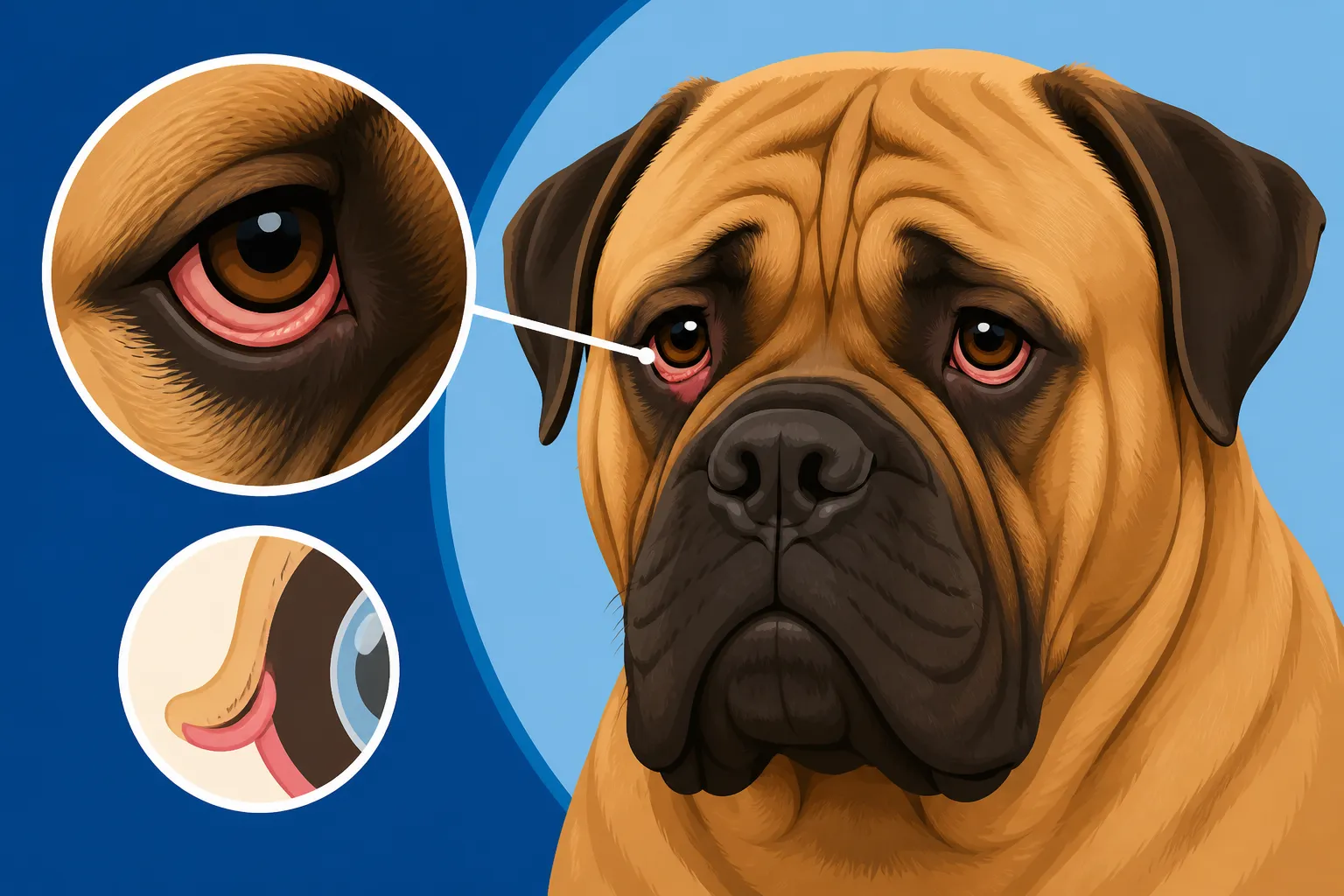
At its simplest, entropion is when a portion of your dog’s eyelid, usually the lower one, rolls inward towards the eyeball. This causes the eyelashes and surrounding hair to constantly rub against the sensitive surface of the cornea (the clear outer layer of the eye) and the conjunctiva (the lining of the eyelids). Imagine having an eyelash constantly poking your eye – now imagine it's an entire row of them, or even coarse facial hair. It’s incredibly uncomfortable and painful for your dog. This isn't just a minor annoyance; the constant friction can lead to chronic inflammation, ulceration, and even impaired vision over time. The condition can affect one eye or both, and can involve the upper eyelid, lower eyelid, or both on a single eye, though the lower lid is most commonly affected in Bullmastiffs due to their facial structure.
Why Bullmastiffs Are Prone to It
The breed's distinct facial features, which we so adore, are unfortunately a major contributing factor to why Bullmastiffs often develop entropion. Their broad heads, prominent brows, and deep-set eyes, combined with varying degrees of loose skin around the face, all play a role. The way their skin drapes and the structure of their eyelids can easily encourage that inward rolling. It’s largely a hereditary condition, meaning it’s passed down through generations. If a Bullmastiff’s parents or grandparents had entropion, the puppy is at a higher risk. This genetic predisposition means that even well-bred Bullmastiffs from otherwise healthy lines can sometimes develop it, making it a frustrating challenge for owners and breeders alike. This is one of those health concerns that good breeders screen for and will discuss openly with prospective puppy buyers, highlighting the importance of understanding What a Bullmastiff Breeder Should Have Screened.
Identifying the Signs of Entropion
Catching entropion early is key to preventing prolonged discomfort and more severe eye damage. Sometimes the signs can be subtle, especially in a stoic Bullmastiff who might try to hide their pain, but persistent observation can help you notice when something isn't quite right.
Subtle Clues and Early Symptoms
The earliest signs of entropion might not be glaringly obvious. You might notice your Bullmastiff blinking more frequently than usual, almost as if trying to dislodge something from their eye. There might be a slight increase in tearing, or epiphora, where tears spill over the eyelid onto the face. The tears might even appear thicker or cloudy due to irritation. You might also observe them rubbing their face against furniture or pawing at their eyes. Sometimes, one eye might just look a little more "squinty" or half-closed than the other, especially when they're relaxed. Keep an eye out for any mild redness along the eyelid margins or the white of the eye. These are often the first whispers of trouble. It's important to remember that these symptoms can sometimes overlap with other eye conditions, so a vet visit is always warranted.
Advanced Signs and Complications
If entropion progresses without intervention, the symptoms become much more pronounced and painful. The constant rubbing of hair on the cornea can lead to corneal ulcers, which are open sores on the surface of the eye. These are incredibly painful and can lead to significant vision impairment or even loss if they become deep or infected. You'll likely see persistent, heavy tearing, significant redness and inflammation of the conjunctiva (the pink tissues inside the eyelids and around the eye), and your Bullmastiff might keep the affected eye almost completely shut. They might become head-shy, avoiding touch around their face, or show signs of increased lethargy due to chronic discomfort. In some severe cases, blood vessels might start to grow over the cornea in an attempt to heal the constant damage, a condition known as corneal vascularization, which can further obscure vision. Recognizing Whether a Bullmastiff's Eyelids Roll Inward is crucial here, as is understanding the visual cues that indicate a serious issue.
Diagnosis and Severity Assessment
Once you suspect entropion, a trip to your veterinarian is the next crucial step. They have the tools and expertise to accurately diagnose the condition and assess its severity, guiding you toward the best course of action for your Bullmastiff.
The Veterinary Examination
Your vet will start with a thorough physical and ophthalmic examination. They’ll carefully examine your Bullmastiff’s eyelids, looking for the characteristic inward rolling. This might involve gently manipulating the eyelids to confirm the diagnosis and determine which part of the lid is affected – upper, lower, or both. They will also assess the overall health of the eye, looking for signs of irritation, inflammation, or damage to the cornea. This often includes a fluorescein stain test, where an orange dye is applied to the eye. If there's an ulcer or abrasion on the cornea, the dye will stick to it and glow green under a special light, making any damage readily visible. This simple test is vital for determining the extent of corneal involvement and guiding treatment decisions. While your Bullmastiff is getting a thorough check-up, it’s a good time to ensure they’re also up-to-date on their How Often a Bullmastiff Needs a Wellness Exam schedule.
Grading the Condition
Entropion isn't a one-size-fits-all condition; its severity can vary significantly. Vets often grade the condition based on how much of the eyelid is rolling inward, how severe the resulting corneal irritation or damage is, and whether it’s affecting one or both eyes. Mild cases might involve just a small segment of the eyelid and minimal irritation, while severe cases can involve the entire lid margin and significant corneal ulceration. The vet will consider factors such as the dog's age, as puppies sometimes experience a temporary form of entropion that might resolve as they grow. However, in most adult Bullmastiffs, especially with moderate to severe symptoms, the condition is unlikely to improve on its own. The grading helps determine if conservative management is an option or if surgical intervention is immediately necessary.
Treatment Options for Entropion
The treatment approach for entropion depends heavily on the severity of the condition, your Bullmastiff's age, and the extent of any corneal damage. From temporary relief to permanent correction, there are several avenues to explore with your vet.
Non-Surgical Approaches
For very mild cases, or in young Bullmastiff puppies where the eyelid might correct itself as they grow, your vet might suggest non-surgical interventions. These are generally aimed at providing temporary relief and protecting the eye until a more permanent solution can be found or until the puppy matures. One common approach for puppies involves placing temporary eyelid tacks or sutures to evert the eyelid and hold it in the correct position. These sutures are usually left in for a few weeks to allow the surrounding tissues to tighten as the puppy grows, and they often dissolve or are removed. Lubricating eye drops or ointments can help reduce friction and keep the eye moist, while antibiotic drops might be prescribed if there's any infection. Anti-inflammatory medications, either topical or oral, can also help reduce swelling and discomfort. It's a bit like putting a temporary band-aid on the problem, but it can buy crucial time, particularly for growing puppies.
Surgical Correction for Lasting Relief
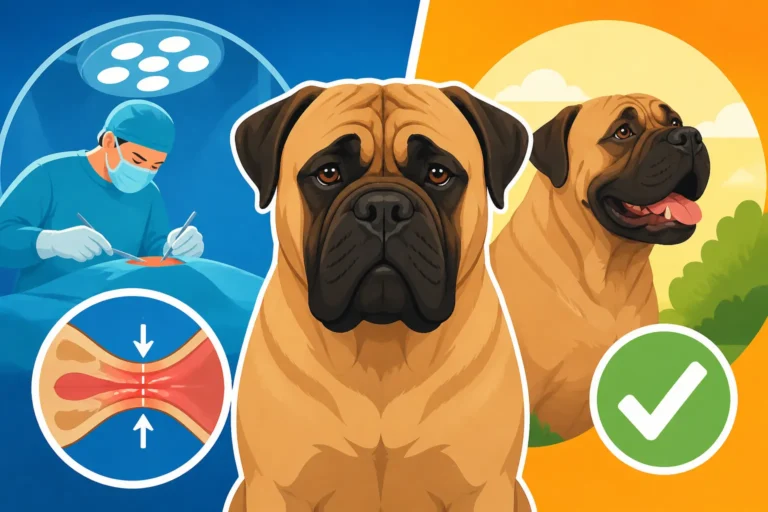
For most adult Bullmastiffs with persistent or severe entropion, surgical correction is the most effective and often the only permanent solution. The goal of surgery is to remove a small, crescent-shaped piece of skin and muscle from the eyelid, allowing the eyelid margin to roll outward into its normal position. This procedure, often called a Hotz-Celsus technique, is delicate and requires a skilled veterinary surgeon, ideally one with experience in ophthalmic surgery. In some cases, multiple procedures might be needed, especially if the initial correction isn't quite enough, or if the entropion is complex. The cost of entropion surgery can be significant, and this is where having pet insurance like Healthy Paws can be a tremendous help, covering a substantial portion of the veterinary bill and allowing you to focus on your Bullmastiff’s recovery rather than financial strain. Understanding What Entropion Surgery Costs on a Bullmastiff will prepare you for the financial commitment involved.
Post-Surgery Care and Prognosis
Deciding on surgery for your Bullmastiff is a big step, and the journey doesn't end when they wake up from anesthesia. Proper post-operative care is critical for a successful recovery and to ensure the best possible long-term outcome.
Managing Recovery at Home
After surgery, your Bullmastiff will need careful attention during their recovery period, which typically lasts for about two weeks. They will likely come home with an Elizabethan collar (the "cone of shame") to prevent them from rubbing or pawing at their incision sites, which could rip sutures or introduce infection. Administering prescribed eye drops or ointments, often antibiotics and anti-inflammatories, will be crucial. This can be tricky with a big, strong Bullmastiff, so be prepared to gently but firmly handle their head. You'll need to keep the surgical site clean and dry, watching for any signs of infection like excessive swelling, redness, discharge, or foul odor. Restricting their activity, avoiding rough play, and preventing them from getting dirty or dusty are also important. Follow your vet's instructions precisely, and don't hesitate to call them with any concerns. It's a demanding time, but your Bullmastiff is depending on you for a smooth healing process. For many owners, the stress of this recovery period is eased by knowing that their pet insurance, like Healthy Paws, helps cover follow-up visits and medications, ensuring comprehensive care.
Long-Term Outlook
The prognosis for Bullmastiffs undergoing surgical correction for entropion is generally excellent, especially when performed by an experienced veterinary ophthalmologist. Most dogs experience significant relief from pain and irritation, and their vision improves dramatically once the eyelashes are no longer rubbing the eye. While a single surgery is usually sufficient, occasionally a second, minor "touch-up" procedure might be necessary if some degree of entropion recurs or wasn't fully corrected initially. This is particularly true for breeds with a lot of facial skin or complex eyelid conformations. Regular follow-up appointments with your vet will be important to monitor the healing process and ensure the long-term success of the surgery. With proper care and successful surgery, your Bullmastiff can go back to enjoying a comfortable, clear view of the world around them, free from constant eye irritation.
Prevention and Responsible Breeding
Given the hereditary nature of entropion, prevention through responsible breeding practices is the most powerful tool we have in reducing its incidence in Bullmastiffs. For current owners, understanding genetic risks is also paramount.
The Role of Genetics
Entropion is not something a Bullmastiff "catches" like a cold; it's an inherited structural defect. This means that dogs with entropion should ideally not be bred, as they are likely to pass on the predisposition to their offspring. Responsible breeders understand this and meticulously screen their breeding stock for ophthalmic conditions, including entropion. They should be transparent about the health history of their dogs and their lines, including any incidence of entropion. If you're considering a Bullmastiff puppy, inquire about the eye health of the parents and their lineage. Ask for ophthalmic examination results from a board-certified veterinary ophthalmologist. While a puppy might not show signs of entropion immediately, a history of the condition in the parents or grandparents increases the risk. A reputable breeder will also be keen to get updates on the health of their puppies, including if entropion develops, to inform their future breeding decisions.
What Breeders Should Consider
Responsible Bullmastiff breeders play a vital role in minimizing the prevalence of entropion. Beyond just visual inspection, which can miss subtle cases or dogs who haven't yet fully developed the condition, breeders should have their breeding dogs undergo regular eye examinations by a certified veterinary ophthalmologist. These exams, often performed by veterinary specialists through organizations like the Orthopedic Foundation for Animals (OFA) or the Canine Eye Registration Foundation (CERF, now part of OFA's Eye Certification Registry), can identify not only entropion but other inherited eye diseases. Breeders should prioritize dogs with good eyelid conformation and no history of entropion in their immediate family. It's a commitment to the long-term health of the breed. By making informed breeding choices, breeders can contribute to producing healthy, comfortable Bullmastiffs and reduce the heartache and expense that entropion can bring to future owners. When speaking with breeders, don't shy away from asking Which Health Tests a Bullmastiff Breeder Should Run.
| Entropion Severity Grade | Description | Common Symptoms | Typical Treatment Approach |
|---|---|---|---|
| Mild | Small segment of eyelid rolls inward; minimal corneal contact. | Intermittent blinking, mild tearing, occasional pawing. | Lubricating drops, temporary tacks (especially in puppies), observation. |
| Moderate | Significant portion of eyelid rolls inward; consistent corneal contact. | Persistent squinting, moderate tearing, redness, early corneal changes. | Often requires surgical correction; topical medications for symptom management before surgery. |
| Severe | Entire eyelid rolls inward; pronounced corneal irritation and damage. | Eye held shut, heavy discharge, significant redness, corneal ulcers. | Urgent surgical correction is usually necessary; intensive post-operative care for corneal healing. |
Related Eye and Facial Care Concerns
While focusing on entropion, it's worth remembering that Bullmastiffs can be prone to other issues related to their facial structure. For instance, sometimes their prominent jowls and deep lip folds can trap moisture and debris, leading to infections or unpleasant odors, a topic explored in Why a Bullmastiff's Lip Folds Smell. Just as with entropion, diligent daily care and prompt veterinary attention are key to managing these unique breed traits. Moreover, understanding the financial side of potential health issues is always wise; general costs for specialist visits, like those for an ophthalmologist, can add up, similar to What an Echocardiogram Costs on a Bullmastiff if cardiac issues are being investigated. Having a comprehensive pet insurance plan, such as those offered by Healthy Paws, can provide invaluable financial support for a range of unexpected veterinary expenses, giving you peace of mind.
Disclaimer
The information provided in this article is for educational purposes only and is not a substitute for professional veterinary advice. Always consult with a qualified veterinarian regarding any health concerns or before making any decisions about your Bullmastiff's care.