What a Cardiac Exam Costs for a Bullmastiff
The sinking feeling in your stomach when your veterinarian recommends a cardiac exam for your magnificent Bullmastiff is something no pet parent ever wants to experience. Beyond the immediate worry for your gentle giant's health, there's the inevitable question that looms large: "What is this going to cost me?" It’s a completely valid concern, and navigating the potential expenses can feel overwhelming. This guide is here to shed light on what a cardiac exam for your Bullmastiff entails, what factors drive the cost, and how you can financially prepare for what might come.
Understanding Why a Bullmastiff Needs a Cardiac Exam
It's heartbreaking to think our beloved Bullmastiffs, with their powerful build and devoted nature, might be predisposed to certain health issues. But understanding these breed-specific risks is the first step in providing them with the best possible care, and heart conditions are definitely on that list for Bullmastiffs.
The Elevated Risk of Heart Conditions in Bullmastiffs
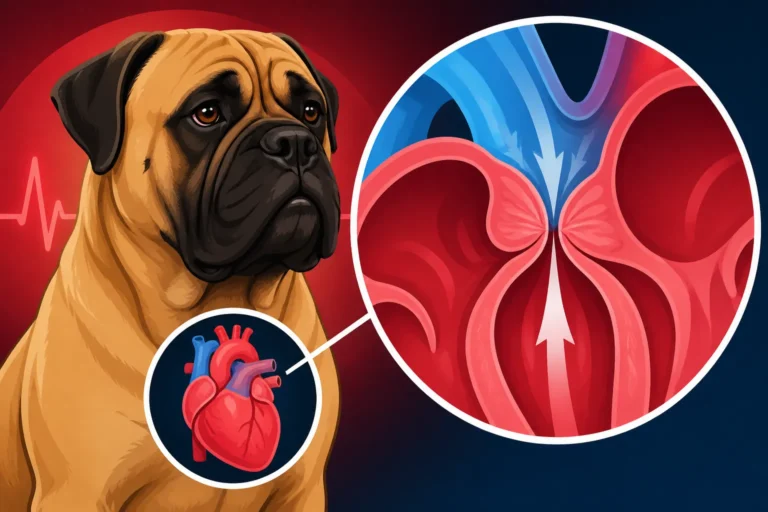
Bullmastiffs, like many large and giant breeds, are unfortunately prone to a few specific heart conditions, with subaortic stenosis (SAS) being one of the most significant. This condition involves a narrowing of the outflow tract from the left ventricle, the heart's main pumping chamber, which makes the heart work harder to push blood to the body. It’s a silent, insidious problem that often goes unnoticed in its early stages but can severely impact a dog's quality of life and lifespan. The genetic component of SAS is well-documented within the breed, which is why a thorough cardiac screening is so crucial, even in seemingly healthy puppies. Responsible breeders are diligent about this, ensuring they've had a professional evaluation to minimize the risk in their lines, a process often detailed in discussions about What a Bullmastiff Breeder Should Have Screened It’s not just about a healthy puppy today; it’s about a healthy future.
When a Cardiac Exam Becomes Necessary
Cardiac exams aren't just for when you suspect a problem. They play a vital role at several key stages in a Bullmastiff's life. For puppies, especially those from breeding programs, a cardiac exam is part of routine health screening, typically performed by a veterinary cardiologist to detect subtle murmurs that a general vet might miss. This is often referred to as Why a Bullmastiff Puppy Needs a Cardiac Exam Early detection of a heart murmur, even if it seems benign at first, can trigger further investigation, which might reveal underlying issues like SAS.
Beyond puppyhood, a cardiac exam becomes necessary if your Bullmastiff starts showing any signs of potential heart trouble. These can be vague at first: a bit more tired than usual after a walk, a soft cough, reluctance to exercise, or even fainting spells. Sometimes, your regular vet might detect a new heart murmur during a routine check-up, prompting the recommendation for a specialist cardiac exam. Even before a routine procedure requiring anesthesia, such as a dental cleaning or spay/neuter, your vet might recommend a cardiac workup to ensure your dog's heart is healthy enough to handle the stress of anesthesia. Understanding Signs a Bullmastiff Has a Heart Murmur can help you be proactive in noticing these subtle indicators.
Breaking Down the Costs of a Bullmastiff Cardiac Exam
When your vet suggests a cardiac exam, it's not a single test, but often a series of diagnostic steps. Each step contributes to the overall cost, and understanding what each one involves can help you prepare.
Initial Veterinary Consultation and Auscultation
The journey typically begins with a visit to your primary care veterinarian. During this appointment, the vet will perform a comprehensive physical examination, which includes listening to your Bullmastiff's heart and lungs with a stethoscope. This process, known as auscultation, is how heart murmurs are first detected. A murmur is essentially an abnormal sound caused by turbulent blood flow. While not all murmurs indicate serious heart disease – some are "innocent" or physiological – any murmur in a Bullmastiff warrants further investigation given the breed's predispositions.
A standard veterinary consultation, including this initial auscultation, generally falls within the range of $60 to $150, depending on your location and the specific clinic. If a murmur is detected, your vet will discuss their findings and likely recommend a referral to a board-certified veterinary cardiologist for more advanced diagnostics. This initial visit is a crucial first step, setting the stage for what comes next and initiating the investigation into your Bullmastiff's heart health.
The Echocardiogram: The Gold Standard
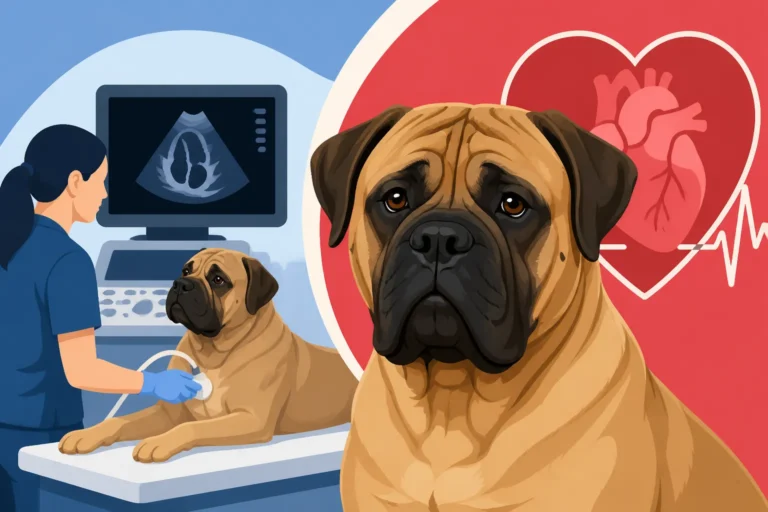
If your vet suspects a heart condition, or if you're proactively screening your Bullmastiff (especially if they're a breeding animal or you're concerned about What Subaortic Stenosis Does to a Bullmastiff), the next step is usually an echocardiogram. This is essentially an ultrasound of the heart and is considered the "gold standard" for diagnosing most cardiac diseases. An echocardiogram allows the cardiologist to visualize the heart's structure in real-time: its chambers, valves, and the great vessels. They can measure the thickness of the heart walls, assess the function of the valves, observe blood flow patterns, and detect any abnormalities like the narrowing associated with subaortic stenosis.
Because it requires specialized equipment and expert interpretation by a veterinary cardiologist, an echocardiogram is often the most significant expense in a cardiac workup. The cost for an echocardiogram can vary widely, typically ranging from $400 to $1,000, or even more in highly specialized urban centers or university veterinary hospitals. This price usually includes the cardiologist's time for performing and interpreting the scan, as well as a consultation to discuss the findings. For a large breed like a Bullmastiff, sometimes a mild sedative is required to ensure they lie still enough for accurate imaging, which can add to the cost. If you have pet insurance like Healthy Paws, make sure you understand your policy's coverage for specialist consultations and advanced diagnostics like this. Knowing What an Echocardiogram Costs on a Bullmastiff specifically can help you budget better.
Additional Diagnostic Tests and Their Expenses
While an echocardiogram provides incredible detail about the heart's structure and function, other tests might be necessary to get a complete picture, depending on the initial findings or the specific symptoms your Bullmastiff is exhibiting.
- Electrocardiogram (ECG): An ECG measures the electrical activity of the heart. It's used to detect arrhythmias (irregular heartbeats) or other electrical abnormalities. This test is non-invasive and relatively quick. The cost for an ECG generally ranges from $50 to $150. It's often performed in conjunction with an echocardiogram, or as a standalone test if an arrhythmia is suspected.
- Chest X-rays: Radiographs (X-rays) of the chest can provide valuable information about the overall size and shape of the heart, as well as checking for fluid accumulation in the lungs (pulmonary edema), which can be a sign of congestive heart failure. They can also help rule out other conditions that might mimic heart disease, such as lung problems. A set of chest X-rays typically costs between $100 and $250. Again, for a large dog, multiple views might be taken, and sometimes a mild sedative might be needed to get clear images.
- Blood Tests: Before any sedation or anesthesia, or to assess overall health and organ function, blood tests are usually recommended. These might include a complete blood count (CBC) and a biochemistry profile. While not directly diagnosing heart disease, they provide crucial information about other body systems that could be affected by heart issues or impact treatment decisions. These tests usually range from $150 to $300. Specific cardiac biomarkers, like NT-proBNP, which indicate heart stress or failure, might also be run, adding another $100-$200.
Combining these tests, especially if a full workup is required, can quickly add up. A comprehensive cardiac screening, including the initial vet visit, echocardiogram, ECG, and X-rays, could easily reach $800 to $1,500 or more.
Factors Influencing the Final Bill
The cost of a cardiac exam for your Bullmastiff isn't a fixed number. Several variables can cause significant fluctuations, and understanding these can help you anticipate the potential expense.
Location and Type of Veterinary Practice
Just like human healthcare, veterinary costs can vary considerably based on geographical location. Veterinary clinics in large metropolitan areas or regions with a higher cost of living, such as New York City, Los Angeles, or parts of Florida, typically have higher fees than those in rural areas or smaller towns. The overhead for staff, rent, and specialized equipment is simply higher in these places.
Furthermore, the type of veterinary practice you visit makes a difference. A general practitioner might offer a basic auscultation and perhaps even an ECG, but for a full echocardiogram and expert interpretation, you'll likely be referred to a specialty veterinary cardiology clinic or a large university veterinary teaching hospital. These specialist facilities employ board-certified veterinary cardiologists who have extensive training and experience in diagnosing and treating heart conditions. Their advanced expertise and state-of-the-art equipment naturally come with a higher price tag compared to a general practice. This is part of What a Bullmastiff's Cardiac Screening Costs if you're going for the full, recommended workup.
The Complexity of the Case and Follow-Up Care
The initial findings of a cardiac exam can dictate how complex and, therefore, how expensive the overall care becomes. If the echocardiogram reveals a clear, straightforward case of mild subaortic stenosis with no immediate complications, the follow-up might be limited to annual rechecks and perhaps a medication plan. However, if a more severe condition is diagnosed, or if there are complications like congestive heart failure, the diagnostic process might extend to more intricate tests, and the treatment plan will be more intensive.
This could include more frequent follow-up echocardiograms, specialized medications, or even discussions about interventional procedures, although surgery for SAS is not always straightforward or widely available for dogs. The need for ongoing medication, which for a large Bullmastiff can be quite costly due to dosage requirements, also adds to the long-term financial commitment. For example, if a severe arrhythmia is found, your Bullmastiff might need long-term anti-arrhythmic drugs, and the cost of these medications over months or years can be substantial. This highlights the importance of regular veterinary care to monitor progression, as discussed in Whether a Bullmastiff's Heart Should Be Rechecked Yearly.
Anesthesia and Sedation Requirements
For a large, sometimes stoic, and certainly powerful breed like a Bullmastiff, sedation or even light anesthesia is often necessary to obtain accurate diagnostic images during an echocardiogram or precise positioning for X-rays. It's not uncommon for Bullmastiffs to be less cooperative on a table than smaller, more easily handled dogs, and getting perfectly still images of a rapidly beating heart can be challenging.
The cost of sedation or anesthesia is not trivial. It includes the drugs themselves, the time of the veterinary staff to administer and monitor your dog (including blood pressure, heart rate, and oxygen saturation), and the recovery period. For Bullmastiffs, due to their size, the dosage of anesthetic agents will be higher than for a small dog, naturally increasing the cost. Anesthesia protocols for dogs with suspected heart conditions are also typically more involved and require more intensive monitoring, adding another layer of expense. This component alone can add $150 to $500 or more to the bill, depending on the duration and complexity.
Managing the Financial Impact of Bullmastiff Cardiac Care
Facing potentially high veterinary bills for your beloved Bullmastiff can be incredibly stressful. Thankfully, there are proactive steps and resources available to help you manage the financial burden.
Pet Insurance and What It Covers
One of the most effective ways to mitigate the financial shock of unexpected veterinary costs, especially for conditions prevalent in breeds like Bullmastiffs, is to invest in pet insurance. Companies like Healthy Paws offer comprehensive plans that can cover a significant portion of eligible veterinary expenses, including diagnostic tests, specialist consultations, medications, and even emergency care. However, it's crucial to understand how pet insurance works. Most policies have a waiting period before coverage begins, and importantly, they generally do not cover pre-existing conditions. This means if your Bullmastiff is diagnosed with a heart murmur or subaortic stenosis before you enroll or during the waiting period, future treatment for that specific condition might be excluded.
This is why getting pet insurance when your Bullmastiff is a young, healthy puppy is highly recommended. For a breed with a higher incidence of conditions like SAS, having a policy in place before any symptoms appear can be a financial lifesaver. You’ll typically pay a monthly premium, and once you meet your annual deductible, the insurance company will reimburse you for a percentage (e.g., 70-90%) of covered costs. Make sure to compare different plans, understand their reimbursement rates, annual limits, and what is considered a "pre-existing condition" in their terms. The potential costs of chemotherapy or long-term medication for other conditions, such as outlined in Whether Insurance Covers a Bullmastiff's Chemotherapy, also make insurance a wise consideration for this breed's generally shorter lifespan and higher health risks.
Budgeting and Financial Planning
Even with pet insurance, you'll still be responsible for deductibles and co-payments, and for any treatments not covered. Therefore, having a dedicated emergency fund for your Bullmastiff's health needs is a smart move. Many financial experts recommend having at least $1,000 to $5,000 readily accessible for pet emergencies. This can make the difference between approving necessary diagnostics and treatment immediately and having to make agonizing financial decisions under duress.
When faced with a recommended cardiac exam, don't hesitate to ask your veterinary clinic for a detailed estimate of all potential costs. Ask about different diagnostic pathways and their associated expenses. Some clinics offer payment plans, or you might explore third-party financing options like CareCredit, which works like a credit card specifically for healthcare expenses, often with deferred interest options. Being open with your vet about your financial concerns can also lead to discussions about prioritizing tests or exploring less costly alternatives where appropriate, without compromising your Bullmastiff's care. Remember, Why a Bullmastiff's Bills Come Early is often due to these breed-specific health issues, making early financial planning crucial.
Proactive Steps to Minimize Risk and Costs
While some health issues are unavoidable, you can take proactive steps to minimize certain risks and potentially reduce long-term veterinary costs.
- Choose a Reputable Breeder: This cannot be stressed enough, especially for a breed like the Bullmastiff. A responsible breeder will conduct thorough health screenings on their breeding dogs, including OFA or PennHIP certifications for hips and elbows, and cardiac evaluations by a board-certified cardiologist. They should be transparent about the health history of their lines and provide documentation for these screenings. This significantly reduces the likelihood of inheriting severe conditions like subaortic stenosis. Always ask about the results of these tests and research Which Health Tests a Bullmastiff Breeder Should Run.
- Regular Veterinary Check-ups: Consistent annual (or bi-annual for seniors) wellness exams allow your primary vet to catch subtle changes or new murmurs early, before a condition progresses and becomes more complex and expensive to treat. Regular check-ups are also where vaccines are updated, parasite prevention is discussed, and overall health is assessed.
- Maintain a Healthy Weight: Obesity exacerbates many health conditions, including heart disease. Keeping your Bullmastiff at a healthy, lean weight reduces strain on their heart and joints, potentially delaying the onset or worsening of conditions. Regular exercise appropriate for their age and breed, combined with a balanced diet, is key. Information on Keeping a Bullmastiff Lean Is the Best Thing You Can Do emphasizes the profound impact weight management has on their overall health and longevity. A leaner Bullmastiff is a healthier Bullmastiff, potentially saving you from future, preventable vet bills.
By being informed, proactive, and financially prepared, you can navigate the complexities of Bullmastiff cardiac care with greater confidence, ensuring your loyal companion receives the best possible attention for a healthy and happy life, even if their The Median Bullmastiff Lives Eight and a Half Years means every year is precious.
Typical Costs for Bullmastiff Cardiac Diagnostics
To give you a clearer picture, here's a general breakdown of common cardiac diagnostic costs for a Bullmastiff. Please remember these are estimates and can vary by location and clinic.
| Diagnostic Test | What it Involves | Estimated Cost Range (USD) |
|---|---|---|
| Initial Vet Consultation | Physical exam, auscultation (listening to heart) | $60 – $150 |
| Echocardiogram | Ultrasound of the heart, performed by a specialist | $400 – $1,000+ |
| Electrocardiogram (ECG) | Measures electrical activity of the heart | $50 – $150 |
| Chest X-rays | Radiographs of the chest to assess heart size and lung fluid | $100 – $250 |
| Blood Tests | CBC, chemistry panel, potentially cardiac biomarkers | $150 – $400 |
| Sedation/Anesthesia | For proper positioning during echo/X-rays (if needed) | $150 – $500 |
| Total for Full Workup | Combined estimate, varies based on individual tests needed | $800 – $2,500+ |
It's important to note that these costs typically do not include any long-term medication or follow-up appointments, which would be additional expenses.
Disclaimer
The information provided in this article is for general informational purposes only and is not intended as a substitute for professional veterinary advice. Always consult with your veterinarian or a qualified animal health professional for any questions or concerns about your Bullmastiff's health and treatment options. Costs mentioned are estimates and can vary significantly based on location, veterinary practice, and individual patient needs.