Why a Bullmastiff Litter Should Be Screened
Bringing a new Bullmastiff puppy into your home is an incredibly exciting time, full of dreams about long walks, lazy snuggles on the couch, and years of unwavering companionship. However, that joy can quickly turn to profound worry and heartache when an inherited health issue rears its head, often leaving families scrambling to understand what went wrong. Many of these devastating conditions, sadly common in the Bullmastiff breed, could potentially be identified or mitigated through diligent screening of the entire litter. This comprehensive guide will explain why thoroughly screening a Bullmastiff litter is a non-negotiable step for responsible breeders and prospective owners, protecting both the puppies' future health and your emotional and financial well-being.
The Hidden Risks in Bullmastiff Genetics
It's a tough truth to face, but Bullmastiffs, like many purebred dogs, are predisposed to certain genetic health conditions. These aren't always immediately obvious in a tiny, playful puppy, but they can dramatically impact their quality of life, lifespan, and your veterinary bills down the road. The sheer size and rapid growth of a Bullmastiff also add an extra layer of complexity to their health considerations.
Understanding Inherited Conditions
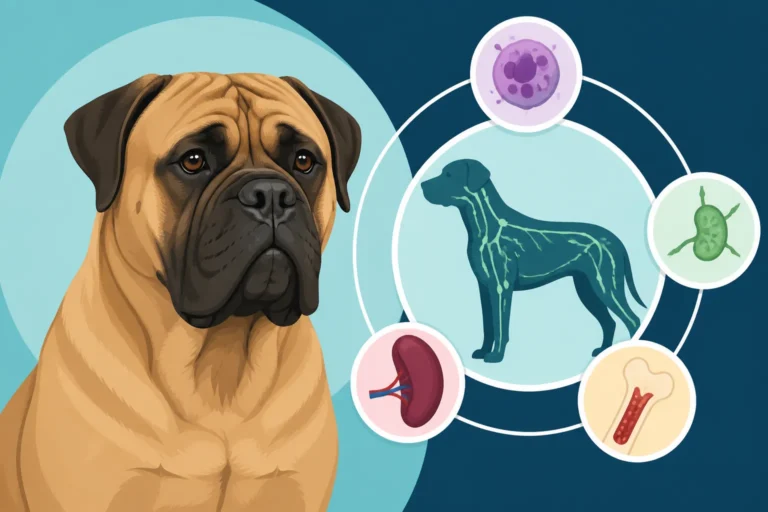
When we talk about inherited conditions, we're referring to health problems that are passed down from a dog's parents through their genes. It's not about blaming any particular dog or breeder; rather, it's about understanding the genetic lottery and working to improve the odds. For Bullmastiffs, this often means navigating potential issues with their hearts, joints, and sometimes even their immune systems. These aren't just minor inconveniences; they can be life-altering or even life-threatening conditions. Without proper screening, a litter can unknowingly carry the genetic blueprint for future illness, affecting not just the puppies themselves but potentially entire future generations if they go on to breed. It's a heavy responsibility that lies with both the breeders to test their stock and the buyers to insist on those tests.
Specific Health Concerns for Bullmastiffs
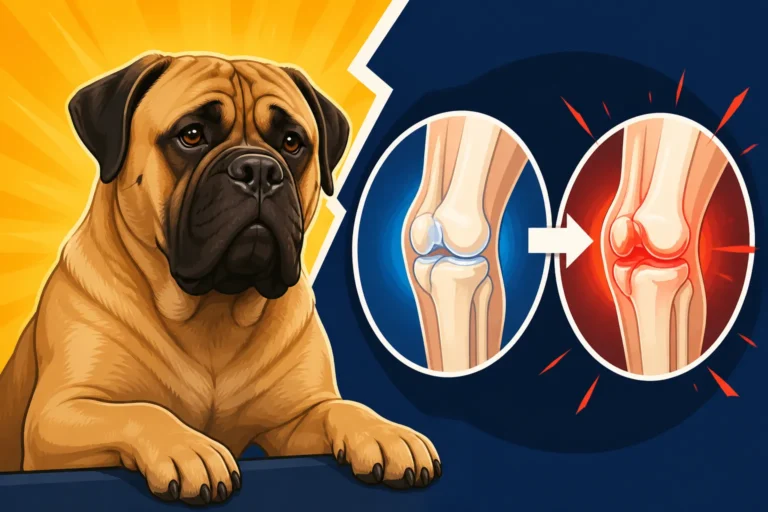
One of the most concerning inherited conditions in Bullmastiffs is subaortic stenosis (SAS), a heart defect that can be present from birth. You can learn more about how Subaortic Stenosis Is There Before a Bullmastiff's First Birthday and What Subaortic Stenosis Does to a Bullmastiff. This condition causes a narrowing of the outflow tract from the left ventricle of the heart, forcing the heart to work harder to pump blood to the body. Often, affected puppies show no outward signs until the condition is severe, leading to sudden collapse or even death at a young age. Another major hurdle for large breeds like the Bullmastiff involves their joints. Hip and elbow dysplasia are unfortunately prevalent. These conditions involve malformation of the hip or elbow joints, leading to arthritis, pain, and lameness as the dog ages. Owners often find themselves facing expensive surgeries and lifelong pain management for these conditions, which could have been identified or minimized through careful breeding and screening practices.
What Screening a Bullmastiff Litter Truly Means
Screening a Bullmastiff litter goes far beyond a basic vet check-up. It involves specific diagnostic tests performed by specialists to identify inherited conditions as early as possible. This proactive approach allows breeders to make informed decisions about their breeding program and ensures that potential puppy owners are aware of any risks. It's about transparency and giving these magnificent dogs the best possible start in life.
Importance of Early Cardiac Screening
For Bullmastiff puppies, early cardiac screening is paramount, primarily due to the risk of subaortic stenosis. It is precisely Why a Bullmastiff Puppy Needs a Cardiac Exam. A board-certified veterinary cardiologist will perform an echocardiogram on each puppy in the litter, typically between 8 to 12 weeks of age. This specialized ultrasound of the heart allows the cardiologist to visualize the heart's structure and function, specifically looking for the tell-tale narrowing associated with SAS. Even seemingly healthy puppies can harbor this silent killer, making the expertise of a cardiologist indispensable. A murmur might be detected during a regular vet check, but only an echocardiogram can truly assess the severity and type of cardiac anomaly. The results help classify puppies into clear, equivocal, or affected categories, providing critical information to both the breeder and future owners. Understanding How Subaortic Stenosis Is Inherited in Bullmastiffs further underscores the necessity of this screening.
Why OFA and PennHIP Evaluations Matter
While hip and elbow evaluations are typically performed on adult dogs before breeding, the genetic predisposition means that knowing the lineage is crucial for a litter. The Orthopedic Foundation for Animals (OFA) and PennHIP are two widely recognized methods for evaluating hip and elbow health. OFA provides evaluations for hip and elbow dysplasia, giving a rating based on radiographic images. PennHIP, on the other hand, measures hip laxity, providing a quantitative score that can predict the likelihood of developing hip dysplasia. Though these specific certifications are for adult breeding dogs, a reputable breeder will always share the OFA or PennHIP scores of the sire and dam of the litter. This information is vital because it indicates the genetic likelihood that the puppies might inherit good joint structure. Prospective owners should always ask to see these health clearances for the parents as part of understanding the potential health of their puppy's joints. It's not just about the parents; it's about making sure the whole family line has been scrutinized.
Beyond the Physical: Other Critical Assessments
Beyond heart and joint health, a comprehensive screening process might also involve general veterinary assessments for overall wellness. This includes ensuring all puppies are thriving, gaining weight appropriately, and showing no signs of common puppy ailments. A thorough physical exam should cover everything from vision and hearing to proper bite alignment and the absence of umbilical hernias. While less common, some breeders also utilize genetic tests for other conditions known to affect the breed, like certain eye conditions or neurological disorders, if DNA markers are available. Furthermore, a good breeder also considers the temperament of the individual puppies within the litter. While not a medical screening, observing how puppies interact with their littermates, respond to human handling, and react to new stimuli offers insights into their burgeoning personalities and helps match them to the right homes.
The Breeder's Role in a Puppy's Future Health
The responsibility for screening a Bullmastiff litter falls squarely on the shoulders of the breeder. A truly ethical and dedicated breeder understands that their commitment extends far beyond simply producing puppies; it’s about safeguarding the health and future of the breed itself. Their choices and practices directly influence the well-being of every puppy they bring into the world.
Choosing a Reputable Breeder
This is perhaps the most crucial decision a prospective Bullmastiff owner will make. A reputable breeder is transparent, knowledgeable, and prioritizes health above all else. They won't shy away from discussing potential health issues in the breed or in their specific lines. When searching for your new family member, you should absolutely ask Which Health Tests a Bullmastiff Breeder Should Run and What a Bullmastiff Breeder Should Have Screened. They should be eager to share official certifications for cardiac evaluations, OFA/PennHIP clearances for hips and elbows, and any other relevant genetic test results for both parents. Don't be afraid to ask for copies of these documents; a good breeder will have them readily available and understand your desire for due diligence. They’ll also allow you to visit their facility, meet the dam (and ideally the sire), and observe the litter in a clean, stimulating environment. A breeder who avoids these conversations or seems secretive is a major red flag, potentially signaling that they are not performing necessary health screenings.
The Impact of Parentage on Litter Health
The health of a Bullmastiff litter is a direct reflection of its parents. If the sire and dam have not been adequately screened for genetic conditions, then there is a significantly higher risk that their offspring will inherit those same issues. This is particularly true for conditions like SAS and hip/elbow dysplasia, where specific genetic predispositions are known. Responsible breeders meticulously research pedigrees, not just for show titles but for health longevity and absence of inherited diseases in the ancestral lines. They strive to breed dogs that have clear health clearances, thereby reducing the chances of passing on debilitating conditions to the next generation. They're trying to stack the genetic deck in favor of healthy puppies, acknowledging that even with the best intentions and most thorough screening, nature can still throw curveballs, but their efforts significantly mitigate risk.
How Genetic Testing Informs Breeding Decisions
Modern advancements in veterinary medicine have provided breeders with more tools than ever to make informed decisions. Beyond physical screenings like echocardiograms and X-rays, genetic testing (DNA tests) can identify carriers for certain diseases even if the dog itself doesn't show symptoms. For Bullmastiffs, while comprehensive genetic panels for all breed-specific issues are still evolving, breeders are increasingly using available tests to screen for conditions where genetic markers have been identified. For example, knowing if a potential breeding dog is a carrier for a recessive gene can help a breeder avoid pairing it with another carrier, thus preventing any puppies from developing the full-blown disease. These tests empower breeders to make truly educated choices, further safeguarding the health of their future litters and contributing positively to the overall health of the Bullmastiff breed.
The Long-Term Benefits for Owners and Dogs
While the initial focus of screening a Bullmastiff litter is on the immediate health of the puppies, the ripple effects extend far into the future, benefiting both the individual dog and their human family. The decision to invest in a puppy from a screened litter is an investment in years of companionship and peace of mind.
Reducing the Heartache of Early Disease
There is perhaps no greater heartbreak for a dog owner than watching a young, beloved pet suffer from a debilitating or fatal illness that could have been avoided. Early-onset diseases like severe subaortic stenosis or crippling hip dysplasia don't just cause physical pain for the dog; they inflict immense emotional distress on their human companions. The emotional toll of nursing a sick puppy, making difficult medical decisions, and potentially facing premature loss is immeasurable. By ensuring a litter is thoroughly screened, prospective owners significantly reduce the chances of experiencing this profound heartache. It means bringing home a puppy with a higher probability of enjoying a healthy, active life, free from the shadow of genetic illness, allowing you to focus on training, bonding, and creating wonderful memories, rather than constant worry and vet visits.
Ensuring a Healthier, Happier Companion
A healthy dog is a happy dog, and a happy dog makes for a happy owner. When you acquire a Bullmastiff from a thoroughly screened litter, you are increasing the likelihood that your dog will live a full, vibrant life, reaching its potential in terms of activity, personality, and longevity. Healthy dogs are more energetic, more engaged, and simply more fun to be around. They can participate in family activities without pain or discomfort, whether that's a leisurely stroll in the park or just playing in the backyard. This proactive approach to health means a better quality of life for your Bullmastiff and a more fulfilling companionship for you. While no screening can guarantee a completely disease-free life, it significantly reduces the risk of inherited conditions that are known to plague the breed, leading to a much more predictable and joyous journey together.
Protecting Your Investment with Pet Insurance
Let's be realistic: even with the most rigorous screening, no dog is entirely immune to health issues. Accidents happen, and unforeseen illnesses can still arise. This is where pet insurance, like a policy from Healthy Paws, becomes an invaluable safety net. While a properly screened litter significantly lowers the risk of inherited conditions, having pet insurance from a reputable provider can protect you financially from unexpected veterinary expenses, including those that might come early in a Bullmastiff's life. Considering that Why a Bullmastiff's Bills Come Early and What a Bullmastiff Costs to Buy in 2026, it's wise to plan for potential future costs. Knowing What Insurance Covers on a Bullmastiff can help you decide on the best plan. Even with the best health clearances, a Bullmastiff's sheer size means that any medical procedure, from a broken bone to an unexpected illness, can quickly become very expensive. Companies like Healthy Paws can help cover a significant portion of these costs, allowing you to focus on your dog's recovery without the added stress of a crushing vet bill. Investing in insurance, alongside choosing a screened puppy, provides a comprehensive approach to securing your Bullmastiff's future.
Key Health Screenings for Bullmastiff Litters
To summarize the crucial aspects of health screening for Bullmastiff litters, here's a helpful overview of the most common and important evaluations. This table outlines the type of screening, the age it's typically performed, and what health concerns it addresses.
| Screening Type | Typical Age of Puppy | What It Checks For | Administered By | Importance |
|---|---|---|---|---|
| Cardiac Echocardiogram | 8-12 weeks | Subaortic Stenosis (SAS) and other congenital heart defects | Board-Certified Cardiologist | Crucial for identifying life-threatening heart conditions early |
| General Physical Exam | 8 weeks onwards | Overall health, weight, development, presence of common ailments | Licensed Veterinarian | Basic assessment of puppy's wellness and thriving |
| Parental OFA/PennHIP | Before Breeding (Adults) | Hip and Elbow Dysplasia (inherited predisposition) | Orthopedic Specialist | Indicates genetic likelihood of healthy joints for offspring |
| Parental Eye Exam (CERF/OFA) | Annually (Adults) | Inherited eye diseases (e.g., entropion, ectropion) | Board-Certified Ophthalmologist | Helps prevent passing on blinding or painful eye conditions |
| Temperament Assessment | Throughout puppyhood | Socialization, reactivity, confidence, suitability for different homes | Breeder / Experienced Trainer | Ensures good behavioral matches and well-adjusted adult dogs |
It's important to remember that while the echocardiogram is done on the individual puppy in the litter, the OFA/PennHIP and eye exams are performed on the parent dogs before they are bred. Knowing these clearances for the parents is directly relevant to assessing the health of the entire litter.
Disclaimer
The information provided in this article is for general informational purposes only and is not a substitute for professional veterinary advice. Always consult with a qualified veterinarian or veterinary specialist regarding any health concerns or before making any decisions about your Bullmastiff's care. Breed-specific health information is general in nature and individual dogs may vary.