Whether a Bullmastiff Should Eat From a Raised Bowl
It's a question that keeps many Bullmastiff parents up at night: are those elevated food bowls we see everywhere actually good for our big, beloved dogs, or are they potentially putting them at risk? The information out there can feel contradictory and overwhelming, leaving you wondering if you're making the right choice for your gentle giant. This guide aims to clear up the confusion surrounding raised feeding bowls and their impact on your Bullmastiff’s health, especially concerning the terrifying condition known as bloat.
The Bloat Connection: Why Raised Bowls Became Popular (and Questioned)
For years, dog owners and even many veterinarians believed that feeding large, deep-chested breeds like Bullmastiffs from raised bowls was a beneficial practice. The reasoning seemed logical at the time, and it’s completely understandable why this trend took hold. We all want to do the best for our dogs, and when advice points to something seemingly helpful, we tend to follow it.
The Initial Theory: Gravity and Digestion
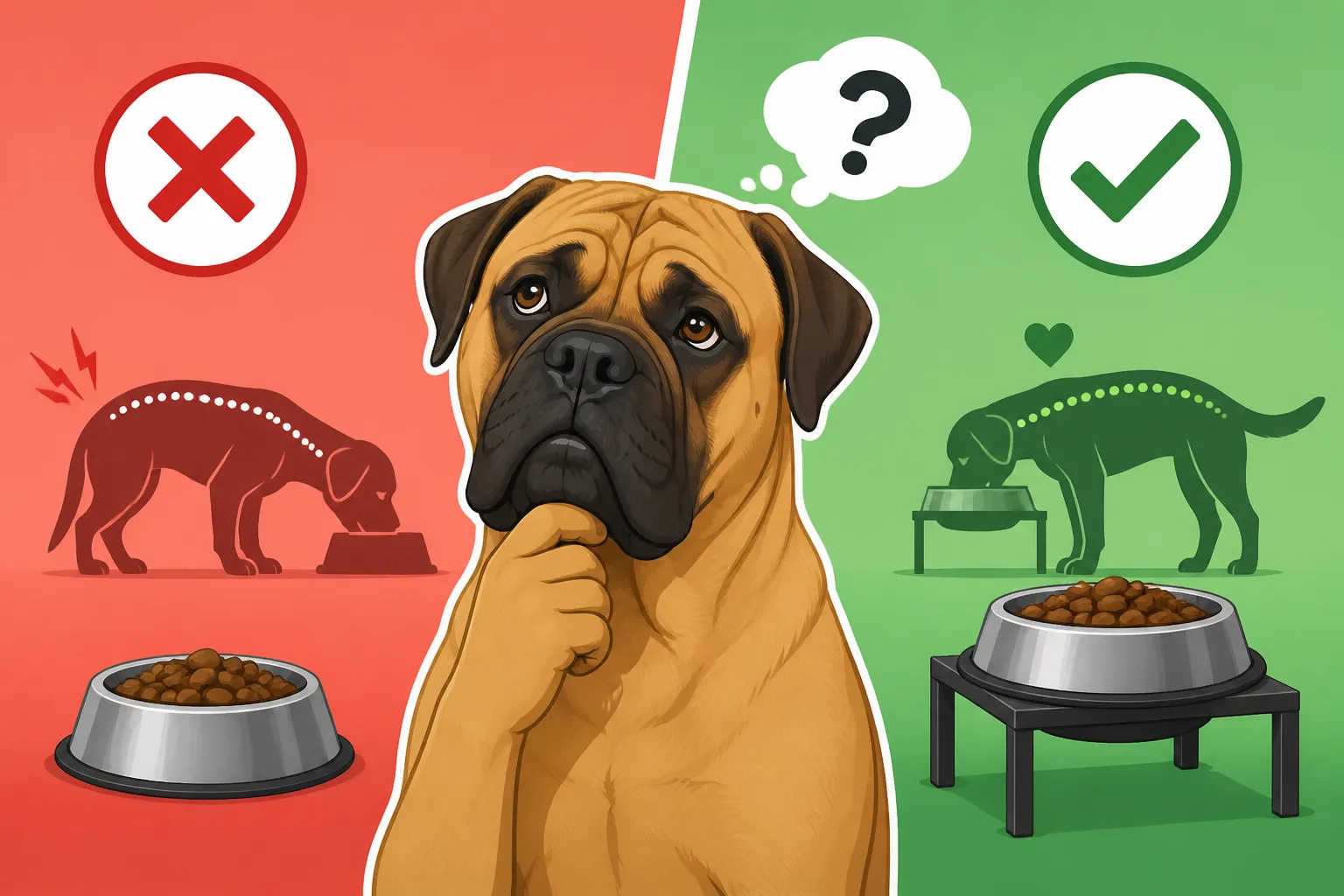
The prevailing theory behind elevated feeders was that they would make it easier for large dogs to eat and swallow. Imagine bending down low to eat every meal if you were 100+ pounds – it doesn't sound very comfortable, right? Proponents suggested that raised bowls would reduce strain on the neck and joints, a particular concern for breeds prone to orthopedic issues such as Hip Dysplasia in a Bullmastiff. It was thought that with less bending, dogs would gulp less air while eating, leading to a reduced risk of bloat, or Gastric Dilatation-Volvulus (GDV). The idea was that gravity would help food move more smoothly down the esophagus and into the stomach, preventing gas buildup. Owners adopted these bowls with the best intentions, often seeing their dogs appear more comfortable while eating, especially older or arthritic Bullmastiffs.
People envisioned a streamlined digestive process, where the food simply slid down into the stomach without effort, bypassing any potential for air ingestion. This made a lot of sense intuitively, especially when observing how dogs often hunch over traditional floor bowls. The convenience for the dog, reducing neck and back strain, especially during those long, enjoyable meals, was a significant draw. It promised a more natural, comfortable posture, which, for a breed as substantial as a Bullmastiff, seemed like a no-brainer to improve their overall mealtime experience.
The Shift in Scientific Understanding
However, as veterinary science advanced and more dedicated research was conducted, our understanding of bloat and its risk factors began to evolve dramatically. What seemed like a logical benefit turned out to be, for many, a surprising detriment. The turning point came with significant studies, notably a large, multi-year study conducted by Purdue University in the late 1990s. This groundbreaking research, which looked at hundreds of large and giant breed dogs, including those genetically predisposed to bloat, directly investigated the link between feeding practices and GDV.
The findings from the Purdue study were a real wake-up call for the veterinary community and dog owners alike. The study concluded that, contrary to popular belief, feeding from raised bowls actually increased the risk of bloat in large and giant breed dogs. The exact mechanism isn't fully understood, but it's hypothesized that elevated bowls might allow dogs to eat faster, or even encourage more air gulping, despite the initial theories. This was a challenging piece of information for many owners who had been using raised bowls for years with good intentions, highlighting how sometimes what feels right isn't always what the science supports. It demonstrated that relying solely on anecdotal evidence or common sense, without empirical data, can sometimes lead us astray, even when our hearts are in the right place for our beloved pets.
Understanding Gastric Dilatation-Volvulus (GDV) in Bullmastiffs
Bloat, or Gastric Dilatation-Volvulus (GDV), is arguably one of the most terrifying conditions a Bullmastiff owner can face. It's not just an upset stomach; it's a rapidly progressing, life-threatening emergency that requires immediate veterinary intervention. For a breed like the Bullmastiff, which statistically has a higher predisposition to this condition, understanding GDV is not just important – it's absolutely critical for their survival. If you want to dive deeper into the condition itself, you can read more about Bloat in a Bullmastiff.
What is Bloat, Really?
Imagine your dog's stomach. In a bloat event, two things happen, often in quick succession. First, the stomach rapidly fills with gas and fluid, causing it to distend, or "dilate." This is incredibly painful and puts immense pressure on surrounding organs and major blood vessels. At this stage, it's called gastric dilatation. But the real danger, the "volvulus" part, occurs when the distended stomach then twists on its axis. This twisting cuts off both the entrance and exit of the stomach, trapping all the gas, food, and fluid inside. It also cuts off blood supply to the stomach, leading to tissue death, and impacts blood flow back to the heart, which can quickly send your dog into shock.
The speed at which this can progress is horrifying. A dog can go from seemingly normal to critically ill in a matter of minutes or a few hours. The pain is severe, and symptoms like unproductive retching, a distended abdomen, restlessness, and weakness can appear suddenly. It's a true race against time, and delaying seeking veterinary care, even for an hour, can drastically reduce your Bullmastiff's chances of survival. Knowing Signs a Bullmastiff Is Bloating can literally save their life.
Risk Factors Beyond Bowl Height
While the discussion around raised bowls is crucial, it's vital to remember that GDV is a complex condition influenced by multiple factors. For Bullmastiffs, their deep chest conformation naturally puts them at a higher risk compared to other breeds. Think of their chest cavity as being longer than it is wide – this shape allows the stomach more room to swing and twist when distended. Beyond genetics and conformation, several other factors contribute to bloat risk:
- Eating Speed: Dogs who eat very quickly, gulping down their food, are thought to ingest more air along with their meal, which contributes to gas buildup.
- Meal Timing: Feeding one large meal a day, especially after exercise, is considered riskier than multiple smaller meals throughout the day.
- Exercise Around Meals: Vigorous exercise or excessive activity immediately before or after eating can significantly increase the risk of bloat. This is why it's so important that Why a Bullmastiff Should Rest After Eating.
- Stress and Temperament: Anxious, fearful, or highly stressed dogs may be more prone to GDV. Their emotional state can influence digestion and gut motility.
- Age: While bloat can occur at any age, older dogs tend to be at a higher risk.
- Genetics: If a Bullmastiff's close relatives have had bloat, their risk is higher. This underscores the importance of knowing your dog's pedigree and health history.
Given these multifactorial risks, avoiding elevated bowls is just one piece of the puzzle. A comprehensive approach to bloat prevention involves managing all known risk factors to give your Bullmastiff the best chance at avoiding this devastating condition. Organizations like the American Bullmastiff Association often advocate for responsible breeding practices that aim to reduce the incidence of such hereditary health issues, and reputable breeders may track family histories of bloat.
Current Recommendations for Bullmastiff Feeding Practices
Given the complexities of bloat and the evolving scientific understanding, what's a conscientious Bullmastiff owner to do when it comes to feeding? The good news is that current veterinary consensus offers clear guidance that prioritizes your dog's safety and well-being.
Why Ground-Level Feeding is Generally Preferred
Based on the evidence, particularly the landmark Purdue study, the general recommendation for large and giant breed dogs, including Bullmastiffs, is to feed them from bowls placed directly on the floor. This might go against what many of us initially thought or were even advised years ago, but the research has led to a significant shift in best practices.
While the exact reasons why raised bowls increase bloat risk are still debated among scientists, the data strongly suggests a correlation. One theory is that when dogs eat from an elevated position, their posture might still encourage more rapid consumption and a greater intake of air, rather than less. Think about it: a dog can stand more upright and "hoover" food quickly from an elevated bowl without having to bend their neck or front legs significantly. This faster eating pace and potential for increased air gulping are believed to contribute to the gas accumulation that precedes bloat.
By contrast, eating from a ground-level bowl often forces a dog to adopt a more natural, slightly downward head position. This posture, while perhaps looking less "comfortable" to us, may actually slow down their eating and reduce the amount of air swallowed. It can also encourage a more deliberate approach to mealtime, which is always a good thing for preventing rapid ingestion. For the vast majority of Bullmastiffs, a standard bowl on the floor is the safest option. It’s a simple change, but one that could have a profound impact on their long-term health.
Exceptions and Special Considerations
Of course, no rule is absolute, and there are specific circumstances where an elevated feeding position might be medically necessary or beneficial for your Bullmastiff. These exceptions, however, should always be made under the direct guidance and recommendation of your veterinarian.
One common reason for elevated bowls is if a Bullmastiff suffers from certain esophageal conditions, such as megaesophagus. In this condition, the esophagus loses its ability to effectively move food to the stomach, and gravity becomes a crucial aid. Dogs with megaesophagus often need to eat in an upright position, sometimes even using specialized "Bailey chairs," to ensure food reaches their stomach and to prevent aspiration pneumonia. This is a very specific medical condition, and the benefits of elevated feeding in these cases far outweigh the generalized bloat risk.
Another consideration might be for senior Bullmastiffs or those suffering from severe orthopedic issues, such as advanced arthritis in their neck, spine, or front legs. For these dogs, bending down to a floor bowl could cause significant pain and discomfort, making mealtime a dreaded chore rather than an enjoyable one. If your vet determines that the pain from ground feeding outweighs the bloat risk, they might recommend a slightly raised bowl. However, even in these cases, the height would be carefully calibrated to reduce strain without promoting rapid eating. If you have an older Bullmastiff, understanding Caring for an Aging Bullmastiff is essential, and special feeding arrangements might be part of that comprehensive care plan. Always have an open conversation with your vet about the pros and cons for your individual dog's health needs before making changes based on pain or mobility.
Other Strategies to Reduce Bloat Risk
Beyond the bowl height debate, there are several highly effective strategies you can implement to further reduce your Bullmastiff’s risk of bloat. These methods focus on slowing down eating, improving digestion, and managing overall mealtime dynamics.
- Use a Slow Feeder Bowl: These bowls have various ridges, mazes, or obstacles that force your dog to eat around them, significantly slowing down their consumption. Brands like Outward Hound make excellent slow feeder bowls that can turn a two-minute meal into a ten-minute engagement. By making them work a little for their food, you reduce the amount of air they gulp and help their digestive system process the meal more gradually.
- Feed Multiple Smaller Meals: Instead of one or two large meals a day, consider breaking your Bullmastiff's daily food allowance into three or four smaller portions. This prevents the stomach from becoming overly distended with a large volume of food all at once. For instance, if your Bullmastiff eats How Much Food a Bullmastiff Needs each day, spread that amount over several sittings.
- Implement a Pre and Post-Meal Rest Period: This is absolutely critical. Ensure your Bullmastiff does not engage in strenuous exercise, vigorous play, or even excessive excitement for at least an hour before and two hours after eating. A relaxed state before and after meals helps digestion and reduces the risk of the stomach twisting. A short, calm walk to relieve themselves is fine, but intense activity is a no-go.
- Manage Stress: If your Bullmastiff is prone to anxiety, especially around meal times or in new environments, try to create a calm, quiet feeding area. Stress can impact digestion and potentially contribute to bloat.
- Consider a Gastropexy: For Bullmastiffs, especially those with a family history of bloat, a prophylactic gastropexy is a surgical procedure where the stomach is tacked to the abdominal wall. This prevents the stomach from twisting, though it doesn't prevent it from dilating. This procedure is often performed at the same time as spaying or neutering and is highly recommended by many vets for at-risk breeds. Discuss Whether a Bullmastiff Should Have a Gastropexy with your veterinarian. This preventative measure can offer incredible peace of mind, though it is an additional cost.
By combining these strategies, you can create a much safer eating environment and routine for your Bullmastiff, significantly lowering their bloat risk. When considering the potential costs of emergency surgery like What Bloat Surgery Involves on a Bullmastiff, which can run into thousands of dollars, preventative measures are invaluable. Having pet insurance, like a policy from Healthy Paws, which covers accidents and illnesses, can also be a lifesaver in such emergencies, helping manage the financial burden of unexpected veterinary care.
Practical Aspects of Feeding Your Bullmastiff
Beyond the science and the risks, daily feeding routines involve practical considerations that can make a big difference in your Bullmastiff's comfort and safety. Making mealtime a positive, stress-free experience is key to their overall well-being.
Choosing the Right Bowl
The type of bowl you choose for your Bullmastiff might seem like a minor detail, but it plays a role in hygiene, durability, and even how they interact with their food.
- Material Matters:
- Stainless Steel: This is often the top recommendation. Stainless steel bowls are durable, easy to clean, non-porous (meaning they don't harbor bacteria), and generally safe. They don't leach chemicals and are resistant to chewing.
- Ceramic: Ceramic bowls can be attractive and heavy, making them stable. However, they can chip or crack, and if the glaze is damaged, they can become porous, allowing bacteria to grow. They are also prone to breaking if dropped.
- Plastic: While inexpensive and lightweight, plastic bowls are generally discouraged. They can scratch easily, creating crevices for bacteria to thrive. Some dogs are sensitive to plastic, developing "chin acne," and aggressive chewers can break off pieces, posing a choking hazard. Always opt for food-grade, BPA-free plastic if you must use it, but it's rarely the best choice for a large, powerful breed like a Bullmastiff.
- Size and Stability: Your Bullmastiff needs a bowl large enough to hold their entire meal comfortably without overflowing. Stability is paramount – a lightweight bowl that slides around or tips over easily can lead to frustration, faster eating, and messy mealtimes. Heavy ceramic or non-slip rubber-bottomed stainless steel bowls are excellent choices. You don't want your big dog chasing their dinner across the kitchen floor!
Monitoring Your Bullmastiff During and After Meals
Observation is one of your most powerful tools as a Bullmastiff owner. Because GDV can progress so quickly, knowing your dog's normal behavior and being vigilant after meals is crucial.
- Watch for Warning Signs: Pay close attention to your Bullmastiff during the meal and for the next few hours afterward. Keep an eye out for any of the Signs a Bullmastiff Is Bloating such as:
- Restlessness or pacing
- Repeated retching or gagging without actually vomiting anything (unproductive retching)
- A distended, hard, or drum-like abdomen
- Pain when the abdomen is touched
- Excessive drooling
- Weakness or collapse
- Rapid, shallow breathing
- Know Your Dog's Normal: Every dog is an individual. You know your Bullmastiff best. Be aware of their typical post-meal routine. Do they usually nap? Are they usually playful? Any deviation from their norm, particularly involving discomfort or changes in their belly, should be a red flag.
- Emergency Preparedness: Time is of the essence with bloat. Know the location and phone number of the nearest 24-hour emergency veterinary clinic. It’s a good idea to have this information readily accessible, perhaps stuck to your fridge. If you suspect bloat, do not wait or try home remedies; head to the vet immediately. Having pet insurance, such as through Healthy Paws, can alleviate the financial stress during these critical moments, allowing you to focus purely on getting your Bullmastiff the urgent care they need. These emergency visits, and potential surgeries, can be incredibly expensive, so a safety net is always a smart investment for a Bullmastiff owner.
By being informed, proactive, and observant, you can significantly contribute to your Bullmastiff's health and happiness, ensuring their meal times are safe and enjoyable for their entire life.
Here's a quick comparison to help visualize the bowl options:
| Feature | Floor-Level Bowl | Raised Feeder (Stand) | Slow Feeder Bowl |
|---|---|---|---|
| Bloat Risk | Lower (generally recommended) | Higher (studies show increased risk for large breeds) | Lower (promotes slower eating, less air gulping) |
| Comfort | Natural posture, may cause bending for some large dogs | Reduces neck/joint strain for some, but not for all | Natural posture, may require more effort but is comfortable |
| Eating Speed | Can be fast, depends on dog | Can encourage faster eating | Significantly slows eating |
| Air Gulping | Moderate to low | Potentially higher | Lower |
| Mess Factor | Can be messy if dog pushes bowl or dribbles | Can reduce mess if dog is contained to stand footprint | Can still be messy, but controlled by slow eating |
| Best For | Most healthy Bullmastiffs | Specific medical conditions (vet-recommended only) | Any Bullmastiff, especially fast eaters |
| Cost | Low (basic bowl) | Moderate (stand + bowls) | Low to Moderate (specialized bowl) |
Ultimately, for most Bullmastiffs, a regular bowl on the floor or a slow feeder bowl is the safest bet to reduce the risk of bloat. Always prioritize scientific evidence and veterinary advice, especially when it concerns such a serious condition.
Disclaimer
The information provided in this article is for general educational purposes only and is not a substitute for professional veterinary advice. Always consult with a qualified veterinarian for any health concerns or before making any decisions about your Bullmastiff's diet, care, or medical treatment.