Why a Bullmastiff Should Rest After Eating
It's a familiar scene for many Bullmastiff owners: your beloved giant finishes their meal, and almost immediately, they're ready to charge off, wrestle with a toy, or demand a rousing game of fetch. But that eager post-dinner energy, while endearing, can mask a silent, potentially deadly threat. Allowing your Bullmastiff to engage in vigorous activity right after eating can significantly increase their risk of bloat, a condition that no owner ever wants to face. This guide will walk you through why post-meal rest is not just a suggestion but a critical part of keeping your gentle giant safe and healthy.
The Grave Danger of Gastric Dilatation-Volvulus (Bloat)
When we talk about why a Bullmastiff needs to rest after eating, we're really talking about minimizing the risk of a condition called Gastric Dilatation-Volvulus, or GDV, more commonly known as bloat. This isn't just an upset stomach; it's a terrifying, rapidly progressing, and life-threatening emergency that every large breed owner, especially those with Bullmastiffs, needs to understand.
What Happens During Bloat
Imagine your dog's stomach. In a normal situation, food and water pass through without issue. But with bloat, several things go wrong. First, the stomach fills with gas, food, or fluid, causing it to distend, or "dilate," like an overinflated balloon. This initial stage can be uncomfortable, but the real danger comes next: volvulus. Volvulus means the stomach then twists upon itself, sometimes 180 degrees, sometimes even more. When this twist happens, both the entrance and exit of the stomach are sealed off. Gas and fluid become trapped, rapidly increasing pressure inside the abdomen.
This twisting also cuts off blood supply to the stomach wall, causing tissue to die quickly. It can also impede blood flow to the spleen and other organs, and critically, it can compress major blood vessels, leading to a rapid drop in blood pressure and shock. The dog's heart function can be compromised, and toxins can build up in the deprived tissues, further exacerbating the crisis. It's a cascade of events that can turn fatal in a matter of hours, sometimes even less. The speed at which this happens is truly what makes it so terrifying. One minute your dog seems fine, the next they are in excruciating pain and fighting for their life. This is why knowing the Signs a Bullmastiff Is Bloating is paramount.
Why Bullmastiffs Are So Susceptible
Bullmastiffs, like many other large, deep-chested breeds, are unfortunately predisposed to bloat. Their anatomy plays a significant role. Breeds with a chest that is deep and narrow rather than wide and barrel-like tend to have more "room" for the stomach to shift and twist. Think of it like a pendulum in a tall, narrow clock – it has more swing. This isn't a flaw in their design, but rather a characteristic that makes careful management all the more important.
Beyond their physical build, there's often a genetic component. If a Bullmastiff's parents or close relatives experienced bloat, the risk for subsequent generations increases. Stress, anxiety, and even temperament can play a part, with more anxious dogs potentially being at higher risk. The reality is, with a breed like the Bullmastiff, it's not a matter of "if" but "when" for some, which is why prevention strategies like post-meal rest are so vital. Understanding their predisposition helps us be proactive rather than reactive when it comes to their health.
Beyond Just Eating: Other Key Risk Factors for Bloat
While eating is certainly a trigger for many bloat episodes, it’s rarely the only factor at play. Bloat is a complex condition with multiple contributing elements, and understanding these can empower you to create a safer environment for your Bullmastiff.
Rapid Eating and Air Gulping
Have you ever watched your Bullmastiff devour their food in what feels like seconds? Many Bullmastiffs are enthusiastic eaters, and this rapid consumption isn't just messy; it's a significant risk factor for bloat. When a dog eats too quickly, they tend to gulp down a lot of air along with their food. This excess air accumulates in the stomach, contributing to the initial dilatation phase of GDV. The more air in the stomach, the more distended it becomes, increasing the likelihood of it twisting.
This is why feeding strategies are so important. Simply slowing down their mealtime can make a big difference. This might involve using slow-feeder bowls, scattering food on a flat surface, or dividing meals into smaller portions. Every little bit of intervention that encourages slower eating and less air intake helps chip away at the overall risk.
Exercise Before or After Meals
This is perhaps one of the most critical, yet often overlooked, risk factors. Vigorous exercise, whether it’s running, jumping, rolling, or even intense play, too close to mealtime can be incredibly dangerous for a Bullmastiff. Imagine a full stomach, heavy with food and possibly gas, being jostled around inside the abdomen. This movement can physically facilitate the twisting of the stomach.
It's not just about exercise after eating, either. Exhaustion or high-stress activities before a meal can also contribute. The general rule of thumb is to allow a significant buffer period – ideally at least one hour before and two hours after eating – before engaging in any strenuous activity. This means no long walks, no dog park visits, and certainly no wrestling matches with the kids immediately following breakfast or dinner. Their well-being depends on this downtime. You might be surprised to learn that Why a Bullmastiff Needs Less Exercise Than It Looks is also tied into protecting their health in other ways, beyond just bloat.
Stress, Anxiety, and Genetics
It's easy to think of bloat as purely physical, but emotional factors can play a role too. Stress and anxiety can affect a dog's digestion and gut motility, potentially increasing their susceptibility to GDV. For instance, a dog that is highly anxious or stressed during meal times, perhaps due to competition with other dogs, might eat more rapidly or experience physiological changes that contribute to bloat.
Genetics are also a huge factor that you can't control but should be aware of. Certain lines within the Bullmastiff breed carry a higher predisposition to bloat. While a genetic test isn't available to pinpoint individual risk, a responsible breeder will be transparent about any history of bloat in their lines. This is why thorough research and choosing a reputable breeder is so important, as part of understanding What a Bullmastiff Breeder Should Have Screened. Knowing your dog's family history, if possible, can help inform your preventative measures. Organizations like Healthy Paws, for example, emphasize the importance of preventative care from an early age, acknowledging the genetic predispositions of certain breeds.
Controversies: Raised Bowls and Single Large Meals
For years, it was commonly believed that feeding from raised bowls could prevent bloat. The theory was that it reduced air gulping. However, research has largely debunked this, and in some studies, raised bowls have actually been associated with an increased risk of bloat in large breeds. The current consensus among veterinary professionals is that raised bowls are not protective and may even be detrimental for bloat prevention. It's an interesting shift in understanding, highlighting how medical knowledge evolves.
Similarly, feeding one large meal a day is often cited as a risk factor. A stomach full to capacity is simply more likely to distend and twist than one holding a smaller amount of food. Therefore, many vets and breeders recommend feeding smaller, more frequent meals. Breaking your Bullmastiff's daily food allowance into two or three meals can help keep their stomach less distended at any given time, reducing the internal pressure that contributes to bloat. This is one reason why experts often suggest looking into How Many Meals a Bullmastiff Should Have daily.
Practical Steps for Ensuring Post-Meal Rest
Knowing the risks is one thing, but implementing effective preventative measures is where the real work—and love—comes in. Creating a routine that prioritizes post-meal rest for your Bullmastiff is one of the most impactful things you can do to protect them.
Defining "Rest" for Your Bullmastiff
When we say "rest," we're not talking about your Bullmastiff falling asleep necessarily, though a good nap is certainly welcome! What we mean is a period of calm, low-activity relaxation. This means absolutely no running, jumping, roughhousing, or strenuous play immediately after eating. No chasing squirrels, no tug-of-war, no wrestling with housemates (canine or human), and no car rides that might involve sudden stops or turns.
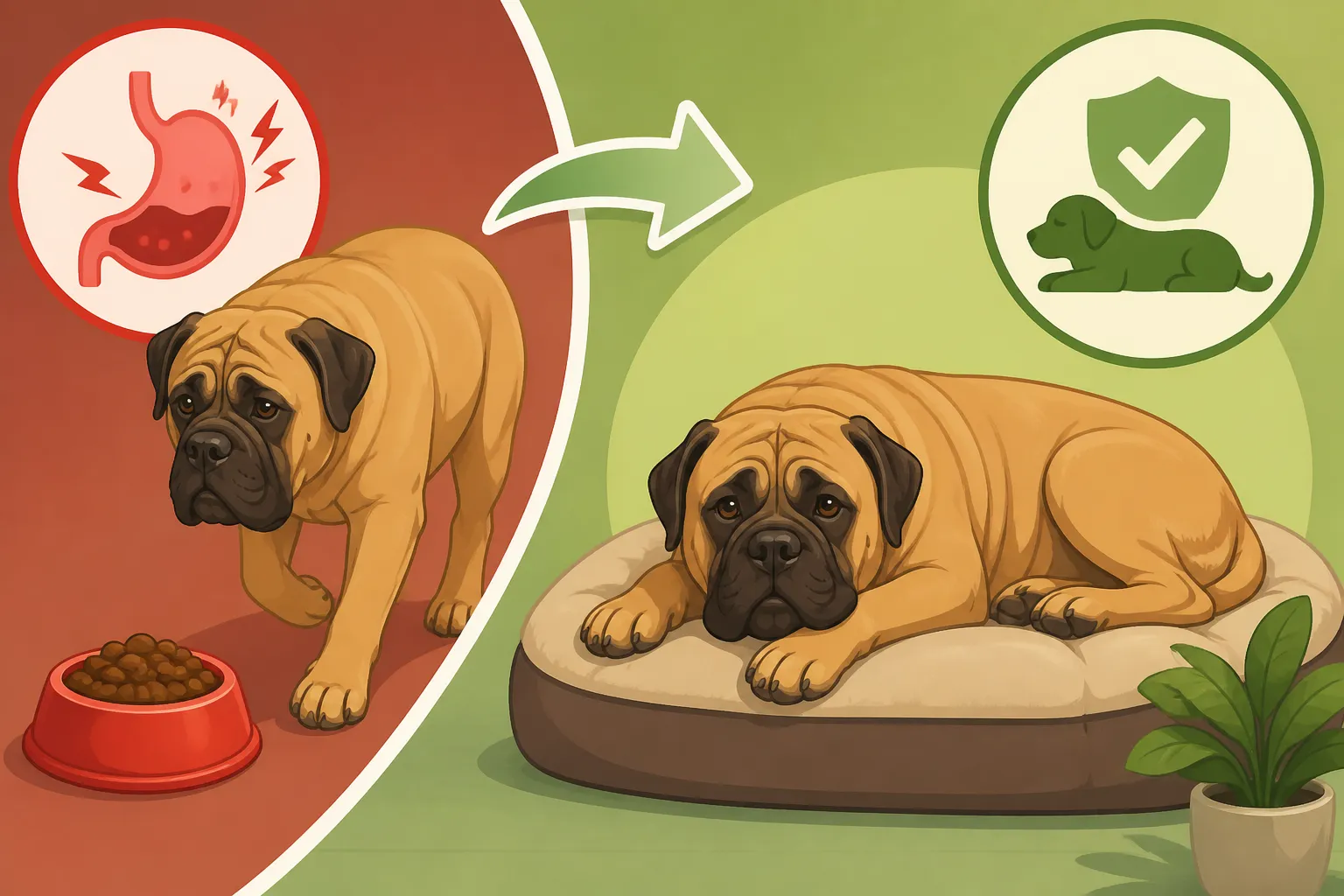
Think of it as quiet time. This could mean lying down on their orthopedic bed, gently chewing a low-value, non-stimulating chew toy (nothing that encourages vigorous gnawing or excitement), or simply lounging near you while you read or watch TV. The goal is to keep their body stable and their heart rate low, minimizing any sudden movements that could upset a full stomach. It's about providing a peaceful, predictable environment for digestion.
The Ideal Duration of Post-Meal Downtime
So, how long is long enough? While there's no magic number that guarantees immunity from bloat, veterinary consensus generally recommends a minimum of one hour of rest, and ideally two to three hours, after each meal. For puppies and young adults who are naturally more boisterous, leaning towards the longer end of that spectrum is always a safer bet.
This means planning your daily schedule around meal times. If your Bullmastiff eats at 7 AM and 5 PM, then those post-meal periods from 7-9 AM and 5-7 PM become protected zones for quiet activity. It might require a bit of adjustment to your own routine, perhaps feeding them before you head out for a bit or scheduling their last meal a few hours before bedtime, but it's a small sacrifice for their potentially life-saving benefit. Remember, a Bullmastiff may live for The Median Bullmastiff Lives Eight and a Half Years or longer with proper care, and that includes bloat prevention.
Creating a Calm Feeding Environment
The environment where your Bullmastiff eats is just as important as what and when they eat. A calm, stress-free feeding zone can help reduce the chances of rapid eating and associated air gulping.
- Designated Spot: Give your Bullmastiff a consistent, quiet place to eat where they won't be disturbed by other pets, children, or household commotion.
- No Competition: If you have multiple dogs, feed them separately to eliminate any perceived competition that might encourage hurried eating.
- Reduce Distractions: Turn off loud music or TV, and ensure there are no toys or people actively moving around their eating area.
- Slow Feeder Bowls: As mentioned, these are excellent tools. They come in various designs, from bowls with raised ridges to puzzle feeders, all designed to make your dog work a little harder and slower for each bite.
- Portion Control: Instead of dumping a huge amount, you can also consider dividing their meal into two smaller portions fed about 15-20 minutes apart, to further slow down intake.
By taking these steps, you're not just preventing bloat; you're also fostering a more relaxed and positive eating experience for your Bullmastiff, which contributes to their overall well-being. This comprehensive approach to care is something that pet insurance providers like Healthy Paws recognize as vital for a pet's long-term health, often covering emergency treatments that become necessary despite best preventative efforts.
Water Intake Around Meals
While it's essential for your Bullmastiff to stay hydrated, managing water intake around meals can also play a role in bloat prevention. Avoid allowing your Bullmastiff to gulp down large quantities of water immediately before or after eating, as this can also contribute to stomach distension.
Instead, offer smaller, frequent sips of water throughout the day. You can remove the water bowl for about 30 minutes before and after meals to prevent excessive drinking, then make it available again. During the post-meal rest period, keep water available but encourage calm, moderate drinking rather than frantic gulping. This careful management of both food and water intake creates a gentler environment for digestion.
Recognizing the Signs and Acting Fast
Even with the best preventative measures, bloat can still happen. Because of its rapid progression and severity, knowing the signs and acting immediately is absolutely critical. This is truly where the difference between life and death lies for many Bullmastiffs.
Crucial Symptoms to Watch For
Bloat often presents with a combination of distressing symptoms, and you need to be vigilant, especially if your Bullmastiff has just eaten or has a history of rapid eating.
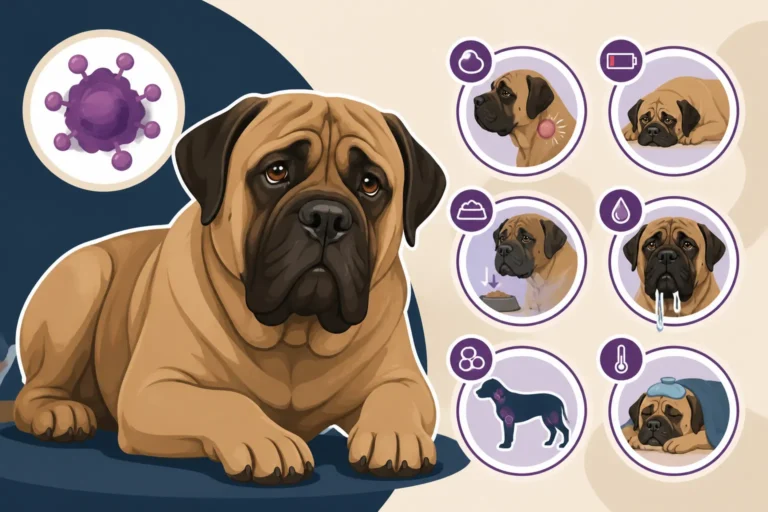
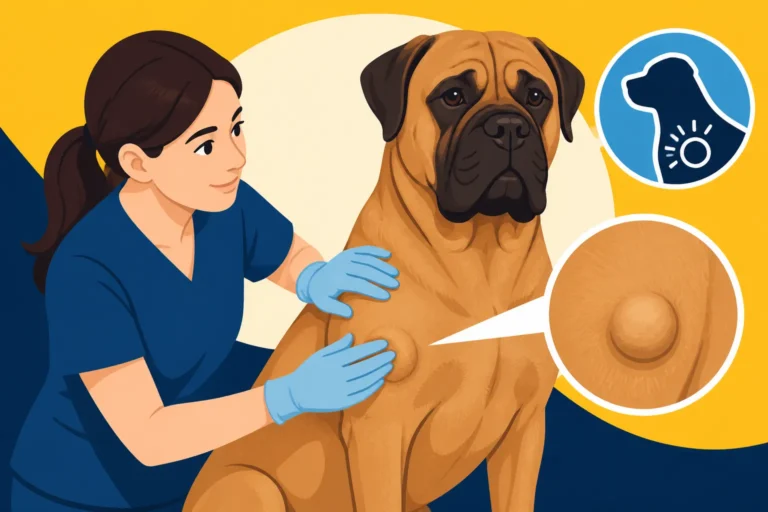
- Distended Abdomen: This is often the most obvious sign. Your Bullmastiff's belly may appear visibly swollen, tight, and hard to the touch, particularly on the left side. It might feel like a taut drum.
- Unproductive Retching or Vomiting: Your dog will try to vomit, heaving and gagging, but little to no actual vomit will be produced. They may bring up foamy saliva. This is a classic and very concerning sign.
- Restlessness and Pacing: Despite being in pain, dogs with bloat often can't get comfortable. They may pace, stand with an arched back, constantly shift positions, or repeatedly look at their side.
- Drooling: Excessive drooling can be a sign of nausea and discomfort.
- Weakness and Collapse: As the condition progresses and shock sets in, your Bullmastiff may become weak, lie down, and be unable to get up. Their gums might appear pale, and their breathing may become shallow and rapid.
- Pain: They may whine, groan, or cry when you touch their abdomen.
Never wait to see if these signs improve. Time is of the essence. If you suspect bloat, even slightly, it is an emergency that warrants immediate veterinary attention. This includes going to an emergency veterinary clinic if your regular vet is closed. Getting prompt treatment is vital for increasing the chances of survival, as explored in articles like How Often a Bullmastiff Survives Bloat.
The Importance of Immediate Veterinary Care
I cannot stress this enough: bloat is a 911 emergency. Do not try home remedies, do not "wait and see," and do not try to induce vomiting. Call your veterinarian or the nearest emergency animal hospital immediately and tell them you suspect GDV in your Bullmastiff. This allows them to prepare for your arrival and begin treatment without delay.
Upon arrival, the veterinary team will perform a physical exam and likely take an X-ray to confirm the diagnosis of GDV. If confirmed, they will work quickly to stabilize your dog, which includes decompressing the stomach (often with a tube passed down the esophagus or a trocar inserted through the abdominal wall) and administering IV fluids to combat shock. Surgery is then typically required to untwist the stomach and, crucially, to perform a gastropexy.
Considering a Preventative Gastropexy
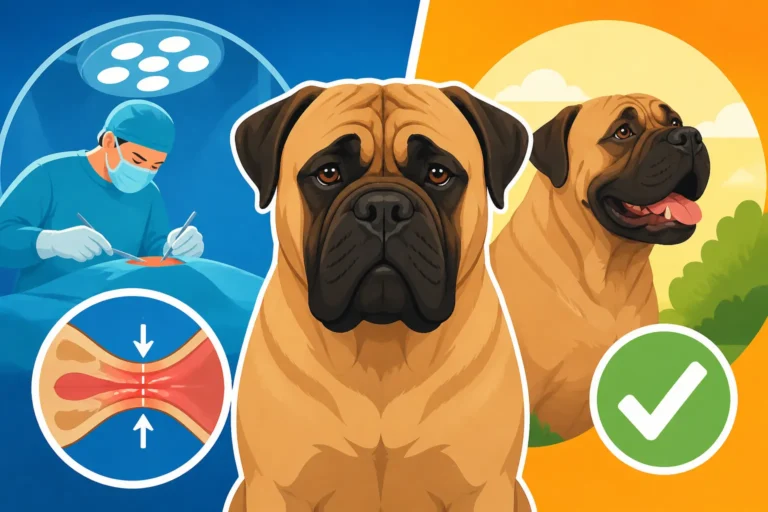
A gastropexy is a surgical procedure where the stomach is permanently tacked to the abdominal wall. This prevents the stomach from twisting in the future, effectively eliminating the volvulus component of GDV. While it won't prevent the stomach from dilating with gas, it dramatically reduces the risk of the life-threatening twist.
Many Bullmastiff owners, especially those whose dogs are considered high-risk (e.g., family history of bloat, anxious temperament, or simply belonging to the breed), elect to have a preventative gastropexy performed. This can often be done at the same time as spaying or neutering, or as a standalone laparoscopic (minimally invasive) procedure. While it involves surgery and associated costs, the peace of mind it offers is invaluable. Discussions around Whether a Bullmastiff Should Have a Gastropexy often highlight the significant reduction in risk and stress for owners. Insurance plans like those from Healthy Paws can often help with the costs associated with both emergency bloat treatment and, in some cases, preventative procedures if elected at an appropriate age. Knowing What Bloat Surgery Involves on a Bullmastiff can help you make an informed decision with your vet.
It's a serious decision, but given that bloat is the second leading killer of Bullmastiffs after cancer, it's one worth discussing thoroughly with your veterinarian as part of your overall preventative health strategy. Regular wellness exams, as outlined in How Often a Bullmastiff Needs a Wellness Exam, are excellent opportunities to discuss these crucial preventative measures.
| Risk Factor | Why it Increases Bloat Risk | Preventative Action |
|---|---|---|
| Vigorous Exercise | Jiggles a full stomach, facilitating twisting. | 2-3 hours rest before/after meals. |
| Rapid Eating | Leads to excessive air gulping, distending the stomach. | Use slow-feeder bowls or puzzle feeders. |
| Large Single Meals | Overfills the stomach, increasing internal pressure and distension. | Feed 2-3 smaller meals daily instead of one large one. |
| Stress/Anxiety | Can affect digestion and lead to rapid eating/air gulping. | Create a calm, quiet feeding environment. |
| Excessive Water Intake | Contributes to stomach distension. | Offer small, frequent sips; restrict large gulps around meals. |
| Genetics/Deep Chest | Breed predisposition (cannot be changed, but risk can be mitigated). | Discuss preventative gastropexy with your vet. |
Disclaimer
This article is for general informational purposes only and does not constitute professional advice. Laws, prices and regulations vary by location and change over time. Consult a qualified professional for guidance on your specific situation.