When a Bullmastiff’s Thyroid Should Be Tested
It's incredibly frustrating when your beloved Bullmastiff starts showing subtle changes – maybe they're a little slower on walks, seem less enthusiastic about playtime, or their once lustrous coat is suddenly dull and shedding more than usual. These seemingly minor shifts can be early whispers of an underlying health issue, and for Bullmastiffs, one common culprit is hypothyroidism. This guide is all about shedding light on this condition, helping you understand when and why your majestic companion's thyroid should be tested, and empowering you to advocate for their best health.
Understanding Hypothyroidism in Bullmastiffs
Hypothyroidism is a silent, often insidious condition that can slowly erode your Bullmastiff's vitality. It's not always obvious, and because our big dogs can sometimes seem "lazy" by nature, the early signs can easily be dismissed or mistaken for normal aging. But understanding what's happening internally is the first step to recognizing a problem.
The Silent Thief: What Hypothyroidism Actually Is
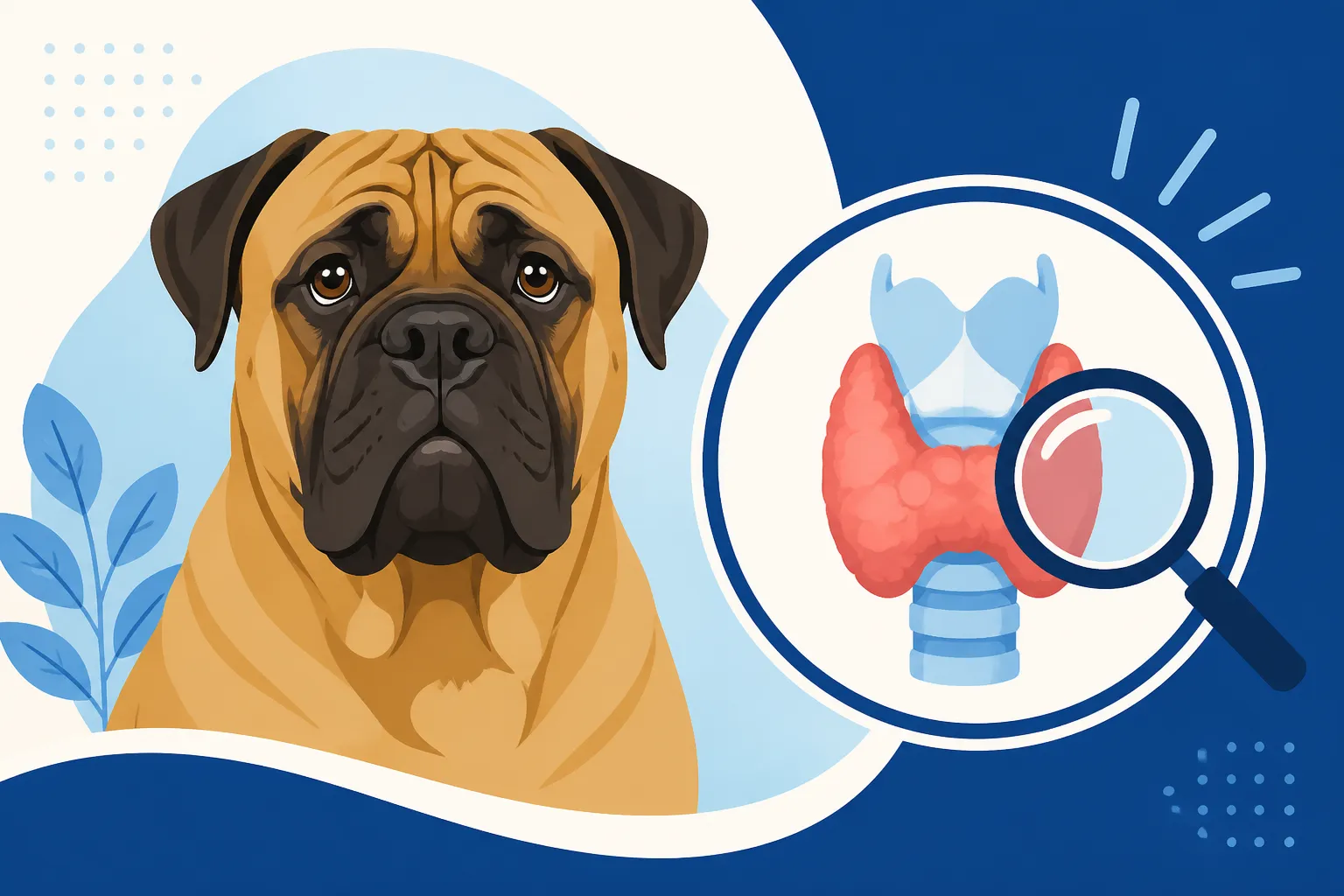
At its core, hypothyroidism in dogs means their thyroid gland, a small, butterfly-shaped gland located in the neck, isn't producing enough thyroid hormones. These hormones, primarily T3 and T4, are absolutely crucial. Think of them as the master regulators of your dog's metabolism. They influence almost every cell in the body, dictating energy levels, body temperature, heart function, skin health, and even brain activity. When production drops, everything slows down. It's like a car trying to run on an empty gas tank – it can still move, but it's sluggish, inefficient, and eventually, it will break down. This metabolic slowdown is why the symptoms are so varied and can be easily missed or misattributed to other issues, making hypothyroidism truly a silent thief of your Bullmastiff's well-being.
Why Bullmastiffs Are Prone to Thyroid Issues
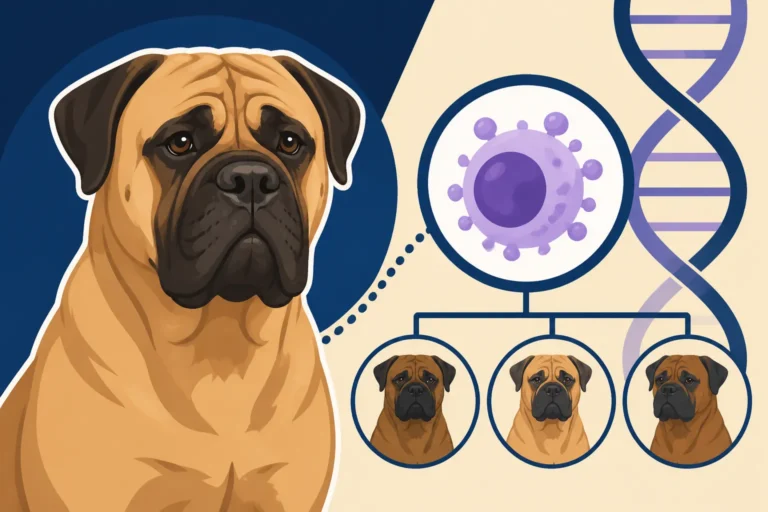
While any dog breed can develop hypothyroidism, some breeds, including our beloved Bullmastiffs, carry a significantly higher genetic predisposition. This isn't just bad luck; it's often rooted in what's called autoimmune thyroiditis. In simple terms, for reasons not yet fully understood, the dog's own immune system mistakenly attacks and destroys the thyroid gland over time. This process can be slow, sometimes taking years before enough of the gland is damaged to cause overt symptoms. Other less common causes include idiopathic atrophy (where the gland simply wastes away without an immune attack) or, rarely, a congenital defect or cancer. Because the predisposition runs in families, responsible breeders will often screen their breeding stock for thyroid issues, but even with careful breeding, the risk remains a concern for the Bullmastiff breed.
Recognizing the Early Signs That Warrant Testing
One of the biggest challenges with hypothyroidism is that its symptoms can creep up so gradually that you might not notice them until the condition is quite advanced. As a Bullmastiff owner, you know these dogs love their couch time, but there’s a difference between a relaxed Bullmastiff and one that’s genuinely lethargic due to a medical condition. Paying close attention to subtle shifts in their behavior, energy, and physical appearance can make all the difference.
Subtle Behavioral and Energy Changes
Has your Bullmastiff, who once enjoyed a good romp in the yard, suddenly become a serious couch potato? While an older Bullmastiff might naturally slow down, a significant drop in energy, increased sleeping, and general disinterest in activities they once loved are red flags. This isn't just about being a bit lazier; it's about a fundamental change in their drive and vitality. You might also notice unexplained weight gain, even if their diet and exercise routine haven't changed. Their metabolism is slowing down, so they're burning fewer calories. This can be incredibly frustrating for owners who are meticulously managing their dog's food intake, only to see the numbers on the scale climb. They might appear sluggish, mentally dull, or less alert than usual, sometimes even showing signs of being cold more often, seeking out sunbeams or warm spots. These are all subtle cues that something deeper might be affecting their internal thermostat.
Noticeable Skin and Coat Problems
The skin and coat are often the first places where hypothyroidism truly shows its hand, though you might not immediately connect the dots. A classic sign is bilateral, symmetrical hair loss, especially on the flanks, chest, and tail. Many owners describe a "rat tail" appearance, where the hair on the tail becomes sparse and brittle. The coat itself might feel dry, coarse, and dull, losing its healthy sheen. You might also observe excessive shedding that seems to never end. Beyond just hair loss, Bullmastiffs with hypothyroidism can suffer from recurrent skin infections, often bacterial or yeast-related, because their immune system is compromised, and their skin health is deteriorating. These infections can manifest as redness, itching, scaling, or a greasy feel to the skin. If you find yourself constantly treating skin issues that just won't clear up, or notice their coat dramatically changing for the worse, it's definitely time to consider thyroid testing. You can learn more about specific presentations in articles like How Hypothyroidism Presents in a Bullmastiff.
Other Less Common Indicators
While lethargy, weight gain, and skin issues are the most common signs, hypothyroidism can impact other bodily systems, leading to less frequent but equally important indicators. Some Bullmastiffs might develop a slow heart rate (bradycardia) because thyroid hormones directly affect cardiac function. Others may exhibit a puffy appearance, particularly around the face, due to fluid retention – often referred to as "tragic expression." In severe or long-standing cases, neurological signs can emerge, although these are rarer. These might include weakness, incoordination, or even a head tilt, though these symptoms are typically only seen when the condition has been undiagnosed for a significant period. It's essential to remember that while these signs can be subtle, they are your Bullmastiff's way of telling you that something isn't quite right.
The Right Time for a Thyroid Test
Knowing when to test your Bullmastiff's thyroid is crucial for early detection and management. It's not always about waiting for obvious illness; proactive screening plays a vital role in maintaining the health of a breed predisposed to this condition.
Routine Screening for Bullmastiffs
For many Bullmastiff owners, especially those with breeding animals, routine thyroid screening is a proactive step. It's often recommended that Bullmastiffs receive a baseline thyroid panel sometime between one and two years of age. This initial test provides a benchmark for your dog's normal thyroid levels before any potential issues arise or as they mature into adulthood. Think of it as establishing their unique "normal." After this, annual or biennial checks, particularly as your Bullmastiff reaches middle age (around 5-6 years) and becomes a senior, are highly advisable. This regular monitoring helps catch any downward trends in hormone production before clinical symptoms become pronounced.
Many owners find that having comprehensive pet insurance, like a plan from Healthy Paws, can be incredibly helpful for managing these routine screenings and any subsequent treatments. While some insurance plans might classify certain conditions as pre-existing if not diagnosed before enrollment, a good policy can offer peace of mind when it comes to the ongoing costs of medication and monitoring if your dog does develop hypothyroidism. Regular wellness exams are also key for your veterinarian to keep tabs on your Bullmastiff's overall health and spot subtle changes that might prompt a thyroid test, as discussed in How Often a Bullmastiff Needs a Wellness Exam.
When Symptoms Point to a Problem
If your Bullmastiff is displaying any of the symptoms we've discussed – the unexplained weight gain, the sudden lack of energy, the dull coat, recurrent skin infections, or excessive shedding – then it's absolutely time to schedule an appointment with your veterinarian for a thyroid test. Don't wait for multiple symptoms to appear or for the condition to worsen. Early intervention can significantly improve their quality of life and prevent further complications.
When you bring your Bullmastiff in, be sure to provide your vet with a detailed history of all the changes you've observed, no matter how minor they seem. Your vet will likely perform a thorough physical examination and perhaps some routine blood work to rule out other common issues, such as kidney disease or diabetes, which can sometimes mimic or influence thyroid problems. Remember, your observations as the owner are invaluable clues for diagnosis. If you're seeing Signs a Bullmastiff's Thyroid Has Failed, a test is the logical next step.
Special Circumstances: Medication and Other Illnesses
It's not always a straightforward case of "symptoms = thyroid test = diagnosis." There are nuances. Certain medications, like corticosteroids (prednisone), can suppress thyroid hormone levels, giving a falsely low reading. If your Bullmastiff is on any medication, be sure to inform your vet, as it might impact the interpretation of results or necessitate retesting after the medication is discontinued or at a different time.
Another important consideration is "sick euthyroid syndrome" (also known as non-thyroidal illness syndrome). This occurs when a Bullmastiff is suffering from another severe or chronic illness, and their body's stress response temporarily lowers their thyroid hormone levels, even if their thyroid gland is perfectly healthy. For instance, a Bullmastiff battling a serious infection or cancer might have low T4 levels that aren't indicative of true hypothyroidism. In these cases, your vet might recommend treating the primary illness first and then retesting the thyroid once your dog has recovered. This is why a comprehensive diagnostic approach is always best, to ensure you're treating the right problem.
What a Thyroid Test Involves and What the Results Mean
Getting a thyroid test might sound daunting, but it's a relatively simple process for your Bullmastiff. Understanding the different types of tests and what their results indicate will empower you to have a more informed conversation with your veterinarian about your dog's health.
Types of Thyroid Tests Available
When your vet decides to test your Bullmastiff's thyroid, they'll usually draw a blood sample. There isn't just one "thyroid test"; rather, a panel of tests provides the most accurate picture. The most common tests include:
- Total T4 (TT4): This measures the total amount of thyroxine (T4) hormone in the blood, both bound and unbound. It's often the first screening test, but it can be influenced by other illnesses and medications. A low TT4 can indicate hypothyroidism but isn't definitive on its own.
- Free T4 (FT4): This measures the unbound, biologically active form of T4. It's generally considered a more accurate indicator of thyroid function than TT4 because it's less affected by non-thyroidal illnesses and some medications.
- Canine Thyroid Stimulating Hormone (cTSH): This hormone, produced by the pituitary gland, tells the thyroid to make more T4. In cases of primary hypothyroidism, the pituitary gland tries to stimulate a failing thyroid, so TSH levels will often be high.
- Thyroglobulin Autoantibodies (TgAA): These antibodies indicate if your dog's immune system is attacking its own thyroid gland, a common cause of hypothyroidism in Bullmastiffs (autoimmune thyroiditis). A positive result means the immune system is actively destroying the thyroid.
Often, a combination of these tests, particularly FT4 and cTSH, provides the most comprehensive diagnostic information. Your vet might start with a basic TT4 as a screening, but if it's low or symptoms are strong, a full panel will likely be recommended to confirm the diagnosis and rule out other factors.
Interpreting the Results and Next Steps
Interpreting thyroid test results requires a skilled veterinarian. Generally, a true diagnosis of primary hypothyroidism in a Bullmastiff is strongly suggested by a combination of a low Free T4 and a high TSH level. If the Thyroglobulin Autoantibodies are also positive, it confirms that autoimmune thyroiditis is the cause.
However, borderline results can be tricky. A low T4 with a normal TSH might suggest sick euthyroid syndrome or an early stage of the disease, warranting retesting in a few weeks or months. Your vet will always consider the test results in conjunction with your Bullmastiff's clinical signs and overall health status.
If hypothyroidism is diagnosed, the good news is that it's typically very manageable. The treatment involves daily oral supplementation with a synthetic thyroid hormone, levothyroxine. This medication is usually lifelong, as highlighted in the article Whether Thyroid Medication Is Lifelong for a Bullmastiff, but it's relatively inexpensive and highly effective. Dosage will be tailored to your Bullmastiff's weight and individual needs, often starting at a certain level and then adjusted based on follow-up blood tests. Regular monitoring, usually with blood tests every 6-12 months once stable, is essential to ensure the medication is keeping their thyroid levels within a healthy range. With proper treatment, you should see a significant improvement in your Bullmastiff's energy, weight, and coat condition, allowing them to live a comfortable and active life. Remember that keeping your Bullmastiff lean is one of the best things you can do for their overall health, including mitigating the effects of a slowed metabolism. You can find more tips in Keeping a Bullmastiff Lean Is the Best Thing You Can Do.
Here's a quick summary of common symptoms and when to consider testing:
| Symptom Category | Specific Signs | When to Consider Testing |
|---|---|---|
| Energy & Behavior | Lethargy, increased sleeping, decreased enthusiasm for walks/play, mental dullness, seeking warmth, unexplained weight gain. | Any time these symptoms appear, especially if they are new or worsening. |
| Skin & Coat | Dry, brittle coat; excessive shedding; bilateral hair loss (flanks, tail); recurrent skin infections; dull coat; "rat tail." | When these changes are noticed and persistent. |
| Other | Puffy face ("tragic expression"), slow heart rate (bradycardia), weakness, incoordination (rare). | If these rarer signs are observed, alongside other symptoms. |
| Routine | No symptoms present. | Baseline at 1-2 years; annually/biennially after age 5-6 (senior). |
Disclaimer
The information provided in this article is for general informational purposes only and is not a substitute for professional veterinary advice, diagnosis, or treatment. Always seek the advice of your qualified veterinarian with any questions you may have regarding a medical condition or treatment plan for your Bullmastiff.