Whether a Bullmastiff Gets Cystinuria
As a Bullmastiff owner, there’s nothing more heartbreaking than discovering your beloved companion is facing a health challenge, especially one that might have been quietly brewing beneath the surface. Concerns about inherited conditions like Cystinuria can weigh heavily on your mind, adding to the already significant responsibilities of caring for such a magnificent breed. This guide will delve deep into Cystinuria, specifically addressing its relevance to Bullmastiffs, how it impacts them, and most importantly, how we can manage it to ensure our gentle giants live the happiest, healthiest lives possible.
What Exactly is Cystinuria? Understanding This Metabolic Mystery
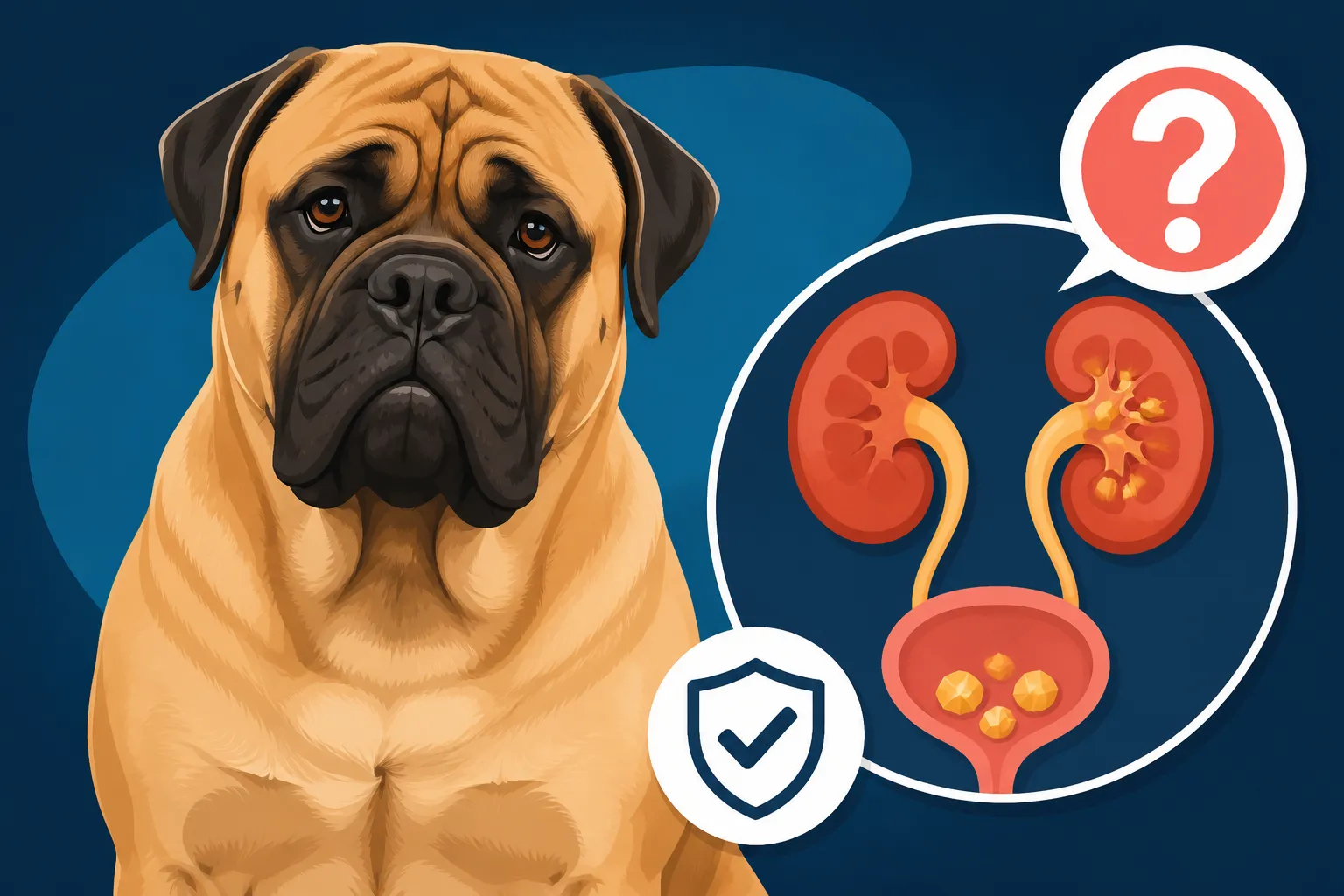
Cystinuria is one of those veterinary terms that can sound intimidating and confusing, but at its heart, it’s a metabolic disorder that affects how a dog's kidneys handle a specific amino acid called cystine. Normally, the kidneys act like a sophisticated filter, reabsorbing essential nutrients, including amino acids, back into the bloodstream while flushing out waste products. In dogs with Cystinuria, there's a specific defect in this reabsorption process for cystine. Instead of being recycled, excess cystine spills into the urine.
This might not sound like a huge problem at first glance, but here's where it gets tricky: cystine isn't very soluble in urine, especially if the urine is acidic. When too much cystine is concentrated in the urine, it starts to crystallize. Think of it like trying to dissolve too much sugar in a glass of water – eventually, the sugar just settles at the bottom. These microscopic cystine crystals can then clump together, forming larger structures known as cystine uroliths, or more commonly, bladder stones. While these stones are most often found in the bladder, they can also develop in the kidneys or ureters (the tubes connecting the kidneys to the bladder).
The Different Faces of Canine Cystinuria
It's important to understand that Cystinuria isn't a one-size-fits-all condition. Veterinarians and researchers have identified different types, primarily based on their genetic inheritance and how they manifest. This distinction is crucial because it influences which breeds are affected and how the condition might be passed down.
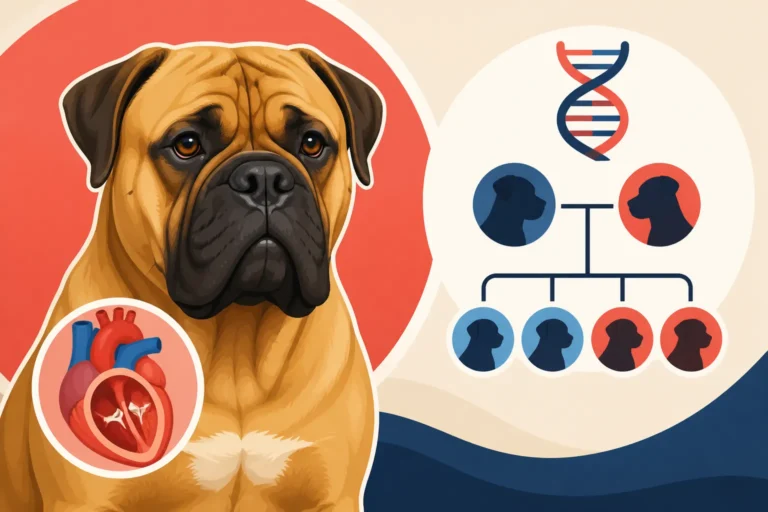
Type I Cystinuria is generally an autosomal recessive disorder, meaning a dog must inherit two copies of the faulty gene (one from each parent) to be affected. If a dog inherits only one copy, they are a carrier but typically won't show symptoms. Breeds like Newfoundlands and Labrador Retrievers are often associated with Type IA.
Type II Cystinuria is an autosomal dominant form with incomplete penetrance, which means a dog only needs one copy of the faulty gene to potentially develop the condition, but not all dogs with the gene will necessarily show clinical signs. This type is seen in breeds such as the Australian Cattle Dog.
Type III Cystinuria is the one we primarily focus on when discussing Mastiff-type breeds, including our beloved Bullmastiffs. This type is often described as sex-linked or androgen-dependent, meaning it primarily affects male dogs, although carrier females can pass it on. The manifestation of Type III Cystinuria is influenced by male hormones (androgens), which explains why neutering affected males can sometimes lead to a reduction in stone formation. This particular form can affect a range of related breeds, including Bullmastiffs, English Mastiffs, French Bulldogs, and sometimes others. Understanding this genetic nuance helps explain why breeders need to be so vigilant in screening their lines.
How Cystine Stones Cause Problems
The formation of cystine stones in the urinary tract can lead to a cascade of painful and potentially life-threatening issues for your Bullmastiff. These stones can cause irritation to the lining of the bladder, leading to inflammation and discomfort. More severely, they can partially or completely obstruct the urethra, the tube that carries urine from the bladder out of the body. A complete obstruction is a medical emergency because the dog cannot urinate, leading to a dangerous buildup of toxins in the body and potential rupture of the bladder or kidney damage. Imagine the excruciating pain and distress your dog would endure. This is a situation that requires immediate veterinary attention.
Does Cystinuria Affect Bullmastiffs? A Breed-Specific Concern
The short answer is a definitive yes, Bullmastiffs can and do get Cystinuria. As mentioned, they fall into the category of Mastiff-type breeds that are susceptible to Type III Cystinuria. This isn't just a theoretical risk; it's a very real concern that responsible breeders and owners should be aware of. While it might not be as widely publicized as some other health issues, such as Hip Dysplasia in a Bullmastiff or Elbow Dysplasia in a Bullmastiff, its impact on an affected dog's quality of life can be severe.
Why Bullmastiffs Are Predisposed
The predisposition of Bullmastiffs to Type III Cystinuria is rooted in their genetics. The specific gene mutation responsible for this type of Cystinuria has been identified in several Mastiff breeds, indicating a shared genetic heritage. This means that even if a Bullmastiff appears perfectly healthy and never forms stones, they could be a carrier of the gene and unknowingly pass it on to their offspring. This makes breeder screening incredibly important, as knowing the genetic status of breeding dogs can help prevent the spread of the condition. You should always ask Which Health Tests a Bullmastiff Breeder Should Run and specifically inquire about Cystinuria.
The age of onset for clinical signs in Bullmastiffs with Type III Cystinuria can vary, but it's often seen in younger to middle-aged males, typically between 1 and 6 years old. This means the problem can arise relatively early in your Bullmastiff's life, leading to significant veterinary bills and distress for both dog and owner. The fact that it's largely hormone-dependent in males also explains why intact males are at a higher risk of forming stones compared to neutered males or females.
The Importance of Breeder Awareness and Genetic Testing
Given the hereditary nature of Cystinuria, it's paramount that Bullmastiff breeders are proactive in their health screening. While a genetic test for Type III Cystinuria isn't universally available for all Mastiff breeds, reputable breeders often utilize available testing for closely related breeds or maintain meticulous health records of their lines. Asking a breeder directly if their breeding stock has been screened for Cystinuria, or if there's any history of urinary stone disease in the pedigree, is a crucial step for any prospective puppy buyer. A responsible breeder will be transparent about the health history of their dogs and provide documentation of relevant health clearances. This transparency can help ensure you're bringing home a puppy with the best possible start in life.
Recognizing and Diagnosing Cystinuria in Bullmastiffs
Identifying Cystinuria in your Bullmastiff early can make a world of difference in managing the condition and preventing severe complications. The signs can sometimes be subtle, and because they often mimic those of a common urinary tract infection (UTI), they can be easily dismissed or misdiagnosed without specific testing.
The Warning Signs to Look Out For
If your Bullmastiff is experiencing any of the following symptoms, especially if they are a male, it's time for a visit to the veterinarian:
- Straining to urinate (Dysuria): This is perhaps the most common sign. Your dog might squat frequently, struggle to pass urine, or produce only small amounts despite repeated attempts. They may look uncomfortable or even cry out during urination.
- Frequent urination (Pollakiuria): An affected Bullmastiff might need to go outside much more often than usual, or suddenly start having accidents in the house even if they are perfectly house-trained.
- Blood in the urine (Hematuria): You might notice a pinkish or reddish tint to your dog's urine, or even small clots of blood. This indicates irritation or damage to the urinary tract from the stones.
- Licking at the genitals: Due to irritation and pain, your dog may excessively lick their penile or vulvar area.
- Urinating in inappropriate places: A previously house-trained dog suddenly urinating inside can be a strong indicator of discomfort or inability to hold urine due to bladder irritation or obstruction.
- Pain or discomfort: Your Bullmastiff might appear restless, sensitive when you touch their abdomen, or reluctant to move. In severe cases of obstruction, they might show signs of acute pain, lethargy, vomiting, and loss of appetite.
- Dribbling urine: If stones are causing a partial obstruction, urine might continuously dribble out.
It’s crucial to remember that these signs warrant immediate veterinary attention. Don't assume it's just a UTI and wait it out; prompt diagnosis is key. Regular wellness exams and annual bloodwork, especially as your Bullmastiff ages, can also help flag potential issues, though specific Cystinuria diagnosis requires targeted tests. Consider How Often a Bullmastiff Needs a Wellness Exam and Whether a Bullmastiff Needs Bloodwork Yearly as part of your routine care.
The Diagnostic Journey: From Suspicion to Confirmation
When you bring your Bullmastiff to the vet with urinary symptoms, the diagnostic process will likely involve several steps to pinpoint the exact cause:
- Urinalysis: This is usually the first step. A urine sample will be examined under a microscope for the presence of blood, inflammatory cells, bacteria, and most importantly, specific types of crystals. While finding cystine crystals is a strong indicator, their absence doesn't rule out Cystinuria, as crystals aren't always present in every sample. The pH of the urine is also important, as cystine stones form more readily in acidic urine.
- Urine Culture: To rule out or identify a secondary bacterial urinary tract infection, which often accompanies stones. Treating any infection is important for your dog's comfort and to prevent further complications.
- Imaging Studies:
- X-rays (Radiographs): While standard X-rays can detect many types of bladder stones (like struvite or oxalate), cystine stones are often "radiolucent," meaning they don't show up clearly on a plain X-ray. Your vet might still take them to rule out other stone types or conditions.
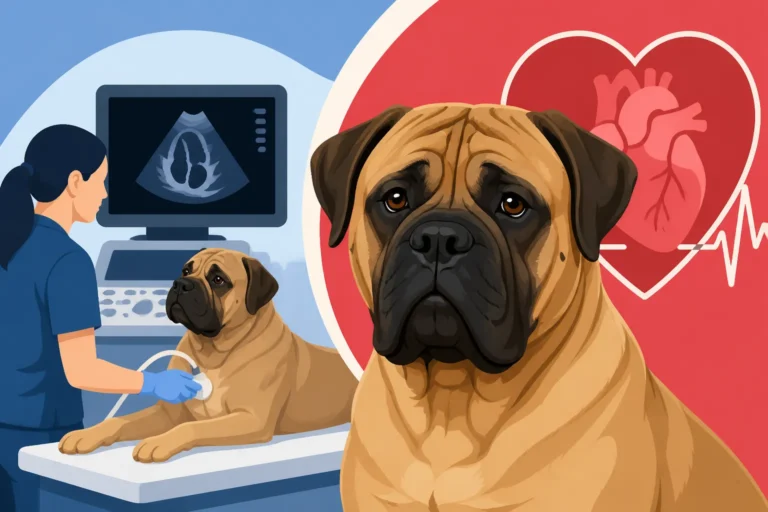
- Ultrasound: This is generally a more effective tool for visualizing cystine stones. Ultrasound allows the vet to see the bladder walls, identify stones, and assess the kidneys and ureters for any blockages or changes.
- Contrast Studies (e.g., Double-Contrast Cystography): If plain X-rays and ultrasound are inconclusive, a special X-ray using a contrast dye injected into the bladder can help outline stones that wouldn't otherwise be visible.
- Genetic Testing: For breeds where a specific genetic mutation for Cystinuria has been identified, a genetic test (usually a cheek swab or blood sample) can confirm if your Bullmastiff carries the gene. This is especially useful for identifying carriers and for breeding programs.
- Stone Analysis: The definitive diagnosis of Cystinuria comes from analyzing the chemical composition of a retrieved stone. This is usually done after surgical removal or if stones are passed naturally. Knowing the exact type of stone is crucial for guiding treatment and prevention strategies.
Early and accurate diagnosis is critical. An undiagnosed or poorly managed case of Cystinuria can lead to recurrent urinary tract infections, severe pain, kidney damage, and potentially fatal urethral obstructions. It's a condition that demands proactive and thorough investigation.
Managing Cystinuria in Bullmastiffs: A Lifelong Commitment
Once your Bullmastiff has been diagnosed with Cystinuria, you'll embark on a journey of lifelong management. The goal is to prevent the formation of new stones and dissolve existing ones where possible, minimizing discomfort and averting emergency situations. This often involves a multi-faceted approach combining dietary changes, medication, and sometimes surgical intervention.
The Cornerstone: Dietary Management
Diet plays a pivotal role in managing Cystinuria. The primary aim of a therapeutic diet is to reduce the amount of cystine excreted in the urine and to make the urine less acidic (more alkaline), which helps keep cystine dissolved and less likely to form crystals.
- Low-Protein, Low-Sodium Diets: Cystine is an amino acid, and amino acids come from protein. Therefore, special prescription diets designed for urinary health are often lower in protein than typical dog foods. They are also usually lower in sodium. Brands like Hill's Prescription Diet u/d and Royal Canin Urinary SO are commonly prescribed. These diets work by:
- Reducing precursors: Less protein means less dietary methionine, which is a precursor to cystine, thus reducing the amount of cystine the kidneys have to filter.
- Alkalinizing the urine: These diets contain specific ingredients that help raise the pH of the urine, making it more alkaline. Cystine is much more soluble in alkaline urine (pH 7.0-8.0), greatly reducing its tendency to crystallize.
- Increased Water Intake: Diluting the urine is another key strategy. The more diluted the urine, the lower the concentration of cystine, making it harder for crystals to form. Encourage your Bullmastiff to drink more water by:
- Providing multiple fresh water bowls around the house.
- Adding water or low-sodium broth to their kibble.
- Using a pet drinking fountain, as many dogs prefer moving water.
- Feeding canned food, which has a much higher moisture content.
It’s important to note that these prescription diets are not "one-size-fits-all" and should only be used under the guidance of your veterinarian. What works for one dog might not be ideal for another, and regular urine monitoring is necessary to ensure the diet is effectively alkalizing the urine.
Medication and Monitoring
Dietary changes are often combined with specific medications to further aid in stone prevention and dissolution.
- Thiol-Binding Drugs: Medications like D-penicillamine (Cuprimine) or 2-mercaptopropionylglycine (MPG), often sold under the brand name Thiola, are known as thiol-binding drugs. These drugs work by binding with cystine in the urine, forming a more soluble compound that is less likely to crystallize into stones. These medications can be very effective but often come with side effects, such as gastrointestinal upset or skin reactions, and can be quite costly, adding to What a Bullmastiff's Medication Costs by Weight. They require careful monitoring by your veterinarian.
- Regular Urinalysis: Even with diet and medication, regular follow-up urinalysis is crucial. Your vet will want to check your Bullmastiff's urine pH, look for crystals, and perform a urine specific gravity test to ensure the urine is adequately diluted. These checks help fine-tune the treatment plan and catch potential issues before they become severe.
Surgical Intervention: When Stones Become an Emergency
While dietary and medical management aim to prevent and dissolve stones, there are times when surgical intervention becomes necessary, particularly if stones cause a complete urethral obstruction or are too large to dissolve.
- Cystotomy: This is a surgical procedure where the bladder is opened to remove stones. It provides immediate relief from obstruction and allows for definitive stone analysis. Recovery from cystotomy typically involves a period of rest and pain management, and requires careful monitoring for complications.
- Urethropexy: For male dogs with recurrent urethral obstructions due to stones becoming lodged, a procedure called a scrotal urethrostomy might be recommended. This involves creating a permanent opening in the urethra, usually behind the scrotum, that is wider than the natural opening, allowing smaller stones to pass more easily. This is typically a last resort for severe, recurrent cases.
Surgical procedures, especially emergency ones, can be incredibly expensive, quickly escalating into thousands of dollars. This is where having comprehensive pet insurance, such as a plan from Healthy Paws, can provide immense relief and allow you to make treatment decisions based on your dog's health needs rather than solely on financial concerns. Chemotherapy Is the Bill Most Bullmastiff Owners Face but conditions like Cystinuria can also lead to significant unexpected expenses early in life.
Long-Term Prognosis and Quality of Life
Living with a Bullmastiff that has Cystinuria is a commitment. It’s a lifelong condition that requires diligent management from you, the owner, and ongoing support from your veterinary team. The good news is that with consistent adherence to diet, medication, and regular monitoring, many Bullmastiffs with Cystinuria can live a good quality of life.
However, recurrence is common, even with the best management. This means you must remain vigilant for any return of urinary symptoms. Missing a dose of medication or deviating from the prescribed diet can quickly lead to a relapse in stone formation. The potential for recurrent obstructions means that prompt veterinary care is always necessary when symptoms arise.
Here's a quick look at key management strategies:
| Management Strategy | Goal | Key Actions |
|---|---|---|
| Dietary Modification | Reduce cystine excretion & increase urine pH (alkaline) | Feed prescription low-protein, low-sodium diet (e.g., Hill's u/d, Royal Canin Urinary SO). Avoid table scraps. |
| Increase Hydration | Dilute urine to prevent crystal formation | Provide constant fresh water, multiple bowls, add water to food, consider a pet fountain. |
| Medication | Prevent cystine crystallization | Administer thiol-binding drugs (e.g., Thiola) as prescribed. Monitor for side effects. |
| Routine Monitoring | Track urine pH & crystal formation, detect recurrence | Regular urinalysis, urine specific gravity checks, occasional imaging (ultrasound). |
| Surgical Intervention | Remove obstructive or persistent stones | Cystotomy for stone removal; urethrostomy for recurrent obstructions. |
As a Bullmastiff owner, you know these dogs are worth every effort. While Cystinuria is a serious condition, understanding it and working closely with your vet allows you to proactively manage it and provide your gentle giant with comfort and companionship for as long as possible. The financial burden can be heavy, but companies like Healthy Paws offer plans that can significantly ease the stress of managing chronic conditions or unexpected surgeries. Protecting your Bullmastiff's health financially, just like physically, is part of ensuring What a Bullmastiff Costs Over Its Lifetime is manageable and joyful.
Disclaimer
This article is intended for informational purposes only and does not constitute veterinary advice. Always consult with a qualified veterinarian for any health concerns or before making any decisions about your Bullmastiff's care, diet, or treatment.