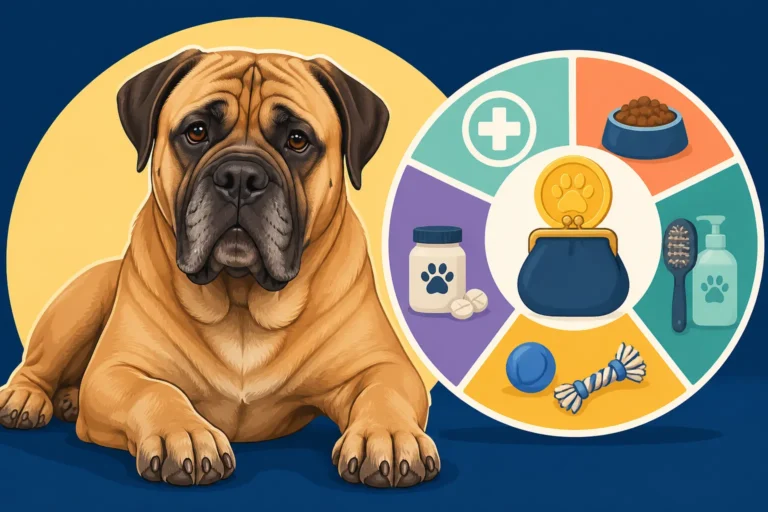
What a Bullmastiff’s Medication Costs by Weight
Bringing a Bullmastiff into your life is an incredible joy, but many owners quickly realize that the sheer size of these magnificent dogs impacts everything, including the cost of their healthcare. One of the most common budget shocks is the price tag on medications, which are often dosed by weight. This guide will walk you through why your Bullmastiff’s impressive bulk means a higher bill for everything from routine preventatives to emergency treatments, helping you prepare for these significant expenses.
The Weighty Reality of Bullmastiff Medications
It’s an undeniable truth for any large dog owner: the bigger the dog, the more everything costs. This isn't just about bigger beds or larger bags of kibble; it extends deeply into their veterinary care, especially when it comes to medications. Your Bullmastiff's substantial weight, often ranging from 100 to 130 pounds, places them firmly in the highest dosing categories for nearly every pharmaceutical product, driving up costs significantly compared to smaller breeds.
Why Weight Matters So Much for Dosing
When a veterinarian prescribes medication, the dosage is meticulously calculated to ensure efficacy and safety. This calculation almost always hinges on the patient's body weight or, in some specific cases, body surface area which correlates closely with weight. Think about it from a biological perspective: a tiny Chihuahua needs a minute amount of active ingredient to achieve a therapeutic effect, while a Bullmastiff requires a much larger quantity to distribute throughout their vast system and reach the necessary concentrations in their tissues and bloodstream.
This direct correlation means that if a drug comes in, say, 10mg, 50mg, and 100mg tablets, your Bullmastiff will likely need multiple of the largest dose or a specialized, higher concentration. This isn't about profit; it's about providing enough medication to treat an animal that is essentially many times the size of a smaller dog. Whether it's an antibiotic for an infection, a pain reliever for an injury, or a long-term heart medication, the actual volume or number of pills required for a Bullmastiff is substantially higher, and pharmaceutical companies price accordingly.
Common Medications Bullmastiffs Need
Bullmastiffs, like all dogs, require a range of medications throughout their lives, from routine preventative measures to treatments for acute illnesses and chronic conditions. Starting early, puppies need dewormers and initial doses of flea and tick prevention. As they grow, lifelong heartworm preventatives become essential. Given their size and predisposition to certain musculoskeletal issues, many Bullmastiffs benefit from Joint Supplements Cost for a Bullmastiff such as glucosamine and chondroitin, often started proactively.
Beyond routine care, Bullmastiffs are not immune to infections, allergies, or injuries that necessitate antibiotics, anti-inflammatories, or pain medications. Unfortunately, this noble breed also faces a higher risk for certain serious health conditions, meaning they may require expensive, long-term medications. Conditions like Hypothyroidism in a Bullmastiff or even cancers, which we’ll discuss further, mean that medication costs can quickly become a significant, ongoing burden for owners.
Routine Preventative Medications and Their Weight-Based Costs
Keeping your Bullmastiff healthy often involves a consistent regimen of preventative medications designed to ward off parasites and support overall well-being. While these might seem like minor expenses on their own, their cumulative cost—especially when scaled for a large breed—can add up considerably over the years.
Heartworm, Flea, and Tick Preventatives
These essential preventatives are almost always sold in specific weight categories. For instance, a brand might offer a box for dogs 0-25 lbs, another for 26-50 lbs, then 51-100 lbs, and finally, 101-150 lbs. You can bet your bottom dollar that your Bullmastiff, often weighing A Hundred and Thirty Pounds of Bullmastiff, Measured, will consistently fall into that highest, and most expensive, weight bracket. This means that a six-month supply for your Bullmastiff will cost significantly more than the same duration for a smaller dog.
Whether you opt for monthly oral tablets, topical applications, or biannual injections, the price reflects the amount of active ingredient required. Many owners find value in ordering these medications through reputable online pharmacies like Chewy, which often have competitive pricing and auto-ship options. However, even with discounts, the sheer volume needed for a Bullmastiff means a higher baseline cost. This continuous expense is one you'll factor into your budget for The Median Bullmastiff Lives Eight and a Half Years, and hopefully beyond.
Joint Supplements and Preventative Care
The magnificent structure of a Bullmastiff comes with certain vulnerabilities, particularly concerning their joints. Conditions like Hips and Elbows Under a Hundred and Thirty Pound Bullmastiff are unfortunately common, making preventative joint care a critical consideration for many owners. Supplements containing glucosamine, chondroitin, and MSM, often combined with omega-3 fatty acids from fish oil, are widely recommended to support cartilage health and reduce inflammation.
The dosage for these supplements is, you guessed it, directly tied to your dog's weight. A Bullmastiff will require a much higher daily dose than a smaller dog, meaning you'll go through bottles of chewables or powders much faster. While not strictly "medication" in the pharmaceutical sense, these supplements are a long-term investment in your Bullmastiff's comfort and mobility, especially as they age. Brands focusing on high-quality ingredients, often found in subscription meal services like Ollie, might integrate some of these beneficial nutrients into their formulations, but dedicated joint supplements remain a common added expense. Starting this preventative care early and consistently, alongside Keeping a Bullmastiff Lean Is the Best Thing You Can Do, can make a world of difference in their quality of life.
Acute and Chronic Illness Medications: The Heavier Toll
When your Bullmastiff falls ill or develops a long-term condition, the medication costs can quickly escalate beyond routine preventatives. The principle of weight-based dosing still applies, but now it's for drugs that can be far more potent and, consequently, more expensive per milligram.
Antibiotics and Anti-inflammatories
From a simple skin infection to a post-surgical recovery, antibiotics and anti-inflammatory drugs are frequently prescribed. Imagine your Bullmastiff develops a deep tissue infection or requires antibiotics after a minor injury. Where a small dog might receive a single 250mg tablet twice a day, your Bullmastiff could easily need multiple 500mg tablets, or even more, to effectively combat the infection throughout their large body. This translates directly to larger prescriptions and higher costs.
Similarly, non-steroidal anti-inflammatory drugs (NSAIDs) are crucial for managing pain and inflammation from injuries, arthritis, or post-operative recovery. A higher dose is needed to provide relief to such a large animal, meaning that a bottle of NSAIDs that might last a small dog weeks could be depleted in days for a Bullmastiff. These medications are vital for their comfort and healing, but the cost reflects the quantity.
Managing Chronic Conditions: Hypothyroidism and Allergies
Some conditions necessitate lifelong medication, turning a temporary expense into a permanent budget line item. Hypothyroidism, a common endocrine disorder where the thyroid gland doesn't produce enough hormones, is one such condition that can affect Bullmastiffs. Signs a Bullmastiff's Thyroid Has Failed often include weight gain, lethargy, and poor coat quality. Treatment involves daily thyroid hormone replacement medication, typically levothyroxine.
The dose of levothyroxine is carefully titrated based on the dog's weight and regular blood tests to ensure appropriate hormone levels. For a Bullmastiff, this means a significantly higher daily tablet count than for a smaller dog. This isn't a one-time purchase; it's a daily medication for the rest of their life. Similarly, chronic allergies, whether environmental or food-related, might require daily antihistamines, specialized prescription diets, or even more advanced immunomodulating drugs. Again, these are all priced and dosed according to your Bullmastiff’s substantial body mass, making managing these conditions a considerable financial commitment.
Specialized and Emergency Medications: When the Bills Skyrocket
While routine and chronic care expenses are predictable, the true financial impact of a Bullmastiff's size on medication costs becomes starkly evident during specialized treatments or emergency situations. These are the moments when the bills can truly skyrocket, making preparation crucial.
Cancer Treatment Medications (Chemotherapy and Palliative Care)
It's a heartbreaking reality that Lymphoma Kills More Bullmastiffs Than Anything Else, and other cancers like mast cell tumors and osteosarcoma are concerns for the breed. If your Bullmastiff receives a cancer diagnosis, the cost of treatment medications can be staggering. Chemotherapy drugs, for instance, are often dosed meticulously based on body surface area (BSA), which directly correlates with a dog's weight. A large dog like a Bullmastiff will require much larger quantities of these potent drugs, making each treatment session significantly more expensive than for a small breed. You can learn more about What a Bullmastiff's Lymphoma Chemotherapy Protocol Costs and quickly see how those numbers add up.
Beyond curative treatments, palliative care for advanced cancers or other debilitating conditions often involves powerful pain management medications, anti-nausea drugs, and steroids like prednisone. While prednisone can offer some relief for conditions like lymphoma, Whether Prednisone Alone Helps a Bullmastiff is a complex question. All these medications, whether for active treatment or comfort care, are dispensed in quantities proportionate to your Bullmastiff's size. Having robust pet insurance from providers like Healthy Paws can be a lifeline in these situations, helping to mitigate the enormous financial burden of specialized cancer medications.
Anesthesia and Emergency Drug Costs
Any procedure requiring sedation or general anesthesia for your Bullmastiff will incur higher costs simply because of their size. From routine dental cleanings to more complex surgeries, the amount of pre-medication, induction agents, and inhalant anesthesia needed to safely sedate and maintain a 100+ pound dog is substantially greater than for a 20-pound terrier. This means more vials of expensive drugs and often longer, more intensive monitoring during and after the procedure.
Emergencies amplify this effect. For instance, the terrifying onset of Bloat in a Bullmastiff requires immediate and intensive veterinary intervention, including potentially life-saving surgery. Medications for stabilization, pain control, and anesthesia are administered rapidly and in large doses. What Bloat Surgery Involves on a Bullmastiff illustrates the complexity, and every drug administered adds to the bill, scaled to your Bullmastiff's massive size. These unforeseen medical crises truly highlight why medication costs for a large breed can be so much more demanding.
Strategies for Managing High Medication Costs
Understanding that your Bullmastiff’s size inherently drives up medication costs is the first step. The next is to proactively put strategies in place to manage these expenses, so you can provide the best possible care without undue financial strain.
Pet Insurance and Wellness Plans
One of the most effective ways to cushion the blow of high medication costs, especially for unexpected illnesses or chronic conditions, is through pet insurance. Providers like Healthy Paws offer various plans that can reimburse a significant percentage of your veterinary bills, including prescriptions. While the premiums for a large breed like a Bullmastiff might be higher, Why a Bullmastiff's Premium Is High is directly related to their higher risk profile and, yes, the increased cost of their treatments and medications. It's crucial to enroll your Bullmastiff when they are young, ideally as a puppy, to avoid pre-existing condition exclusions that could leave you paying full price for later diagnoses. Always investigate What Insurance Covers on a Bullmastiff carefully to understand deductibles, reimbursement percentages, and annual limits.
Beyond insurance for unexpected events, some pet owners opt for wellness plans offered by veterinary clinics or third-party providers. These plans typically cover routine care, including annual exams, vaccinations, and often a discount on preventative medications like heartworm and flea/tick treatments. While they may not cover major illness costs, they can help budget for the predictable, weight-dependent preventative meds.
Comparing Pharmacies and Generic Options
Just as you might shop around for your own prescriptions, the same strategy can yield significant savings for your Bullmastiff’s medications. Don't assume your veterinarian's in-house pharmacy is always the cheapest option. Ask for a written prescription and compare prices at local human pharmacies (many stock common veterinary drugs) or reputable online pet pharmacies. Companies like Chewy offer extensive online pharmacies with competitive pricing, and many even offer auto-ship options for recurring medications.
Another vital question to ask your vet is about generic alternatives. Many common medications, once their patent expires, become available as generics at a fraction of the cost of the brand-name drug. For instance, generic levothyroxine for hypothyroidism or certain antibiotics can be substantially cheaper. While some drugs are only available as brand names, always inquire if a generic is suitable and available for your Bullmastiff. For unique situations where a specific dosage or a palatable compounded form is needed, compounding pharmacies can create custom medications, though these often come at a premium. Being an informed consumer can make a substantial difference in your overall medication expenses.
Table: Impact of Bullmastiff Weight on Medication Categories
To give you a clearer picture, here’s a general overview of how your Bullmastiff's weight influences various medication categories:
| Medication Category | Impact of Weight on Dosage | Impact on Cost | Example Scenario for Bullmastiff |
|---|---|---|---|
| Parasite Prevention | Dosed by strict weight bands; Bullmastiffs always in highest. | Highest weight band equals highest price per dose/package. | Needs 100-150 lb heartworm pill, costing X amount for 6 doses, much more than 25-50 lb pill. |
| Antibiotics | Higher body mass requires larger mg/kg dose. | More pills or higher concentration liquid per prescription. | Needs multiple 500mg tablets for a week-long course vs. a single 250mg tablet for a small dog. |
| Anti-inflammatories/Pain | Larger body requires higher mg/kg dose for efficacy. | More tablets per bottle, used up faster; higher cost for chronic conditions. | Daily NSAID for arthritis means a large number of high-dose tablets, requiring frequent refills. |
| Thyroid Medication | Daily dose titrated to metabolic needs based on weight. | Higher daily tablet count, lifelong expense. | Requires 0.8mg levothyroxine daily, split into several tablets, for life. |
| Chemotherapy | Dosed by body surface area (BSA) or precise mg/kg. | Extremely high cost due to drug potency and quantity needed for large size. | Specific chemo drug dose for 120 lb Bullmastiff can be many times that for a 30 lb dog. |
| Anesthesia Drugs | Larger volume of sedative and anesthetic agents required. | Higher cost for any procedure requiring sedation/general anesthesia. | Dental cleaning costs more due to higher anesthetic drug volume and extended monitoring. |
| Joint Supplements | Recommended daily dose scales with weight. | Faster consumption of products; ongoing, significant cost for proactive care. | Requires large chewable glucosamine tablets, 4-6 per day, emptying bottles quickly. |
Disclaimer
This article is for general informational purposes only and does not constitute professional advice. Laws, prices and regulations vary by location and change over time. Consult a qualified professional for guidance on your specific situation.