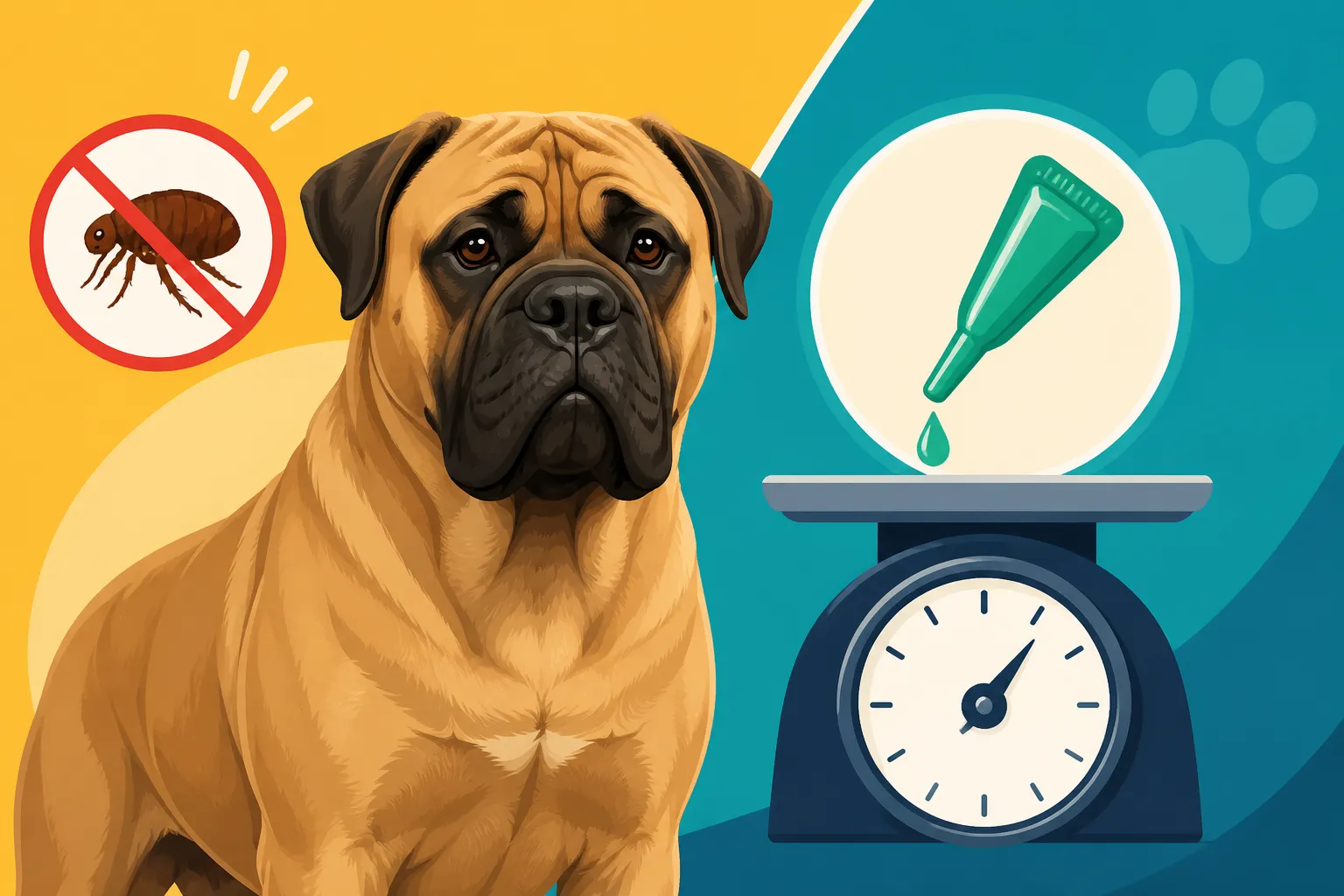
Which Flea Dose a Bullmastiff’s Weight Needs
One of the challenges of living with a magnificent Bullmastiff is ensuring their comfort and health, especially when it comes to unwelcome guests like fleas. Their sheer size means that flea prevention isn't just a small spot on the back; it's a critical calculation that impacts their well-being and, frankly, the peace of your entire home. This comprehensive guide will walk you through everything you need to know about choosing and administering the correct flea dose for your large companion, making sure your gentle giant stays protected.
The Heavy Burden: Why Flea Prevention is Non-Negotiable for Your Bullmastiff
When you have a Bullmastiff, you're not just dealing with an average-sized dog. These incredible animals are large, often weighing well over 100 pounds, and their substantial body mass presents unique considerations for health and care. Flea prevention, while seemingly straightforward, becomes a complex puzzle when you factor in their size. It's not just about stopping an itch; it's about safeguarding their overall health.
Imagine your gentle giant constantly scratching, gnawing at their fur, and generally being miserable. Fleas aren't just an annoyance; they're parasites that feed on blood, and a severe infestation can lead to more serious health problems. For a large breed like a Bullmastiff, a small problem can quickly escalate due to their size and the potential for a large surface area for fleas to inhabit.
Beyond the Itch: Health Risks Associated with Fleas
While incessant itching is the most obvious sign of a flea problem, the complications extend far beyond mere discomfort. Fleas can transmit tapeworms if ingested, leading to digestive issues and weight loss. For puppies or older, vulnerable Bullmastiffs, a heavy flea burden can even cause anemia, a dangerous condition where they don't have enough healthy red blood cells. An anemic Bullmastiff will appear lethargic, have pale gums, and might struggle with everyday activities. This is why consistent and effective flea control is paramount, not just for comfort but for serious health protection.
Another significant concern, especially for dogs with sensitive skin or existing conditions, is flea allergy dermatitis (FAD). Just one flea bite can trigger an intense allergic reaction in susceptible dogs, leading to severe itching, redness, inflammation, and secondary skin infections. Skin Allergies in a Bullmastiff are no joke, and a flea infestation can easily exacerbate or even initiate such problems, turning a simple itch into a painful, long-lasting skin ordeal requiring veterinary intervention.
Environmental Control: Protecting Your Home and Your Bullmastiff
It’s easy to focus solely on treating the dog, but a Bullmastiff's environment is just as crucial. Given their indoor nature and love for sprawling on comfortable beds or your favorite rug, fleas quickly establish themselves in your home. A single adult flea can lay dozens of eggs per day, which then fall off your Bullmastiff into carpets, bedding, and furniture. These eggs hatch into larvae, which then pupate, and before you know it, you have a full-blown infestation.
This cycle means that treating your Bullmastiff effectively also requires vigilant home care. Regular vacuuming, washing bedding (including your Bullmastiff's beloved Which Bed Size a Bullmastiff Needs), and possibly using household flea treatments are all part of a comprehensive strategy. If you don't address the environmental aspect, your Bullmastiff will continually be re-infested, no matter how diligent you are with their monthly medication. It's a frustrating cycle that many Bullmastiff owners know all too well.
Decoding Flea Prevention: Understanding Your Bullmastiff's Options and Dosing Challenges
The world of flea prevention has expanded considerably beyond the simple flea collar of yesteryear. Today, Bullmastiff owners have a range of effective options, each with its own method of action and application. The critical element for a Bullmastiff, however, remains consistent: precision in dosing based on their weight.
Manufacturers design flea prevention products to be effective within specific weight ranges. Administering too little of a product means it won't be effective, leaving your Bullmastiff vulnerable. Giving too much can lead to an overdose, causing potentially serious side effects. This is particularly relevant for large and giant breeds, where the jump from one weight bracket to the next often means a significant change in the active ingredient dosage.
Different Types of Flea Prevention for Large Breeds
Let's look at the most common types of flea prevention available and what they generally entail for a Bullmastiff:
- Oral Medications: These are chewable tablets given by mouth, often once a month. They work by entering your Bullmastiff's bloodstream, and when a flea bites, it ingests the medication and dies. Many Bullmastiffs find these palatable, but the size of the pill for a massive dog can sometimes be a challenge. The benefit is no messy topical application, and they usually start working quickly.
- Topical Treatments (Spot-Ons): Applied directly to the skin, usually between the shoulder blades, these liquids spread over the dog's skin and coat. They kill fleas (and often ticks) through contact or after the fleas bite. For a Bullmastiff, ensuring the application site is clear of fur and that the full dose makes it onto the skin is important. You'll need to prevent your Bullmastiff from licking the site, and if you have other pets, ensure they don't lick it either until it's dry.
- Flea Collars: Modern flea collars are more advanced than their predecessors, releasing active ingredients that spread over the dog's body to kill fleas and ticks. While convenient, their efficacy for a dog as large as a Bullmastiff can sometimes be a concern, as the active ingredients need to cover a vast surface area. They need to be fitted correctly – snug enough to make contact with the skin but loose enough for comfort.
- Injectable Treatments: Less common for routine flea prevention, but some longer-lasting injectable options exist, administered by a veterinarian.
Here's a quick comparison of these types for your Bullmastiff:
| Type of Prevention | Application & Frequency | Dosing Consideration for Bullmastiffs | Common Pros | Common Cons |
|---|---|---|---|---|
| Oral Medication | Given by mouth, typically monthly | Dosage is strictly weight-dependent; pill size for large dogs can vary. | Fast acting, no messy residue, unaffected by bathing/swimming. | Requires vet prescription, can interact with other meds, some dogs may refuse pills. |
| Topical Treatments | Liquid applied to skin, typically monthly | Requires applying entire contents to a small area, needs to spread over large body. | Effective against fleas & ticks, waterproof once dry, no need to ingest. | Messy application, skin irritation, needs to dry completely, other pets/children contact risk. |
| Flea Collars | Worn around the neck, lasts several months | Must fit securely and maintain skin contact to distribute active ingredients effectively over a large dog. | Long-lasting, relatively easy application once fitted. | May not be as effective for heavy infestations, skin irritation under collar, not suitable for all dogs/environments. |
The Importance of Weight-Based Dosing
Manufacturers spend considerable time and resources testing these products to determine the exact amount of active ingredient needed for various body weights. This ensures both efficacy and safety. A Bullmastiff puppy will need a significantly different dose than a fully grown adult. Keeping a Bullmastiff Lean Is the Best Thing You Can Do isn't just about joint health; it's also about ensuring accurate medication dosing throughout their life.
Trying to guess or approximate the dose is a dangerous game. For instance, using two doses of a smaller dog's topical treatment on a Bullmastiff instead of one designed for their weight might seem logical, but it could lead to incorrect concentrations of active ingredients or even a toxic overdose. Always, always stick to the product guidelines and, more importantly, your veterinarian's prescription. You can often order these vet-prescribed medications through online retailers like Chewy, making it convenient to get the right dosage delivered right to your door after your vet has made the initial recommendation.
Partnering with Your Vet: Ensuring the Correct Dose and Safe Application for Your Giant Friend
You might think you can just grab any flea medication off the shelf, but for a Bullmastiff, that's rarely the best approach. Their significant size and breed-specific health concerns mean that professional veterinary guidance is not just recommended, it's essential. Your veterinarian is your best resource for determining the safest and most effective flea prevention strategy.
Think of your vet as your Bullmastiff's personal health strategist. They consider more than just weight; they factor in age, any existing health conditions, other medications your Bullmastiff might be taking, and even your local flea and tick prevalence. This holistic approach ensures your Bullmastiff gets tailored protection that won't inadvertently cause other issues. What a Bullmastiff's Annual Checkup Costs is money well spent, especially when it comes to vital preventative care like flea and tick control.
Accurate Weight Measurement: The Foundation of Proper Dosing
The cornerstone of correct flea dosing is an accurate weight measurement. For a Bullmastiff, this means using a proper veterinary scale, not just guessing or using a bathroom scale. Many a time, I've seen owners try to weigh their Bullmastiff by holding them on a scale, only to get a wildly inaccurate reading. An adult Bullmastiff can weigh anywhere from 100 to 130 pounds, or even more for males, and even a few pounds difference can shift them into a different dosing bracket.
During your Bullmastiff's annual wellness exam, your vet will routinely weigh them. This is the perfect opportunity to discuss flea prevention and get an updated prescription based on their current weight. Remember, Bullmastiff puppies grow rapidly, so their weight will change dramatically over their first year. Regular vet visits are crucial to ensure they are always on the correct dose as they develop. How Often a Bullmastiff Needs a Wellness Exam should be a serious consideration for all owners.
Discussing Potential Side Effects and Interactions
While flea medications are generally safe, no medication is without potential side effects. For a Bullmastiff, especially with their unique physiology, discussing these with your vet is vital. Side effects can range from mild digestive upset (with oral medications) to skin irritation at the application site (with topicals). In rare cases, more severe neurological symptoms can occur. Your vet can advise you on what to watch for and how to react.
Furthermore, if your Bullmastiff is on any other medications – perhaps for joint support, thyroid issues, or cardiac health – your vet needs to know. Some flea prevention products can interact with other drugs, potentially leading to adverse reactions. This comprehensive understanding of your Bullmastiff's health profile is why a prescription from your vet is always the safest route. If, by chance, your Bullmastiff experiences an unexpected reaction, having pet insurance like Healthy Paws can be a significant relief, helping to cover the costs of unexpected vet visits or treatments.
Beyond the Dose: Comprehensive Flea Management for a Healthy Bullmastiff Home
Administering the correct flea dose is a massive step, but it's part of a larger, ongoing commitment to keeping your Bullmastiff and your home flea-free. Effective flea management is a year-round endeavor, requiring consistency, environmental awareness, and vigilance.
Remember, fleas aren't seasonal anymore in many climates thanks to indoor living and climate control. Even in colder months, fleas can thrive indoors. This is why most veterinarians recommend year-round prevention for all pets, particularly for large indoor dogs like Bullmastiffs who can bring in pests from even short outdoor excursions.
Consistency is Key: Never Miss a Dose
It sounds simple, but consistency is often where flea prevention plans fall apart. Life gets busy, and it's easy to forget that monthly dose. But just one missed dose can open the door for a new infestation to take hold. Many products only offer protection for a specific period (e.g., 30 days), and once that window closes, your Bullmastiff is vulnerable again.
Set reminders on your phone, mark it on a calendar, or even sign up for auto-ship programs from pet supply retailers like Chewy or your vet's office. This ensures you always have the next dose on hand when you need it. Especially if you're trying to keep a Bullmastiff like yours comfortable as they age, consistent preventative care is a big part of Caring for an Aging Bullmastiff.
Addressing Environmental Concerns and Cleaning Protocols
As we touched on earlier, a significant part of flea management is environmental control. This means regular cleaning of your home, especially areas where your Bullmastiff spends a lot of time. Vacuum carpets, rugs, and upholstery frequently, and immediately dispose of the vacuum bag outside to prevent any captured fleas or eggs from escaping back into your home.
Hot washing your Bullmastiff's bedding is also critical. Since Bullmastiffs can be prone to Elbow Dysplasia in a Bullmastiff and Hip Dysplasia in a Bullmastiff, they often need comfortable, orthopedic beds. Make sure these are cleaned regularly according to the manufacturer's instructions. If you have a severe infestation, you might need to consider professional pest control or specific household flea sprays, but always use these with caution and ensure your Bullmastiff is safely away from treated areas.
When to Seek Further Veterinary Advice
Despite your best efforts, sometimes flea problems persist or new symptoms arise. If you notice any of the following, it's time for another vet visit:
- Persistent itching or discomfort despite regular application of flea prevention. This could indicate flea allergy dermatitis, resistance to the product, or another underlying skin issue.
- Signs of skin infection, such as redness, pus, foul odor, or hair loss.
- Lethargy, pale gums, or decreased appetite, which could signal anemia from a heavy infestation.
- Any unusual reactions after administering flea medication, such as vomiting, diarrhea, tremors, or changes in behavior.
Your vet might recommend a different type of preventative, investigate for other parasites, or treat any secondary infections. They can also provide guidance on Why a Bullmastiff's Medication Costs More Per Dose for any additional treatments needed. Remember that overall good health, supported by a quality diet – perhaps even custom meals from a service like Ollie – can help your Bullmastiff maintain a strong immune system, making them more resilient to the challenges of parasites and recovery from related issues.
Disclaimer
This article is for general informational purposes only and does not constitute professional advice. Laws, prices and regulations vary by location and change over time. Consult a qualified professional for guidance on your specific situation.