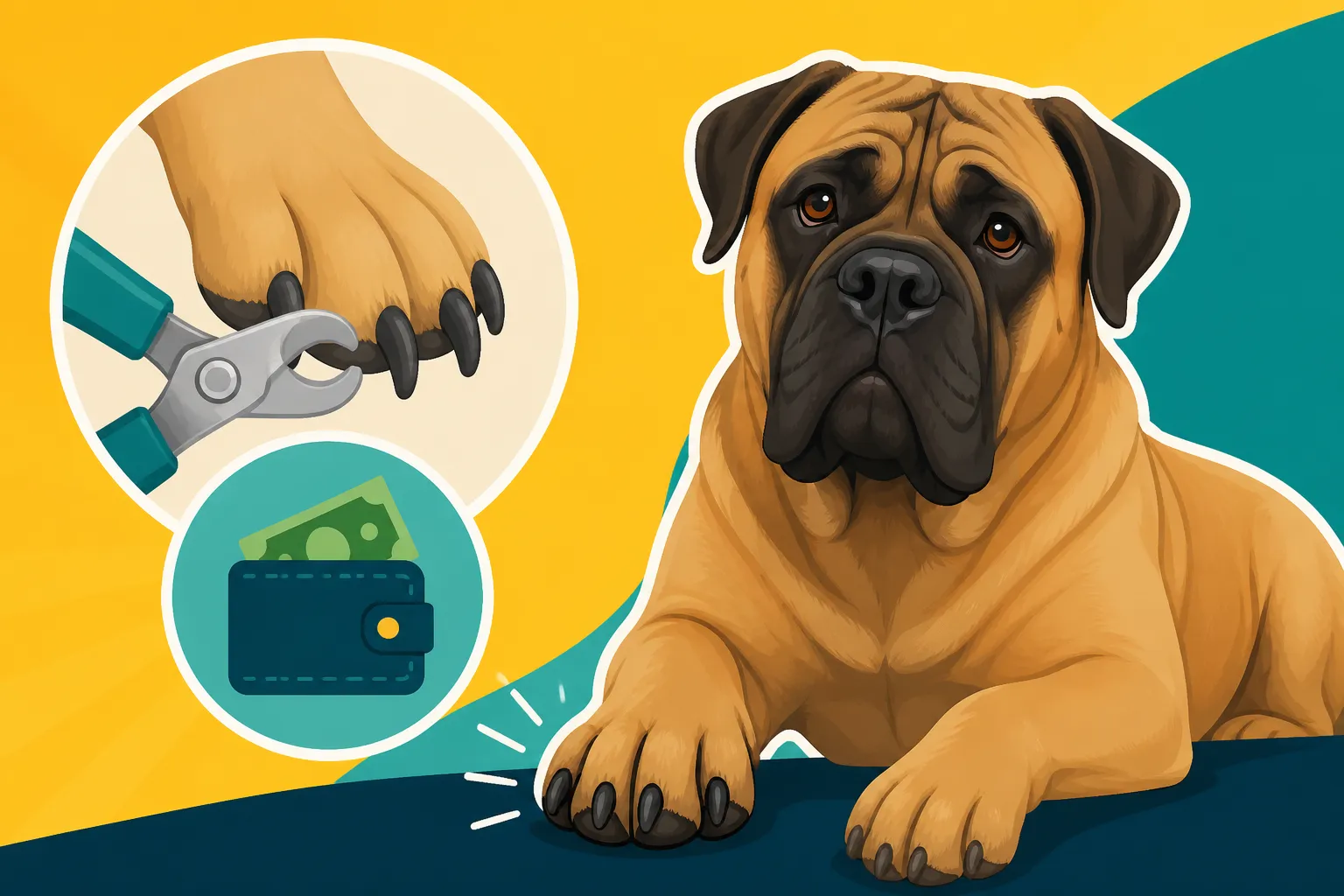
What Nail Trims Cost for a Bullmastiff
One of the challenges of owning a magnificent Bullmastiff is managing their sheer size and strength, and that definitely extends to their paws! Those big, sturdy nails grow quickly and can become a real problem if not kept in check. Many owners find themselves in a bind, either struggling to clip their dog's tough nails at home or feeling the pinch of frequent professional grooming bills. This guide is here to walk you through the realities of Bullmastiff nail care, exploring both the costs and the commitment involved in keeping your gentle giant comfortable and healthy.
The Hidden Costs of Neglecting Your Bullmastiff's Nails
It might seem like a small detail, but letting your Bullmastiff's nails grow too long can lead to a cascade of problems, both for your dog's health and your wallet. These aren't just cosmetic issues; long nails fundamentally change how your big dog carries themselves, leading to discomfort and potentially serious injuries. Understanding the true impact of neglected nail care is the first step in appreciating why it's a non-negotiable part of responsible Bullmastiff ownership.
The Pain of Overgrown Nails and Its Domino Effect
Imagine walking on perpetually stubbed toes – that's often what long nails feel like for a dog. When a Bullmastiff's nails touch the ground, they push the toes upward, splaying the foot and putting unnatural pressure on the joints. Over time, this constant stress can contribute to or exacerbate existing orthopedic issues, like Hips and Elbows Under a Hundred and Thirty Pound Bullmastiff, leading to chronic pain and reduced mobility. A Bullmastiff's massive weight means even more pressure on those misaligned joints, making proactive nail care even more critical for their long-term well-being.
Beyond chronic discomfort, overgrown nails are a major risk factor for acute injuries. A nail that's too long is more likely to snag on carpet, furniture, or rough terrain, leading to a painful torn or ripped nail. These injuries are incredibly common and often result in immediate pain, bleeding, and a trip to the emergency vet. Furthermore, if a nail curls around and grows into the paw pad, it can cause severe infection and lameness. These aren't just minor inconveniences; they're genuine medical emergencies that demand prompt and often expensive attention, highlighting how seemingly small neglect can snowball into significant problems.
Emergency Vet Visits for Nail Issues
When a Bullmastiff tears a nail, it's rarely a calm, clean affair. Often, the nail is partially or completely ripped from the quick, the sensitive part of the nail that contains blood vessels and nerves. The pain is intense, and the bleeding can be profuse, often staining carpets and furniture. Your vet will likely need to sedate your Bullmastiff to properly assess and clean the wound, remove any remaining detached nail fragments, and apply bandages. This procedure alone can be a surprising bill, especially considering follow-up visits, pain medication, and antibiotics to prevent infection.
Ingrown nails, while perhaps less dramatic, can also necessitate veterinary intervention. If a nail has grown into the paw pad, it creates a deep, infected wound that is excruciating for your dog. A vet will need to carefully extract the embedded nail, clean the infected area, and prescribe antibiotics. For a stoic Bullmastiff, who can be masters at How a Bullmastiff Hides Pain, these issues might go unnoticed until they are quite advanced and require more intensive care. While pet insurance companies like Healthy Paws are excellent for covering unexpected accidents and illnesses, routine nail trims are generally not included in their policies, meaning you'd be out-of-pocket for these emergency nail-related medical expenses unless it's truly an accident. This makes a strong case for consistent preventative care.
DIY Nail Trimming: Tools, Techniques, and Time Investment
For many Bullmastiff owners, the idea of trimming those thick, hard nails can be daunting. But with the right tools, a bit of patience, and a lot of positive reinforcement, it's absolutely something you can tackle at home. Doing it yourself can save a significant amount of money over your Bullmastiff's The Median Bullmastiff Lives Eight and a Half Years, but it requires an initial investment in equipment and, perhaps more importantly, an ongoing investment of your time and effort.
Essential Tools for At-Home Nail Trimming
First things first, you need the right clippers for a Bullmastiff. Regular small dog clippers simply won't cut it (pun intended!). You'll need heavy-duty guillotine-style clippers or large scissor-style clippers specifically designed for large breeds. Many owners find that a high-quality Dremel-style nail grinder is actually easier and safer for Bullmastiffs, as it allows you to slowly file the nail down, reducing the risk of cutting into the quick. These grinders offer a smoother finish and can be less intimidating for some dogs. You can find a wide variety of excellent clippers and grinders on online pet supply retailers like Chewy, making it easy to compare options and find what works best for your dog and budget.
No matter which method you choose, styptic powder is a non-negotiable item to have on hand. Even the most experienced trimmers can nick the quick occasionally, and styptic powder will quickly stop the bleeding. Alongside these tools, you'll need an arsenal of high-value treats. These aren't just for after the trim; they're for throughout the entire process, creating a positive association. Think about using something truly enticing, like freeze-dried liver or small pieces of a fresh, human-grade food roll from a brand like Ollie. The initial cost for a good set of clippers might be around what a single professional trim costs, while a reliable grinder will be a higher upfront investment. However, these tools will last for years, making them a wise long-term investment.
Learning the Technique and Managing Stress
Learning how to trim your Bullmastiff's nails takes practice and patience. The most crucial part is identifying the quick, which is easier to see on lighter-colored nails. For black nails, it's a process of taking off small bits at a time until you see a small dark dot appear in the center, signaling you're close to the quick. You'll want to aim for a 45-degree angle, making sure to keep the blade sharp for a clean cut. For grinding, short bursts are key to prevent heat buildup and reduce anxiety.
Consistency is key, especially if your Bullmastiff is wary of having their paws handled. Start with short, positive sessions – just touching their paws, then tapping the clippers or grinder against a nail without actually trimming. Reward heavily for calm behavior. This desensitization process, much like Teaching a Bullmastiff to Have Its Feet Handled, can take weeks or even months, but it's vital for building trust and making future trims manageable. The time commitment for DIY trimming isn't just the few minutes of actual clipping; it's the daily or weekly positive reinforcement and consistent practice that makes it successful. If you find yourself in a constant battle, the emotional stress on both you and your Bullmastiff might outweigh the financial savings, leading many to seek professional help.
Professional Nail Trimming Services and Their Costs
For many Bullmastiff owners, especially those with anxious dogs or who simply don't feel confident trimming such large, hard nails, professional services are the way to go. While this option comes with an ongoing financial commitment, it often saves owners a lot of stress and ensures their dog receives proper care.
Vet Clinic vs. Groomer: Where to Go and Why
When considering professional nail trims, you generally have two main options: your local veterinary clinic or a professional dog groomer. Each has its pros and cons, and the best choice often depends on your Bullmastiff's temperament and any specific needs they might have. A vet clinic is often the preferred choice for dogs who are particularly anxious, aggressive, or have underlying medical conditions that make handling difficult. Vets and vet techs are trained to handle stressed animals safely, and they have the option to administer mild sedation if absolutely necessary. While this means a higher price point, the peace of mind and the expertise in a clinical setting can be invaluable. This might be part of What a Bullmastiff Costs Per Month if you're regularly visiting.
On the other hand, professional groomers generally offer a more cost-effective solution for routine nail trims. They are skilled in handling various breeds and often have specialized equipment for large dogs. Many groomers offer "walk-in" nail trim services, which can be convenient. However, a groomer might not be equipped to handle a severely reactive or fearful Bullmastiff, and they certainly cannot administer sedation. Some mobile grooming services also offer nail trims at your home, which can be fantastic for convenience and reducing stress for your dog, but these typically come with a premium price tag to cover travel and personalized service.
Frequency and Factors Influencing Professional Costs
A Bullmastiff's nails, like those of most active dogs, typically need trimming every two to four weeks. How Often a Bullmastiff's Nails Need Trimming is a question many new owners ask, and the answer directly impacts your recurring costs. If your Bullmastiff is very active on abrasive surfaces like concrete, their nails might wear down naturally a bit more, extending the time between trims. However, most Bullmastiffs, being big couch potatoes indoors, will require consistent attention.
Several factors will influence the cost of a professional nail trim for your Bullmastiff. Geographic location plays a huge role; services in a bustling city like Los Angeles or New York will undoubtedly cost more than in a rural area. Your dog's temperament also matters immensely. If your Bullmastiff is a perfect angel on the grooming table, the cost will be standard. But if they're squirmy, anxious, or require two people to hold them, many establishments will charge an "difficult dog" fee. And, as mentioned, if sedation is needed at the vet, that will significantly increase the bill, potentially adding multiple times the cost of a regular trim. For an Caring for an Aging Bullmastiff, reduced mobility or increased anxiety might make professional trims, especially with vet assistance, a more frequent and necessary expense.
Budgeting for Bullmastiff Nail Care
Understanding the necessity of nail care is one thing, but actually budgeting for it over the lifespan of a dog as large as a Bullmastiff is another. This isn't a one-and-done purchase; it's a recurring commitment that impacts your dog's comfort and your financial planning. Being prepared for these costs, whether you choose the DIY route or professional services, is crucial for responsible ownership.
Estimating Annual Costs: DIY vs. Professional
To give you a clearer picture, let's look at a hypothetical comparison of annual costs. Remember, actual prices will vary greatly by location and service provider, but this table should give you a general idea of the shape of the expense.
| Category | Initial Investment (One-time) | Recurring Costs (Annual Estimate) | Notes |
|---|---|---|---|
| DIY At-Home Care | Clippers: Moderate | Styptic Powder: Low | Requires owner comfort and dog cooperation. Potential for occasional vet visits for quicked nails or stress if not managed well. High-value treats for positive reinforcement should be factored in, especially if using a brand like Ollie. |
| Grinder: Moderate to High | Replacement Grinding Bands: Low to Moderate | ||
| Professional Groomer | None | Low to Moderate (26 trims/year) | Best for dogs tolerant of handling. May have extra fees for difficult dogs. Price per visit typically lower than vet. |
| Veterinary Clinic | None | Moderate to High (26 trims/year) | Ideal for anxious dogs or those needing sedation. Higher cost per visit. Sedation adds significant expense. Excellent for ensuring safety and medical oversight for Bullmastiffs that are nervous or reactive about having their feet handled. |
As you can see, DIY care has a higher initial investment but can be significantly cheaper in the long run if you're consistent and successful. However, the "cost" here also includes your time and effort in training and maintaining the skill. Professional services, while requiring no upfront tool purchase, represent an ongoing expenditure that can add up over the years. Choosing the right path means weighing your comfort level, your Bullmastiff's temperament, and your budget.
Long-Term Financial Planning for Your Bullmastiff's Paws
Nail care is not just about avoiding immediate problems; it's about investing in your Bullmastiff's long-term health and quality of life. Consistent, proper nail maintenance contributes to better joint health, more comfortable movement, and fewer painful injuries. When you consider that a Bullmastiff can be quite stoic about pain, preventative care becomes even more important. Neglecting nails might save you a few dollars in the short term, but it often leads to much higher veterinary bills down the road when a severe tear or infection occurs. These unplanned costs can be far more substantial than the consistent expense of regular trims.
Think of nail care as an integral part of your Bullmastiff's overall wellness routine, just like feeding them quality food or ensuring they have Whether a Bullmastiff Needs Joint Supplements. It's a small but mighty detail that has a massive impact on their comfort, mobility, and ability to enjoy their life to the fullest. Integrating this cost into your overall budget for your Bullmastiff from puppyhood, alongside What a Bullmastiff Puppy Costs From a Breeder and other early expenses, will set you and your dog up for a healthier, happier life together, preventing many of Why a Bullmastiff's Bills Come Early. It's a commitment, but one that truly pays off in the well-being of your beloved giant.
Disclaimer
This article is for general informational purposes only and does not constitute professional advice. Laws, prices and regulations vary by location and change over time. Consult a qualified professional for guidance on your specific situation.