How Much a Bullmastiff Drools on a Wall
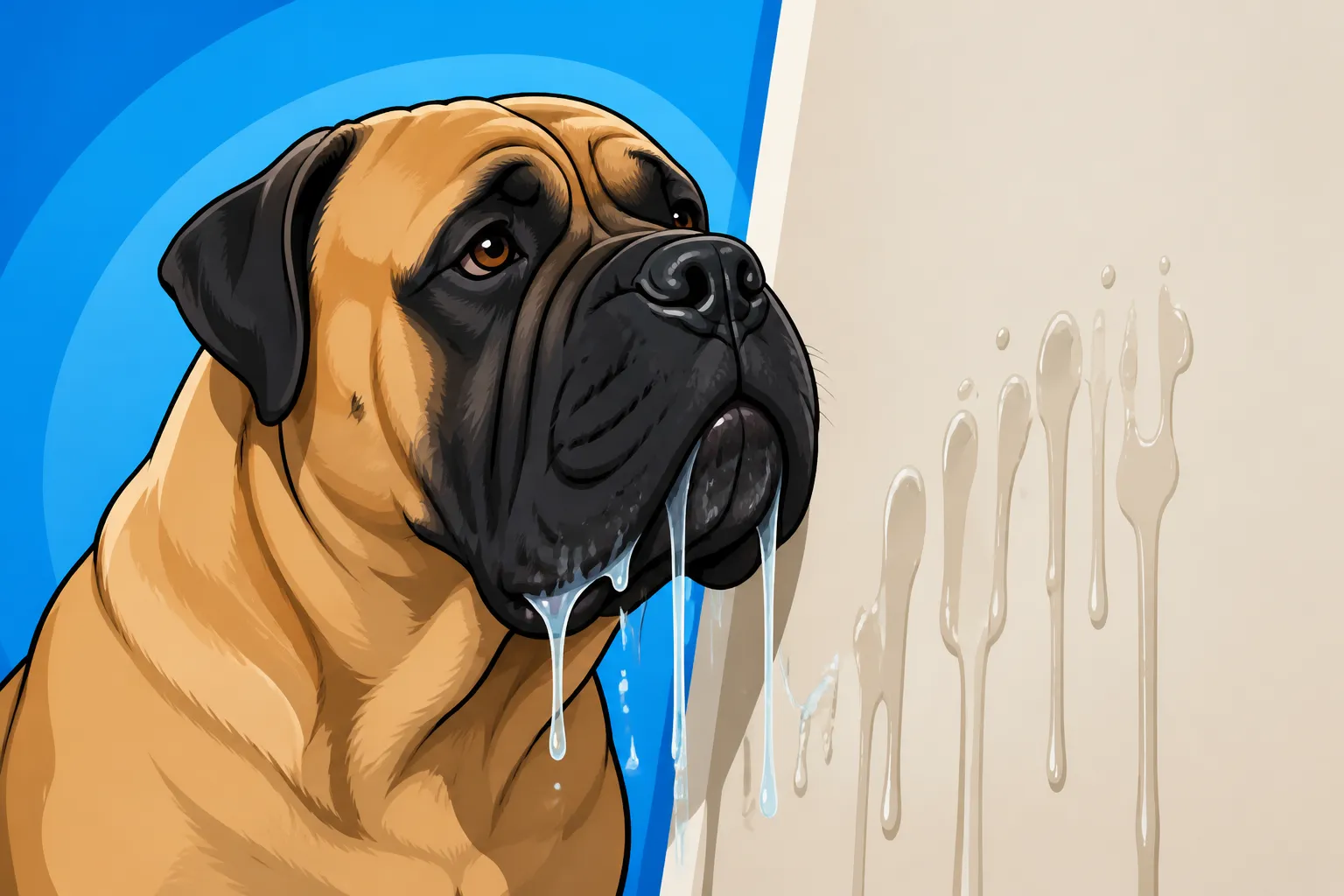
Oh, the quintessential Bullmastiff "wall art" – if only it were actually art, right? For anyone living with or considering one of these magnificent giants, the question of "how much a Bullmastiff drools on a wall" isn't just theoretical; it's a daily, tangible reality. This isn't about a tiny wet spot here or there; we're talking about visible streaks, flying projectiles, and sometimes, what feels like a Jackson Pollock painting in canine saliva. This guide is here to give you a realistic picture of the drool situation and how you can manage it, because let's face it, it's a significant part of Bullmastiff ownership.
Understanding the Bullmastiff Drool Factor
Before we dive into the specific aesthetics of drool on your walls, it's important to understand why Bullmastiffs drool so much in the first place. It's not because they're rude or messy; it's built into their anatomy and breed characteristics. Their unique facial structure, while undeniably charming, is also the primary culprit.
The Anatomy Behind the Slobber
Bullmastiffs possess those wonderfully expressive, loose jowls that hang down past their lower jaw. These jowls, a defining feature of the breed, are designed to hold saliva rather than letting it drain back down their throats. While functional for their historical role of silently holding poachers, in a modern home, they essentially act as saliva reservoirs. When a Bullmastiff shakes its head, drinks water, gets excited, or even just yawns, that stored saliva is flung out. It’s like a natural, four-legged sprinkler system, and often, what comes out isn't just a dribble.
Think of it this way: their mouths aren't designed for a neat, contained swallow. They have ample oral real estate that can accumulate quite a bit of liquid. This is very different from breeds with tighter lips, like a German Shepherd, where saliva is typically managed internally. For a Bullmastiff, once those jowls fill up, any movement becomes a potential drool event. This is also why understanding Why a Bullmastiff's Jowls Hold Saliva is key to accepting this daily reality.
When Drool Becomes a Flying Object
It's not just the sheer volume of saliva that gets on your walls; it's the propulsion. A Bullmastiff shaking its head isn't just a cute quirk; it's a kinetic event. When those heavy jowls, laden with accumulated drool, suddenly change direction, centrifugal force takes over. Drool isn't merely dripping; it's launched.
This is particularly true after they've had a big drink of water. Picture a Bullmastiff dipping its entire muzzle into the water bowl. They come up, take a few gulps, and then, invariably, shake their head to clear the excess. That excess water, mixed with saliva, then becomes a wide-spray mist that can reach surprisingly far. Even a simple yawn or an excited bark can cause a "spray" effect. Knowing When a Bullmastiff Drools Most can help you anticipate these moments, but you can't prevent all of them. It's a fundamental part of their physical design.
The Extent of Drool: Walls, Ceilings, and Beyond
So, how much exactly does a Bullmastiff drool on a wall? The answer is: probably more than you're imagining, and in more places than you thought possible. It's not just the bottom half of the wall where they might lean; it's often much, much higher.
The Drool Arc: From Floor to Ceiling
Let's talk about the trajectory. When a Bullmastiff, standing at a height of 25-27 inches at the shoulder, gives a vigorous head shake, that drool can arc outwards and upwards with incredible force. I've personally seen drool land on ceilings, especially in rooms with lower ceilings or near the kitchen where they might be excitedly waiting for a treat. It's not uncommon to find little droplets on light fixtures, ceiling fans, and even doorframes that seem impossibly high.
The impact zone on walls typically ranges from about knee-height (where they might rub their jowls after eating or drinking) all the way up to eye-level for a tall adult, and sometimes, as mentioned, even higher. If your Bullmastiff is particularly enthusiastic or prone to dramatic head shakes, you'll see scattered spots, not just a consistent line. The kitchen and dining areas, due to food and water bowls, are usually ground zero, but living rooms, hallways, and even bedrooms are not immune. It's truly an all-encompassing experience.
Drool Streaks and Stain Potential
The consistency of Bullmastiff drool can vary. Sometimes it's thin and watery, leaving clear, quickly drying streaks. Other times, especially when they're excited or after a meal, it can be thicker and more mucous-like, clinging to surfaces with tenacity. These thicker gobs are the ones that leave the more pronounced streaks and can be a real pain to remove, particularly if they dry.
A big concern for many owners is whether the drool will stain. The good news is that fresh, clear drool generally doesn't stain painted walls, especially if wiped quickly. However, dried drool, especially if it's been mixed with food particles, dirt, or even just sitting for a while, can leave a slightly yellowed residue or a visible sheen. Over time, in high-traffic drool zones, you might notice a dulling of the paint finish or a slight discoloration. This is why addressing the drool quickly is important, both for cleanliness and for preserving your walls. Understanding Whether a Bullmastiff's Drool Stains can help you prepare for the long haul.
Managing Drool in Your Home
While you can't stop a Bullmastiff from drooling – it's part of who they are – you can certainly implement strategies to manage the mess and keep your home feeling fresh (or at least, less drool-splattered).
Proactive Wiping and Cleaning Routines
This is your first line of defense: constant vigilance. Keep "slobber rags" strategically placed around your home. I like to keep one near the water bowl, another by the front door, and one in the living room. Immediately after your Bullmastiff eats or drinks, be ready to wipe their jowls. A quick pat down can prevent a significant amount of airborne drool.
For the walls themselves, regular cleaning is essential. Don't wait until the drool has dried and accumulated. A soft cloth dampened with warm water and a mild, pet-safe cleaning solution is usually enough for fresh drool. For dried-on or slightly stained areas, you might need a gentle enzymatic cleaner. These are great for breaking down organic matter and odors. You can find a great selection of slobber rags and dedicated enzymatic cleaners on sites like Chewy. Just make sure whatever you use is safe for your paint and won't harm your dog if they happen to lick the cleaned area later. Knowing How to Clean Bullmastiff Drool Off a Wall becomes a daily ritual.
Here’s a quick guide to managing different types of wall drool:
| Drool Type | Appearance on Wall | Best Cleaning Method | Notes |
|---|---|---|---|
| Fresh, Wet Droplet | Clear, wet spot | Wipe immediately with a dry or slightly damp cloth | Quickest and easiest to remove, leaves no residue. |
| Dried Clear Streak | Faint, slightly glossy line | Damp cloth with warm water | May require a bit of gentle rubbing. |
| Dried Yellowish Spot | Discolored, sticky spot | Mild pet-safe enzymatic cleaner on a damp cloth | Allow cleaner to sit for a minute before wiping. |
| Drool with Food Bits | Sticky, textured spot | Scrape off loose bits, then use enzymatic cleaner | Be gentle to avoid damaging paint. |
Strategic Home Design and Materials
You might not want to redecorate your entire home for your dog, but being mindful of materials can certainly help. Glossy or semi-gloss paint finishes are generally easier to wipe clean than matte or flat finishes, as they're less porous. In high-drool areas, consider washable paints or even a wainscoting that can withstand more aggressive cleaning.
Fabric choices also matter. Consider washable slipcovers for furniture in areas where your Bullmastiff spends a lot of time. If you have drapes near their favorite spot, think about easily washable materials. Some owners even use dedicated throw blankets to protect furniture and walls that are particularly vulnerable. When choosing fabrics, remember Which Fabric Handles a Bullmastiff's Drool best. Beyond the aesthetic, it saves you a lot of grief in the long run.
Living with a Drooling Bullmastiff: Acceptance and Love
Ultimately, the drool is part and parcel of the Bullmastiff experience. They are magnificent, loyal, and loving dogs, and a little slobber is simply the price of admission for their affection and companionship.
Embracing the "Bullmastiff Charm"
Owners often develop a certain zen about the drool. It becomes part of the home's character, a testament to the big, lovable beast sharing your space. Many veteran owners keep specific "slobber towels" in every room, almost like a badge of honor. You'll quickly learn to assess the "launch potential" of a head shake and either brace yourself or deploy a quick shield.
This acceptance isn't about giving up on cleanliness, but rather integrating drool management into your daily routine without it becoming a source of constant frustration. Your Bullmastiff isn't doing it to annoy you; it's just being a Bullmastiff. Their gentle nature, protective instincts, and quiet devotion far outweigh the occasional wall splatter. Investing in your Bullmastiff's health, from proper nutrition to regular vet check-ups (and maybe even pet insurance from a provider like Healthy Paws), is part of responsible ownership, and managing drool is just another facet of their care.
Maintaining Hygiene for Your Dog and Home
Beyond just cleaning the walls, proper hygiene for your Bullmastiff itself can help. Regularly wiping their jowls and around their mouth, especially after meals and drinks, minimizes the amount of accumulated saliva that can be flung. A quick wipe-down with a damp cloth can also prevent any skin irritation that might develop in perpetually damp skin folds.
Ensuring they have fresh water and a healthy diet can also contribute to overall oral health, even if it doesn't stop the drooling itself. While a high-quality diet, perhaps from a brand like Ollie, won't stop the drooling, it certainly contributes to overall health, which in turn can influence the quality of their saliva and prevent any issues related to poor dental hygiene or digestion. Regular vet visits, as outlined in How Often a Bullmastiff Needs a Wellness Exam, also ensure that any excessive or unusual drooling isn't a sign of an underlying health issue, though for Bullmastiffs, a certain level of drool is always normal.
In the end, while you might find a new streak on the wall tomorrow, the joy a Bullmastiff brings to your life is truly immeasurable. A little drool is a small price to pay for the unconditional love of these gentle giants.
Disclaimer
This article is for general informational purposes only and does not constitute professional advice. Laws, prices and regulations vary by location and change over time. Consult a qualified professional for guidance on your specific situation.