How a Bullmastiff Greets a Stranger
Bringing a Bullmastiff into your home means welcoming a giant with a gentle heart, but their imposing size and natural protective instincts can sometimes make introductions to new people a bit daunting. Owners often worry about how their massive companion will react when a stranger comes to the door or approaches them on a walk, especially with such a powerful dog. This guide will walk you through what to expect when a Bullmastiff meets someone new, offering insights into their unique temperament and practical advice for ensuring smooth, safe interactions.
Understanding the Bullmastiff's Innate Temperament
The Bullmastiff is a fascinating blend of power and poise, originally bred for a very specific job: to guard gamekeepers' estates against poachers. This history deeply influences how they perceive and interact with new people. They aren't just big, friendly lugs; they are discerning, observant, and possess a strong sense of territory and family. Understanding these core traits is key to interpreting their greeting behaviors.
The Guardian Instinct vs. Aggression
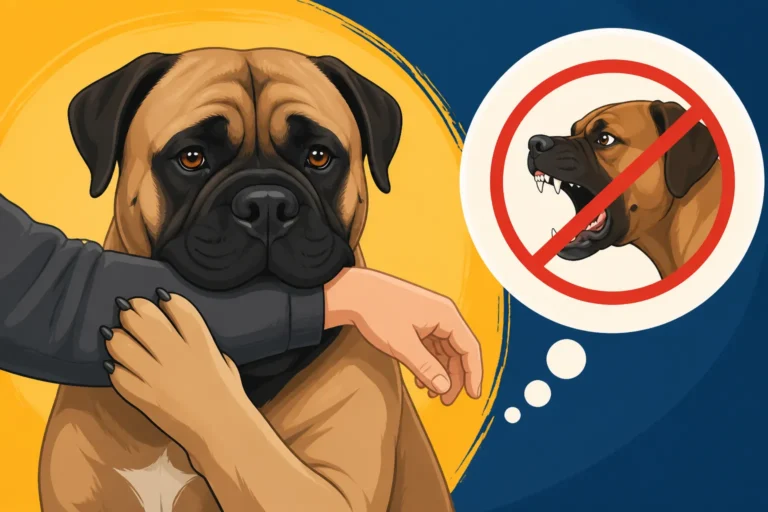
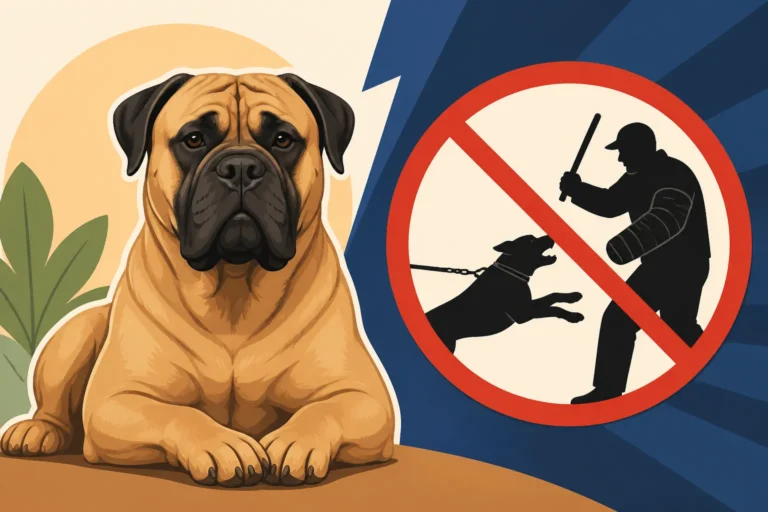
It's a common misconception that a "guard dog" is synonymous with an "aggressive dog." With Bullmastiffs, nothing could be further from the truth. Their historical role was to detect, track, and then hold a poacher, not to attack or injure them. This meant silently cornering a trespasser and using their sheer presence and physical strength to prevent escape until the gamekeeper arrived. They were bred for control, not confrontation, a distinction that's vital when we talk about how they greet strangers. They want to assess, understand, and, if necessary, deter, but rarely to cause harm. You can read more about this specialized role in A Bullmastiff Was Bred to Hold a Man, Not Bite Him.
This protective instinct is hardwired, meaning your Bullmastiff will naturally be more reserved with people they don't know than, say, a Labrador Retriever might be. They aren't typically the type to rush up to every new person with an open invitation for pets. Instead, they’re likely to observe from a distance, using their keen senses to gather information. This isn't aggression; it's caution and an inherent sense of responsibility for their home and their people. They take their job seriously, even if that job today is simply lying on your living room rug.
Deliberate Nature and Assessment
One of the most defining characteristics of a Bullmastiff is their deliberate nature. They don't rush into decisions, and this certainly applies to their social interactions. When a stranger enters their space, a Bullmastiff will often take their time to assess the situation. They're weighing all the factors: the stranger's demeanor, how you, their owner, are reacting, and the overall energy in the environment. This pause isn't necessarily fear or hostility; it's a careful calculation. The Bullmastiff That Pauses to Decide Whether You Are Worth It truly captures this aspect of their personality.
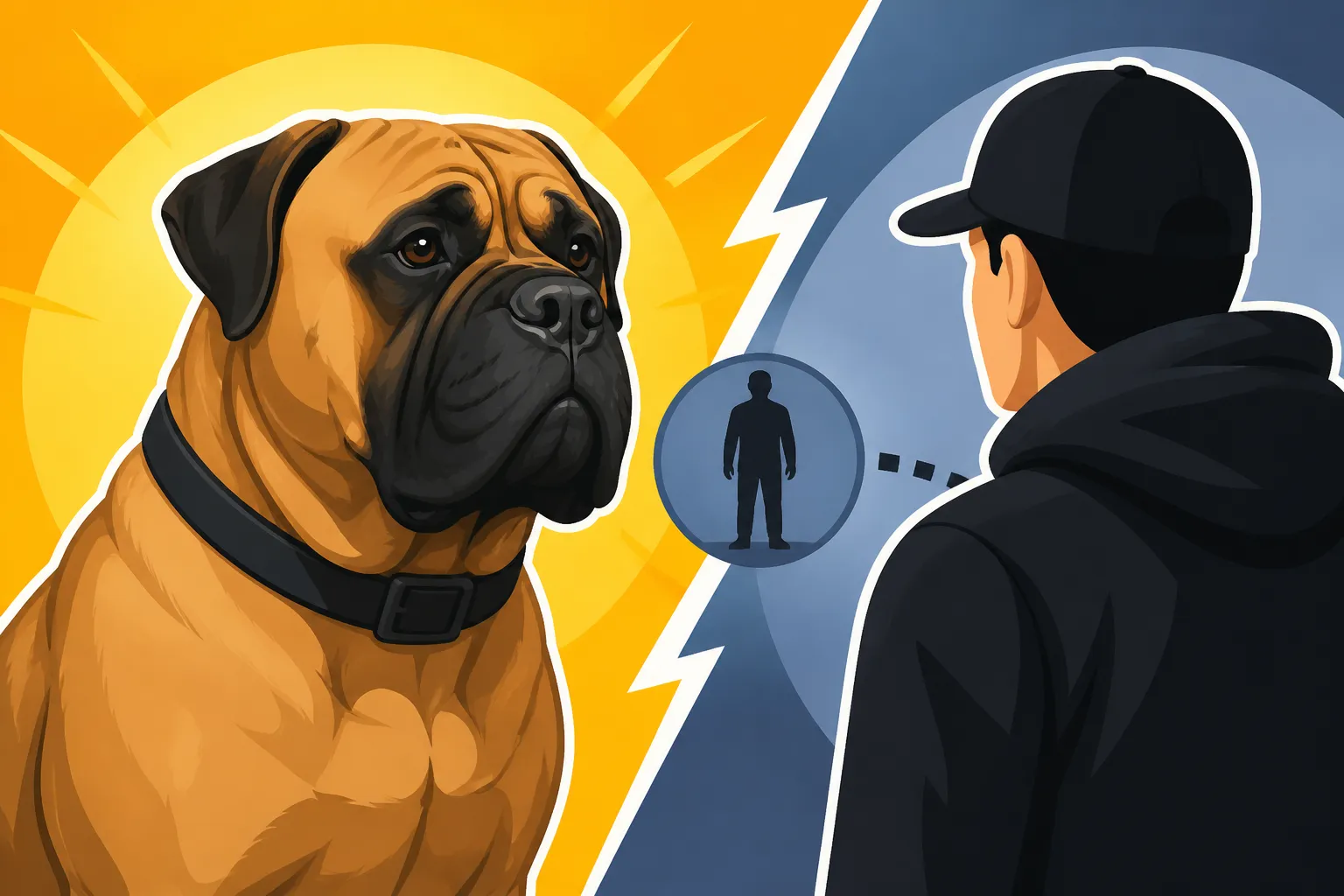
Imagine a Bullmastiff standing a few feet back, their gaze fixed on a new guest. They might not be growling or even barking, but their body language will tell you they are processing. Their ears might be slightly forward, head tilted, nostrils flaring as they take in scents. This is their way of evaluating whether this person is a friend, a neutral party, or someone to be concerned about. Interrupting this assessment or forcing an interaction can sometimes backfire, making the dog feel more uncertain. It's best to allow them the space and time they need to come to their own conclusion, guided by your calm presence and clear instructions. This period of observation is crucial for them to decide if someone is "safe."
Typical Greeting Behaviors of a Bullmastiff
When a Bullmastiff meets a stranger, their initial reaction can vary widely depending on their individual personality, socialization, and the specific circumstances. However, there are some common patterns of behavior you can expect and observe. Understanding these will help you interpret your dog's intentions and manage the interaction effectively.
The Initial Observation Phase
Before any physical greeting, a Bullmastiff will almost always enter an observation phase. This is where their "silent guardian" roots truly show. They might not make a sound, but their entire posture will convey intense focus. Indoors, if a guest arrives, your Bullmastiff might rise slowly from their nap, stretching deliberately before moving to a vantage point, often near you. They'll watch the newcomer with an unwavering gaze, taking in every movement, every sound, and especially every scent. This is their way of gathering intelligence, figuring out if this new person is welcome or not. Why a Bullmastiff Was Bred to Work Silently explains more about this inherent quiet nature.
During this time, it's important for the stranger to remain calm and avoid direct, challenging eye contact. A Bullmastiff can perceive direct staring as a threat. Instead, encourage guests to move slowly, speak in soft tones, and allow the dog to approach them on their own terms. Your Bullmastiff might circle, perhaps sniff the air, or even duck behind your legs for a moment before deciding to come closer. This isn't shyness so much as methodical investigation. They're making sure all their senses agree that this new person is not a threat.
Body Language Cues to Watch For
A Bullmastiff's body language is a rich tapestry of signals. When greeting a stranger, they communicate volumes without uttering a sound. A relaxed Bullmastiff will often have a soft gaze, ears in a natural position (not flattened or pricked rigidly), and a loose, perhaps wagging, tail that moves in broad, slow sweeps. Their body might be slightly wiggling, and they might lean into you or the guest, indicating comfort and a desire for contact. If they push their head into a person's hand or offer a gentle nudge, it's a clear invitation for interaction.
On the other hand, signs of concern or discomfort include a stiff body posture, a tail held low and rigid or tucked, direct hard eye contact, or lip-licking/yawning (which can be stress signals). A low growl or a raised hackle is a clear warning that they are uncomfortable and need space. It’s crucial to respect these signals and intervene if your dog is showing signs of stress or guarding behavior. Understanding How Protective a Bullmastiff Is can help you differentiate between natural vigilance and actual concern. Sometimes, a Bullmastiff might also try to "body block" or position themselves between you and the stranger, a subtle but clear statement of their protective role.
Physical Greetings and Their Nuances
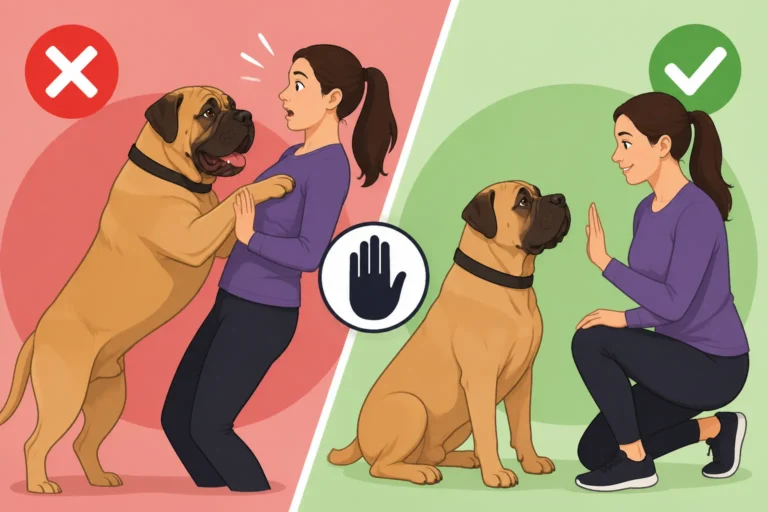
Once a Bullmastiff has decided a stranger is acceptable, their physical greeting can still be quite intense due to their sheer size and enthusiasm. One common behavior is leaning – they might lean their entire 100+ pound body against a person's legs. While endearing, this can be overwhelming or even knock a smaller person off balance. Another frequent behavior, especially with guests they're genuinely happy to see, is jumping up. A Bullmastiff attempting to stand on its hind legs to give a "hug" can easily tower over most adults. This isn't malice, but simply exuberance and a lack of understanding of their own power. Teaching a Bullmastiff to refrain from jumping is crucial, as is covered in Teaching a Bullmastiff Not to Jump Up.
Many Bullmastiffs are also enthusiastic lickers. Once they deem a person safe, they might attempt to liberally "bathe" them with their large, slobbery tongues, particularly their hands or face. And, of course, there's the drool. A happy, excited Bullmastiff can produce quite a bit of slobber, especially after a drink of water or during an energetic greeting. It's a hallmark of the breed, so be prepared with a drool rag! For those looking for structured guidance on introducing their Bullmastiff to new people safely and politely, professional training resources like BAXTER & Bella offer online programs that can be incredibly helpful for managing these big, lovable giants.
Managing Bullmastiff Interactions with Strangers
Effectively managing how your Bullmastiff greets strangers is paramount for their safety, the safety of others, and your peace of mind. Given their size and protective nature, proactive training and clear communication are key. It's not about stifling their natural instincts, but channeling them into polite, controlled behaviors.
Importance of Early Socialization
The single most important thing you can do for a Bullmastiff's temperament around strangers is thorough, positive early socialization. This means exposing your Bullmastiff puppy to a wide variety of people, sounds, sights, and experiences from a young age – as soon as they are medically cleared by your vet. Puppy classes, supervised visits to dog-friendly stores (if appropriate), and inviting a diverse group of people (different ages, genders, appearances) to your home can all help. The goal isn't necessarily for them to greet everyone like a long-lost friend, but to learn that new people are generally not a threat and that calm acceptance is the desired response.
This early exposure helps build confidence and teaches them to differentiate between novel stimuli and actual danger. Without it, a naturally reserved Bullmastiff can become fearful or overly protective, which can manifest as barking, growling, or attempts to avoid interactions. A well-socialized Bullmastiff learns to trust your judgment and looks to you for cues on how to react. Remember that A Bullmastiff Is Not Grown Up Until Three, so socialization isn't just for puppies; it's an ongoing process throughout their adolescence and beyond. Continued positive experiences reinforce their comfort with the wider world.
Controlled Introductions and Training
When introducing your Bullmastiff to a new person, control is your best friend. Always use a sturdy leash, even if you're inside your home, especially during initial greetings. This gives you a physical means of managing their enthusiasm or redirecting any unwanted behaviors like jumping or excessive leaning. Start with short, positive encounters. Have the stranger ignore your Bullmastiff initially; often, a dog feels less pressure if they aren't immediately the center of attention. Once your Bullmastiff is calm, the stranger can offer a treat (if you approve) or a gentle scratch under the chin, avoiding direct eye contact.
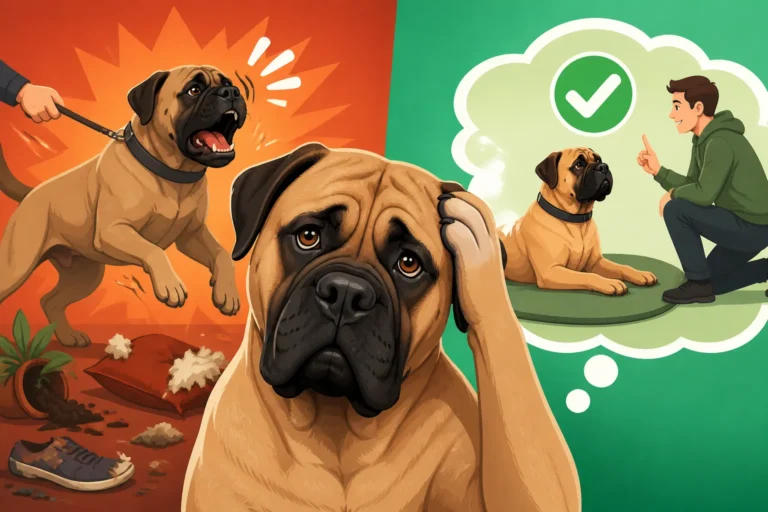
Consider using a designated "place" command or a crate when guests first arrive, especially if your Bullmastiff tends to get overly excited or anxious. This allows them to observe from a safe distance, feeling secure, while you manage the initial flurry of activity. You can reward them for calmly staying in their place while guests settle in. Once things are calmer, you can initiate a controlled introduction. For detailed steps on managing these encounters, check out How to Introduce a Bullmastiff to a New Person. Consistent training, like that found in BAXTER & Bella's comprehensive online programs, can teach you exactly how to manage these situations effectively.
Tools and Techniques for Management
Beyond training, certain tools can make managing your Bullmastiff's greetings easier. A well-fitting, sturdy harness or a head halter can give you much more control than a flat collar alone, especially with a dog that weighs as much as an adult human. Brands like those found on Amazon offer a wide variety of durable options designed for large, strong breeds. These tools help you guide your Bullmastiff gently but firmly, preventing them from pulling you towards a stranger or jumping up.
| Tool Type | Benefits for Bullmastiff Greeting Management | Considerations |
|---|---|---|
| Sturdy Leash | Essential for physical control and guidance. Allows for safe, controlled approaches. | Needs to be strong enough for their weight and unexpected surges. A standard fabric leash might not be enough. Opt for reinforced nylon or leather. |
| Front-Clip Harness | Redirects pulling by turning the dog's body back towards you, reducing jumping. | Ensure a proper fit to prevent chafing or slipping. Some Bullmastiffs may still try to pull, but it's generally more effective than a back-clip harness for control. |
| Head Halter (Gentle Leader) | Provides excellent control over the head, which the body follows. Helps prevent pulling and redirects attention. | Requires careful introduction and positive association to ensure acceptance. Can be startling for dogs not used to it. Not a muzzle, but can look like one. |
| High-Value Treats | Excellent for positive reinforcement during calm greetings. Motivates desired behavior. | Must be truly appealing to your Bullmastiff to hold their attention. Use sparingly for maximum impact during training sessions. |
| "Place" Mat/Bed | Gives the dog a specific spot to go to, promoting calm and settled behavior when guests arrive. | Needs to be comfortable and associated with positive experiences. Requires consistent training for the dog to understand the command. |
Another effective technique is known as "desensitization and counter-conditioning." If your Bullmastiff is overly reactive to strangers (e.g., barking, lunging), you can gradually expose them to strangers at a distance where they remain calm, then reward that calm behavior with high-value treats. Slowly decrease the distance over time, always keeping your dog under threshold (meaning they're not yet reacting negatively). This teaches them that strangers predict good things, rather than being a cause for alarm. This systematic approach, often used in professional training, is a cornerstone of successfully integrating a large, protective breed into a diverse social environment.
Common Challenges and Misconceptions
Despite their generally good nature, Bullmastiffs can present unique challenges when interacting with strangers. Their impressive size and inherent protective instincts can sometimes lead to misunderstandings or undesirable behaviors if not properly managed. Being aware of these common hurdles can help you address them proactively.
Over-Protectiveness and Fear-Based Reactions
While Bullmastiffs are known for their gentle disposition with their families, their protective streak can sometimes become overzealous. An over-protective Bullmastiff might try to "guard" you or your family members from perceived threats, which can include perfectly innocuous strangers. This can manifest as barking, growling, lunging on the leash, or placing themselves between you and the new person. Often, this isn't true aggression but a fear-based reaction or an attempt to control the situation because they feel insecure or have not been taught how to appropriately handle novel stimuli. It's a common struggle for owners with large guardian breeds.
It's vital to differentiate between a healthy protective instinct and actual anxiety or fear. If your Bullmastiff constantly reacts to strangers with excessive barking or shows signs of fear (like tucked tail, flattened ears, trying to hide), it's a sign that they need more support and guidance. These behaviors can be concerning for both the owner and the public. You might even find yourself having to Whether a Bullmastiff Should Be Crated When Guests Come if their reactions become too intense, simply to ensure everyone's safety and comfort. Addressing this requires patience, positive reinforcement, and often, the guidance of a professional trainer experienced with large, guardian breeds.
The "Friendly Giant" Trap
Many people see a Bullmastiff and instantly think "friendly giant," assuming all their interactions will be gentle and accepting. While many Bullmastiffs are incredibly loving with their families and known people, this assumption can be a dangerous trap when it comes to strangers. They are not universally friendly dogs in the same way some other breeds might be. Their initial reserve is a feature, not a bug, of their breed. Expecting them to be instantly welcoming to every new face can lead to disappointment or, worse, put people in uncomfortable or potentially unsafe situations.
This misconception can also lead owners to push their Bullmastiff into interactions they are not ready for, or to allow strangers to approach too quickly or inappropriately. It's important to advocate for your dog and set clear boundaries for how people interact with them. Just because they're big doesn't mean they're always eager for head pats from strangers. Sometimes, people will interpret a Bullmastiff's calm, observant stance as an invitation to pet, when the dog is actually still assessing the situation. Educating your guests about your Bullmastiff's personality and preferred greeting style is crucial.
When Professional Help is Needed
If you find yourself struggling with your Bullmastiff's reactions to strangers, don't hesitate to seek professional help. This isn't a sign of failure; it's a responsible step for a large, powerful dog. Behaviors like persistent lunging, growling, or attempts to bite, even if only a warning nip, require expert intervention. A certified professional dog trainer or a veterinary behaviorist can assess your Bullmastiff's specific situation, identify the root cause of the behavior (whether it's fear, resource guarding, or true aggression), and develop a tailored training plan.
They can teach you advanced techniques for managing and modifying behavior, using positive reinforcement methods that build trust and confidence. They can also help you understand What Motivates a Bullmastiff to help you use their natural drives for positive training outcomes. Sometimes, even seemingly minor issues, like incessant barking at the doorbell or a consistent refusal to allow certain people into the house, can escalate if not addressed. Early intervention is always best, particularly with a dog of the Bullmastiff's stature. Investing in professional guidance ensures that your Bullmastiff can be a well-adjusted, polite member of society, even when meeting new faces.
Disclaimer
This article is for general informational purposes only and does not constitute professional advice. Laws, prices and regulations vary by location and change over time. Consult a qualified professional for guidance on your specific situation.