How Long a Bullmastiff Takes to Warm to a Visitor
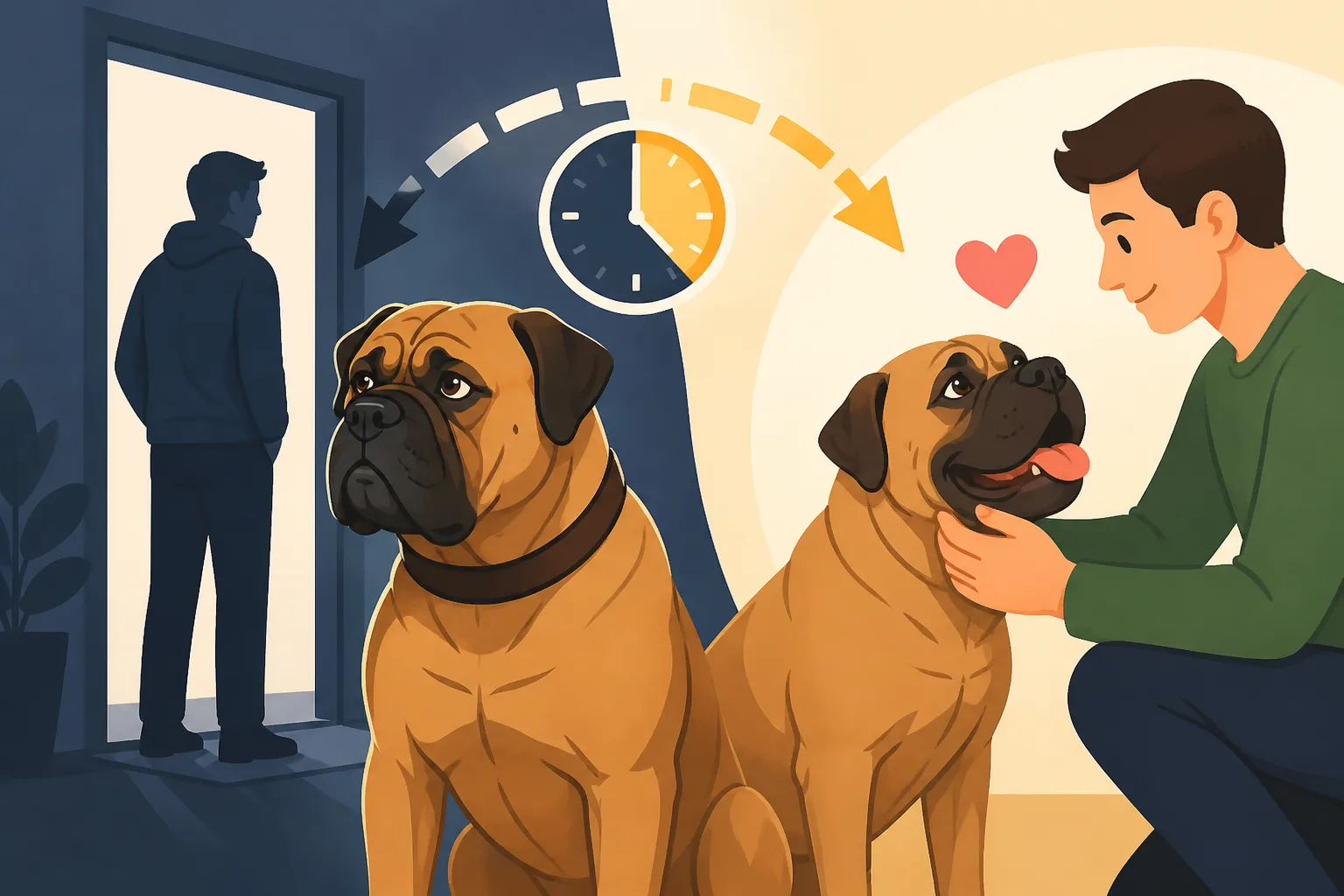
It can be incredibly frustrating and even a little embarrassing when you have visitors over, and your large, imposing Bullmastiff isn't instantly wagging its tail, showering them with affection. Instead, they might offer a wary sniff, a low rumble, or simply stand aloof, making your guests feel uncomfortable or even unwelcome. This guide is here to walk you through why your Bullmastiff might take their sweet time warming up to visitors and, more importantly, what you can do to foster smoother, more confident introductions for everyone involved.
Understanding the Bullmastiff's Innate Instincts
To truly understand why your Bullmastiff acts the way it does around new people, we need to dig into their historical purpose and inherent breed traits. They weren't bred to be the life of the party; they were bred for a very serious job.
Their Guardian Nature and Initial Reserve
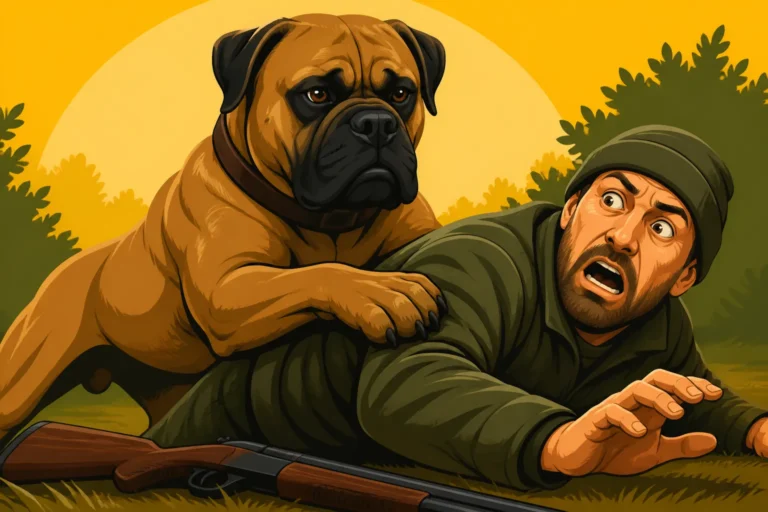
The Bullmastiff was originally developed in England in the mid-19th century by gamekeepers to protect vast estates from poachers. Their job was to silently track down and hold intruders without mauling them, waiting for the gamekeeper to arrive. This required a dog with immense strength, courage, and a highly discerning nature. They needed to be able to tell friend from foe quickly and decisively. Because of this powerful heritage, Bullmastiffs carry a natural wariness towards strangers. They aren't inherently aggressive, but they are deeply protective and observant. A Bullmastiff Was Bred to Hold a Man, Not Bite Him.
This protective instinct means that new faces aren't always met with immediate exuberance. Instead, your Bullmastiff is likely assessing the situation, sizing up the newcomer, and deciding if this person poses any threat to their family or territory. This isn't rudeness; it's instinct. They take their role seriously, and while it might not be a poacher they're concerned about in your living room, that underlying programming for caution is still very much alive. It’s part of what makes them such dedicated family guardians, but it also means patience is key when introducing them to new people.
Reading Their Body Language
Because Bullmastiffs are often quiet and deliberate, understanding their subtle body language is crucial. They don't always bark or growl overtly to signal discomfort. Instead, you might see a stiffening of their body, a direct stare, ears slightly back, or a subtle leaning away from the approaching visitor. Sometimes, they might even yawn excessively or lick their lips, which are often signs of stress or appeasement, not boredom. How a Bullmastiff Greets a Stranger can be quite a detailed observation.
A relaxed Bullmastiff will have a soft gaze, a loose body posture, and possibly a low, gentle tail wag (though many Bullmastiffs aren't huge tail-waggers). If your Bullmastiff seems to be "freezing" or showing any of these subtle stress signals, it's their way of telling you they're not comfortable and need more space or a slower introduction. Pushing them too quickly can lead to a negative association with visitors, making future introductions even harder. Learning to interpret these cues allows you to advocate for your dog and manage the situation before it escalates, ensuring everyone feels safer and more at ease.
Factors Influencing a Bullmastiff's Warm-Up Time
It's not a one-size-fits-all situation when it comes to how quickly a Bullmastiff accepts a new person. Several elements play a significant role, from their individual history to the way the visitor approaches them.
Individual Personality and Past Experiences
Just like people, every Bullmastiff has its own unique personality. Some are naturally more outgoing and tolerant, while others are inherently more reserved or shy. This individual temperament is a huge factor in their warm-up time. A Bullmastiff that was extensively socialized as a puppy and exposed to a wide variety of people, sights, and sounds from a young age might be quicker to accept new visitors than one who had limited exposure. The First Year With a Bullmastiff Puppy is critical for shaping their future behavior.
Past experiences also leave a lasting impression. If your Bullmastiff had a negative encounter with a stranger, perhaps a child who pulled their tail or an adult who startled them, they might carry that apprehension into future introductions. This isn't something they "get over" quickly; it requires consistent, positive experiences to rebuild trust. Conversely, a Bullmastiff that has always had positive interactions will generally be more open, though still often reserved, especially in their early adult years. Remember, Bullmastiffs mature slowly, and their confidence and worldview continue to develop well into their second and even third year. When a Bullmastiff Finishes Maturing means these behaviors can change over time.
The Visitor's Demeanor and Approach
The way a visitor approaches and interacts with your Bullmastiff is incredibly influential. Most dogs, especially those with a guarding background, prefer calm, predictable behavior. A person who bursts through the door loudly, makes direct eye contact, and immediately tries to pet the dog can be perceived as an invasion of space or even a threat. This is especially true for a Bullmastiff who is still in "assessment mode."
Ideally, visitors should be instructed to ignore the Bullmastiff at first. Let the dog initiate contact on their own terms. A calm demeanor, soft voice, and avoiding direct eye contact or towering over the dog can make a huge difference. If the Bullmastiff approaches, a visitor can slowly offer a hand, palm up, to allow the dog to sniff. Some Bullmastiffs respond well to an offering of a small, tasty treat, which can help create a positive association. Patience on the part of the guest is paramount; forcing an interaction will almost always backfire.
The Environment and Setting
The physical environment where the introduction takes place also impacts your Bullmastiff's comfort level. Meeting new people on neutral territory, like a brief walk around the block before coming into the house, can often be less stressful for a Bullmastiff than having a stranger suddenly appear in their home turf. Their home is their sanctuary and their territory, where their guarding instincts are naturally heightened.
Inside the home, consider managing the space. A Bullmastiff might feel less threatened if they are not cornered or if they have an escape route. Sometimes, allowing the dog to observe from a distance, perhaps behind a baby gate or in an adjacent room, for the first few minutes can help them acclimate. Ensure there isn't too much commotion or loud noises right at the moment of introduction. A calm, quiet environment signals that there's no threat, which helps your Bullmastiff relax and process the new presence more effectively.
Strategies for Smooth Visitor Introductions
Creating positive interactions for your Bullmastiff and your guests doesn't happen by accident. It requires thoughtful planning, consistency, and a little bit of pre-emptive management.
Controlled Meet-and-Greets
The key to successful introductions is control and gradual exposure. Don't throw your Bullmastiff into a chaotic situation with a new person. Instead, orchestrate encounters that set everyone up for success. This might mean having your guest arrive and wait outside while you take your Bullmastiff for a short walk, meeting on neutral ground. If your Bullmastiff is generally accepting, but takes time, a leashed introduction at the front door can work, with you clearly in charge.
For more wary Bullmastiffs, a "look and reward" approach can be highly effective. Have the guest stand at a distance, and every time your Bullmastiff looks at them calmly without reacting, reward them with a high-value treat. Gradually decrease the distance over several sessions, always rewarding calm behavior. Consistency is more important than speed. Remember, you're teaching your Bullmastiff that new people predict good things, not scary surprises.
Positive Reinforcement and Patience
Positive reinforcement is your best friend when working with a Bullmastiff and strangers. Every calm sniff, every relaxed glance, every moment your dog chooses to ignore a new person or even solicit a gentle pet should be met with praise, treats, or a favorite toy. This reinforces the idea that visitors are not only non-threatening but also bring good things. Never punish your Bullmastiff for being wary or uncomfortable; this will only increase their anxiety and potentially make them more defensive.
Patience is a virtue, especially with a Bullmastiff. These dogs are deliberate thinkers, and they won't be rushed. It might take several visits for them to truly relax around someone, or even longer for a deeper bond to form. Explain this to your guests ahead of time. Give your Bullmastiff the time and space they need to process new people on their own terms. If a visitor is understanding and respects your dog's boundaries, the Bullmastiff will eventually pick up on that calm energy and be more likely to accept them.
Managing the First Interaction
The very first moment a visitor and your Bullmastiff are in the same space is critical. Instead of allowing a free-for-all, consider using a barrier like a baby gate, or keeping your Bullmastiff on a leash initially. You could even use a crate that your Bullmastiff views as a safe space to allow them to observe from a distance. Many owners find success by having guests enter and sit down, ignoring the dog entirely. This reduces pressure on the Bullmastiff, allowing them to approach when and if they feel ready.
You can also prepare your Bullmastiff with some calming chews or a puzzle toy filled with treats to distract them during the initial arrival commotion. Products readily available on platforms like Amazon, such as long-lasting chews or slow feeders, can occupy their attention and help associate visitors with positive, calming activities. Once the initial excitement has settled, and your Bullmastiff seems calmer, you can slowly begin a more direct introduction, still encouraging your visitor to remain calm and allow the dog to come to them.
Recognizing and Managing Challenging Situations
While many Bullmastiffs are just reserved, some may display more concerning behaviors that go beyond simple caution. Knowing the difference and knowing when to get help is vital.
Signs of Discomfort or Stress
It's important to differentiate between a Bullmastiff being reserved and one being genuinely fearful or stressed. Beyond the subtle body language cues like lip-licking or yawning, heightened stress can manifest as excessive panting, drooling, pacing, or an inability to settle. A dog that is truly fearful might try to hide, cower, or even display aggressive behaviors like growling, snarling, or lunging if they feel cornered or threatened. How a Bullmastiff Decides Someone Is a Threat is a complex process, and their responses can range widely.
If your Bullmastiff consistently shows these more intense signs of discomfort, especially when guests follow the polite "ignore me" advice, it indicates a deeper issue than simple wariness. This kind of chronic stress isn't fair to your dog, nor is it safe for your guests. It suggests that the underlying emotional response to strangers needs to be addressed more directly, perhaps through desensitization and counter-conditioning techniques with the guidance of a professional.
When to Seek Professional Help
If your Bullmastiff's reactions to visitors are consistently escalating, or if you're feeling overwhelmed and unsure how to proceed, it's definitely time to bring in a professional. A certified professional dog trainer or a veterinary behaviorist can assess your Bullmastiff's specific behavior, identify the root cause of their reactions (fear, territoriality, lack of socialization), and develop a tailored training plan. Whether a Bullmastiff Needs a Professional Trainer is often yes, especially for behavioral challenges.
They can teach you how to read your dog's subtle cues, implement management strategies, and work through behavior modification exercises safely and effectively. It's not a sign of failure to ask for help; it's a responsible step towards ensuring your Bullmastiff is comfortable and that your home is safe for everyone. Organizations like BAXTER & Bella often provide online resources and virtual coaching that can be an excellent starting point for those looking for expert guidance from the comfort of their home. Addressing these issues early can prevent them from becoming more ingrained and difficult to manage later on.
The Role of Training and Socialization
Training and socialization aren't just about teaching commands; they're about building a confident, well-adjusted dog who can navigate the world, including new people, with grace.
Early and Ongoing Socialization
The foundation for a Bullmastiff who can calmly accept visitors is laid during puppyhood. Early socialization means exposing your puppy to a wide variety of positive experiences with different people, environments, sounds, and other friendly dogs. This doesn't mean letting everyone rush up and pet them; it means controlled, positive interactions where the puppy feels safe and rewarded. When to Start Training a Bullmastiff Puppy is as soon as they come home.
However, socialization isn't a one-time event that ends when they're six months old. It's an ongoing process throughout their lives. Even an adult Bullmastiff benefits from continued exposure to new, positive situations. Regular, positive encounters with different people in various settings, always accompanied by treats and praise, will help reinforce their comfort. Think of it as continuously topping up their "socialization tank." The more positive experiences they have, the more likely they are to view new people as benign rather than potential threats.
Consistent Training for Calm Greetings
Beyond general socialization, specific training for calm greetings is invaluable. This involves teaching your Bullmastiff a reliable "place" command, where they go to a designated spot (like their bed or mat) and stay there until released, even when people come to the door. This gives you control over the greeting situation and allows your dog to settle before interacting. Training them to "wait" at the door, or to offer a polite "sit" for a greeting, can also prevent jumping or unruly behavior.
Consistency is absolutely critical. Every family member and frequent visitor needs to be on board with the rules. If one person allows excited jumping while another demands a calm sit, your Bullmastiff will become confused and fall back on instinct. Practice these greetings even when you don't have guests, simulating arrivals to solidify the training. Investing in good quality training tools, like long lines for practicing recall in controlled environments or appropriate harnesses found on Amazon, can also aid in these training efforts. Remember, a Bullmastiff is a powerful dog, and consistent training is not just a nice-to-have, it's a safety imperative. Why a Bullmastiff Must Be Trained Before It Is Strong is a truth every owner lives by.
Managing Expectations and Ensuring Safety
Ultimately, owning a Bullmastiff means accepting their unique temperament and taking proactive steps to ensure everyone's safety and comfort.
Accepting Your Bullmastiff's Pace
It’s crucial to manage your own expectations and those of your guests. Your Bullmastiff might never be the dog that bounds up to every new person for a belly rub, and that's perfectly okay. Their calm, watchful nature is part of their charm and their heritage. Instead of aiming for instant adoration, aim for polite acceptance and calm coexistence. If your Bullmastiff can lie calmly in their bed while a new person is in the house, or offer a brief, polite sniff before retreating, consider that a huge success.
Celebrating these small victories and understanding that their reserved nature isn't a flaw but a breed characteristic will help you appreciate your dog for who they are. Don't compare them to other breeds or even other Bullmastiffs. Focus on building trust and making every interaction as positive and low-stress as possible for your individual dog. The bond you have with your Bullmastiff is special, and respecting their boundaries with strangers only strengthens that trust.
Prioritizing Everyone's Well-being
Your primary responsibility as a Bullmastiff owner is to ensure the safety and well-being of both your dog and your human guests. This means being proactive, not reactive. If you have any doubt about how your Bullmastiff will react to a new person, err on the side of caution. Confine your dog to a separate room with a tasty chew or keep them on a leash and under control during initial introductions. It’s far better to prevent an uncomfortable or potentially risky situation than to deal with the fallout.
This might mean having difficult conversations with guests who don't understand or respect your dog's boundaries. Educate them about your Bullmastiff's breed traits and your house rules. A well-placed baby gate, a comfortable crate, or a quiet space away from the action can be invaluable tools. For some Bullmastiffs, a "visitor protocol" needs to be established and communicated clearly to anyone entering your home. By taking these steps, you create a predictable and safe environment where your Bullmastiff can learn to relax, and your guests can feel secure. Whether a Bullmastiff Suits a First Time Owner often comes down to the owner's willingness to commit to this level of responsible management.
When to Use Management Tools and How
There will be times when training alone isn't enough, especially with unexpected guests or situations where your Bullmastiff is particularly stressed. This is where management tools come into play. A sturdy crate can be a safe haven for your Bullmastiff, allowing them to observe visitors from a secure spot, or retreat entirely if they're overwhelmed. A good quality, comfortable bed in a quiet corner can also serve as their "safe place."
Consider using long-lasting chews or interactive puzzle toys to keep your Bullmastiff occupied and mentally stimulated during a guest's arrival. These can be purchased from retailers like Amazon and are excellent for positive distraction. Additionally, baby gates are invaluable for creating physical barriers that allow your dog to see and hear guests without direct, close-up interaction until they are ready. Remember, management is not a substitute for training and socialization, but it's a crucial tool for keeping everyone safe and comfortable while you work on building your Bullmastiff's confidence and acceptance of visitors.
Table: Bullmastiff Greeting Scenarios and Management
Here's a quick guide to different visitor scenarios and how you might manage your Bullmastiff's greetings:
| Visitor Type | Bullmastiff Reaction (Common) | Recommended Owner Action | Potential Tools |
|---|---|---|---|
| Close Family/Friends | Reserved initially, then relaxed. | Instruct guests to be calm, ignore dog at first. Allow dog to approach. Reward calm behavior. | High-value treats, familiar bed/place command. |
| New Acquaintances | Wary, observant, slow to approach. | Strict "ignore the dog" policy. Keep dog leashed or behind gate. Controlled, brief introductions. Reward calmness from a distance. | Leash, baby gate, puzzle toys, calming diffuser (Amazon). |
| Children (New) | Very cautious, may retreat. | Supervise at all times. Teach child to be gentle and calm. Keep dog on leash or separate with a barrier. Never leave unattended. | Leash, sturdy baby gate, crate, child education. |
| Delivery Drivers/Unexpected | Alert, barks (sometimes), watchful. | Keep dog secure (behind closed door, gate, or on leash). Manage the interaction to be brief and positive (treat through door if safe). | Secure leash, solid door, treat jar by entrance. |
| Energetic/Loud Guests | Anxious, may retreat or show stress. | Separate dog in a quiet room with a chew. Explain dog's sensitivity to guests. Reintroduce only when dog is calm and guest is settled. | Crate, calming chew (Amazon), quiet room. |
| Dog-Savvy Guest | May accept sooner due to calm energy. | Encourage guest to move slowly, speak softly, offer hand to sniff, then gently pet on chest or side if invited. | – |
Disclaimer
This article is for general informational purposes only and does not constitute professional advice. Laws, prices and regulations vary by location and change over time. Consult a qualified professional for guidance on your specific situation.