Whether a Bullmastiff Needs a Yard
Many people dream of having a large dog like a Bullmastiff, often imagining them frolicking in a sprawling yard, believing that their sheer size necessitates vast outdoor space. However, this isn't always the case, and honestly, it’s a misconception that can deter wonderful potential owners or lead others to believe a huge yard is a magic bullet for pet ownership. The truth about whether a Bullmastiff needs a yard is a bit more nuanced than just "big dog, big yard," and this guide will unpack exactly what type of outdoor space, and more importantly, what kind of commitment, truly benefits these magnificent dogs.
Understanding the Bullmastiff's Exercise Needs
When you look at a Bullmastiff, all that impressive muscle and bone might lead you to believe they need to run for miles every day. It's a common thought, but it doesn't quite align with their historical purpose or their typical temperament. These dogs were bred for specific tasks, and prolonged, intense exercise wasn't generally one of them.
Not Your Typical High-Energy Breed
Unlike some working breeds or sporting dogs that have boundless energy and a constant need for a job to do, Bullmastiffs are surprisingly low-key indoors. They're often described as "nanny dogs" or "couch potatoes," and honestly, it's a pretty accurate description once they're past the boisterous puppy stage. Their massive build isn't designed for sustained endurance; it's built for power and short bursts of activity. This means they're usually quite content to lounge around the house, ideally close to their humans.
Think about their historical role: catching and holding poachers in England. This wasn't a marathon chase; it was an ambush, a powerful sprint, and then a firm, unwavering hold. This history is reflected in their energy levels today. While they certainly need exercise to stay healthy, they don't require the kind of constant stimulation or vast open spaces that a Border Collie or a Husky might demand. Many first-time Bullmastiff owners are surprised by how much these gentle giants enjoy napping and just being present with their family. This intrinsic calm is one of the reasons they can adapt so well to various living situations, provided their core needs are met.
The Importance of Structured Exercise
Just because they're not hyperactive doesn't mean Bullmastiffs can just lie around all day. They are still large, powerful dogs, and their physical and mental well-being depends on regular, structured exercise. This isn't about letting them out into a yard to "self-exercise," because, let's be real, most Bullmastiffs will find the most comfortable patch of sun and settle down for a nap. Instead, their exercise needs to be intentional and guided by you.
A good 30-60 minute walk once or twice a day is often sufficient for an adult Bullmastiff. These walks provide not only physical activity but also crucial mental stimulation through sniffing new scents and seeing different sights. It's also an excellent opportunity for training and reinforcing good leash manners, which is absolutely vital when you're handling a dog that can easily outweigh you. Training a Bullmastiff That Weighs More Than You Do is not something you want to neglect, especially when it comes to walking. Remember, Bullmastiffs are prone to overheating, especially in warmer climates or during intense activity, so always be mindful of the temperature and humidity when planning outdoor excursions. Why a Bullmastiff Overheats So Easily explains more about this critical aspect of their care. Quality over quantity is the mantra for Bullmastiff exercise – consistent, controlled activity that protects their joints and keeps them mentally engaged without overexertion.
The Role of Outdoor Space for a Bullmastiff
So, if a Bullmastiff doesn't need to run a marathon in the backyard, what purpose does an outdoor space serve for them? It's less about expansive play areas and more about convenience, safety, and a designated spot for certain activities.
A Safe and Secure Area for Potty Breaks
Let's be practical: a yard, even a small one, is incredibly convenient for a large dog like a Bullmastiff when nature calls. Imagine trying to get a 130-pound dog dressed and out the door for every single potty break, rain or shine, day or night. It becomes a chore, and sometimes, a race against the clock. A securely fenced yard provides an immediate, accessible, and hygienic spot for them to relieve themselves. This saves you time and effort, especially during inclement weather or late-night excursions.
The key word here is securely fenced. Bullmastiffs are powerful animals, and while they might not be notorious escape artists like some sighthounds, a flimsy fence is no match for their determination or accidental bumps. A solid, tall fence (at least 6 feet) is essential, not just to keep your Bullmastiff in, but also to keep unwanted visitors (human or animal) out. Remember, they are protective by nature, and an unsecured yard can lead to stressful encounters or even escape attempts if they perceive a threat. What Fencing a Bullmastiff Requires delves deeper into the specifics of building a safe enclosure for your guardian dog. Even if the yard is small, its security is paramount for both the dog's safety and your peace of mind.
A Place for Supervised Play and Training
While they might not zoom around for hours, Bullmastiffs do enjoy short bursts of play and interaction. A yard offers a fantastic space for this, whether it's a quick game of fetch with a sturdy, giant-sized ball, a gentle tug-of-war, or even just rolling around in the grass. These activities are best when they involve you directly. A Bullmastiff thrives on companionship and interaction, so simply opening the door and letting them out isn't enough. Use the yard for focused play that strengthens your bond.
It's also an ideal setting for training sessions. Practicing commands like "sit," "stay," "come," or working on loose-leash walking in a controlled environment can be very beneficial. Because Bullmastiffs can be deliberate thinkers, consistency is key, and having a consistent space to practice helps. You can set up obstacle courses, hide treats for scent work, or simply work on recall without the distractions of a public park. For mental enrichment, even in a small yard, you can incorporate puzzle toys or engage in brief, focused training games that stimulate their minds. Many Bullmastiff owners find durable toys from retailers like Amazon invaluable for these yard play sessions, ensuring they stand up to a powerful jaw. This supervised time in the yard allows them to expend some energy and engage their brains, without the pressure of a long walk, and always under your watchful eye.
Life Without a Large Yard: Apartment and Small Home Living
The idea that a large dog must have a large yard is often a barrier for potential owners who live in apartments or smaller homes. But here's the good news: many Bullmastiffs thrive in these environments, sometimes even more so than those with sprawling estates.
Adapting to Smaller Spaces
Believe it or not, Bullmastiffs can be surprisingly excellent apartment dwellers. Their "couch potato" nature actually makes them quite well-suited to living indoors. They're not the type of dog to bounce off the walls or constantly demand attention. As long as their basic needs for exercise, training, and companionship are met, they are generally content to sprawl out and snooze. The key is that they need to be inside with their family. A Bullmastiff left alone in a huge yard all day is likely to be bored, destructive, or develop guarding issues, regardless of the yard's size.
The true success of having a Bullmastiff in a smaller home or apartment comes down to diligent training and management. Teaching good house manners from a young age is crucial. This includes things like not jumping on furniture (unless invited!), being calm around visitors, and respecting boundaries. Crate training can be incredibly beneficial, providing them with their own secure den and helping manage their space, especially during their rambunctious puppy and adolescent phases. Whether a Bullmastiff Suits an Apartment elaborates on how these dogs can truly excel in compact living situations, as long as the owner commits to providing their needs beyond just square footage.
Maximizing Outdoor Opportunities Beyond the Home
If you don't have a large private yard, your commitment to getting your Bullmastiff out for regular, meaningful excursions becomes even more critical. This means daily walks, regardless of the weather (within safe temperature limits, of course). These walks are not just for potty breaks; they are their primary source of exercise, mental stimulation, and socialization. Exploring new routes, sniffing interesting smells, and encountering new sights are all vital for a Bullmastiff's well-being.
Consider incorporating different types of walks: some purely for exercise, others for training, and some just for leisurely sniffing. If permitted and safe, a visit to a quiet, leashed dog park or an open field can provide an opportunity for them to stretch their legs and explore a larger area, always under strict supervision. Remember, Bullmastiffs are not always keen on playing with every dog, and their sheer size can be intimidating to smaller breeds. Therefore, careful consideration of their temperament and the environment is necessary. Access to a variety of safe, outdoor public spaces is a must for any Bullmastiff living without a private yard. This means you need to be realistic about How Much Exercise a Bullmastiff Needs and be prepared to provide it consistently.
Fencing and Safety Considerations for Any Outdoor Space
Regardless of whether you have a small patch of grass or a sprawling estate, the quality and security of your outdoor space are paramount when it comes to a Bullmastiff. These are powerful dogs with a strong protective instinct, and without proper containment, you're setting yourself up for potential issues.
Why a Secure Fence is Non-Negotiable
A secure physical fence around any outdoor area a Bullmastiff has access to is not just a recommendation; it's an absolute necessity. Bullmastiffs are incredibly strong, and while they aren't typically jumpers or diggers, a flimsy fence won't hold them. Their protective nature means they might react strongly to perceived threats or strangers walking by, and you need a barrier that can withstand their lean or lunge. A fence that is at least six feet tall and securely anchored to the ground is usually sufficient. Chain-link can work, but a solid privacy fence is often better for reducing visual stimuli that can trigger guarding behaviors.
The dangers of an un-fenced yard are numerous. An unleashed Bullmastiff can easily wander off, get hit by a car, or get into an altercation with another dog or person. Even if your Bullmastiff is perfectly behaved, passersby might not be comfortable seeing such a large dog unrestrained. Furthermore, invisible fences are generally not recommended for Bullmastiffs. Their pain threshold, protective drive, and sheer size can easily override the static correction if they are determined to pursue something or someone. The potential for them to run through the boundary is too high, leading to them being loose and potentially unable to get back into the yard due to the aversion. How Protective a Bullmastiff Is explains their instincts and why strong boundaries are so important.
Guarding Instincts and Stranger Interactions in a Yard
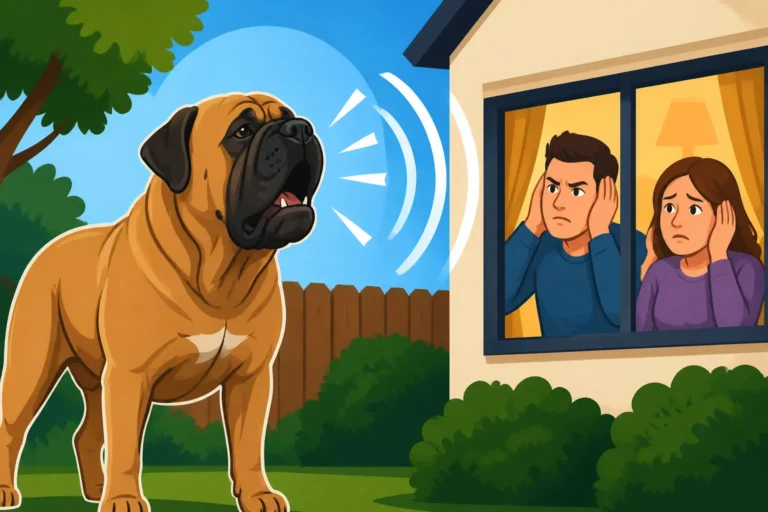
Bullmastiffs were bred to guard, and that instinct is very much alive in the modern dog. When they are in their own territory, such as a backyard, this guarding instinct can be heightened. They may bark at, lunge at, or even challenge strangers, delivery drivers, or even people walking their dogs past your property line. This is why managing their interactions with the outside world from your yard is crucial.
If your yard is highly visible to the public, you might need to take steps to reduce visual stimulation, such as installing privacy screening or planting dense shrubs. This can help prevent your Bullmastiff from becoming overly reactive or stressed by constant perceived "intruders." Supervision in the yard is also key. Never leave a Bullmastiff unattended in a yard where they could potentially interact with strangers or where their guarding instincts could lead to trouble. Teach them a "leave it" command or a "go to your place" command that can be used if they start to react to something outside the fence. Consistent training, even in the yard, helps reinforce your leadership and their appropriate behavior. Many owners find training tools and positive reinforcement guides, such as those offered by BAXTER & Bella, useful for managing these territorial behaviors in a structured way.
Climate and Environmental Factors
While a Bullmastiff might enjoy lounging in a yard, the weather can quickly turn a pleasant outdoor experience into a dangerous situation for this breed. Their unique physiology makes them particularly sensitive to temperature extremes.
Heat Sensitivity and Outdoor Time
One of the most critical considerations for Bullmastiff owners, especially concerning outdoor time, is their profound sensitivity to heat. These dogs, with their dense coats, muscular build, and brachycephalic (short-nosed) tendencies (though less exaggerated than a Bulldog), struggle to cool themselves efficiently. They can overheat rapidly, leading to potentially fatal heatstroke. When It Is Too Hot to Walk a Bullmastiff isn't just a suggestion, it's a life-saving guideline.
Leaving a Bullmastiff unsupervised in a sunny yard, even with water, on a warm day is incredibly risky. What feels like a comfortable afternoon to you could be deadly for them. If your Bullmastiff has yard access, especially during warmer months, ensure there's ample, constant shade available and multiple sources of fresh, cool water. Even better, bring them indoors during the hottest parts of the day. Their activity should be restricted to early mornings or late evenings when temperatures are much cooler. A yard in a hot climate can become a hazard rather than a benefit if these precautions aren't strictly observed. Always be vigilant for signs of overheating, such as excessive panting, drooling, lethargy, or stumbling.
Winter Weather and Joint Health
While Bullmastiffs handle cold weather better than heat, they are not immune to its effects, especially as they age. A Bullmastiff's coat, while dense, isn't designed for extreme arctic conditions. Prolonged exposure to very cold temperatures, especially if they are wet, can lead to hypothermia or other health issues. For most, a short romp in a snowy yard is fine, but they shouldn't be left outside for extended periods in freezing weather.
Furthermore, cold weather can exacerbate joint issues, which are already a concern for a large breed like the Bullmastiff. Conditions like arthritis, hip dysplasia, and elbow dysplasia can become more painful in the cold. An aging Bullmastiff might struggle to navigate icy or snowy terrain in a yard, increasing the risk of slips and falls. The Age a Bullmastiff Gets Arthritis often coincides with a need for more indoor comfort and less challenging outdoor environments. If your Bullmastiff spends time in a yard during winter, consider paw protection like booties to prevent ice and salt damage, and ensure they have a warm, dry place to retreat indoors immediately afterward.
The Human Element: Time, Training, and Commitment
Ultimately, whether a Bullmastiff "needs" a yard boils down less to the physical space itself and more to the commitment and resources the human companion brings to the relationship. A yard is a tool, not a solution or a substitute for genuine interaction.
The Owner's Role is Paramount
Let's be clear: a yard, no matter how big or perfectly manicured, will never replace your active involvement in your Bullmastiff's life. These dogs are deeply devoted to their families and thrive on companionship. Simply opening the back door and letting them "out" is neglectful. They need your time, your attention, your guidance, and your affection. Their well-being comes from shared activities, training, and simply being with you.
A Bullmastiff left alone in a yard for hours on end will likely become bored, anxious, or destructive, regardless of the yard's size. Boredom can manifest in digging, chewing, or excessive barking. More importantly, it can lead to emotional distress for a breed that bonds so closely with its humans. The true measure of whether a Bullmastiff will thrive isn't the size of your property, but the size of your heart and the depth of your commitment. How Much Time a Bullmastiff Takes Each Day is significant, and that time cannot simply be outsourced to a fence. Your presence, your leadership, and your love are the most important "spaces" a Bullmastiff needs to feel secure and happy.
Resources for Yard-Free Living
For those who don't have a large yard, or even any yard at all, there are plenty of resources available to ensure your Bullmastiff leads a fulfilling life. The key is planning and consistency. Professional dog walkers can be a godsend for busy owners, ensuring your Bullmastiff gets their mid-day exercise and potty breaks. Look for walkers experienced with large, strong breeds, as handling a Bullmastiff requires a certain skill set and physical capability.
Doggy daycares are another option, though you'll need to find one that screens dogs carefully and has separate play areas for different sizes and play styles. Not all Bullmastiffs enjoy the boisterous play of a typical daycare, so choosing wisely is essential. For mental enrichment, puzzle toys and interactive feeders can keep their minds busy indoors. Retailers like Amazon offer a huge selection of durable chew toys and puzzle feeders designed for large, powerful jaws. Online training programs, such as those from BAXTER & Bella, provide structured lessons and support that can be implemented in any home, regardless of yard size, ensuring consistent mental engagement and skill building.
Ultimately, a Bullmastiff can absolutely thrive without a massive yard, provided their owners are dedicated to providing consistent exercise, mental stimulation, proper training, and, most importantly, abundant companionship and love. The absence of a large yard merely shifts the responsibility from passive outdoor access to active, intentional engagement from the owner.
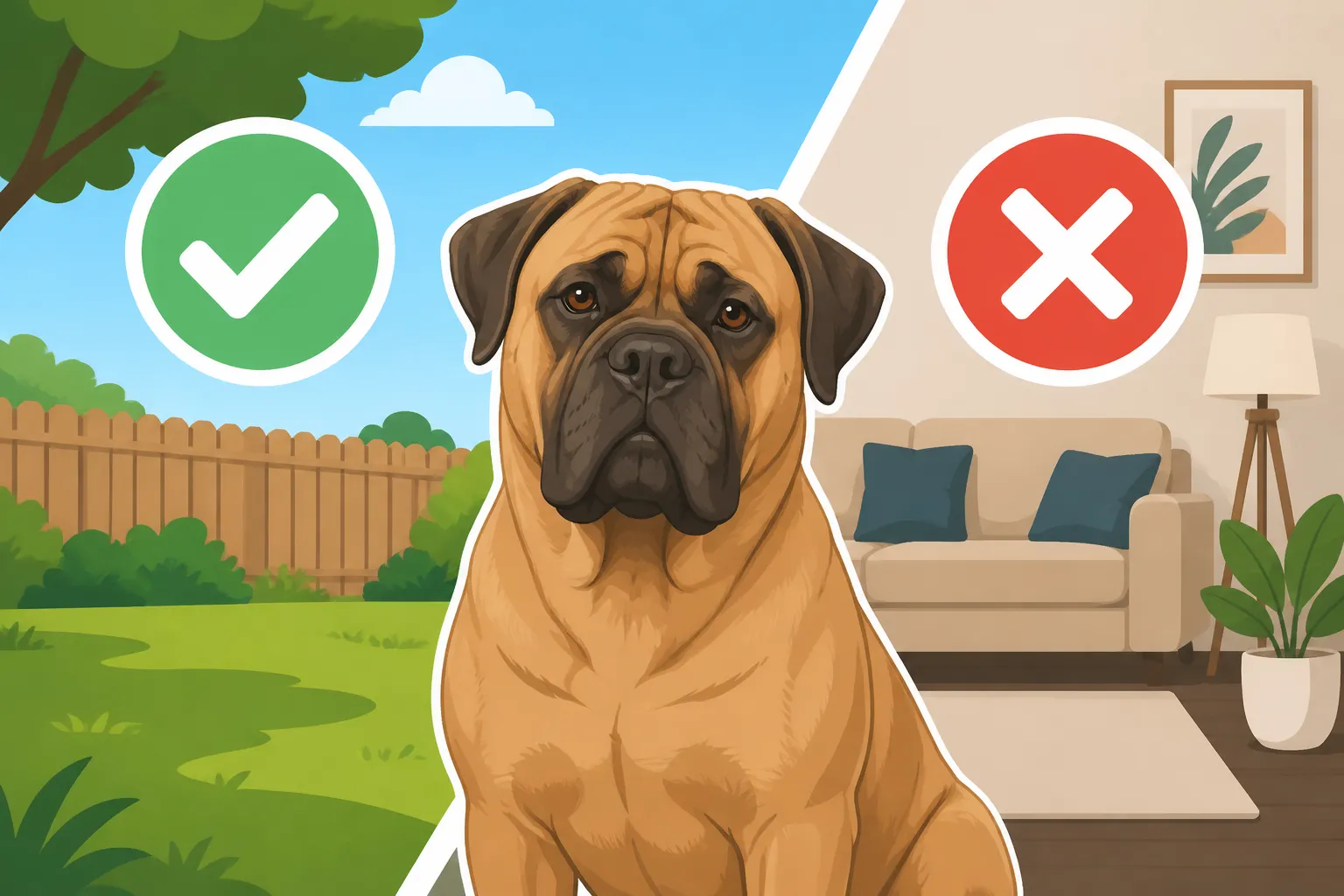
Here's a quick comparison of what having a yard versus not having a yard often means for Bullmastiff ownership:
| Feature/Aspect | With a Yard (Even Small) | Without a Yard (Apartment/Small Home) |
|---|---|---|
| Potty Breaks | Convenient, quick access for relief. | Requires leashing, walks outside for every break. |
| Structured Exercise | Can be done in yard, but still needs walks/owner presence. | Entirely reliant on daily walks, trips to parks. |
| Supervised Play | Dedicated space for short play sessions and training. | Must be done indoors or in public spaces. |
| Mental Stimulation | Can incorporate yard-based games, scent work. | Focus on indoor puzzles, training, and exploring new walks. |
| Security | Requires robust fencing (6ft+), supervision is key. | Focus on secure leashing and adherence to leash laws. |
| Overheating Risk | High if dog left unsupervised in sun; need shade/water. | Easier to control environment (indoors with A/C). |
| Owner Time/Commitment | Still requires significant engagement; yard not a substitute. | Requires even more active planning and execution for needs. |
| Training | Essential for yard manners & general obedience. | Absolutely critical for good house manners and outdoor safety. |
| Adaptability | Generally easy, but vigilance against guarding is needed. | Very adaptable if needs are met consistently. |
This article is for general informational purposes only and does not constitute professional advice. Laws, prices and regulations vary by location and change over time. Consult a qualified professional for guidance on your specific situation.