Whether a Bullmastiff Guards the Car
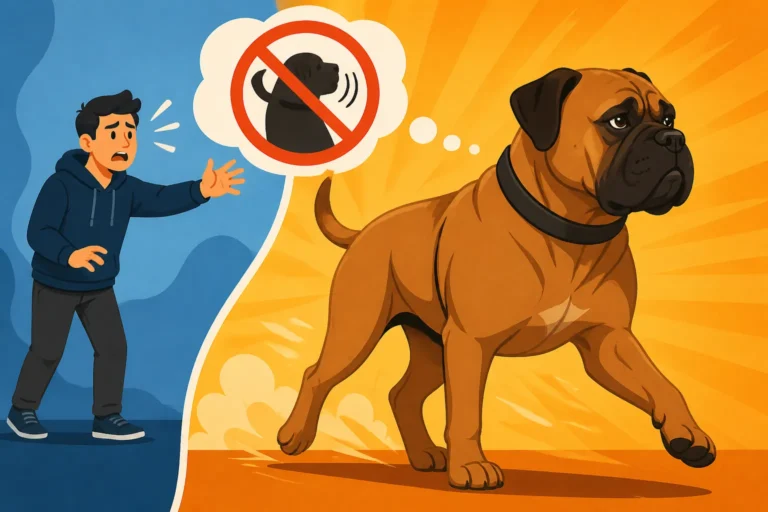
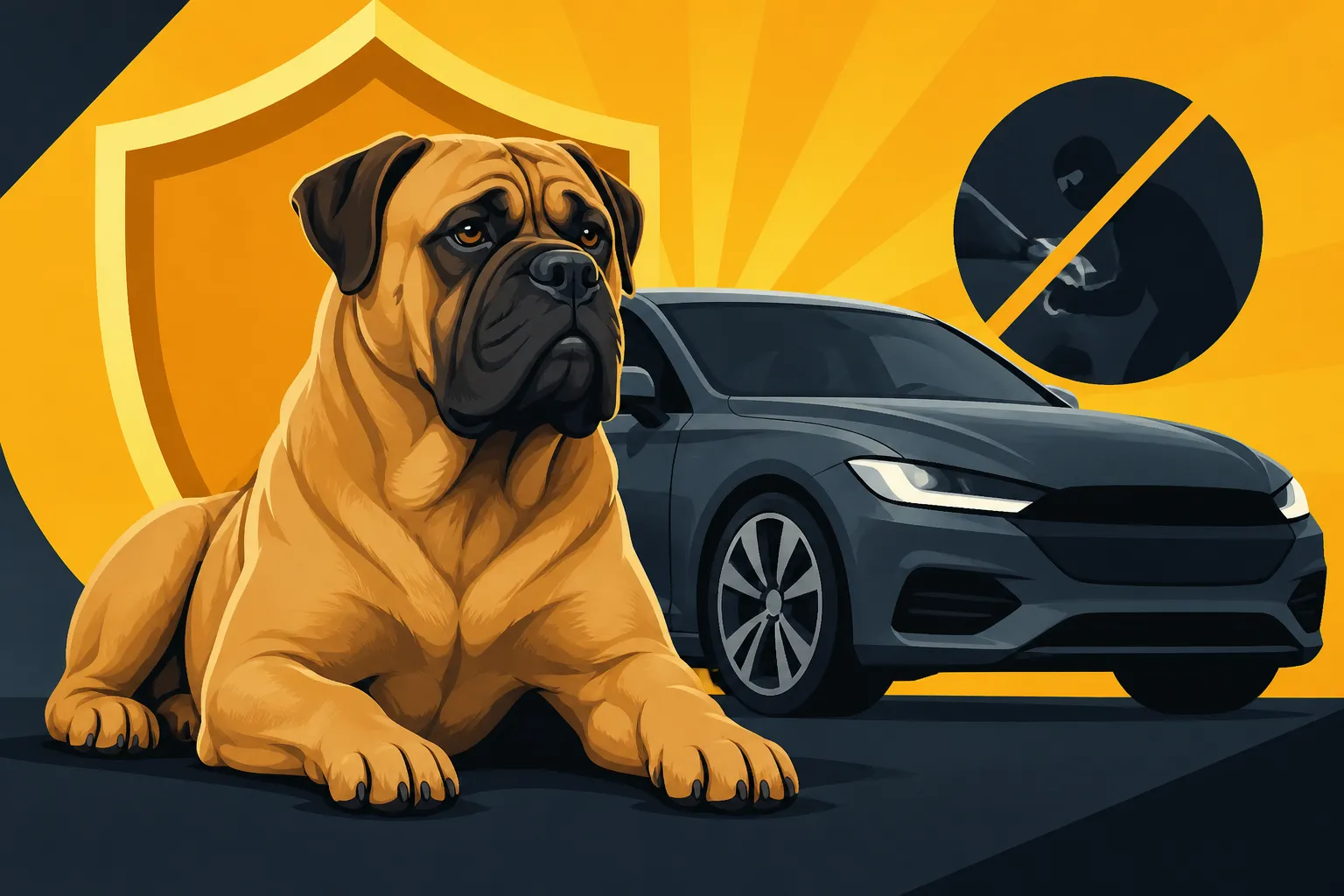
It’s a scenario many Bullmastiff owners dread, or perhaps have even experienced: you’ve got your beloved giant riding shotgun or snoozing in the back, and someone simply walks past your parked car, or God forbid, approaches it. Suddenly, your gentle giant transforms into a formidable guardian, barking, growling, and making it abundantly clear that this is their territory, and you are their person. This protective instinct, while inherent to the breed, can be incredibly startling and even dangerous if not properly understood and managed. This guide will walk you through why your Bullmastiff might guard the car, how to recognize the signs, and most importantly, practical, empathetic ways to manage this powerful behavior to keep everyone safe and stress-free.
Understanding the Bullmastiff's Protective Instinct in a Car
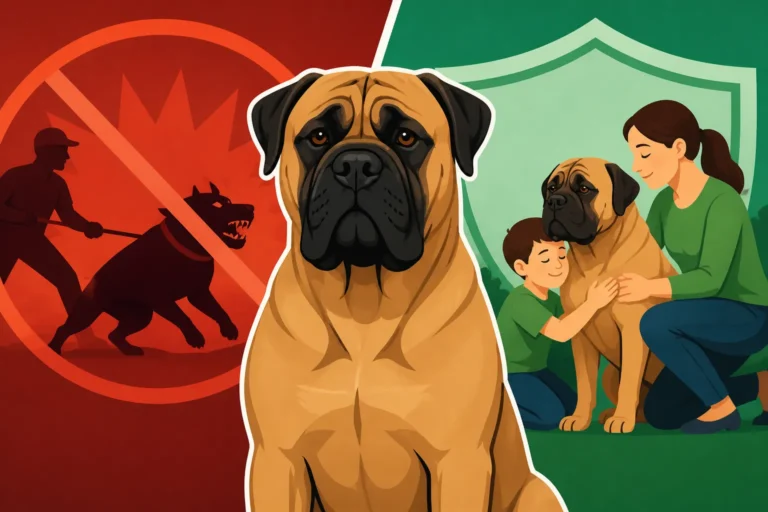
Your Bullmastiff isn't being "naughty" when they guard the car; they are simply doing what their instincts tell them to do. Bred as "Gamekeeper's Night Dogs," Bullmastiffs were developed to deter poachers on large estates. Their job wasn't to maul, but to catch, hold, and intimidate. This deep-seated protective drive means they are naturally watchful and will take their perceived role as guardian very seriously, especially when they feel their family or territory is threatened.
The Car as an Extension of Territory
For a Bullmastiff, the car isn't just a mode of transport; it quickly becomes an extension of their personal territory. Think about it: it's a confined space where they spend time with you, their most valued resource. Just like they might guard the house or yard, the car falls under this protective umbrella. When a stranger approaches the vehicle, especially if they make eye contact or walk too close, your Bullmastiff interprets this as an intrusion into their space and a potential threat to you, their pack leader.
It's a subtle shift from being calm passengers to vigilant sentinels, but it happens quite naturally for many Bullmastiffs. They might be perfectly relaxed when you're driving, enjoying the breeze or dozing off. But the moment the car stops and they perceive an external presence, that instinct kicks in. The windows act almost like a transparent fence, allowing them to see potential threats without being able to physically interact, which can intensify their reactions. This feeling of being "trapped" yet needing to protect can make the situation feel very urgent for your dog.
The Role of Breed History and Temperament
The Bullmastiff's lineage, a blend of Mastiff and Bulldog, instilled in them a unique combination of strength, courage, and a calm, deliberate nature. However, this calm can quickly be replaced by formidable resolve when they feel challenged. They were designed to work silently, to hold a man, not bite him, and to be imposing without being overly aggressive. This means their guarding behavior often starts with a low growl or a deep bark that is meant to deter, rather than immediately engage. Understanding A Bullmastiff Was Bred to Hold a Man, Not Bite Him can help contextualize this behavior; their goal is often to create distance and send a clear message.
This natural protectiveness is a double-edged sword. On one hand, it's reassuring to know your Bullmastiff is loyal and watchful. On the other, it requires diligent management, especially in public spaces like parking lots or drive-thrus. Their imposing size alone is often enough to deter, but their vocal displays can escalate quickly, causing stress for both you and your dog, and potentially scaring innocent passersby. It's not about making them stop being protective, but rather teaching them when and how to express that instinct appropriately.
Signs a Bullmastiff Is Guarding the Car
Recognizing the early signals that your Bullmastiff is entering "guard mode" in the car is crucial. The sooner you identify these subtle cues, the sooner you can intervene and redirect the behavior, preventing it from escalating into a full-blown display. These signs can range from subtle body language shifts to overt vocalizations.
Subtle Body Language Cues
Before the barking or growling starts, your Bullmastiff will likely give off several non-verbal warnings. Keep an eye out for these changes: their body might stiffen, their ears might perk up and rotate forward, and their gaze will become fixed on the approaching person or object. You might notice a subtle shift in their breathing or a slight tensing of their muscles. Their tail, which might have been wagging loosely a moment before, could now be held stiffly, either low or horizontally.
Another common cue is a low, rumbling growl that's barely audible, often accompanied by a hard stare. Their hackles (the hair along their spine) might raise slightly, indicating arousal or alertness. They may also lean forward, pressing against the window or crate bars, trying to get closer to the perceived threat. If you’re observant, you’ll see their eyes narrow, focusing intensely on whatever has caught their attention. These are all signals that they are assessing the situation and getting ready to react.
Overt Vocalizations and Displays
When the subtle cues are missed or the perceived threat continues to approach, your Bullmastiff will escalate their warning. This often starts with a deep, resonant bark. It’s not a playful bark; it’s usually low-pitched, deliberate, and meant to send a clear message. This can be followed by a series of barks, increasing in intensity and frequency. They might also growl more loudly, showing their teeth or wrinkling their muzzle.
In some cases, especially if they feel truly threatened or agitated, they might lunge towards the window or try to get out if a door is open. This can be particularly alarming for people outside the car, who only see a massive, powerful dog acting aggressively. Understanding What a Bullmastiff Was Bred to Do to a Poacher helps illustrate that these dogs are naturally imposing, and their displays are designed to be effective deterrents. It’s vital to remember that this isn't necessarily aggression directed at you, but an instinctual response to what they perceive as an external threat.
Managing Car Guarding Behavior
Managing your Bullmastiff's car guarding behavior requires consistency, patience, and a proactive approach. The goal isn't to punish them for their natural instincts, but to teach them appropriate responses and help them understand that you have the situation under control.
Desensitization and Counter-Conditioning
One of the most effective strategies is a combination of desensitization and counter-conditioning. This involves gradually exposing your Bullmastiff to triggers (people walking past the car) at a distance where they remain calm, and then pairing that exposure with something positive. Start by parking far away from pedestrian traffic where people are barely noticeable. The moment a person enters their line of sight, before your Bullmastiff has a chance to react, immediately reward them with high-value treats and praise. The idea is to change their emotional response from "intruder!" to "yay, people mean treats!"
As your dog consistently remains calm, you can slowly decrease the distance to the pedestrian traffic. This process can be lengthy, so don't rush it. It's about building positive associations and trust. If your Bullmastiff reacts, you've moved too quickly; simply increase the distance again and go back to basics. Remember, your calm demeanor is paramount. If you get anxious, your dog will pick up on that and think there really is something to worry about. For more general insights into their learning process, consider exploring How Trainable a Bullmastiff Is.
Environmental Management and Containment
Sometimes, prevention is the best medicine. If your Bullmastiff’s car guarding is intense, or you’re just starting the training process, environmental management is key. This could mean using a sturdy travel crate in the back of your SUV or truck bed. A crate not only provides a safe, secure space in case of an accident but also limits your Bullmastiff’s visual access to potential triggers, which can significantly reduce their stress and guarding behavior. Ensure the crate is large enough for them to stand, turn around, and lie down comfortably. Many owners find robust metal crates or crash-tested ones to be excellent choices, often found on platforms like Amazon.
For dogs riding in the backseat, a car harness secured to a seatbelt or a car barrier can be invaluable. These prevent them from lunging forward or trying to climb over seats, keeping both them and you safer. You might also consider using window shades or coverings to reduce visual stimuli, especially when parked. Some Bullmastiff owners find that partially obscuring the windows helps their dog relax and reduces the urge to "patrol." This management is not a substitute for training, but it provides a necessary safety net and helps manage the environment while you work on behavior modification.
Training for Calmness and Focus
Beyond desensitization, actively training your Bullmastiff for calmness and focus in the car can make a huge difference. Teach them a "settle" command, where they learn to lie down and relax on cue, even when there's mild activity outside the car. Practice this in various environments, starting with your quiet driveway, then moving to slightly busier spots. Reward them heavily for maintaining their calm.
You can also work on "watch me" or "look at me" commands, which divert their attention away from external stimuli and onto you. When you see a person approaching, ask for the "watch me" command and reward them generously for making eye contact with you instead of fixating on the passerby. Online training platforms like BAXTER & Bella often have excellent resources and modules specifically designed for impulse control and focus work, which can be adapted for car scenarios. This redirection teaches your Bullmastiff that you are aware of what's happening outside and that they don't need to take charge. This shifts the responsibility from them to you, which is exactly where it should be.
Safety Considerations for Car Travel
Beyond managing guarding behavior, ensuring overall safety during car travel for a large breed like a Bullmastiff is paramount. Their sheer size and weight mean that even minor incidents can have significant consequences if they're not properly secured.
Proper Restraint is Non-Negotiable
Having a Bullmastiff loose in a car is a recipe for disaster, not just because of potential guarding issues but primarily for their safety and yours. In a sudden stop or accident, an unrestrained Bullmastiff becomes a heavy projectile, capable of causing serious injury to themselves and human occupants. This is why proper restraint is non-negotiable. There are several options, each with its own pros and cons:
| Restraint Type | Description | Pros | Cons |
|---|---|---|---|
| Crash-Tested Crate | A sturdy, well-ventilated crate designed to withstand crash forces. | Highly secure; reduces visual stimuli; provides a safe "den." | Can be bulky; expensive for crash-tested models; requires sufficient vehicle space. |
| Car Safety Harness | A harness designed to attach to a vehicle's seatbelt system. | Allows dog to sit or lie down comfortably; relatively easy to use; less bulky than a crate. | Not all harnesses are truly crash-tested; can still allow some movement, potentially increasing injury risk in severe impact; dog can chew through. |
| Vehicle Barrier | A physical barrier (metal or mesh) separating the cargo area from the cab. | Keeps dog contained in a specific area; prevents access to driver/passengers. | Does not protect the dog from impact; dog can still be a projectile within the cargo area if not further restrained. |
| Booster Seat/Car Seat | Elevated seating for smaller dogs; often with a harness attachment. | Provides a view for smaller dogs; secure. | Unsuitable for Bullmastiffs due to size and weight. |
Always ensure any restraint you choose is appropriate for your Bullmastiff's size and weight. While many items are available on Amazon, always check for independent crash-test certifications for harnesses and crates to ensure true safety.
Protecting Your Bullmastiff from Heatstroke
Bullmastiffs are a brachycephalic breed, meaning they have a relatively short muzzle. This conformation makes them particularly susceptible to overheating, especially in warm weather or in a parked car. Their short airways make it harder for them to pant effectively and cool themselves down. Even on a mild day, the temperature inside a car can rise to dangerous levels very quickly, turning a pleasant outing into a life-threatening situation. It's a critical reason why you can't leave them alone in a vehicle, even with windows cracked. For more on this, read Why a Bullmastiff Overheats So Easily.
Always provide adequate ventilation when driving, use air conditioning in warm weather, and never leave your Bullmastiff unattended in a parked car. If you must run a quick errand, consider whether your Bullmastiff truly needs to come along or if it's safer for them to stay home. Keep water accessible during long trips, and if you suspect your dog is overheating, know the signs and how to respond immediately.
Gradual Introduction and Positive Experiences
For a Bullmastiff, the car should be a positive place. If their only car experiences involve stressful vet visits or being left alone to guard, they're more likely to develop anxiety or behavioral issues. Introduce car travel gradually, starting with short, pleasant trips to fun destinations like a dog park or a friend's house. Reward them for calm behavior during these trips.
Ensure the car itself is comfortable. A soft, supportive bed in their crate or on the seat can make a big difference. Bring their favorite chew toy or a comfort item to help them feel more at ease. Some dogs benefit from special pheromone sprays or calming supplements recommended by a vet, especially for longer journeys or if they have a history of car-related stress. The goal is to create an environment where your Bullmastiff feels safe, secure, and enjoys the ride, rather than feeling the need to be on high alert. When you prioritize their comfort and well-being, you foster a positive association with the car, which can naturally reduce guarding tendencies.
Disclaimer
This article is for general informational purposes only and does not constitute professional advice. Laws, prices and regulations vary by location and change over time. Consult a qualified professional for guidance on your specific situation.