Whether a Bullmastiff Should Be Guard Trained
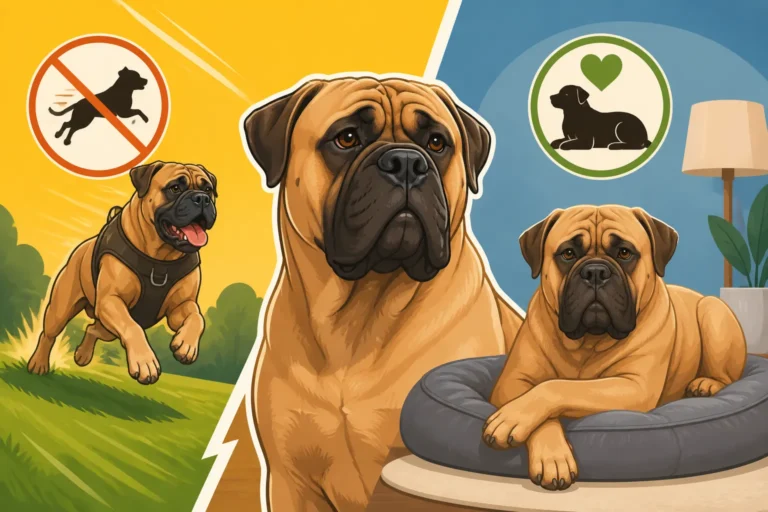
It's completely natural to want your Bullmastiff to be a protective guardian for your home and family. After all, they look the part, and their history speaks to their ability to deter intruders. But when it comes to formal "guard training" or "protection training," we need to have a serious talk about whether it's truly beneficial or even advisable for this magnificent, powerful breed. This guide will delve into the nuances of the Bullmastiff's natural protective instincts versus the potential pitfalls of formal guard training, helping you make an informed decision for your unique companion.
Understanding the Bullmastiff's Natural Guarding Instinct
Let's be real: your Bullmastiff is a natural guardian. That's what they were bred for, deep in their bones. These aren't dogs that need to be taught to be protective; it's an inherent part of their genetic makeup. They possess a keen awareness of their surroundings and a strong loyalty to their people, making them formidable deterrents without any specialized, aggressive training.
The Historical Role and Temperament
To truly understand a Bullmastiff, you have to look back at their origins. They earned the moniker "Gamekeeper's Night Dog" because their job was to protect vast estates from poachers. But here's the kicker: they weren't bred to maul or kill. Their role was to quietly track down intruders, pin them down, and hold them until the gamekeeper arrived. This required immense strength, courage, and, crucially, a stable temperament that allowed them to differentiate between a threat and, say, a lost child wandering onto the property. You can read more about this fascinating history in A Bullmastiff Was Bred to Hold a Man, Not Bite Him.
This historical context is vital because it explains the Bullmastiff's innate discernment. They are naturally observant and will assess a situation before reacting. Their protectiveness isn't typically a frantic, fear-based aggression, but rather a calm, confident, and deliberate response to perceived threats. They generally have a good sense of who belongs and who doesn't, and they take their job as family protector very seriously, often without needing to be told.
The "Silent Guard" and Body Language
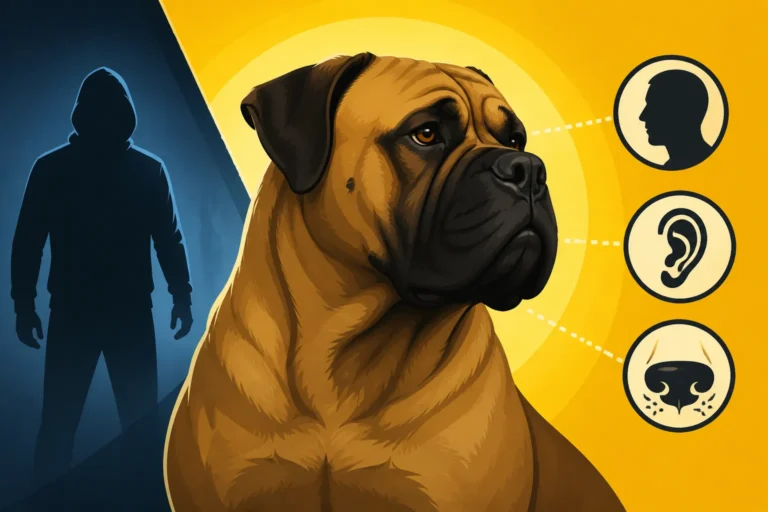
One of the most remarkable traits of a Bullmastiff, stemming directly from their gamekeeping past, is their tendency to be a "silent guard." They weren't supposed to bark and alert poachers from a distance; they were meant to be stealthy. While your Bullmastiff might certainly bark at the mail carrier or a squirrel in the yard, their serious guarding behavior often involves a quiet, watchful intensity. This might manifest as a low, rumbling growl, a focused stare, or simply placing themselves physically between you and a stranger. The Silent Guard: Why a Bullmastiff Barks So Little offers more insight into this unique trait.
Their body language can be incredibly subtle yet effective. A Bullmastiff might lean into you when a stranger approaches, a silent signal that they are present and aware. They might position themselves to block an entry point or stand firmly beside a family member. These behaviors are not aggression; they are manifestations of their deep-seated protective instinct. They communicate, "I'm here, I'm watching, and I'm prepared to act if necessary," all without resorting to overtly aggressive actions. This is the essence of How Protective a Bullmastiff Is.
Why Formal Guard Training Can Be Detrimental for a Bullmastiff
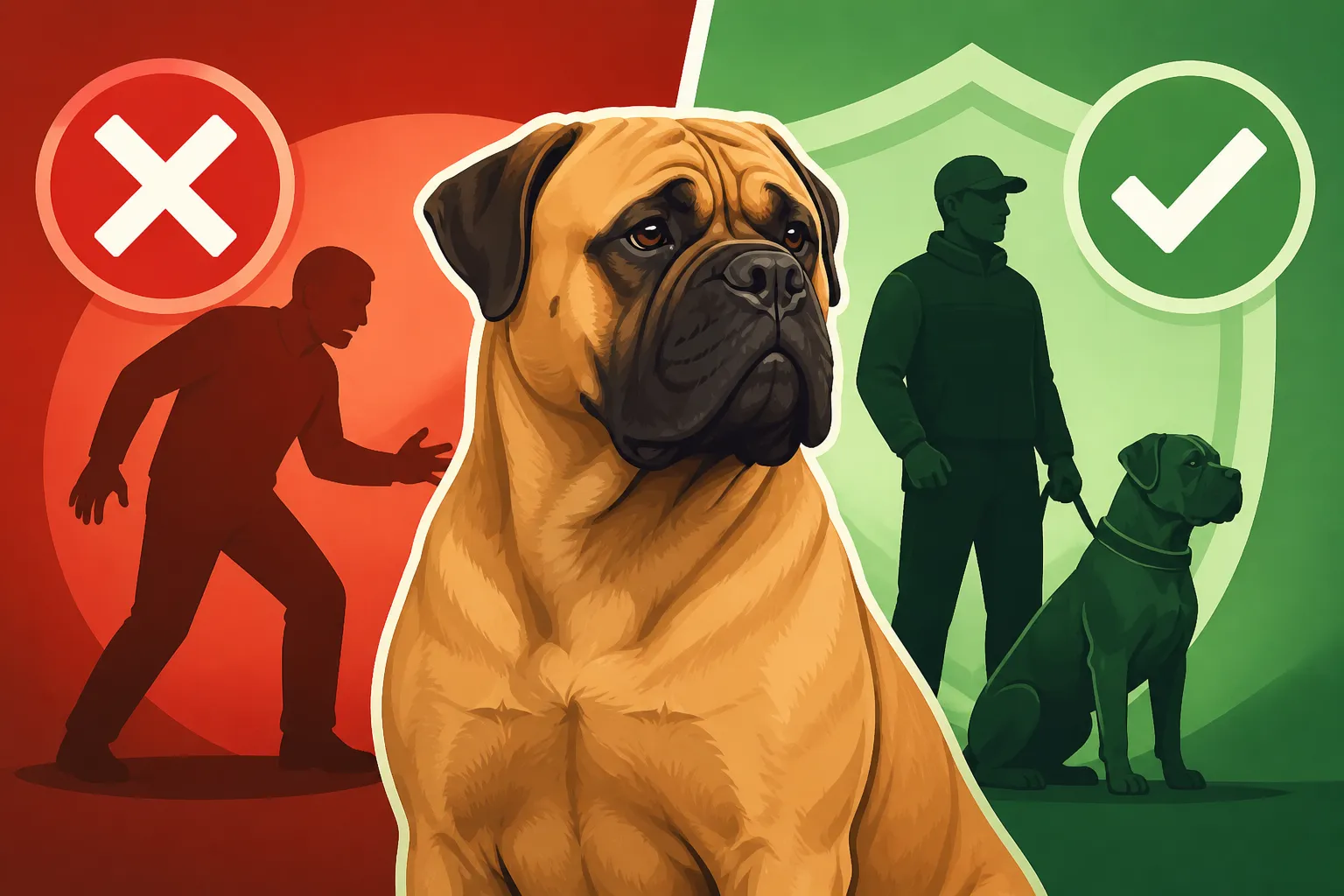
Given their natural protective instincts, many people wonder if formal guard training—the kind that involves bite work and teaching dogs to attack on command—is a good idea. For a Bullmastiff, the answer is almost universally no. While it might seem appealing to enhance their guarding capabilities, such training often works against their inherent temperament and can introduce significant risks.
Misinterpreting Natural Instincts
Formal guard training often aims to heighten a dog's aggression and teach them to bite on cue. For a Bullmastiff, whose instinct is to hold rather than bite, this can be a dangerous distortion of their natural abilities. Their strength and power are immense, and if you train them to be an aggressive weapon, you run the risk of overriding their natural discernment. A Bullmastiff's calm, deliberate nature is a huge asset; protection training can inadvertently turn that into reactive aggression, making them less predictable and potentially more dangerous. You want a dog that can assess a situation with a clear head, not one that is over-aroused and primed to attack.
The danger here is that a formally "guard-trained" Bullmastiff might misinterpret a non-threatening situation as an attack scenario. Imagine a child running up to greet your dog, or a friend making a sudden, boisterous movement. Without their natural calm and judgment, a dog trained for aggressive protection might react in a way that is wholly inappropriate and tragic. It turns a naturally discerning guardian into a potential liability. Why Protection Training Is Unnecessary for a Bullmastiff goes into more detail about this.
Risks to Public Safety and Owner Liability
Let's be brutally honest: a Bullmastiff is a huge, powerful dog. If one were to bite, the consequences could be severe, both for the person bitten and for you, the owner. Formal guard training significantly increases the risk of serious injury. When a dog is trained to bite, especially a dog with the strength of a Bullmastiff, you are essentially unleashing a force that is incredibly difficult to control once activated.
Beyond the immediate physical harm, there are profound legal and financial implications. If your formally guard-trained Bullmastiff injures someone, you could face lawsuits, criminal charges, and astronomical veterinary costs if the dog is deemed dangerous and ordered to be euthanized. Furthermore, many insurance companies have breed restrictions, and a formally guard-trained dog, especially a large breed, can make finding homeowners insurance incredibly difficult or even impossible. You need to consider Whether a Bullmastiff Is Insurable as a Guard Breed before even thinking about this kind of training. The peace of mind that comes from knowing your dog is a stable, reliable member of society far outweighs any perceived benefit of aggressive protection training.
Focusing on Foundational Obedience and Socialization Instead
Instead of channeling your Bullmastiff's protective instincts into formal guard training, a far more responsible and effective approach is to focus intensely on foundational obedience and thorough socialization. This builds a confident, stable dog who can protect you when needed, but more importantly, can live safely and happily within your community.
The Cornerstone: Obedience and Control
With a Bullmastiff, obedience isn't just about showing off tricks; it's about safety and control. These dogs are powerful, easily weighing well over a hundred pounds, and you need to be able to communicate effectively with them, even in high-stakes situations. Imagine trying to manage a panicked, hundred-and-thirty-pound dog without a reliable "stay" or "come." It's simply not feasible. Training a Bullmastiff That Weighs More Than You Do is not just a suggestion, it's a necessity.
Commands like a rock-solid "leave it," a recall that works every time, and a "down-stay" that can hold in distractions are your best defense. These are the tools that allow you to manage your Bullmastiff's natural protective responses, stepping in before a situation escalates. Online training platforms, like those offered by BAXTER & Bella, can provide excellent, structured guidance for building these crucial obedience skills from puppyhood through adulthood. They help you build a language with your dog, so you can calmly direct them rather than reacting to their instincts. When your Bullmastiff looks to you for direction, you maintain control, ensuring their protective nature is a benefit, not a risk.
Early and Ongoing Socialization
Socialization is another non-negotiable for a Bullmastiff. It's not just about exposing them to other dogs; it's about introducing them to a wide variety of people, sounds, sights, and environments in a positive, controlled way. This consistent exposure builds confidence and helps your Bullmastiff develop excellent discernment. A well-socialized Bullmastiff learns to differentiate between genuinely threatening situations and everyday occurrences, like a new person walking past your fence or a delivery driver approaching your door.
Start early and continue throughout their life. Take your Bullmastiff puppy to different parks (once fully vaccinated and safe, of course!), expose them to various ages and types of people, and let them experience different sights and sounds. Always ensure these experiences are positive, using plenty of praise and high-value treats (you can find a fantastic selection of these on Amazon). The goal is for your Bullmastiff to be comfortable and confident in the world, not fearful or overly suspicious. A Bullmastiff who is constantly on edge is a dangerous Bullmastiff. A truly confident dog knows when to relax and when to be alert. This is key to them being able to discern a true threat, as discussed in How a Bullmastiff Decides Someone Is a Threat.
Recognizing and Channeling Natural Protective Behaviors
It's important to differentiate between encouraging aggression and simply acknowledging and managing your Bullmastiff's inherent guarding traits. You want to foster a sense of security and trust, not anxiety or hostility. By understanding their natural behaviors, you can channel them effectively and ensure your Bullmastiff is a confident, stable, and protective family member.
Managing the Home Environment
Your home is your Bullmastiff's castle, and they will naturally feel a strong urge to protect it. You can manage this instinct in practical, sensible ways without resorting to formal training. For example, when guests arrive, especially new ones, consider having your Bullmastiff on a leash or behind a baby gate until everyone is settled. This allows your dog to observe and acclimate calmly, without feeling the need to "work." For long-term guests, a comfortable crate or a designated "place" command can be invaluable, offering your Bullmastiff a safe space to retreat to while still being part of the household. Read Whether a Bullmastiff Should Be Crated When Guests Come for more tips on managing visitors.
Ensuring your yard is securely fenced also plays a crucial role. This provides a clear boundary for your Bullmastiff to patrol and prevents them from wandering off or engaging in unwanted interactions with passersby. Rather than teaching them to be aggressive towards strangers outside your property, focus on teaching them impulse control and a reliable "leave it" command even when they see someone on the sidewalk. This empowers you to manage their reactions and reinforce that you are the one in charge of assessing threats.
Enhancing Their Natural Role Through Trust
The most powerful protective tool your Bullmastiff possesses is their bond with you. When they trust you completely, they will naturally look to you for cues in unfamiliar or potentially threatening situations. This means building a relationship where they understand that you are the leader, and you will handle things. When they see you calmly interacting with a new person, they learn that person is not a threat.
Encourage their natural "holding" instinct in a safe, appropriate way by reinforcing calm, watchful behavior. Praise them when they alert you to something unusual but redirect them to a settled state once you've assessed the situation. The true strength of a Bullmastiff lies in their stoic presence and their unwavering loyalty, not in aggressive displays. By focusing on a strong, trusting relationship built on clear communication and consistent expectations, you cultivate a guardian who is not only effective but also a joy to live with. Whether the Holding Instinct Survives in a Bullmastiff explains how this core trait can be nurtured responsibly.
Here’s a quick overview contrasting natural guarding with formal guard training:
| Feature | Natural Bullmastiff Guarding | Formal Guard Training (Protection Work) |
|---|---|---|
| Origin | Innate breed trait, historical purpose | Taught behavior, often by professional trainers |
| Primary Goal | Deterrence, holding, watchful presence | Attack on command, bite work, heightened aggression |
| Temperament | Calm, discerning, self-assured, assesses threats | Can become overly reactive, anxious, prone to misjudgment |
| Reaction to Threat | Subtle alerts, body blocking, low growls, holding | Direct physical engagement, biting, barking to incite |
| Control | Owner manages through obedience and trust | Can be difficult to "switch off" once activated |
| Risks | Minimal if well-socialized and obedient | High risk of liability, public danger, psychological stress |
| Owner Responsibility | Socialization, obedience, managing environment | Requires specialized handling, constant vigilance |
Disclaimer
This article is for general informational purposes only and does not constitute professional advice. Laws, prices and regulations vary by location and change over time. Consult a qualified professional for guidance on your specific situation.