Whether a Bullmastiff Is Safe With Delivery Drivers
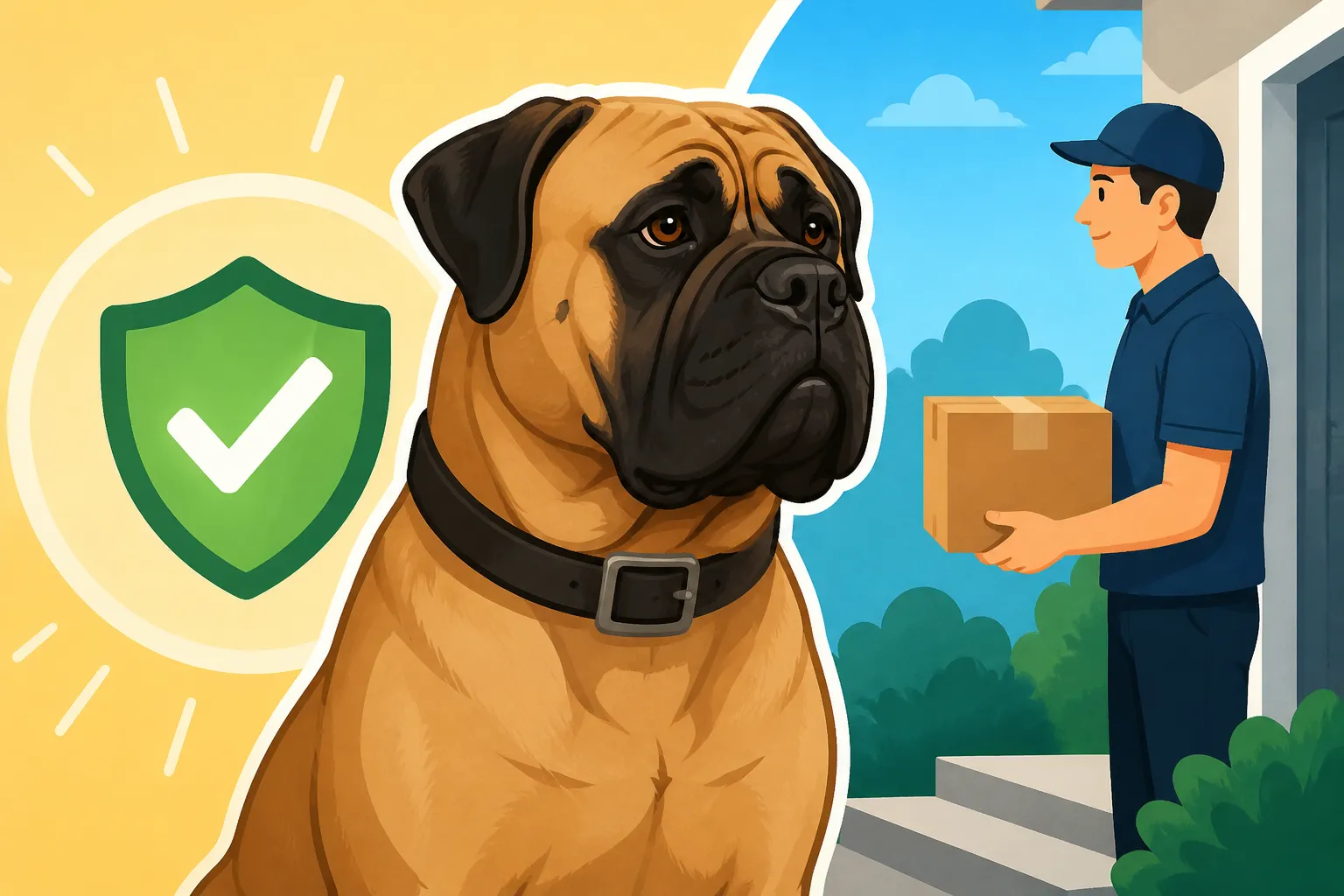
It’s a common scenario for Bullmastiff owners: you hear the doorbell, or maybe you just see a van pull up, and suddenly your massive, usually placid companion transforms into a watchful, sometimes vocal, presence by the door. The worry is real – how do you ensure the safety of both your beloved Bullmastiff and the unsuspecting delivery driver, especially with a breed renowned for its guarding instincts? This guide will dive deep into understanding your Bullmastiff's behavior, offering practical training tips, and managing real-world delivery situations to foster safe and calm interactions.
Understanding Your Bullmastiff's Natural Guarding Instincts
Let's be honest, you didn't get a Bullmastiff for their tiny stature or their lack of protective instinct. These dogs were quite literally bred for a specific job: guarding. Back in the day, English gamekeepers needed a dog that could deter poachers without causing undue harm, and the Bullmastiff fit the bill perfectly. They were designed to silently track, corner, and hold an intruder until the gamekeeper arrived, not to bite or injure. This history deeply influences how they react to strangers, especially those approaching their perceived territory.
The Bullmastiff's Protective Nature
That historical role means your Bullmastiff comes hardwired with a strong sense of territory and a natural inclination to protect their family and home. When a delivery driver approaches, in your Bullmastiff's mind, they are entering their space. It doesn't matter that the driver is simply dropping off a package; the instinct to evaluate and potentially deter this "intruder" kicks in. This isn't aggression for aggression's sake, but rather a profound sense of duty. They are, in their own silent and often imposing way, fulfilling the role they were created for. You might notice them stepping between you and the door, or placing their body between you and the perceived threat.
Their size alone is often a deterrent, which is exactly what their ancestors aimed for. But it also means that any perceived threat, even a minor one, can be amplified by their sheer physical presence. It’s crucial to remember that while they were bred to hold, not bite, an untrained or fearful Bullmastiff can still react unpredictably. Understanding that this protective drive is innate, rather than a learned bad habit, is the first step in managing it effectively. A Bullmastiff Was Bred to Hold a Man, Not Bite Him is a key piece of their heritage that shapes their behavior even today.
How Strangers Are Perceived by a Bullmastiff
To a Bullmastiff, every new person is a situation to be assessed. A delivery driver, especially one in a uniform they don't recognize, carrying a large box, and making quick movements, can be a particularly confusing and potentially alarming presence. Think about it from their perspective: a loud truck, a stranger getting out, walking directly to the door, possibly not making eye contact, and then leaving something on the porch. Each of these actions can be interpreted as unusual or suspicious.
The lack of consistent interaction with these transient visitors means your Bullmastiff rarely gets the chance to build a positive association. Unlike a familiar friend or family member who comes inside and interacts with them, delivery drivers are fleeting. This makes it harder for your Bullmastiff to generalize that "strangers at the door are okay." For many Bullmastiffs, the visual cue of a uniform (think postal worker, UPS, FedEx, Amazon) can become a specific trigger, leading to a predictable alert response. How a Bullmastiff Greets a Stranger can vary wildly depending on their socialization and your management.
The Silent Guard: Why Bullmastiffs Don't Always Bark
One common misconception about guard dogs is that they are constant barkers. While some breeds certainly fit this description, the Bullmastiff was actually developed to be a "silent watcher." Their original job required them to operate stealthily at night, meaning excessive barking would have given away their position. This historical trait means your Bullmastiff might not bark incessantly when a delivery driver approaches, which can sometimes lull owners into a false sense of security. The Silent Guard: Why a Bullmastiff Barks So Little explains this in more detail.
Instead of a flurry of barks, you might observe a Bullmastiff's more subtle cues: a rigid posture, a low growl barely audible to you, intense focus, or a sudden, deliberate movement towards the door or window. These are all indicators that their guarding instincts have been activated. It’s important to be attuned to these non-verbal signals, as they are your dog’s way of communicating that they are on high alert. Waiting for a loud bark before intervening can mean you're already behind the curve, and your Bullmastiff might be escalating their response.
Training and Management Strategies for Safe Interactions
Given your Bullmastiff's natural protective instincts, proactive training and consistent management are non-negotiable for ensuring safe interactions with delivery drivers. You can't just hope they'll be okay; you need a plan. The goal isn't to eliminate their guarding instinct entirely – that’s part of who they are – but to channel it into acceptable behaviors and give you control over the situation.
Early Socialization is Key
The foundation for a well-adjusted Bullmastiff who can calmly assess new situations, including delivery drivers, begins with extensive and positive socialization from puppyhood. This isn't just about meeting other dogs; it's about exposing them to a wide variety of sights, sounds, smells, and people in a controlled and positive manner. Take your puppy to places where they can observe people in uniforms from a safe distance, like outside a post office or a busy shopping area.
The key is to make these experiences positive. Pair the sight of a delivery truck or a person in a uniform with high-value treats and praise. For example, if you see a delivery driver across the street, calmly point them out, give your Bullmastiff a treat, and praise them for being calm. The idea is to teach them that these external stimuli predict good things, not threats. A great online resource like BAXTER & Bella offers structured puppy training programs that emphasize crucial socialization during those formative weeks, helping to shape a more confident and less reactive adult dog.
The Importance of a Solid "Place" or "Stay" Command
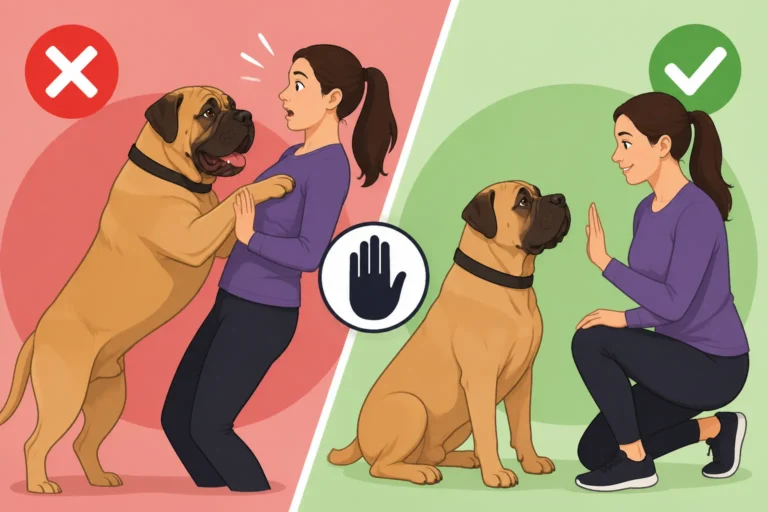
One of the most powerful tools in your arsenal for managing delivery situations is a rock-solid "place" or "stay" command. This command teaches your Bullmastiff to go to a designated spot (like a dog bed or mat) and remain there until released. Imagine the doorbell rings, and instead of a chaotic dash to the door, your Bullmastiff calmly goes to their "place" in another room, out of the way, allowing you to answer the door without stress.
Training this command requires patience and consistency. Start in a quiet environment, gradually increasing distractions. Use positive reinforcement, rewarding generously when they go to their spot and stay. Practice frequently, even when no one is at the door, so it becomes second nature. When the real test comes with a delivery driver, you can ask them to go to their place, creating a safe barrier. For some dogs, an extra sturdy dog bed purchased from Amazon can become their dedicated "place" where they feel secure. This command not only provides physical control but also gives your dog a job to do, which can alleviate their anxiety and reduce their need to "guard."
Leash Management and Crate Training for Control
Sometimes, even with the best intentions and training, a real-life situation might catch you off guard, or your Bullmastiff might be having an "off" day. This is where physical management tools become invaluable. Keeping a leash readily accessible, especially if you anticipate a delivery, can give you immediate control. Simply clipping the leash on allows you to guide your Bullmastiff away from the door or keep them by your side, ensuring they don't rush the delivery person.
For situations where you know deliveries are frequent, or if your Bullmastiff is particularly reactive, utilizing a crate can be the safest option. A sturdy, appropriately sized crate provides a secure space for your Bullmastiff where they can be calm and feel safe, away from the front door action. Crating them temporarily when you expect a package allows you to handle the delivery without worrying about your dog's reaction. It's not about punishment, but about managing the environment for safety. What a Crate for a Bullmastiff Costs can be an investment, but it's priceless for peace of mind. Remember, crate training should always be a positive experience, never used as a place of banishment or fear. The First Year With a Bullmastiff Puppy will emphasize the importance of starting these practices early.
Navigating Real-World Delivery Driver Scenarios
The theory is great, but how does it play out when the unexpected package arrives or the regular mail carrier comes by? Real-world scenarios throw curveballs, and anticipating them can make all the difference in maintaining a safe environment for everyone.
The Doorbell Dilemma
The sound of the doorbell or a knock is often the primary trigger for a Bullmastiff's alert system. It's sudden, it's loud, and it signals an intruder at the gate. Many dogs react with an immediate dash to the door, barking, growling, or body blocking. To manage this, you need to desensitize your Bullmastiff to the sound itself and create a new, desired response.
Start by recording your doorbell or a knocking sound. Play it at a very low volume, and immediately reward your Bullmastiff for remaining calm. Gradually increase the volume over several sessions. Once they are calm with the sound, start integrating your "place" command. Ring the bell, ask them to go to their place, and reward them when they comply. Practice this without anyone actually being at the door. When a real delivery arrives, you can then implement this learned sequence: bell rings, command "place," wait calmly, answer the door. If your Bullmastiff still struggles, consider putting a sign on your door asking drivers to knock or ring only if necessary, or to leave packages without direct interaction. Training a Bullmastiff That Weighs More Than You Do will outline the consistency needed for commands.
Package Drop-Offs and Unexpected Visitors
Sometimes, you don't hear the doorbell until it's too late, or a package is simply left on the porch without a knock. Your Bullmastiff might spot the person through a window, or hear their footsteps, leading to an unexpected alert. These scenarios require constant vigilance and environmental management. If your Bullmastiff has window access to the front yard or porch, consider using privacy film on lower windows or placing furniture to block their view. "Out of sight, out of mind" can be very effective in reducing triggers.
For unexpected visitors or deliveries, your immediate response is key. If your Bullmastiff rushes to the door, intercept them calmly but firmly. Use your leash or gently guide them away. Always have treats handy near the door; if you can quickly get their attention and reward them for disengaging from the door, you start to build a positive association with your intervention. If you see a driver approaching but haven't heard them, proactively put your Bullmastiff on a leash or ask them to go to their "place" before they even have a chance to react fully.
Introducing Your Bullmastiff to Regular Service Providers
While most delivery drivers are transient, you likely have regular visitors like the postal carrier, a weekly lawn service, or even a neighbor who occasionally drops things off. For these individuals, fostering a positive relationship with your Bullmastiff can significantly improve interactions. The goal is to make these specific people known and non-threatening.
With permission from the service provider, engage in structured, positive introductions. For example, ask your mail carrier if they would be willing to toss a high-value treat (which you provide) to your Bullmastiff from a safe distance, while your dog is on a leash and calm. Repeat this for several days or weeks. Over time, your Bullmastiff might start to associate the mail carrier not as an intruder, but as the "treat giver." Always supervise these interactions closely and ensure the service provider is comfortable. Never force an interaction, and always respect your Bullmastiff's comfort level. Some Bullmastiffs will naturally be more accepting than others.
Proactive Measures and Long-Term Solutions
Managing a Bullmastiff's interactions with delivery drivers isn't a one-time fix; it's an ongoing commitment. By implementing proactive measures and thinking about long-term strategies, you can create a calmer, safer home environment for everyone.
Secure Fencing and Gates
If your Bullmastiff has access to a yard, a secure fence is paramount, not just for general safety but specifically for managing interactions with people outside your property. A Bullmastiff can easily jump or push through inadequate fencing. Even a friendly lean on a gate by your Bullmastiff can be startling to an unsuspecting delivery driver. Your fence should be high and sturdy enough to contain a powerful, determined dog.
Make sure all gates are securely latched and that your Bullmastiff cannot accidentally push them open. Consider adding a secondary lock or a robust gate opener to prevent escapes. It's also wise to routinely check your fence line for any weak spots or areas where your Bullmastiff might try to dig out. What Fencing a Bullmastiff Requires goes into more detail about appropriate fencing for this breed. This physical barrier ensures that even if your dog gets overly excited, they cannot physically reach the delivery person, buying you crucial time to intervene.
Clear Signage and Communication with Delivery Services
Sometimes, the simplest solutions are the most effective. Clear signage on your gate or front door can inform delivery drivers about your dog and provide instructions. A sign that says "Please leave packages at the side gate" or "Dog on duty, do not knock/ring bell, leave packages" can often preempt an unwanted interaction. Be polite but firm in your messaging.
Beyond physical signs, many modern delivery services, like Amazon, allow you to leave specific instructions for drivers in your account profile. You can specify "Leave packages by the garage door, do not approach the front door" or "Do not ring the doorbell, dogs will bark." While not every driver will read these notes, many do, and it provides an official channel for communication. Consider having a designated drop-off spot that is out of view of your Bullmastiff's favorite window or away from the main entryway.
Consistent Training Reinforcement and Lifelong Learning
Bullmastiffs are intelligent, but they are also independent thinkers. Their training is never truly "done," especially when it comes to managing their strong protective instincts. Consistent reinforcement of all commands, particularly "place," "stay," and "leave it," is essential throughout their lives. Even an older Bullmastiff can revert to old habits if training isn't maintained.
Incorporate short, fun training sessions into your daily routine. Practice those commands when guests come over, or even simulate delivery scenarios with a family member or friend. The more opportunities your Bullmastiff has to practice being calm and following your cues in real-world situations, the more reliable their behavior will become. Think of it as investing in your dog's good manners and your own peace of mind. A well-socialized and consistently trained Bullmastiff who respects your leadership will be a much safer and calmer presence for everyone who approaches your home. Remember that A Bullmastiff Is Not Grown Up Until Three, so don't expect instant perfection, and keep those training sessions positive and engaging.
Table: Managing Bullmastiff Interactions with Delivery Drivers
| Situation | Potential Bullmastiff Reaction | Recommended Management Strategy | Example Action |
|---|---|---|---|
| Doorbell Rings | Immediate dash to the door, barking, growling. | Train a solid "place" command. Desensitize to doorbell sound. | Ring doorbell, command "Place," reward for calm compliance; use treats with low volume doorbell recordings. |
| Driver Approaches Window | Stiff body, low growl, intense stare, possibly a bark. | Block window access (privacy film, furniture). Use "leave it" command. | Apply window film or move a couch. If dog focuses on window, say "Leave it," redirect with a toy or treat. |
| Driver at Front Door | Lunging, vocalizing, body blocking. | Leash control, gate, or crate dog. Intercept calmly. | Clip on leash before opening door. Guide dog to a secure area or use a baby gate to block access. |
| Package Drop-Off (No Ring) | Alerts when noticing the package or seeing the driver. | Proactive management if you see the truck. Provide clear delivery instructions to services. | If you see the truck, immediately implement "place" command. Update Amazon delivery notes with specific instructions. |
| Regular Service Provider | Consistent reactivity to the same person/uniform. | Structured positive introductions (treats from distance). | Ask mail carrier to toss treats to your calm, leashed Bullmastiff from a safe distance daily. |
This consistent effort will make a world of difference. Your Bullmastiff might be a formidable guardian, but with the right guidance, they can also be a well-mannered member of the community, even when the delivery truck pulls up.
Disclaimer
This article is for general informational purposes only and does not constitute professional advice. Laws, prices and regulations vary by location and change over time. Consult a qualified professional for guidance on your specific situation.