Whether a Bullmastiff Is Insurable as a Guard Breed
It’s a common, and frankly frustrating, dilemma many Bullmastiff owners face: you’ve welcomed this magnificent, loyal companion into your home, and then you discover that the insurance company sees them not as the loving family member they are, but as a "guard breed" or worse, a "dangerous dog." This label can lead to higher premiums, breed restrictions, or even outright denial of coverage for your home, leaving you feeling unfairly targeted and worried about protecting your property and your beloved pet. This guide will help you understand why Bullmastiffs are often categorized this way by insurers, explore the real impact this has on your homeowner's and pet insurance, and arm you with strategies to secure the coverage you need while proving your Bullmastiff is a testament to responsible ownership.
The Insurance Industry's Lens on "Guard Breeds" and Bullmastiffs
When you hear your Bullmastiff called a "guard breed" by an insurance company, it can feel like a direct misunderstanding of their true nature. We know our dogs are gentle giants with their families, but the perception from the outside, often driven by old stereotypes or media portrayals, can be quite different. It's crucial to understand how these labels come about and why they impact breeds like the Bullmastiff.
Deconstructing the "Dangerous Breed" Label
The term "dangerous breed" is a thorny one, often evoking images of aggressive, unpredictable dogs. In reality, most dog professionals agree that aggression is rarely breed-specific but rather a product of individual temperament, training, socialization, and environment. However, many insurance companies operate on actuarial tables and perceived risk. They look at statistics, even if those statistics are often skewed or oversimplified, regarding bite incidents or property damage. Breeds with a strong physical presence, deep bark, or a history of being used for protection, even if that protection was historically non-aggressive, can often find themselves on these lists. It's a broad brush stroke that doesn't account for the nuanced reality of a dog's personality.
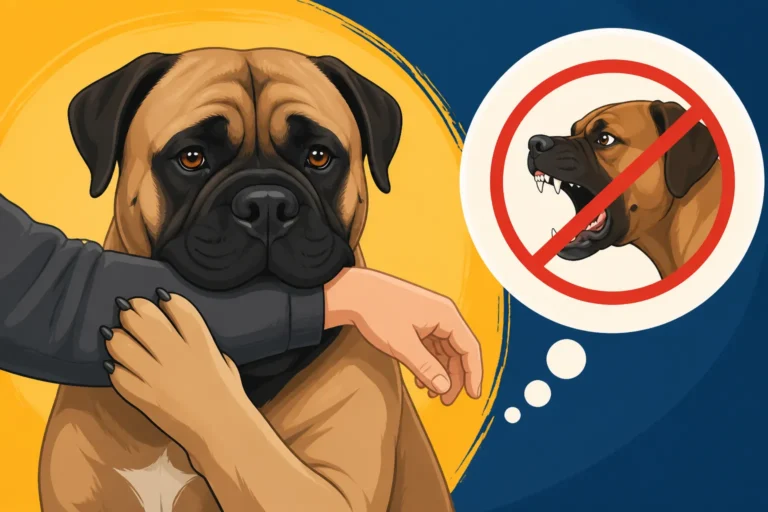
For instance, the Bullmastiff was historically bred to apprehend poachers on vast English estates. Their job was to silently track and then hold an intruder without mauling them. This meant they needed strength and courage, but also immense self-control. The historical intent was not to create an attack dog but a formidable deterrent that could physically contain a threat until the gamekeeper arrived. This crucial distinction, that A Bullmastiff Was Bred to Hold a Man, Not Bite Him, is often lost in modern insurance classifications. The perception of their size and protective history unfortunately overshadows their generally calm and deliberate temperament.
Why Bullmastiffs Often Land on Restricted Lists
Despite their affectionate nature with family, Bullmastiffs frequently appear on "restricted breed" or "dangerous dog" lists compiled by insurance companies. There are a few key reasons for this. First, their size alone is often a factor. A full-grown Bullmastiff can weigh over a hundred pounds, and while they may be clumsy or lean on you affectionately, their sheer bulk means that any unintended bump or playful jump could potentially injure a smaller person or child. Insurers factor in the potential for significant medical claims, even if an incident is accidental.
Secondly, their lineage as a guardian breed plays a significant role. Even though their guarding instinct is more about deterrence and holding rather than aggression, the word "guard" itself raises red flags for some underwriters. They see a dog bred for protection and automatically associate it with higher risk, regardless of the individual dog's temperament or training. Add to this the occasional sensationalized news story involving a large dog (which is rarely breed-specific but unfortunately perpetuates fear), and the stigma sticks. It’s a frustrating cycle where breed reputation, rather than individual dog behavior, dictates policy. You might encounter this particularly when looking up What Homeowners Insurance Says About a Bullmastiff or researching Whether a Bullmastiff Is on Restricted Breed Lists.
Navigating Homeowner's Liability Insurance with Your Gentle Giant
Securing homeowner's insurance with a Bullmastiff can sometimes feel like walking a tightrope. It's a necessary part of responsible pet ownership, yet the hurdles can be significant. Understanding the landscape and having a proactive approach is key.
The Realities of Breed-Specific Homeowner's Policies
Many insurance companies have internal lists of dog breeds they consider "high risk." If you own a dog on one of these lists, you might find yourself in one of several situations:
- Higher Premiums: Your existing policy might see an increase to cover the perceived added risk.
- Breed Exclusions: Your policy might state that any incidents involving your Bullmastiff are specifically excluded from coverage. This means if your dog were to, say, accidentally knock someone over or cause property damage, you'd be personally liable for all costs.
- Policy Denial or Cancellation: Some companies might refuse to issue a new policy or even cancel an existing one if they discover you own a Bullmastiff.
- Requirement for Specific Riders: You might be required to purchase a separate animal liability rider or an umbrella policy to ensure adequate coverage.
It's a tough pill to swallow when your beloved pet is singled out this way. The worst part is, these policies often don't differentiate between a well-trained, highly socialized Bullmastiff and one with behavioral issues, simply because of the breed name. This means that a quiet, calm dog might be subject to the same restrictions as a dog with a documented bite history from a different breed, purely due to genetics being the assumed predictor of behavior. Why a Bullmastiff's Premium Is High often comes down to this blanket assessment.
Practical Steps to Secure or Maintain Your Homeowner's Coverage
Don't despair if your Bullmastiff is on a restricted list. There are strategies you can employ to increase your chances of securing or maintaining your homeowner's insurance:
- Be Proactive and Honest: When shopping for or renewing insurance, always disclose that you own a Bullmastiff. Hiding it could lead to policy cancellation or denial of claims if an incident occurs.
- Shop Around: Insurance companies vary wildly in their stance on breed restrictions. What one company considers uninsurable, another might cover with no issue, or only a slight premium increase. Independent insurance agents can be invaluable here, as they work with multiple carriers and can help you find one that's more dog-friendly.
- Provide Documentation of Training: A well-behaved Bullmastiff is a huge asset. Enroll your dog in obedience classes and aim for certifications like the Canine Good Citizen (CGC) award. This demonstrates responsible ownership and can sometimes sway an insurer. Keep records of your dog's training and any positive evaluations from professional trainers. Tools and courses for positive reinforcement training, like those offered by BAXTER & Bella, can be incredibly helpful in achieving these milestones. Showing that you're actively working on Training a Bullmastiff That Weighs More Than You Do can make a real difference.
- Secure Your Property: Ensure you have adequate fencing and proper signage (e.g., "Beware of Dog" or "Dog on Premises"). This shows you're taking steps to prevent incidents and contain your dog safely on your property. What Fencing a Bullmastiff Requires for a large, powerful dog is often more robust than for smaller breeds.
- Consider an Umbrella Policy: If you're struggling to find a standard homeowner's policy, an umbrella liability policy provides additional coverage beyond your primary homeowner's limits. It can offer an extra layer of protection for personal liability, including potential dog-related incidents, after your underlying policy limits are exhausted.
- Get Vet References: A letter from your veterinarian attesting to your Bullmastiff's good health and temperament can sometimes be a persuasive piece of documentation.
Pet Health Insurance: A Different Kind of Protection for Your Bullmastiff
While homeowner's insurance deals with liability your dog might cause to others, pet health insurance focuses entirely on your dog's well-being, covering veterinary costs when they get sick or injured. It’s a separate, but equally important, consideration for Bullmastiff owners.
Understanding the Scope of Pet Health Insurance
Pet insurance is designed to help you manage the often-high costs of veterinary care. Unlike homeowner's insurance, breed restrictions are rare, if not non-existent, for pet health insurance regarding eligibility. However, the cost of premiums can still be influenced by breed-specific health predispositions. For Bullmastiffs, this is a significant factor. They are prone to certain health issues that can become very expensive to treat.
Common concerns that can lead to substantial vet bills include:
- Cancers: Bullmastiffs are unfortunately susceptible to various cancers, notably lymphoma. Lymphoma Kills More Bullmastiffs Than Anything Else is a stark reality for many owners. The diagnosis and treatment, including chemotherapy, can easily run into the thousands.
- Orthopedic Issues: Like many large and giant breeds, Bullmastiffs can suffer from conditions like hip and elbow dysplasia. Hips and Elbows Under a Hundred and Thirty Pound Bullmastiff are under immense strain throughout their lives. Surgeries for these conditions can be incredibly costly.
- Bloat (Gastric Dilatation-Volvulus): This life-threatening emergency requires immediate and expensive surgery.
- Cardiac Conditions: Subaortic stenosis is a heart condition found in Bullmastiffs.
Pet insurance doesn't prevent these conditions, but it can provide immense financial relief, allowing you to make medical decisions based on what's best for your dog, not just what you can afford.
Choosing the Best Health Coverage for a Bullmastiff
Selecting the right pet insurance for your Bullmastiff requires careful consideration. Here's what to look for:
- Comprehensive Coverage: Opt for plans that cover accidents, illnesses, surgeries, medications, and diagnostics. Some plans also offer wellness add-ons for routine care, though these may not be cost-effective for everyone.
- No Breed Exclusions: While rare for health insurance, always double-check. More importantly, ensure there are no specific exclusions for conditions common in Bullmastiffs.
- Customizable Deductibles and Reimbursement Levels: You can often choose your deductible amount (what you pay before insurance kicks in) and your reimbursement percentage (what percentage of the vet bill the insurance pays). Higher deductibles usually mean lower monthly premiums, but you'll pay more out-of-pocket per incident.
- Coverage for Hereditary and Congenital Conditions: Given the Bullmastiff's predispositions, this is critical. Many plans cover these, but some might have waiting periods or specific clauses.
- Early Enrollment is Key: The best time to insure your Bullmastiff is when they are a puppy. Policies usually exclude pre-existing conditions, so getting coverage before any health issues arise ensures the broadest possible protection. Why a Bullmastiff Should Be Insured From Eight Weeks is not just a suggestion, it's often the smartest financial move.
- Research Waiting Periods: Most policies have waiting periods before certain coverages kick in (e.g., 14 days for illnesses, 6 months for orthopedic conditions). Understand these terms before you enroll.
- Annual Limits: Some policies have annual payout limits. Consider a higher limit if you're concerned about multiple major health events.
When comparing plans, look at major providers like Healthy Paws, Embrace, or Lemonade Pet Insurance. Read reviews, get quotes, and compare the fine print to find a policy that gives you peace of mind for your Bullmastiff's health.
Proactive Ownership: Mitigating Risks and Proving Your Bullmastiff's Character
Beyond the insurance policies, the most powerful tool you have as a Bullmastiff owner is responsible, proactive ownership. Your dog's behavior and your commitment to their well-being speak volumes, not only to potential insurers but to everyone they encounter.
The Power of Training and Socialization
A well-trained and well-socialized Bullmastiff is an ambassador for the breed. These dogs are intelligent, but they can also be stubborn and deliberate in their decision-making. Consistent, positive reinforcement training from a young age is paramount. This isn't just about teaching commands; it's about building a strong bond, establishing clear communication, and nurturing their naturally protective instincts into appropriate behaviors. Consider exploring online dog training resources, like those found through BAXTER & Bella, which offer flexible programs to help you train your Bullmastiff effectively from the comfort of your home. They can even provide valuable insights into managing a large dog's specific needs.
Socialization is equally important. Expose your Bullmastiff puppy to a wide variety of sights, sounds, people, and other friendly dogs in a positive and controlled manner. This helps them develop into confident, well-adjusted adults who are less likely to react fearfully or defensively to new situations. While a Bullmastiff will always be watchful of strangers—it's in their DNA—proper socialization teaches them appropriate responses. For example, while How a Bullmastiff Greets a Stranger might involve a deep sniff and a watchful gaze, a well-socialized Bullmastiff should not be aggressive without clear provocation. Regular training classes, even beyond puppyhood, can reinforce good behavior and provide an opportunity to refine their manners in different environments. Many excellent training aids, from sturdy leashes and harnesses to puzzle toys for mental stimulation, can be found easily on platforms like Amazon.
Advocating for Your Bullmastiff in a Biased World
As a Bullmastiff owner, you often find yourself in a position of advocacy. This means not only ensuring your dog is a good citizen but also being prepared to educate others and stand up for your breed.
- Educate Others: Many people have misconceptions about large "guard breeds." Take opportunities to calmly educate friends, family, and even strangers about your Bullmastiff's true temperament. Share stories of their gentle nature, their loyalty, and their role as a cherished family member.
- Documentation is Your Friend: Keep a detailed file on your Bullmastiff. Include veterinary records, training certificates, microchip information, and any positive testimonials from trainers, dog walkers, or even neighbors. This comprehensive record can be invaluable if you ever need to prove your dog's good character, whether for insurance, housing, or general peace of mind.
- Understand Local Laws: Be aware of any breed-specific legislation (BSL) in your city, county, or state. While BSL is widely criticized by canine experts, some areas still have laws that restrict or ban certain breeds. Knowing these laws helps you navigate potential issues proactively.
- Transparency and Responsibility: Always be transparent with landlords, potential sitters, or anyone who might interact with your Bullmastiff. Emphasize your commitment to responsible ownership. Your consistent, responsible actions will do more to counter negative stereotypes than any argument.
Owning a Bullmastiff is a unique joy, filled with quiet companionship and unwavering loyalty. While the insurance world might throw a few curveballs your way, a combination of diligence, education, and proactive ownership will ensure you and your magnificent dog are well-protected and understood.
| Feature | Homeowner's Liability Insurance (Dog-Related) | Pet Health Insurance |
|---|---|---|
| Primary Purpose | Covers costs if your dog causes injury or property damage to others. | Covers veterinary costs if your dog gets sick or injured. |
| Breed Restrictions | Common. Bullmastiffs often on "restricted" or "dangerous" lists. | Very rare to non-existent for eligibility. Premiums may reflect breed health risks. |
| Typical Covered Incidents | Dog bite injuries, dog knocking someone over, property damage caused by dog. | Accidents (broken bones, ingestions), illnesses (cancer, infections), surgeries, medications. |
| Impact of Dog's Behavior | Can be highly influential; good training/CGC can sometimes help secure coverage. | Generally not a factor for eligibility, but pre-existing conditions are excluded. |
| Cost Factors | Breed, location, claims history, coverage limits. | Breed health predispositions, age of pet, deductible, reimbursement, annual limits. |
| Recommendation for BM Owners | Shop around, be transparent, provide training documentation, consider umbrella policy. | Enroll early (as a puppy), choose comprehensive coverage, prioritize hereditary/congenital coverage. |
Disclaimer
This article is for general informational purposes only and does not constitute professional advice. Laws, prices and regulations vary by location and change over time. Consult a qualified professional for guidance on your specific situation.