What to Do When a Bullmastiff Refuses to Move
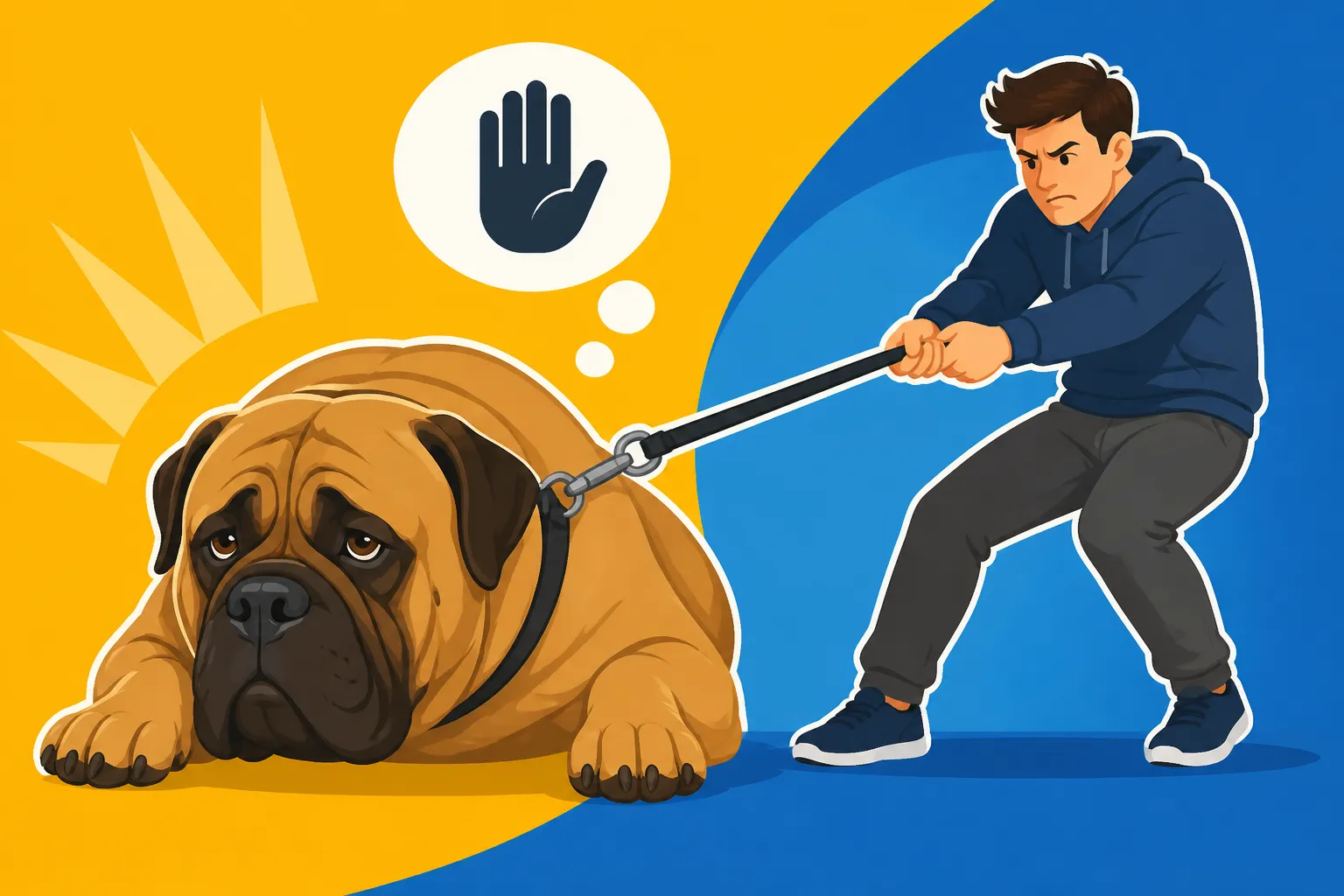
If you've ever found yourself on a walk with your majestic Bullmastiff, only for them to suddenly plant their formidable paws and decide, then and there, that they are simply not going another step, you know the unique frustration. It’s like hitting a brick wall, except the wall is a hundred-plus pounds of pure, unyielding canine determination. This guide is here to help you understand why your Bullmastiff might suddenly refuse to move, and more importantly, how you can gently and effectively encourage them forward without resorting to a futile tug-of-war.
Understanding the Bullmastiff's Stubborn Streak: The "Why" Behind the Freeze
It's easy to label a Bullmastiff as "stubborn" when they dig in their heels, but truly understanding their breed characteristics sheds a lot of light on this behavior. It's often not defiance, but a deeply ingrained trait or a reaction to something in their environment. These are dogs bred for deliberate action, not mindless obedience, and their size makes any physical struggle a losing battle for the human on the other end of the leash.
Bred for Deliberation, Not Hasty Action
Think about the Bullmastiff's original purpose: they were developed to silently track and hold poachers on vast English estates. This wasn't a job for a dog that reacted impulsively or without thought. A good gamekeeper's night dog needed to assess a situation, act with purpose, and be incredibly discerning. This historical role means they often come equipped with a thoughtful, almost ponderous nature. When your Bullmastiff stops, they might genuinely be evaluating something – a new scent, an unusual sound, or even just deciding if your proposed direction is truly worth their effort. It's not always about being disobedient; sometimes, it's just about taking their sweet time to process the world around them, or questioning the necessity of a command.
This deliberate nature can manifest in subtle ways. For instance, you might notice your Bullmastiff pause for a moment before responding to a familiar command, as if considering the request. The Bullmastiff That Pauses to Decide Whether You Are Worth It delves deeper into this fascinating aspect of their temperament. This isn't to say they are untrainable; quite the opposite. But their intelligence comes with an independent streak that requires an owner to understand and respect their decision-making process. They are not dogs that will simply comply without understanding, or if they perceive no immediate benefit to themselves.
When a Bullmastiff decides to be a statue, it’s often because their internal logic hasn’t aligned with your request. Perhaps the reward isn't appealing enough, or the perceived "threat" of what lies ahead (even if it's just a new street corner) is greater than the motivation to move. Recognizing this innate deliberateness is the first step in finding effective solutions that work with their nature, rather than against it. Trying to physically force a dog built to "hold a man" is a battle you are unlikely to win and one that will certainly damage your relationship.
Physical Impracticality of Force
Let's be brutally honest: you are not going to win a tug-of-war with a Bullmastiff that has decided not to move. These dogs typically weigh between 100 to 130 pounds, often more for males. A Hundred and Thirty Pounds of Bullmastiff, Measured isn't just a number; it's a monumental amount of inert weight when they choose to be immovable. Attempting to drag, pull, or physically coerce such a heavy dog is not only impractical but also dangerous for both of you. You risk injury to yourself (back strain is no joke!) and potentially to your dog, especially if they struggle against a tight collar or harness, leading to neck or spinal issues.
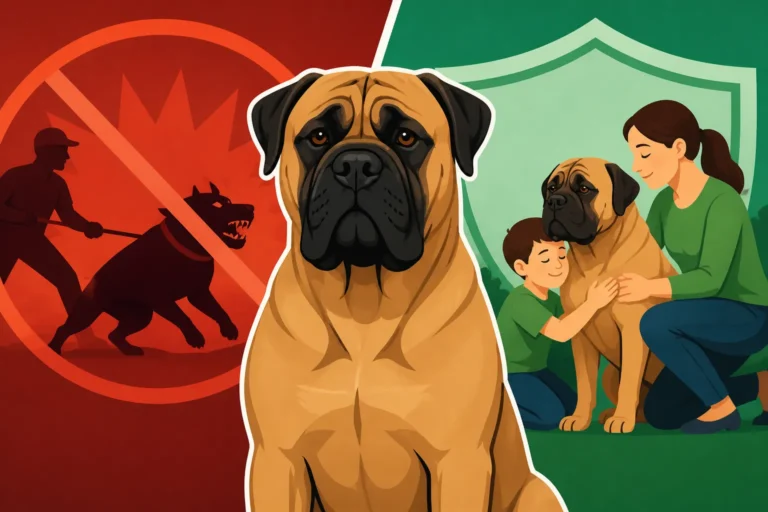
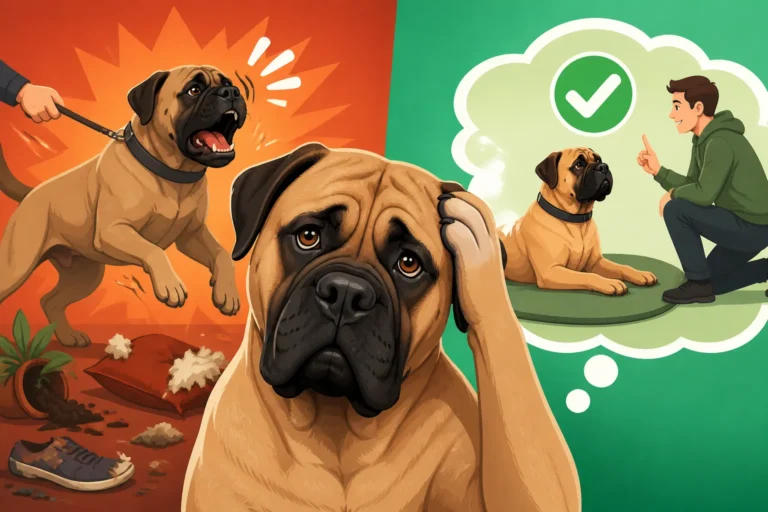
Beyond the physical danger, using force completely undermines any trust and positive association you're trying to build in your training. Your Bullmastiff needs to associate moving forward with good things, not with being uncomfortable or frightened by your attempts to drag them. Imagine how demoralizing it would be if every walk ended in a power struggle; your dog would quickly learn to dread walks rather than enjoy them. Instead of building a partnership, you'd be fostering resentment and potentially reactivity.
This is why understanding Training a Bullmastiff That Weighs More Than You Do is so critical. The emphasis must always be on cooperation and motivation, leveraging their natural desire to please when they choose to, rather than relying on brute strength. Their sheer mass demands that owners think smarter, not harder, when it comes to guiding them. Trying to heave a Bullmastiff off the sidewalk is a recipe for frustration and potential injury, and it does absolutely nothing to teach them what you want.
Environmental Overload or Fear
Sometimes, your Bullmastiff isn't being "stubborn" at all; they're genuinely overwhelmed or scared. A sudden loud noise, a strange person or dog approaching, an unfamiliar environment, or even an unusual object on the sidewalk can trigger a freeze response. Their protective instincts, combined with their thoughtful nature, can make them highly sensitive to perceived threats or novel stimuli. For a large, powerful dog like a Bullmastiff, "fight or flight" can sometimes look like "freeze." They might be assessing the situation, trying to decide if it's safe to proceed, or simply shutting down because it's all too much.
Consider a walk in a bustling city park if your Bullmastiff is used to quiet suburban streets. The sheer volume of new sights, sounds, and smells – children screaming, bikes whizzing by, other dogs barking, car horns – can be sensory overload. This isn't stubbornness; it's anxiety or fear. For a Bullmastiff, who might be inclined to lean into their human for reassurance, a stop can be a plea for help or a way to create distance from a perceived threat. Signs a Bullmastiff Is Anxious Alone provides insight into how they might express stress in different situations.
It's essential to become a keen observer of your Bullmastiff's body language. Are their ears back? Is their tail tucked? Are they panting excessively or licking their lips? These are all signs of stress, not defiance. Pushing a frightened dog can escalate the situation, potentially leading to fear aggression if they feel cornered. Taking the time to identify their triggers and building positive associations with these scenarios is far more effective than forcing them through a stressful experience. This might involve gradually introducing them to new environments or working with a professional trainer to desensitize them to specific fears.
Strategies for Encouraging Movement: The "How" to Get Going
So, your Bullmastiff has decided to become one with the pavement. Now what? The key is to avoid confrontation and instead use positive, persuasive techniques that respect their intelligence and physical capabilities. It’s all about making the desired action (moving forward) more appealing than staying put.
Positive Reinforcement and High-Value Rewards
When your Bullmastiff locks down, you need to find something incredibly enticing to break their focus and motivate them to move. Standard kibble or a casual "good dog" might not cut it. Think high-value rewards: small pieces of cooked chicken, cheese, hot dogs, or a favorite squeaky toy. These are the "jackpot" rewards that can often override their desire to stay put. The goal is to make moving with you the most rewarding option available.
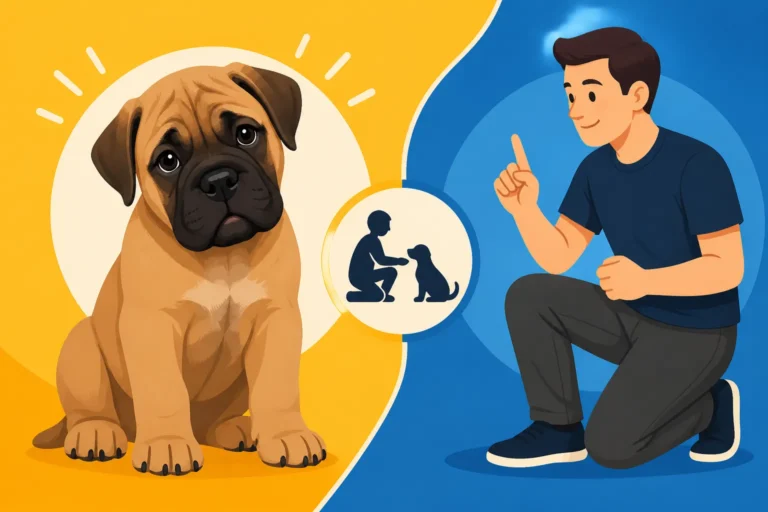
Start by holding the treat just out of reach, perhaps at nose level, and gently encouraging them with a cheerful voice. Don't push or pull the leash. Just lure them with the treat and a happy tone. The moment they take even a single step forward, immediately mark the behavior with a "yes!" or a clicker, and give them the treat. Repeat this process, gradually increasing the number of steps they need to take before receiving the reward. This teaches them that moving with you is what earns them the good stuff. What Motivates a Bullmastiff often comes down to high-value food and enthusiastic praise from their trusted human.
This method requires patience and consistency. If you sometimes resort to pulling or scolding, you're sending mixed signals that will confuse your Bullmastiff and diminish the effectiveness of positive reinforcement. Every interaction, especially during a "freeze" moment, should reinforce that cooperation leads to good outcomes. Over time, as they learn that listening to you consistently leads to delicious rewards, these "statue" moments will become less frequent. Consider carrying a small pouch of treats on every walk; you never know when you'll need to motivate your gentle giant.
The Art of Patience and Persuasion
Sometimes, the best thing you can do is absolutely nothing – for a moment, at least. If your Bullmastiff has frozen due to sensory overload or simple stubbornness, giving them a brief moment to process or realize that staying still isn't earning them anything can be effective. Stand still yourself, remain calm, and don't engage in a struggle. Let the tension out of the leash. Once they've had a moment, then you can try to re-engage them with a happy voice and those high-value treats.
Another persuasion tactic is to try changing your angle slightly. Instead of pulling straight forward, try taking a step or two to the side, or even turning your back slightly and calling them in an inviting tone. This shift in body language can sometimes break their focus and pique their curiosity. You're inviting them to join you, rather than demanding they move. For particularly stubborn episodes, you might even consider slowly walking a very short distance away from them (while keeping them safely leashed, of course), then calling them. This can sometimes trigger their natural desire to be with their human, especially if they perceive themselves as being "left behind."
Remember, Bullmastiffs are sensitive souls beneath their tough exterior. Harsh words or frustrated tones will only make them shut down further. Maintain a calm, encouraging demeanor. If you find yourself getting frustrated, take a deep breath. Your emotional state is often mirrored by your dog. If you're stressed, they'll likely become more stressed. How Sensitive a Bullmastiff Is might surprise you; despite their size, they are quite attuned to their owner's emotions. A calm, persuasive approach builds a stronger bond and is far more effective in the long run than any amount of physical force.
Equipment and Management Tools
The right equipment can make a world of difference when handling a large, powerful dog like a Bullmastiff, especially one prone to planting its feet. A well-fitting, comfortable harness is paramount. Avoid traditional neck collars for walks, as they can put dangerous pressure on their throat and neck if they suddenly stop or pull. A front-clip harness or a head halter can offer better control and redirect their momentum without causing discomfort or injury. Brands available on platforms like Amazon offer a wide range of harnesses specifically designed for large breeds, ensuring a secure and comfortable fit.
For training, especially if you're dealing with a young Bullmastiff or one prone to pulling before they decide to stop, a head halter can be an invaluable tool. It gives you steering control, making it much harder for them to dig in and resist. However, it's crucial to introduce a head halter slowly and positively, associating it with treats and praise, so your Bullmastiff doesn't view it as a punishment. Many reputable online dog training programs, such as those offered by BAXTER & Bella, can guide you through the proper introduction and use of such tools, ensuring a positive experience for your dog.
Beyond harnesses, consider other management tools for specific situations. For instance, if your Bullmastiff is known to suddenly stop due to fear of getting into the car, a sturdy car ramp can eliminate the physical struggle and make the process smoother. For outdoor scenarios, especially if you're working on recall or distance commands, a long line (a very long leash) can give them a sense of freedom while still allowing you to guide them safely if they hesitate. Always prioritize equipment that distributes pressure evenly and ensures your Bullmastiff's comfort and safety.
Preventing Future "Statue" Moments: Proactive Measures
While knowing how to react in the moment is crucial, the ultimate goal is to prevent your Bullmastiff from freezing in the first place. This involves a combination of early exposure, consistent training, and a deep understanding of your individual dog's personality and triggers.
Early Socialization and Exposure
One of the most powerful tools you have against fear-based freezing is comprehensive early socialization. A well-socialized Bullmastiff puppy is much more likely to develop into a confident adult who can handle novel situations without shutting down. This means safely exposing your puppy to a wide variety of sights, sounds, smells, people, and other friendly, vaccinated dogs from a young age. Think about places like quiet parks, pet-friendly stores (once fully vaccinated), different surfaces (grass, pavement, gravel), and the sounds of traffic or sirens.
The key is positive exposure. Every new experience should be paired with treats, praise, and a calm, reassuring presence from you. You want your Bullmastiff to associate new things with good things, not fear. If they seem overwhelmed, back off the intensity, give them space, and try again with less exposure, offering high-value rewards for even passive acceptance. Programs like BAXTER & Bella often provide excellent guidance on structured socialization plans for puppies, helping you navigate this critical developmental stage effectively.
Remember, socialization isn't a one-time event; it's an ongoing process throughout your Bullmastiff's life. Even adult dogs benefit from continued positive exposure to new environments to maintain their confidence. A Bullmastiff that has learned to trust you and the world around them is far less likely to become a frozen statue on your walks. The First Year With a Bullmastiff Puppy details many important steps in their early development, including socialization.
Consistent, Low-Pressure Training
Consistent training, practiced regularly in various environments, is essential for building a reliable bond and teaching your Bullmastiff that your cues are worth following. The goal isn't just to teach commands, but to instill a habit of responsiveness and an understanding that working with you is always a good idea. Focus on foundational commands like "come," "heel," and "let's go," and practice them in increasingly distracting environments.
Keep training sessions short, fun, and positive. Bullmastiffs can have a "what's in it for me?" attitude, and their attention spans might not be as long as some other breeds. How Long a Bullmastiff Will Work in a Session is often shorter than you might expect, so keep it engaging. Use high-value rewards generously and always end on a positive note. Avoid repetitive drills that might bore them. Instead, integrate training into your daily life – ask for a "sit" before a meal, a "stay" before opening the door, or a "let's go" as you transition from one room to another.
When practicing moving forward on a leash, start in a quiet, familiar area. Practice asking them to "come" or "let's go" with a happy voice and a high-value treat as a lure. Gradually introduce minor distractions, always rewarding forward movement. If they hesitate, don't pull; re-lure, praise, and treat. The more positive associations they build with moving on a leash, the less likely they are to shut down. This low-pressure approach builds confidence and a desire to engage with you, even when things get a little overwhelming.
Recognizing and Avoiding Triggers
Becoming an expert on your individual Bullmastiff's specific anxieties and comfort levels is a continuous learning process. Pay close attention to their body language in different situations. Do they tense up when they see a child on a scooter? Do they cower when a truck rumbles by? Do they get anxious when walking past a particular barking dog's yard? Signs a Bullmastiff Has Lymphoma or other health issues can sometimes manifest as behavioral changes, so always rule out physical discomfort if a behavioral issue appears suddenly.
Once you identify these triggers, you can develop strategies to either avoid them or work on them in a controlled, positive way. If your Bullmastiff consistently freezes at a specific intersection, try taking a different route for a while. If a particular sound spooks them, try playing recordings of that sound at a very low volume at home, pairing it with treats, and gradually increasing the volume over many sessions. The goal is to build their resilience, not force them into situations that will overwhelm them.
A helpful way to map out potential triggers and appropriate responses is to create a small table for common scenarios.
| Scenario / Trigger | Bullmastiff Behavior | Owner Response (Do's) | Owner Response (Don'ts) |
|---|---|---|---|
| Loud Noise (e.g., siren, truck) | Freezes, ears back, looks around anxiously | Stop, reassure calmly, offer high-value treat, wait for calm | Pull, scold, act frustrated, ignore fear signs |
| New Person/Dog Approaching | Stares intently, tenses, plants feet | Create space, divert attention with treat/toy, calm verbal praise | Force interaction, pull past, allow stranger to approach too quickly |
| Encountering New Object/Surface | Hesitates, sniffs suspiciously, refuses step | Lure with treat, allow sniffing, offer gentle encouragement | Drag them over, dismiss their caution, physically push them |
| Simple "Stubbornness" (no clear trigger) | Sits/lies down, looking around, seems bored | Stand still, wait patiently, re-engage with cheerful voice & treat | Get into a power struggle, yell, physically pull on leash |
| Dislikes a Specific Area/Route | Actively resists, pulls away, plants feet | Change direction, offer very high-value treats for short distances | Force them to walk the disliked route, become confrontational |
This proactive approach of identifying triggers and using positive, patient methods will help your Bullmastiff feel more secure and confident in the world, reducing the likelihood of those frustrating "statue" moments on your walks.
Remember, your Bullmastiff is a magnificent, intelligent creature. They thrive on clear communication, gentle leadership, and a deep, trusting bond. When they refuse to move, it's an invitation for you to slow down, observe, and find a solution that works with their nature, rather than against it.
Disclaimer
This article is for general informational purposes only and does not constitute professional advice. Laws, prices and regulations vary by location and change over time. Consult a qualified professional for guidance on your specific situation.