How Much a Bullmastiff Sleeps
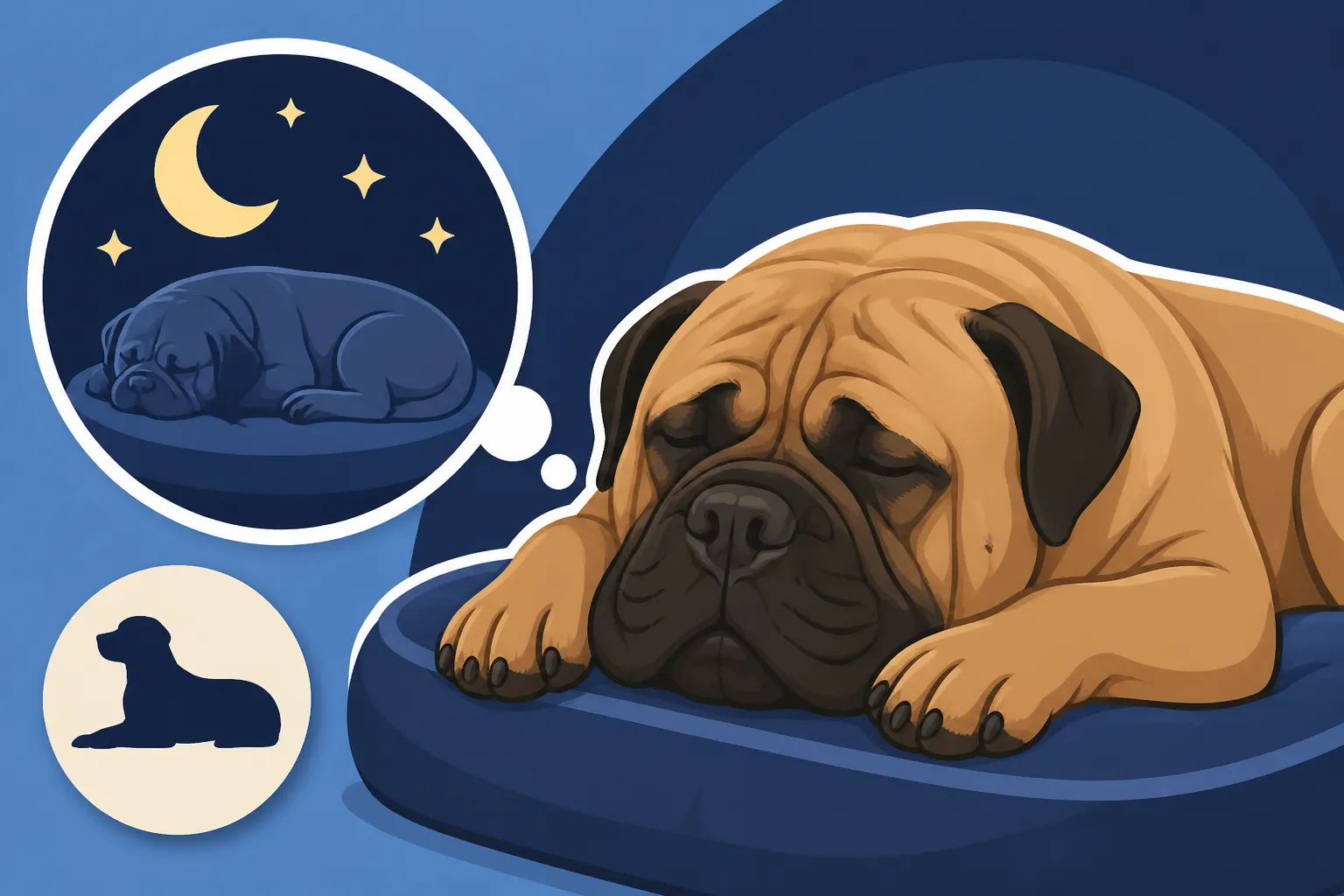
It’s a common sight for Bullmastiff owners: you look over and your giant, gentle companion is, once again, sprawled out, deep in slumber. You might wonder, is this normal? Are they sleeping too much, or is this just part of being a Bullmastiff? The truth is, these magnificent dogs do love their rest, and understanding their unique sleep patterns is crucial for their well-being. This guide will dive deep into how much sleep a Bullmastiff typically needs at various life stages, what influences their rest, and when you might need to pay closer attention to their snoozing habits.
Understanding the Bullmastiff's Sleep Needs
Bullmastiffs are naturally calm and deliberate dogs, and a significant part of their daily routine involves a good long nap, or several. Unlike some high-energy breeds that are constantly on the go, a Bullmastiff's energy expenditure is often in shorter, more intense bursts, followed by ample recovery time. This isn't laziness; it's just how they're wired, a reflection of their history as "night watchman's dogs" who needed to conserve energy for critical moments.
Puppy Sleep Patterns
When you first bring home a Bullmastiff puppy, you'll likely be amazed by how much they sleep. In fact, it can feel like they're only awake long enough to eat, play a little, and then conk out again. This is completely normal and incredibly important for their development. Young puppies, especially those under 12 weeks, can sleep upwards of 18-20 hours a day. Think of them as furry, rapidly growing babies – sleep is when their brains develop, their bodies grow, and their immune systems strengthen.
During these early weeks and months, their sleep isn't always deep. They'll have periods of light dozing, often twitching or making soft noises as they dream, followed by deeper sleep. Establishing a consistent routine from day one helps immensely. This includes regular feeding times, potty breaks, and playtime, all interspersed with plenty of opportunities for naps. A quiet, comfortable Bedding and Joints for a Hundred and Thirty Pound Bullmastiff in a low-traffic area is key to ensuring they get undisturbed rest. As they grow, their awake periods will lengthen, but don't be surprised if your four-month-old is still pulling off epic naps in the afternoon. For a comprehensive look at their early days, check out The First Year With a Bullmastiff Puppy.
Adult Bullmastiff Sleep Habits
As your Bullmastiff matures, usually between 1 to 3 years of age (remember, they mature slowly!), their sleep requirements will settle into a more predictable pattern. An adult Bullmastiff typically needs between 12 to 14 hours of sleep per day. This usually breaks down into 8-10 hours overnight and then another 4-6 hours spread throughout the day in various naps. They are masters of the "power nap," easily falling asleep in a sunbeam or in the middle of the living room floor, only to spring up a few minutes later if something interesting happens.
It's not just about the hours, though. The quality of their sleep matters. They need a comfortable, supportive bed that can handle their massive weight and protect their joints. Hard floors might seem appealing to them when it's warm, but prolonged use can lead to issues. Even if they choose to nap on the cool tile sometimes, always ensure a proper orthopedic bed is available. You’ll notice they cycle between deep sleep, where they're completely still and breathing slowly, and lighter sleep, where they might respond to sounds or shift positions easily. Understanding What a Bullmastiff Does All Day will help you recognize their natural rhythms.
Senior Bullmastiff Sleep Changes
As Bullmastiffs enter their senior years, typically around age 6 or 7, their sleep patterns often shift again. The Age a Bullmastiff Is Considered Senior means that they might start needing even more sleep than their adult counterparts, sometimes creeping back up to 16-18 hours a day. This increased need for rest is usually a natural part of aging, as their bodies require more time to recover from activity and their metabolism slows.
However, changes in sleep in older dogs can also be a sign of underlying health issues. A senior Bullmastiff might sleep more due to arthritis pain making movement difficult, or they might be sleeping less because of discomfort, cognitive dysfunction, or increased nighttime urination. Observing how they sleep is just as important as how long. Are they restless? Do they struggle to get comfortable? Do they wake up disoriented? These are all important observations to share with your vet when considering Caring for an Aging Bullmastiff. Providing extra comfortable, easy-to-access bedding becomes even more critical for older dogs who might struggle with mobility.
Factors Influencing Bullmastiff Sleep
It's not just age that dictates how much a Bullmastiff sleeps. Several environmental and lifestyle factors play a huge role in their daily rest and overall well-being. Keeping these in mind can help you ensure your gentle giant is getting the quality Z's they need.
Activity Levels and Mental Stimulation
While Bullmastiffs are not high-energy dogs in the same way a Border Collie or a Jack Russell might be, they still require consistent, appropriate exercise. A bored or under-exercised Bullmastiff might paradoxically sleep less or sleep poorly because they haven't had a proper outlet for their physical and mental energy. A good daily routine of a couple of moderate walks, some playtime in the yard, and a short training session can do wonders. Don't underestimate the power of mental stimulation either; puzzle toys, scent work, or even just working on new commands can be surprisingly tiring for them.
Conversely, over-exercising a Bullmastiff, especially a young puppy, can lead to orthopedic issues and exhaustion rather than healthy sleep. It's about balance. A well-exercised Bullmastiff will be content to settle down and sleep soundly afterwards. On days with more activity, like a long walk at a local park or an afternoon spent supervising the kids' play, you might find them taking longer, deeper naps later. How Much Exercise a Bullmastiff Needs is less than you might think, but it needs to be consistent.
Health and Comfort
A Bullmastiff's physical health is inextricably linked to their sleep quality. Pain, discomfort, or illness can significantly disrupt their sleep patterns. For example, joint pain from conditions like hip or elbow dysplasia can make it hard for them to get comfortable, leading to restless nights or excessive daytime napping as they try to find relief. Respiratory issues, common in brachycephalic (short-nosed) breeds like the Bullmastiff, can also make breathing difficult during sleep, leading to snoring, snorting, and interrupted rest.
Maintaining a healthy weight is also paramount. An overweight Bullmastiff will often struggle with mobility and respiratory problems, both of which can impact sleep. Keeping them lean from puppyhood can add years to their life and improve their comfort significantly. Regular vet check-ups are essential to catch any health issues early. Remember that Bullmastiffs are stoic and can often hide pain until it's quite advanced, so subtle changes in sleep could be a key indicator. You may want to review How a Bullmastiff Hides Pain to know what to look for. If you notice any significant changes, it's always best to consult your veterinarian.
Environment and Routine
Dogs thrive on routine, and Bullmastiffs are no exception. A consistent daily schedule for meals, potty breaks, exercise, and bedtime helps regulate their internal clock and promotes better sleep. A calm, quiet sleeping environment is also crucial. While they enjoy being near their families, constant noise or disruptions can prevent them from entering deep, restorative sleep. Some dogs find comfort in a crate (if properly introduced) or a designated dog-friendly space in a quieter part of the house.
The temperature of their sleeping area also matters. Bullmastiffs can overheat easily due to their short muzzles and heavy coats. A cool room is essential for comfortable sleep, especially in warmer climates. Conversely, a drafty spot in winter might make them cold, leading to restlessness. Consider their ideal day and try to replicate it as much as possible for optimal rest. What a Bullmastiff's Ideal Day Looks Like often includes plenty of downtime. Many owners use smart home devices available on platforms like Amazon to maintain a comfortable temperature for their beloved companions, ensuring they never get too hot or too cold while resting.
When to Worry About Your Bullmastiff's Sleep
While Bullmastiffs are known for their love of napping, there's a difference between healthy slumber and sleep patterns that signal a problem. Being observant of your dog's habits can help you identify when it might be time to seek professional advice.
Signs of Too Much or Too Little Sleep
If your Bullmastiff suddenly starts sleeping significantly more than usual, becoming lethargic, difficult to rouse, or uninterested in their regular activities even when awake, this is a red flag. Excessive sleep accompanied by other symptoms like changes in appetite, increased thirst, vomiting, diarrhea, or difficulty moving could indicate an underlying health issue such as hypothyroidism, anemia, or even certain cancers. Signs a Bullmastiff is not thriving are often subtle and can start with changes in sleep.
Conversely, a Bullmastiff that is sleeping too little can also be a cause for concern. Restlessness, pacing, difficulty settling down, or waking frequently throughout the night might be a sign of pain, anxiety, cognitive dysfunction (especially in older dogs), or even an external irritant like fleas. If your dog seems agitated or uncomfortable during their usual resting periods, it's worth investigating further.
Common Sleep Disruptors and Health Concerns
Several health issues can manifest through disrupted sleep. For example, dogs with arthritis might struggle to find a comfortable position, leading to frequent repositioning and interrupted rest. Respiratory problems, especially exacerbated by their brachycephalic nature, can cause loud snoring, gasping, or even sleep apnea-like episodes. This not only disturbs their sleep but can also be dangerous.
Pain from injuries, dental problems, or internal illnesses can make it impossible for a dog to relax enough to sleep soundly. Older Bullmastiffs may also develop canine cognitive dysfunction, similar to Alzheimer's in humans, which can lead to confusion, altered sleep-wake cycles, and increased anxiety, often resulting in pacing and barking at night. Regular veterinary check-ups are vital for early detection and management of these conditions. How Often a Bullmastiff Needs a Wellness Exam should be at least yearly, and more frequently for seniors.
Consulting Your Veterinarian
If you notice any persistent or significant changes in your Bullmastiff's sleep patterns, it's always best to consult your veterinarian. They can perform a thorough physical examination, run diagnostic tests if necessary, and help identify the root cause of the sleep disturbance. Be prepared to provide them with as much detail as possible: when the changes started, how much more or less they are sleeping, any other accompanying symptoms, and details about their daily routine and environment.
Sometimes, simple adjustments to their diet, exercise, or sleeping arrangements can make a world of difference. Other times, medication for pain, anxiety, or an underlying medical condition might be necessary. Never try to diagnose or treat your Bullmastiff yourself. Early intervention from your vet can prevent minor issues from becoming major problems and ensure your Bullmastiff enjoys comfortable, restorative sleep for many years to come. Online resources and training programs, such as those offered by BAXTER & Bella, can sometimes provide guidance on establishing routines or addressing anxiety that might impact sleep, but always with the caveat that health concerns require a vet.
Here's a quick overview of typical Bullmastiff sleep patterns:
| Life Stage | Typical Daily Sleep (Hours) | Key Characteristics & Considerations |
|---|---|---|
| Puppy (0-1 year) | 18-20+ | Rapid growth, brain development; frequent, short naps; easily roused. |
| Adult (1-6 years) | 12-14 | Consists of 8-10 hours overnight + 4-6 hours in daytime naps; sound sleepers. |
| Senior (6+ years) | 16-18+ | Increased need for rest; may be restless due to pain; cognitive changes possible. |
Understanding your Bullmastiff's sleep habits is a vital part of responsible ownership. These magnificent dogs fill our lives with so much love and gentle companionship, and ensuring they get proper rest helps them stay healthy and happy. By being attentive to their needs and consulting your vet when necessary, you can help your Bullmastiff enjoy many years of peaceful, well-deserved slumber.
Disclaimer
This article is for general informational purposes only and does not constitute professional advice. Laws, prices and regulations vary by location and change over time. Consult a qualified professional for guidance on your specific situation.