How a Bullmastiff Rides in a Car
Getting your majestic Bullmastiff safely and comfortably into a car can feel like a Herculean task, especially if your gentle giant isn't a fan of rides or if your vehicle feels like it shrinks whenever they try to climb in. Many of us have faced the struggle of a hundred-plus-pound dog trying to wedge itself into a back seat, or the anxiety of a panting, drooling companion clearly unhappy about the journey. This comprehensive guide will walk you through the real challenges and practical solutions for making car rides a positive experience for both you and your beloved Bullmastiff.
The Challenges of Car Travel with a Bullmastiff
Let's be honest, Bullmastiffs aren't exactly lap dogs, and their impressive size brings a unique set of considerations when it comes to car travel. It's not just about getting them from point A to point B; it's about doing it safely, comfortably, and without turning your car into a fur-covered, drool-streaked disaster zone.
Size and Space Considerations
The most obvious hurdle for Bullmastiff owners is simply their dog's sheer physical presence. A fully grown Bullmastiff can weigh upwards of 100-130 pounds, sometimes even more. This isn't a dog that can just curl up in a tiny footwell. They need significant space to lie down, stand, and turn around, even for short trips. Trying to cram them into a sedan's backseat can be a recipe for discomfort for your dog, and a safety hazard for everyone in the car.
Many owners quickly realize that their typical family car might not cut it. Even SUVs, depending on their size and design, can feel surprisingly small once a Bullmastiff takes up residence. They often end up sprawled across seats, potentially blocking the driver's view or interfering with passengers. Without proper restraint, this can be incredibly dangerous. In a sudden stop or accident, an unrestrained Bullmastiff becomes a massive projectile, capable of causing serious harm to themselves and human occupants. This isn't something anyone wants to think about, but it's a critical reality of driving with a large dog. You might find yourself asking Whether a Bullmastiff Needs a Bigger Vehicle just to accommodate their size and safety needs. Furthermore, their presence means more drool, more shedding, and potentially more dirt being tracked into your vehicle, adding to the general wear and tear that comes with dog ownership.
Temperament and Anxiety on the Road
While many Bullmastiffs possess a calm and stoic demeanor at home, car travel can sometimes bring out a different side. Some Bullmastiffs take to car rides like seasoned travelers, gazing serenely out the window, perhaps even catching a snooze. Others, however, develop car anxiety or motion sickness, turning every trip into a stressful ordeal for both dog and owner. Signs of car anxiety can manifest as excessive panting, drooling (even more than usual!), whining, pacing, or even vomiting. It's heartbreaking to see your usually composed companion so distressed.
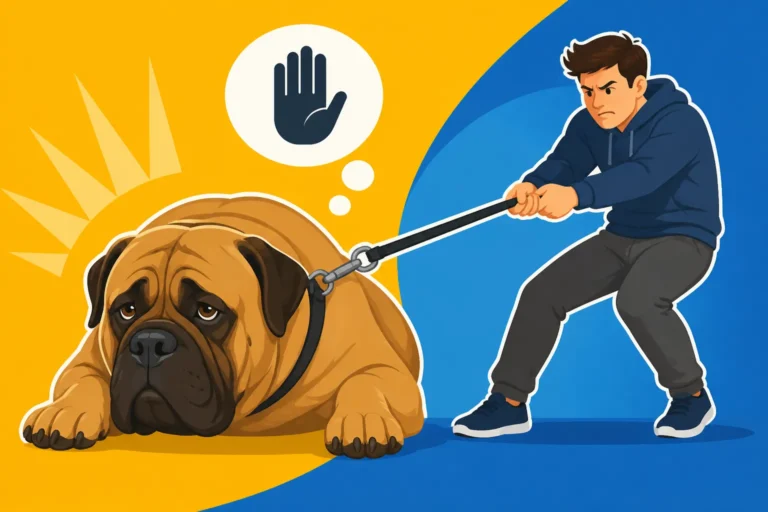
This anxiety can stem from various sources. Perhaps they had a negative experience early on, or maybe they just weren't adequately introduced to car travel as puppies. Their inherent stubbornness can also make it challenging to coax an anxious Bullmastiff into a vehicle. Imagine trying to lift or push a 120-pound dog who has decided, with all the conviction only a Bullmastiff can muster, that they are not getting in the car. It's a battle of wills that often leaves the human feeling defeated and behind schedule. Owners often wonder if their dog is just being difficult, but it's important to remember that fear and discomfort are often at the root of such reluctance. Addressing these emotional and physical challenges is key to making car rides a more pleasant and safe experience for everyone involved.
Essential Safety Gear for Bullmastiff Car Travel
Once you've acknowledged the unique challenges that come with transporting a Bullmastiff, the next step is to invest in the right safety gear. This isn't just about preventing your dog from becoming a distraction; it's about protecting them and everyone else in the event of an accident. When you're dealing with a dog of this weight, standard pet accessories simply won't cut it.
Crash-Tested Crates and Carriers
For ultimate safety, especially for long journeys or for Bullmastiffs prone to anxiety, a high-quality, crash-tested crate is undeniably the gold standard. Forget those flimsy wire or plastic carriers; they offer minimal protection for a dog the size of a Bullmastiff. What you need is a robust, heavy-duty crate, often made from aluminum or thick steel, specifically designed to withstand impacts. These aren't cheap, but when you consider the alternative – your beloved companion being seriously injured – the investment is invaluable. You might be surprised at What a Crate for a Bullmastiff Costs, but it's worth every penny for peace of mind.
A properly sized crate allows your Bullmastiff to stand up, turn around, and lie down comfortably. It should then be securely anchored in your vehicle, ideally in the cargo area of an SUV, minivan, or even a pickup truck with a secured bed, using strong tie-downs or specialized anchoring systems. The crate's design minimizes movement during braking and prevents the dog from being thrown forward in a collision. Not only does it offer superior protection, but for many anxious dogs, a familiar crate can also provide a sense of security and a "den-like" space, transforming a stressful car ride into a calm retreat. It gives them a safe zone, away from the changing scenery and the motion that might otherwise upset them.
Seatbelt Harnesses and Other Restraints
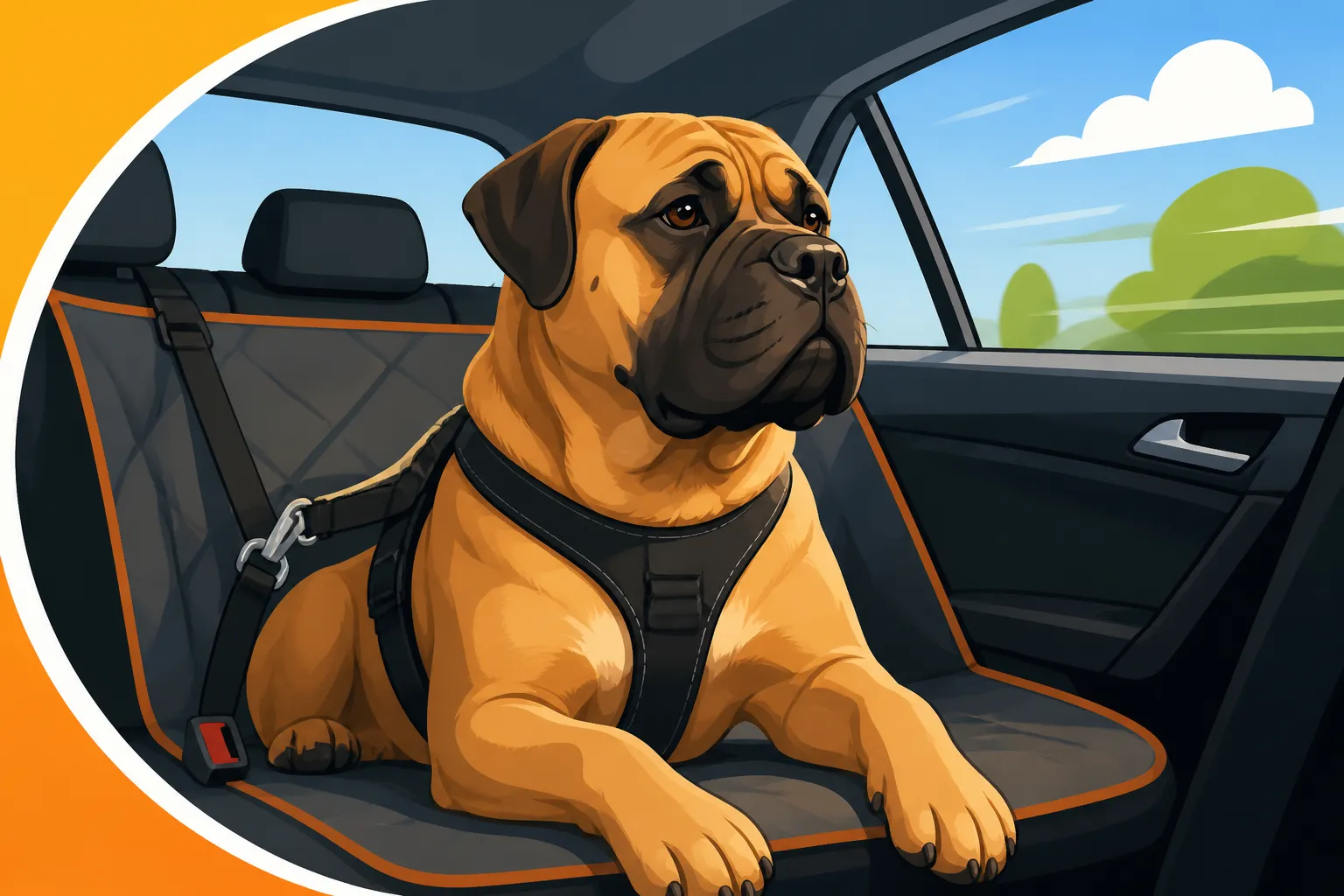
If a crate isn't feasible for your situation, a crash-tested seatbelt harness is the next best option. It's crucial to understand that not all harnesses are created equal; many are designed only to prevent distraction, not to offer significant crash protection. Look for harnesses explicitly advertised as "crash-tested" by reputable organizations. These harnesses are typically robust, with wide straps and strong buckles, and are designed to distribute force across your dog's chest, rather than concentrating it on their neck or spine, in the event of an impact.
The harness attaches to your car's seatbelt system, either directly through a loop or via a tether that clips into the seatbelt buckle. While they don't offer the same level of protection as a secure crate, they significantly reduce the risk of injury by preventing your Bullmastiff from becoming a projectile. They also keep your dog safely contained to one area, preventing them from roaming around the car and distracting the driver. For dogs who prefer to be closer to their human companions, a crash-tested harness in the backseat can be a good compromise.
Another option for larger vehicles like SUVs or vans is a cargo barrier. These heavy-duty grates or nets are installed between the cargo area and the passenger compartment, physically separating your Bullmastiff from the occupants. While they prevent your dog from reaching the front seats, they don't restrain the dog within the cargo area itself. This means your Bullmastiff could still be tossed around within the cargo space during an accident, which is why a properly secured crate in conjunction with a barrier is the safest approach for cargo-area travel. When searching for these items, remember that platforms like Amazon offer a wide variety of options, but always prioritize crash-test certifications, especially for a large breed like a Bullmastiff.
Making Car Rides a Positive Experience
Even with the right safety gear, a Bullmastiff that dreads car rides can make every trip miserable. The key is to create positive associations and ensure their comfort throughout the journey. It takes patience and consistency, but turning car travel into a routine they don't fear is incredibly rewarding.
Gradual Introduction and Positive Reinforcement
Starting early is always best. For a Bullmastiff puppy, begin the desensitization process as soon as they're home. Even if you've got an older dog who's developed an aversion, the same principles apply, just with potentially more patience required. You can start this process when you're thinking about When to Start Training a Bullmastiff Puppy. The goal is to make the car a neutral or even exciting place, not a scary one.
Here’s a step-by-step approach:
- Step 1: Car as a Safe Space (Engine Off): Begin by simply leading your Bullmastiff to the car, on leash. Let them sniff around the exterior. Praise and reward them with high-value treats (think cheese, cooked chicken, or a favorite toy) for calm investigation. Don't force anything.
- Step 2: Entering the Car (Engine Off): Open the door or cargo hatch. Encourage your Bullmastiff to jump in or help them if needed. Again, lavish praise and treats the moment they are inside, even if it's just for a second. Let them explore the interior, then calmly guide them out. Repeat this several times over days or weeks, gradually increasing the time they spend inside.
- Step 3: Short Stays and Engine On: Once they're comfortable getting in and out, have them stay in their crate or on their harnessed seat for a few minutes with the engine off. Then, turn the engine on for short periods, still without moving, rewarding calm behavior.
- Step 4: Very Short Trips: Start with extremely short trips around the block. Keep them positive! End the trip somewhere fun, like a park or a friend's house they enjoy. Avoid making the car ride always lead to the vet (though those trips are unavoidable, try to balance them with positive destinations).
- Step 5: Increase Duration: Gradually increase the length and complexity of the car rides as your Bullmastiff becomes more comfortable. Always maintain a calm demeanor yourself, as dogs pick up on our stress. Companies like BAXTER & Bella offer excellent online resources and training programs that can guide you through desensitization and positive reinforcement techniques for specific behavioral challenges like car anxiety. Their focus on positive methods aligns perfectly with a Bullmastiff's sensitive yet stubborn nature.
Comfort and Practical Considerations
Beyond desensitization, practical comforts can make a huge difference in your Bullmastiff's car experience.
- Temperature Control and Ventilation: Bullmastiffs are highly susceptible to overheating, largely because Why a Bullmastiff's Short Muzzle Cannot Cool It. This is exacerbated in a confined space like a car. Always ensure ample air conditioning or open windows (safely, with restraints or window guards) to provide good ventilation. Never leave your Bullmastiff alone in a car, even for a few minutes, as How Fast a Bullmastiff Overheats in a Car is shockingly quick, leading to Signs a Bullmastiff Has Heatstroke. You'll want to know What to Do When a Bullmastiff Overheats and How to Cool a Bullmastiff Down in an emergency.
- Drool Management: Let's face it, Bullmastiffs drool. A lot. How Much a Bullmastiff Drools can be surprising to new owners. Car rides, especially if they're a bit anxious or excited, can increase this. Keep plenty of old towels or absorbent blankets on hand to protect your car's upholstery. You might even consider specialized car seat covers made for large breeds, which you can easily find on platforms like Amazon. These are washable and save your car's interior from slobber and shedding. Knowing What to Keep on Hand for a Bullmastiff's Drool is essential for any Bullmastiff owner.
- Motion Sickness: Some dogs, just like people, get car sick. If your Bullmastiff consistently vomits, drools excessively, or becomes extremely lethargic during rides, motion sickness could be the culprit. Talk to your veterinarian. They might suggest anti-nausea medications or natural remedies like ginger. Keeping windows slightly open can sometimes help, as can ensuring your dog travels on an empty stomach (or only a very light meal a few hours before). Breaking up long journeys with frequent stops can also alleviate symptoms.
Vehicle Choice and Long-Distance Travel
Choosing the right vehicle and planning for longer trips are crucial components of making car travel manageable and enjoyable for you and your Bullmastiff. Their size dictates many of these decisions, transforming what might be a simple outing with a smaller dog into a logistical consideration for a Bullmastiff owner.
Ideal Vehicle Types for Bullmastiffs
When it comes to vehicle choice, practicality for a Bullmastiff means prioritizing space, ease of access, and safety. Small sedans are generally not ideal, as even a well-behaved Bullmastiff can feel cramped and unsafe in the back seat. Trying to squeeze a dog of this magnitude into a compact car is often an exercise in futility and discomfort for everyone.
- SUVs and Crossovers: These are often the go-to for Bullmastiff owners. Look for models with ample cargo space behind the second row, especially if you plan to use a crash-tested crate. Flat-folding seats that create a large, unobstructed area are a huge bonus. Consider the height of the cargo entry – some Bullmastiffs might struggle to jump into higher vehicles as they age, making a ramp a necessary accessory.
- Minivans: Don't knock the minivan! They often offer unmatched interior space and versatility. The sliding doors provide wide entry points, making it easier for a large dog to get in and out, and the cargo area is typically vast, perfect for a sizable crate or a comfortable, sprawling bed.
- Pickup Trucks (with caution): For some, a pickup truck might seem like a natural fit. If you opt for a truck, your Bullmastiff should never ride unsecured in the open bed. This is incredibly dangerous due to wind, flying debris, and the risk of being thrown out. A secure, well-ventilated, crash-tested crate bolted to the truck bed is the only safe option, and even then, consider weather conditions carefully. A cap or shell over the bed is almost a necessity for protection from the elements.
Ultimately, the best vehicle is one that allows your Bullmastiff to travel safely and comfortably, whether in a crate or secured with a harness, with enough room to move slightly and without compromising air circulation.
Planning for Longer Journeys
Longer road trips require extra preparation when you have a Bullmastiff in tow. Their needs for comfort, hydration, and breaks are amplified compared to smaller, more adaptable breeds.
- Frequent Stops: Bullmastiffs need regular breaks for pottying, stretching their legs, and sniffing around. Plan to stop every 2-3 hours, more often if they are anxious or prone to motion sickness. Always keep them on a leash during stops.
- Hydration: Always have fresh water readily available. A collapsible bowl is a road trip essential. Keep a gallon jug of water in the car, or a dedicated dog-friendly water bottle. Hydration is key, especially since Bullmastiffs are prone to overheating.
- Comfort Breaks: Just like us, dogs can get stiff and uncomfortable on long rides. A good stretch and a short walk during stops can prevent muscle soreness and help them relax.
- Packing a "Doggy Travel Bag": This should include:
- Their regular food and treats.
- Medications, if any.
- Favorite comfort toys or blankets.
- Extra leash and collar.
- Plenty of waste bags.
- A first-aid kit specifically for dogs.
- Chew toys to keep them occupied during stops or in the car if appropriate.
- Never Leave Them Unattended: This cannot be stressed enough. Bullmastiffs can overheat rapidly in a parked car, even on what seems like a mild day. How Fast a Bullmastiff Overheats in a Car is incredibly quick. Cracking windows isn't enough. If you need to stop for food or amenities, one person should stay with the dog, or you should choose pet-friendly establishments.
By thoughtfully planning your vehicle choice and your journeys, you can turn car travel into an enjoyable bonding experience rather than a source of stress for both you and your magnificent Bullmastiff.
Here's a quick comparison of car restraint options for your Bullmastiff:
| Restraint Type | Pros | Cons | Ideal Use Case |
|---|---|---|---|
| Crash-Tested Crate | Highest safety level; provides a secure den; prevents mess. | Can be bulky and heavy; requires significant cargo space; higher initial cost. | All travel, especially long trips; anxious dogs; maximum safety priority. |
| Crash-Tested Harness | Keeps dog restrained in seat; allows dog to sit up; more compact than a crate. | Less protection than a crate in severe impact; dog still visible/can distract. | Shorter trips; dogs who prefer to see out; vehicles without large cargo space. |
| Cargo Barrier | Prevents dog from entering passenger area; allows dog to move freely in cargo space. | No restraint for the dog itself; dog can still be injured within cargo area. | Combined with a crate for extra security; very large cargo areas for calm dogs. |
Disclaimer
This article is for general informational purposes only and does not constitute professional advice. Laws, prices and regulations vary by location and change over time. Consult a qualified professional for guidance on your specific situation.