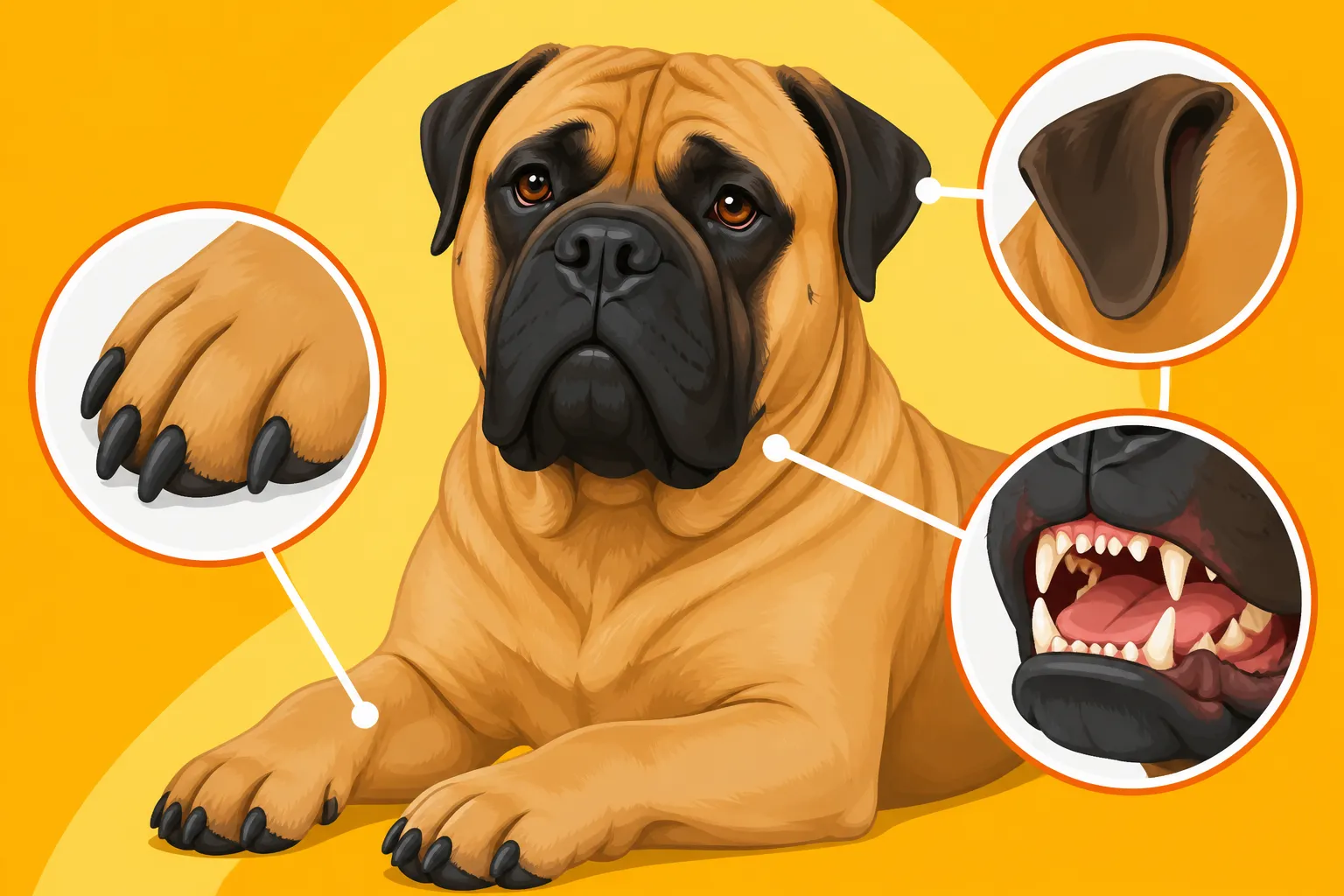
Nails, Ears and Teeth on a Bullmastiff
One of the biggest eye-openers for new Bullmastiff owners, or even seasoned dog people new to giant breeds, is just how much the "little" things matter – and how quickly they become big problems if ignored. You might be prepared for the drool or the sheer size, but perhaps you haven't fully considered the unique challenges of keeping a Bullmastiff's nails, ears, and teeth in tip-top shape. This comprehensive guide will walk you through everything you need to know to maintain these crucial areas, helping you ensure your gentle giant stays comfortable and healthy.
Understanding Your Bullmastiff's Paws and Nails
Those impressive, sturdy paws are what carry your Bullmastiff's considerable weight, allowing them to patrol your home and yard with purpose, or simply lumber over for a cuddle. Keeping their nails in good condition isn't just about aesthetics; it's fundamental to their comfort, mobility, and overall health. Neglecting nail care can lead to serious issues, impacting everything from their gait to their joint health.
The Importance of Short Nails
When a Bullmastiff's nails get too long, they hit the ground before the paw pads do. This seemingly minor detail forces the toes to splay and pushes the weight distribution back onto the heel, unnaturally altering the dog's stance and gait. Imagine trying to walk around all day in shoes that are too small, constantly stubbing your toes – that's essentially what a Bullmastiff with overgrown nails experiences. Over time, this constant pressure and misalignment can lead to significant discomfort, pain in the paw, and even contribute to more severe joint problems in their ankles, knees, and hips, areas already prone to issues in a large breed. Hips and Elbows Under a Hundred and Thirty Pound Bullmastiff is a common concern, and proper nail care plays a small but vital role in mitigating strain.
Beyond the structural impact, long nails are also more prone to snagging, breaking, or tearing. A torn nail can be incredibly painful, often bleeding profusely and sometimes requiring a trip to the vet for sedation and removal if the tear is severe or the quick is exposed. These injuries can become infected, leading to further complications and discomfort for your dog. A Bullmastiff can hide pain surprisingly well, so you might not even realize the extent of their discomfort until it's a major issue.
Anatomy of a Bullmastiff's Paw and Quick
A Bullmastiff's paw is a robust structure, designed for power and stability. Each toe has a nail, and within that nail is something called the "quick." The quick is a living part of the nail, containing blood vessels and nerves. If you cut into the quick, it will bleed and be painful for your dog – a experience that can quickly turn nail trimming into a battle. The challenge with Bullmastiffs, especially those with dark nails, is that the quick can be hard to see. It tends to grow longer as the nail grows longer, almost like a nerve extending further into the tip.
The goal of consistent nail trimming is to gradually encourage the quick to recede further back into the nail bed. With regular, short trims, the quick will naturally shrink, allowing you to trim the nail shorter and shorter without causing pain. This is a marathon, not a sprint, especially if you're starting with overgrown nails. Understanding this anatomy is key to approaching nail care with confidence and minimizing stress for both you and your Bullmastiff.
Potential Problems with Neglected Nails
Ignoring your Bullmastiff's nail care can snowball into a host of problems. Beyond the discomfort and altered gait, severely overgrown nails can curl under and grow into the paw pads, causing painful punctures and infections. This is particularly common with dewclaws, which don't naturally wear down as much as the other nails. Imagine a thick, sharp nail pressing into the tender pad of your hand with every step. It’s agony.
Furthermore, neglected nails can make your Bullmastiff less stable on slippery surfaces, increasing their risk of slips and falls, which can be devastating for their large, heavy joints. It can also lead to more frequent visits to the vet, not just for painful injuries, but potentially for addressing the secondary joint issues that arise from years of improper paw mechanics. Taking the time for consistent, proactive nail care is an investment in your Bullmastiff's long-term health and happiness.
The Art of Bullmastiff Nail Trimming
Trimming a Bullmastiff's nails can feel like a wrestling match with a very large, uncooperative toddler, especially if they haven't been desensitized to it from a young age. But with the right tools, technique, and a lot of patience, it becomes a routine you can both manage. Remember, consistency is more important than perfection in any single session.
Choosing the Right Tools
For a Bullmastiff, you're going to need heavy-duty tools. Those little clippers for smaller dogs simply won't cut it – literally. There are generally two types of clippers suitable for large breeds: scissor-style (also known as guillotine-style, though these are less common for giant breeds) and plier-style. Plier-style clippers, often with a spring-loaded mechanism, tend to be more robust and offer better leverage for thick Bullmastiff nails. Brands like Safari or Millers Forge make excellent, sturdy plier-style clippers that can handle the job. You can find these readily available on platforms like Chewy or Amazon.
Beyond clippers, a Dremel or other rotary tool designed for pet nails can be a fantastic alternative, or a complement, to clippers. Many dogs tolerate the grinding sensation better than the clipping pressure and sound, and it allows for much finer control, making it easier to avoid the quick. If you choose a Dremel, invest in one with multiple speeds and a good battery life. Lastly, always have styptic powder or a styptic pencil on hand. This is your emergency kit for if you accidentally cut too close to the quick. Don't skip this step; it's a lifesaver for quickly stopping bleeding and preventing panic.
Step-by-Step Nail Trimming
Before you even touch a nail, ensure your Bullmastiff is relaxed. This might mean a good walk first, or a session of cuddles. Start by Teaching a Bullmastiff to Have Its Feet Handled early in their life. Choose a quiet, well-lit area where you can comfortably position your dog. For a large Bullmastiff, this might mean having them lie down, or if they're comfortable, sitting between your legs.
Hold the paw firmly but gently, isolating the nail you want to trim. If using clippers, aim to cut only the very tip, just before the quick. For dark nails, look for the triangular shape at the end of the nail – the quick usually starts where this triangle begins to narrow. You're aiming for a straight cut across the tip, or a slight angle if it helps you avoid the quick. If using a Dremel, touch the tip of the nail to the grinding stone for just a few seconds, then move to the next nail. You're essentially sanding down the nail, rather than cutting it. Go slowly, and check your work frequently. The goal is small, frequent trims rather than one big hack. How Often a Bullmastiff's Nails Need Trimming is key to success, often weekly or bi-weekly depending on their growth rate and activity level.
Dealing with the Quick and Bleeding
It happens to the best of us: you're trimming, and suddenly, a yelp and a tiny dot of blood. You've hit the quick. Don't panic. Remain calm, as your Bullmastiff will pick up on your anxiety. Immediately apply styptic powder to the bleeding nail. Press it firmly against the tip of the nail for a few seconds. The bleeding should stop fairly quickly. If you don't have styptic powder, cornstarch or flour can work in a pinch, but styptic powder is truly superior for this purpose.
After a quicking incident, don't try to continue trimming that paw, or even other paws, if your dog is showing significant distress. End the session on a positive note, with praise and a high-value treat. The last thing you want is for your Bullmastiff to associate nail trims with pain and fear. Rebuild trust by making the next few sessions incredibly short, focusing only on one or two nails, and showering them with rewards. It takes patience to overcome a negative experience, but it's crucial for future cooperation.
Keeping Those Floppy Ears Healthy: Bullmastiff Ear Care
Those beautiful, soft, V-shaped ears that frame your Bullmastiff's noble head are a hallmark of the breed, but they also require diligent care. Their floppy nature means they trap moisture and reduce air circulation, creating a perfect breeding ground for bacteria and yeast. Ignoring ear hygiene can lead to chronic infections, discomfort, and expensive vet bills.
Why Bullmastiff Ears Need Special Attention
Unlike dogs with erect ears, a Bullmastiff's ears hang down, covering the ear canal. This design is fantastic for keeping debris out, but terrible for letting moisture and heat escape. After a bath, a swim, or even just a particularly humid day, moisture can linger deep within the ear canal. This warm, moist environment is a haven for opportunistic bacteria and yeasts that naturally live on your dog's skin, allowing them to multiply rapidly and cause an infection.
Additionally, Bullmastiffs can be prone to allergies, which can manifest as itchy, irritated ears, further exacerbating the likelihood of infection. Dirt, wax, and dead skin cells can also accumulate more easily in the deep folds of their ear leathers, creating blockages and contributing to an unhealthy ear environment. This unique anatomy makes routine ear cleaning not just a suggestion, but a necessity for Bullmastiffs.
Routine Ear Cleaning
Regular cleaning is your best defense against ear infections. Aim to clean your Bullmastiff's ears weekly, or more often if they are prone to issues or spend time swimming. You'll need a veterinarian-approved ear cleaning solution – avoid plain water or alcohol, as these can be irritating or ineffective. Many excellent ear cleaners are available on Chewy or Amazon. You'll also need soft cotton balls or gauze pads; resist using cotton swabs, as these can push debris deeper into the ear canal or damage delicate structures.
To clean, gently lift your Bullmastiff's ear flap. Apply a generous amount of the cleaning solution into the ear canal until it's full. Gently massage the base of the ear for about 30 seconds. You'll hear a squishing sound as the solution breaks up wax and debris. Allow your Bullmastiff to shake their head – this is crucial as it helps dislodge the loosened gunk. Finally, use a cotton ball or gauze wrapped around your finger to wipe away any visible debris and excess solution from the outer ear and the folds of the ear flap. Never go deeper than you can see. The best advice for What to Clean a Bullmastiff's Ears With is always a gentle, drying solution recommended by your vet.
Common Ear Problems and Their Symptoms
Even with diligent cleaning, ear problems can sometimes sneak up on you. Knowing the signs of an ear infection is crucial for early intervention. Look out for:
- Excessive scratching or rubbing: Your Bullmastiff might be constantly pawing at their ears or rubbing their head along furniture or the ground.
- Head shaking: Frequent or violent head shaking is a strong indicator of discomfort.
- Redness or swelling: The inside of the ear flap or the opening of the ear canal may appear inflamed.
- Unpleasant odor: A yeasty or foul smell emanating from the ear is a classic sign of infection.
- Discharge: This can range from dark, waxy buildup to yellow, green, or black pus.
- Pain: Your Bullmastiff might yelp or pull away when you touch their ear.
- Changes in behavior: They might become lethargic, irritable, or less interested in play due to chronic discomfort.
If you notice any of these symptoms, don't try to self-treat beyond a gentle cleaning. It's time to call your veterinarian. Ear infections can be painful and, if left untreated, can lead to chronic issues, hearing loss, or even spread to the inner ear. Why a Bullmastiff's Ears Trap Moisture makes them particularly susceptible, so prompt veterinary attention is vital.
A Bullmastiff's Oral Health: More Than Just Bad Breath
When your Bullmastiff leans in for a slobbery kiss, the last thing you want is to be greeted by a blast of foul breath. While some doggy breath is normal, truly offensive odors often signal underlying dental issues. Oral health is frequently overlooked, yet it's intimately linked to your Bullmastiff's overall well-being, impacting everything from their appetite to their heart health.
The Impact of Poor Dental Hygiene
Just like in humans, bacteria constantly accumulate in a Bullmastiff's mouth, forming plaque. If not removed, plaque hardens into tartar, a rough, yellowish-brown deposit that adheres firmly to the teeth. This tartar irritates the gums, leading to gingivitis – inflamed, red, and often bleeding gums. Over time, gingivitis progresses to periodontal disease, where the inflammation spreads beneath the gum line, damaging the tissues and bone supporting the teeth.
Poor dental hygiene isn't just about bad breath and sore gums; it has systemic implications. The bacteria from infected gums can enter the bloodstream, traveling to distant organs like the heart, kidneys, and liver, potentially contributing to serious health problems. For a breed like the Bullmastiff, which already has a shorter lifespan, mitigating these risks is crucial. Investing in their dental health is investing in their longevity and quality of life.
Common Dental Issues in Bullmastiffs
Bullmastiffs, like many large breeds, can face several dental challenges. The most common is periodontal disease, as described above, which can range from mild gingivitis to severe gum recession, bone loss, and tooth loss. While their large, strong jaws might seem impervious, they are just as susceptible to plaque and tartar buildup as any other dog.
Another consideration for Bullmastiffs specifically relates to their bite. While not severely brachycephalic, some Bullmastiffs can have a slightly undershot jaw, which might create unusual wear patterns or trap food in certain areas. Whether a Bullmastiff's Bite Traps Food is a valid concern, as these areas become hotspots for bacterial growth. Fractured teeth can also occur from chewing on hard objects like bones or antlers, especially for a dog with a powerful bite. Regular inspections of your Bullmastiff's mouth can help you spot these issues early before they become agonizingly painful.
Long-term Consequences of Untreated Dental Disease
The long-term consequences of ignoring your Bullmastiff's dental health can be severe and far-reaching. Beyond the pain of decaying teeth and inflamed gums, advanced periodontal disease can lead to abscesses, which are extremely painful pockets of infection at the tooth root. These abscesses can cause facial swelling, drain pus, and require costly extractions. In severe cases, particularly with upper canine teeth, the infection can even erode the bone separating the mouth from the nasal cavity, creating an oronasal fistula – a hole between the mouth and nose that allows food and water to pass into the nasal passages, leading to chronic infections.
Furthermore, the constant bacterial load from a diseased mouth puts a strain on your Bullmastiff's immune system and internal organs. While the link isn't always direct, studies suggest that chronic oral inflammation can exacerbate existing heart conditions or contribute to kidney and liver disease. Considering the breed's predisposition to certain health issues, avoiding unnecessary systemic stress from poor dental health is a smart move.
Brushing and Beyond: Maintaining Your Bullmastiff's Teeth
Once you understand the importance of oral hygiene, the next step is implementing a routine. It might seem daunting to brush a Bullmastiff's teeth, but it's absolutely doable with patience and the right approach. Think of it as another vital component of their daily care, like feeding or walking.
Daily Brushing Techniques
The gold standard for preventing dental disease in dogs is daily tooth brushing. Yes, daily! This mechanical action is the most effective way to remove plaque before it hardens into tartar. You'll need a dog-specific toothbrush (human toothbrushes are too harsh) and enzymatic dog toothpaste (never human toothpaste, which contains xylitol and fluoride that are toxic to dogs). You can find these essentials on Chewy or Amazon.
Start slowly. Let your Bullmastiff lick the toothpaste off your finger, then introduce the brush for very brief sessions, focusing on the outside surfaces of their upper canine and molar teeth, which tend to accumulate the most plaque. Gradually increase the duration and coverage. Lift their jowls gently to expose the teeth. Use small, circular motions. Praise and reward heavily. If you can't manage daily, aim for at least three times a week. Even a few times a week is significantly better than never. The key is consistency and positive association. For more specific guidance, see Whether a Bullmastiff's Teeth Need Brushing.
Dental Chews and Supplements
While brushing is paramount, certain dental chews and supplements can play a supporting role. Look for dental chews that have been clinically proven to reduce plaque and tartar, often indicated by a Veterinary Oral Health Council (VOHC) seal. These chews work through a combination of mechanical abrasion and sometimes enzymatic action. However, be cautious: avoid chews that are too hard, as these can fracture teeth, especially in a dog with a powerful bite like a Bullmastiff. Always supervise your dog when they're enjoying a dental chew.
Dental supplements, often in the form of water additives or food additives, contain ingredients designed to break down plaque or inhibit bacterial growth. While these can be beneficial, they are generally considered supplementary to brushing, not a replacement. Think of them as an extra layer of defense, not the main line. Products like Greenies or VeggieDent chews are popular options that often carry the VOHC seal.
Professional Dental Cleanings
Even with diligent home care, most Bullmastiffs will eventually need a professional dental cleaning, which is performed under general anesthesia by your veterinarian. This is the only way to effectively remove tartar from below the gum line and address any underlying issues like painful pockets, fractured teeth, or abscesses. Your vet will perform a thorough oral examination, X-rays to assess the health of the tooth roots, and then scale (clean) and polish the teeth.
The idea of anesthesia can be worrying for any owner, especially with a large breed. However, modern veterinary anesthesia is much safer than it used to be, with pre-anesthetic bloodwork, IV fluids, and constant monitoring. Discuss any concerns you have with your vet. How a Bullmastiff Tolerates Anesthesia is an important conversation to have with your veterinarian. What a Bullmastiff's Dental Costs can be significant, but it's an investment in their long-term health and can prevent more costly interventions down the road. Regular professional cleanings, combined with good home care, are the best strategy for maintaining optimal oral health throughout your Bullmastiff's life.
Spotting Trouble: When to Call the Vet for Nails, Ears, or Teeth
Even the most attentive owner can miss subtle signs of trouble. Knowing what warrants a vet visit versus something you can manage at home is crucial. Don't hesitate to contact your vet if you're unsure; it's always better to be safe than sorry, especially with a breed that tends to stoically hide discomfort.
Recognizing Nail and Paw Issues
Beyond the obvious torn or bleeding nail, other signs indicate that your Bullmastiff's paws need professional attention. If you notice persistent limping, favoring a paw, or reluctance to walk or put weight on a limb, it could be a nail issue, but it could also signal something more serious like joint pain. Look for swelling, redness, or discharge around the nails or between the paw pads. This might indicate an infection from an ingrown nail, a foreign body (like a thorn), or a cyst between the toes.
Excessive licking or chewing of the paws can also be a red flag. While sometimes a habit, it often points to discomfort, allergies, or an underlying infection. If you've been consistent with nail trims and your Bullmastiff still struggles with lameness, or if you notice any unusual growths on or between their toes, it's time to consult your veterinarian. These issues can quickly escalate, causing significant pain for your large dog.
Identifying Ear Infections
We've covered the common symptoms of ear infections, but it's worth reiterating the urgency. Any persistent head shaking, scratching, foul odor, or discharge from the ear should prompt a call to your vet. Bullmastiff ears, with their low-set, floppy nature, are notorious for trapping moisture and creating environments where yeast and bacteria thrive. Why a Bullmastiff's Ears Trap Moisture is a constant battle.
Delaying treatment can turn a simple infection into a chronic problem that's much harder and more expensive to resolve. Sometimes, a severe infection can even lead to an aural hematoma – a blood blister that forms on the ear flap from vigorous head shaking, which often requires surgical correction. Your vet will be able to diagnose the specific type of infection (bacterial, yeast, or both) and prescribe the appropriate medication, which might include ear drops, oral antibiotics, or anti-inflammatories.
Signs of Dental Disease
While bad breath is a common initial sign, there are other, more serious indicators that your Bullmastiff needs a dental check-up. Look inside their mouth regularly (if they tolerate it). Do you see a heavy buildup of yellow or brown tartar on the teeth, especially the back molars and canines? Are their gums red, swollen, or bleeding easily when touched? Do you notice any missing or broken teeth, or teeth that appear loose?
Beyond visual cues, watch for changes in their eating habits. Are they reluctant to chew on hard food or toys? Are they dropping food, or only chewing on one side of their mouth? Are they pawing at their mouth? All of these can be signs of significant dental pain. If your Bullmastiff is showing any of these symptoms, don't wait. Schedule a veterinary dental examination. Early intervention can prevent painful extractions and more invasive procedures. How Often a Bullmastiff Needs a Wellness Exam should include a thorough dental check.
| Grooming Task | Recommended Frequency | Why It's Important | What You Need |
|---|---|---|---|
| Nail Trimming | Weekly to Bi-weekly | Prevents splayed paws, discomfort, joint strain, and painful tears. | Large dog clippers or Dremel, styptic powder |
| Ear Cleaning | Weekly | Prevents moisture buildup, bacterial/yeast infections, and foul odors. | Vet-approved ear cleaner, cotton balls/gauze |
| Teeth Brushing | Daily to 3x per week | Removes plaque, prevents tartar, gingivitis, and periodontal disease. | Dog toothbrush, enzymatic dog toothpaste |
| Paw Pad Check | Weekly | Detects cuts, cracks, foreign objects, or ingrown dewclaws. | N/A |
| Full Body Check | Weekly | Lumps, bumps, skin issues, overall health (includes basic grooming areas). | Good lighting, hands-on examination |
Making Grooming a Positive Experience
For a dog as large and powerful as a Bullmastiff, making grooming a positive, calm experience is paramount. You can't force a 130-pound dog to do something they truly don't want to do, at least not without risking injury to yourself or creating a highly negative association. Building trust and a positive routine is the key.
Starting Early and Positive Reinforcement
The best time to start grooming your Bullmastiff is when they are a puppy. Even if they don't need their nails trimmed or ears cleaned much yet, start handling their paws, gently touching their ears, and rubbing their gums with your finger. Make it a fun, short activity followed immediately by praise and high-value treats. The goal is to create positive associations, so they view being handled in these sensitive areas as a normal and rewarding part of their day.
As they grow, gradually introduce the tools – let them sniff the clippers, turn on the Dremel from a distance so they get used to the sound, let them lick the ear cleaner from the bottle. Pair each new step with lavish praise and treats. Never rush. If your Bullmastiff shows signs of stress, take a step back and try again later, or make the session even shorter. This early desensitization and consistent positive reinforcement will pay dividends when they are a massive adult dog.
Building a Grooming Routine
A consistent grooming routine helps your Bullmastiff understand what to expect and makes the process less stressful for both of you. Choose a specific time of day when your dog is relaxed – perhaps after a walk or a meal. Establish a calm environment, free from distractions. Use the same spot each time, if possible. Speak in soothing tones throughout the process.
Even if you only manage one nail or one ear per session initially, celebrate that success! Over time, you can gradually increase the duration. The routine itself becomes a comforting signal. If you find yourself consistently struggling with a particular aspect, like brushing teeth, consult with a professional trainer or your vet for tailored advice. Remember, you're building a lifetime of cooperation, not just getting through one grooming session. You may find that Caring for an Aging Bullmastiff becomes much easier if these positive grooming habits were established when they were young.
When to Seek Professional Grooming Help
There's no shame in admitting you need help, especially with a Bullmastiff. Their sheer size, strength, and potential stubbornness can make certain grooming tasks challenging. If you're consistently struggling to trim nails without stress, or if your Bullmastiff develops an intense aversion to ear cleaning, a professional groomer or your veterinary team can be invaluable.
Professional groomers have specialized equipment and experience with large, strong-willed dogs. They can often accomplish tasks that might overwhelm you at home. Many vet clinics also offer "technician appointments" for things like nail trims or ear cleanings, where a veterinary technician can perform the task in a safe, controlled environment, sometimes with mild sedation if needed. Consider this an investment in your dog's well-being and your own sanity. It's far better to pay a professional than to let vital grooming tasks fall by the wayside, leading to painful and more expensive health problems later.
Disclaimer
This article is for general informational purposes only and does not constitute professional advice. Laws, prices and regulations vary by location and change over time. Consult a qualified professional for guidance on your specific situation.