Caring for an Aging Bullmastiff
Aging Bullmastiffs enter their senior years around age six or seven, facing shorter lifespans and common joint mobility declines.
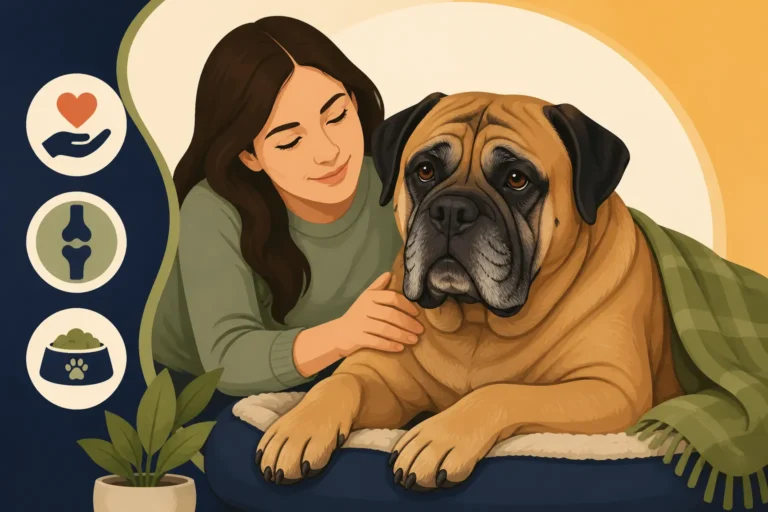
Aging Bullmastiffs enter their senior years around age six or seven, facing shorter lifespans and common joint mobility declines.
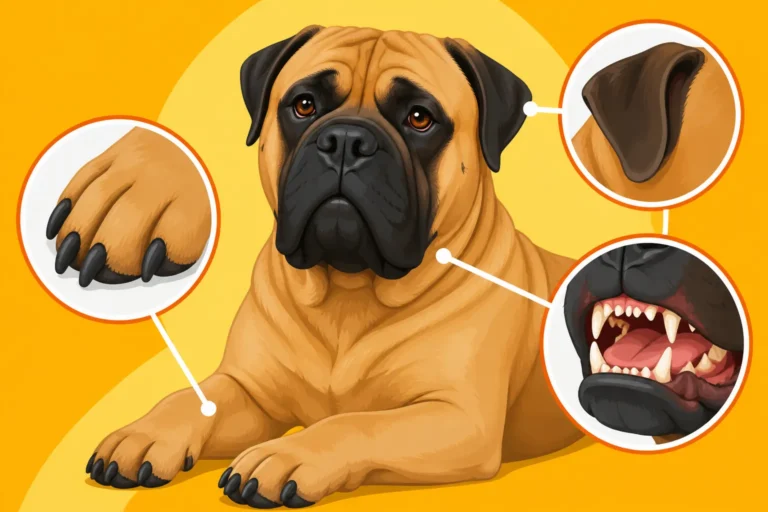
Bullmastiff nail care explains how proper trimming prevents overgrown nails, altered gaits, painful paw injuries, and joint strain.
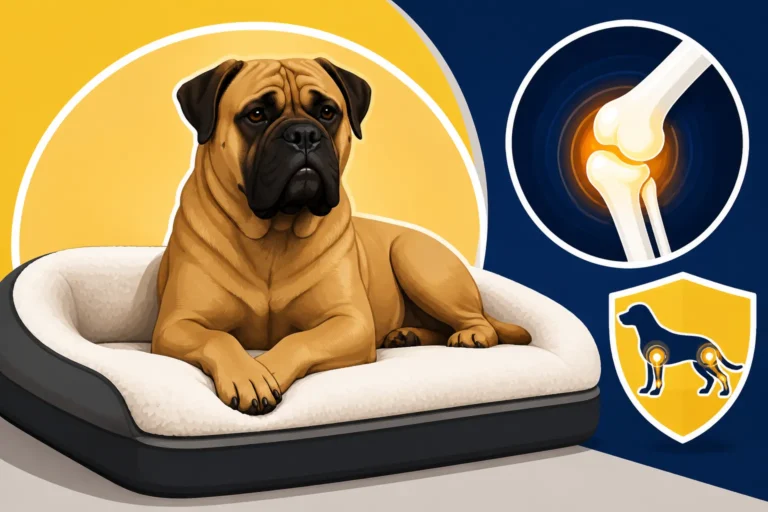
Proper orthopedic bedding and proactive joint care protect a hundred and thirty pound Bullmastiff from hip dysplasia and osteoarthritis.
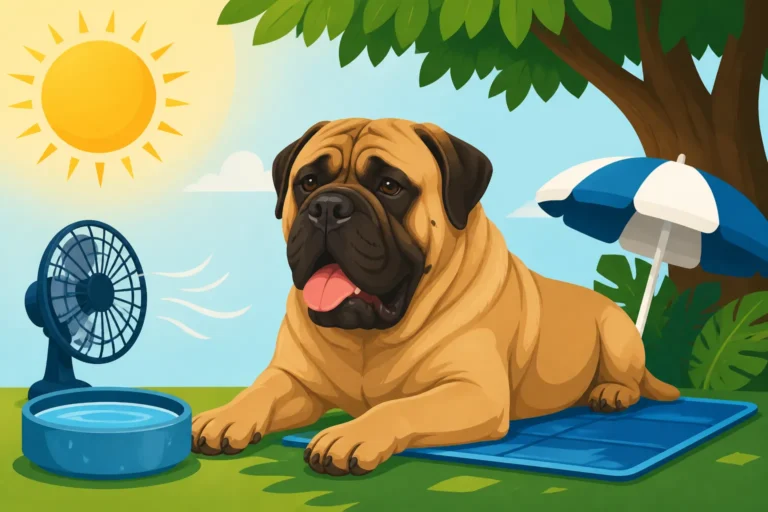
Bullmastiff heat vulnerability stems from brachycephalic structures and body mass, requiring specific cooling strategies during summer.
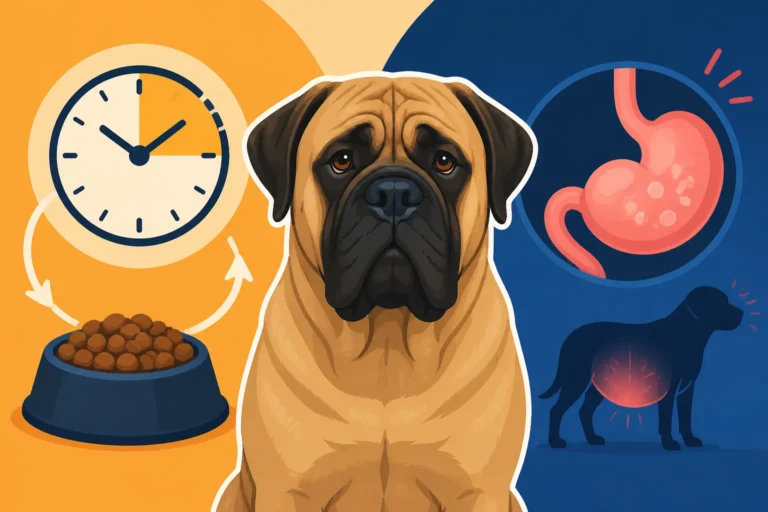
Meal timing and feeding practices mitigate the risk of gastric dilatation-volvulus in deep-chested Bullmastiffs prone to shock.
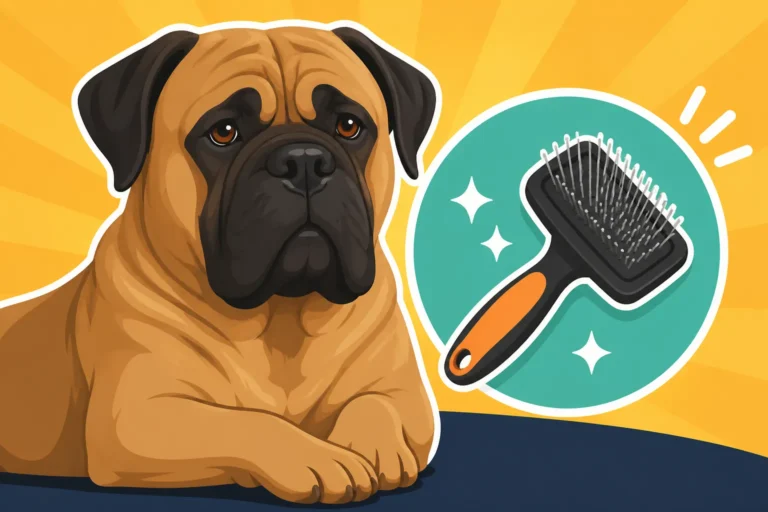
Bullmastiff coat maintenance takes ten minutes a week because this short dense double coat naturally repels water and dirt.
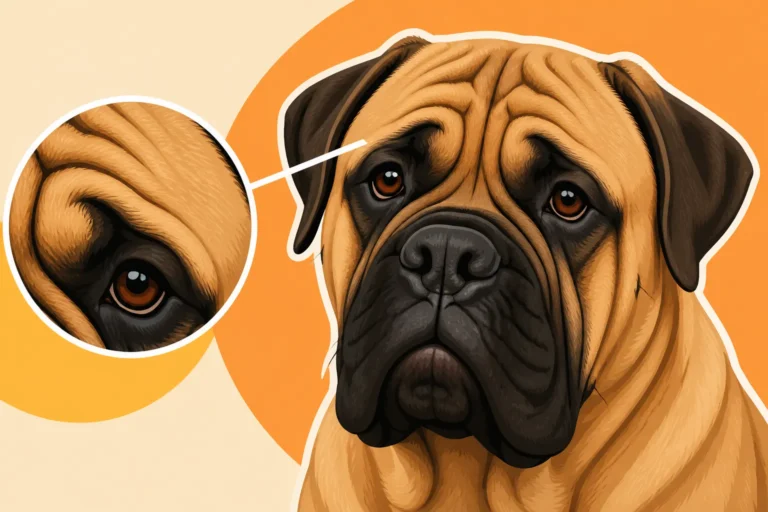
Bullmastiff facial folds trap moisture and food debris, requiring daily maintenance to prevent skin infections and unpleasant odors.
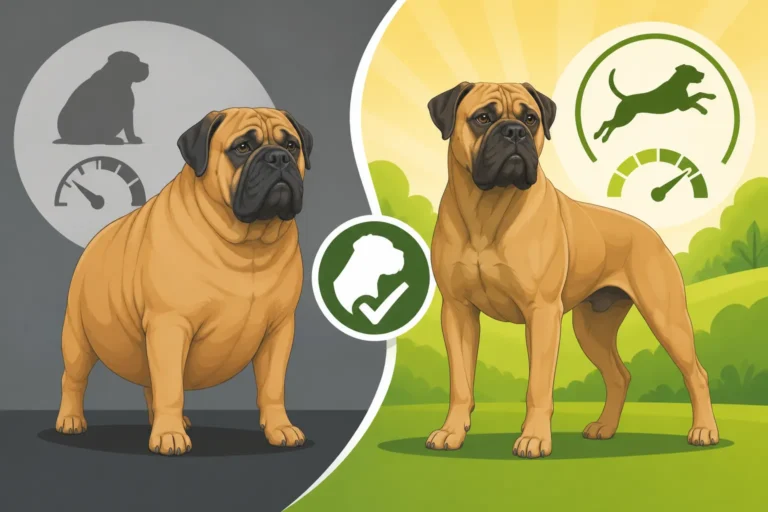
Maintaining a 130-pound Bullmastiff at a lean weight protects fragile joints and eases breathing to extend the lifespan of the dog.
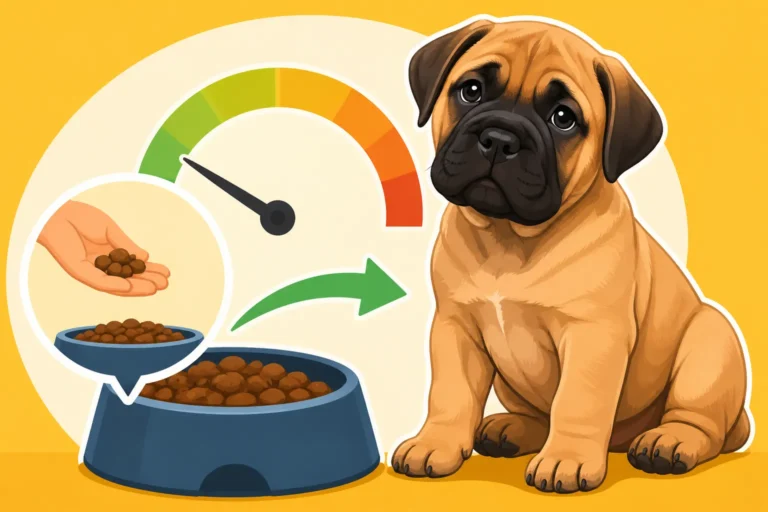
Proper feeding methods for Bullmastiff puppies support slow skeletal development to prevent joint problems and painful arthritis.
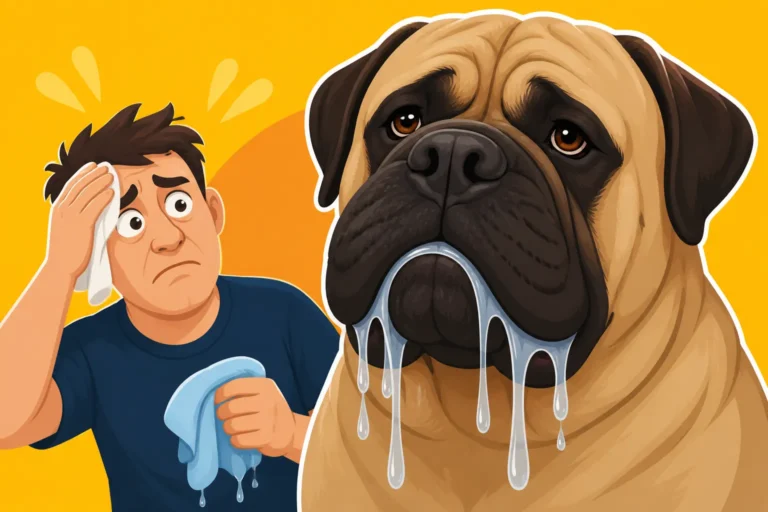
Bullmastiff jowls trap excess saliva, explaining why these dogs produce heavy drool after drinking water or eating meals.