Whether Kennels Take a Bullmastiff
It’s a scenario many Bullmastiff owners face with a knot in their stomach: the need to travel, leaving your beloved giant behind, and the nagging question of who will truly understand and care for them. Finding a reliable boarding facility for a Bullmastiff isn't always as simple as booking a spot for a smaller, less imposing breed. Their sheer size, specific care needs, and sometimes the unfair reputation of large "mastiff-type" dogs can make the search feel like an uphill battle. This guide is here to walk you through the realities, options, and crucial questions to ask so you can find the perfect home-away-from-home for your Bullmastiff.
The Realities of Boarding a Giant Breed
Let's be honest, not every boarding facility is equipped for a dog that can weigh well over a hundred pounds and possesses the strength of a small horse. Your Bullmastiff isn't just a big dog; they're a powerful dog, and their needs extend far beyond simply having a roof over their head. Understanding these unique challenges is the first step in finding a suitable and safe environment for them.
Space and Safety Requirements for Bullmastiffs
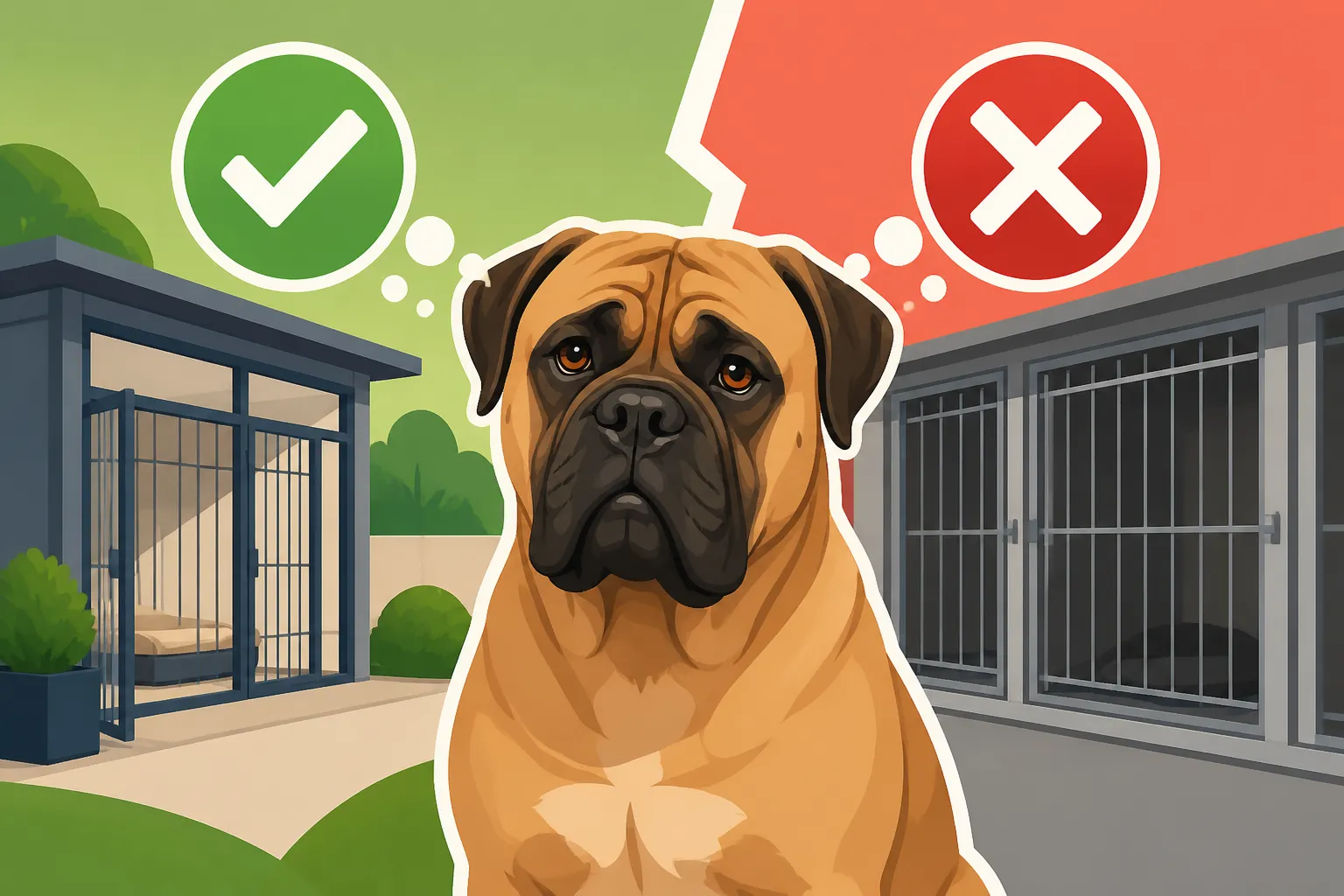
When you walk into a traditional kennel, you might notice that many of the runs or individual enclosures are designed for medium-sized dogs. For a Bullmastiff, who can stand nearly 27 inches at the shoulder and easily weigh 130 pounds or more, these spaces can feel incredibly cramped and uncomfortable. Imagine trying to relax in a space where you can barely turn around. This isn't just about comfort; it's about their physical well-being. Restricted movement can exacerbate joint issues, and a stressed dog in a small space can become destructive or anxious.
Beyond the actual square footage, consider the construction. A determined Bullmastiff can test fencing and gate latches. You need to look for facilities with robust, heavy-duty kennel runs, secure double-entry systems, and sturdy doors that are tall enough to prevent an escape attempt. Some older facilities, while perfectly adequate for smaller breeds, simply aren't built to withstand the physical presence of a Bullmastiff. It’s not about aggression; it’s about their sheer power and size. They can inadvertently push through weaker barriers or damage less durable equipment just by moving around. What a Bullmastiff Does to Furniture at home is one thing, but a kennel needs to be built to be Bullmastiff-proof.
Overcoming Misconceptions About the Bullmastiff Temperament
It's an unfortunate truth that large, powerful breeds often come with a stereotype attached. Despite being renowned for their loyal, calm, and devoted nature, a Bullmastiff's impressive physique can sometimes intimidate staff who aren't familiar with the breed. The very characteristic that makes them excellent guardians – their imposing presence and reserved demeanor with strangers – can work against them in a boarding environment. Many people, understandably, see a large, muscular dog and jump to conclusions about aggression.
It's your job to advocate for your dog and educate the kennel staff. Explain that while your Bullmastiff is protective, as per their original purpose A Bullmastiff Was Bred to Hold a Man, Not Bite Him, they are also generally stable and well-socialized. Describe How a Bullmastiff Greets a Stranger – often with a careful assessment rather than immediate effusiveness. Emphasize their gentle side, especially if they're good with children or other animals at home. You want a facility where the staff understand the difference between a naturally reserved "guardian" breed and a genuinely aggressive dog. They should be willing to take the time to build trust with your Bullmastiff rather than approaching them with fear or over-caution.
Health and Care Nuances: From Drool to Diet
Bullmastiffs have specific health and care needs that can't be overlooked, especially when they're away from home. Their wrinkled faces require regular cleaning to prevent skin fold infections. Their large paws and fast-growing nails need attention. Most importantly, their risk of bloat (gastric dilatation-volvulus) means careful feeding practices are paramount, including smaller, more frequent meals and strict rest periods after eating. A good kennel will ask about these details, not just assume. Bloat in a Bullmastiff is a serious concern.
Furthermore, these majestic dogs are prone to various health issues that can become critical quickly. Conditions like Lymphoma Kills More Bullmastiffs Than Anything Else or sudden onset Subaortic Stenosis Is There Before a Bullmastiff's First Birthday mean that any change in behavior or health needs immediate veterinary attention. You need to ensure the staff are observant and know what "normal" looks like for a Bullmastiff. If your dog is on a special diet, perhaps a fresh food regimen from a brand like Ollie, or requires specific supplements, the kennel must be prepared to handle it precisely. You might even consider ordering their usual food and any specific treats directly to the kennel a few days before their stay through a service like Chewy to ensure they have exactly what they need, minimizing any dietary upset.
Decoding Boarding Options for Your Bullmastiff
With the unique needs of your Bullmastiff in mind, let's explore the different types of boarding facilities available and how well they might suit your giant companion.
Traditional Kennels: What to Expect and What to Avoid
Traditional kennels often come to mind first when we think of boarding. These facilities typically have individual runs, sometimes indoor/outdoor, and may offer group play or individual walks. They are usually the most budget-friendly option, which is a major draw for many owners, especially given What a Bullmastiff Costs Over Its Lifetime. However, as discussed, their infrastructure might not always be ideal for a Bullmastiff.
What to look for: Seek out traditional kennels that specifically advertise experience with large or giant breeds. Ask about the size of their runs – ideally, you want something spacious enough for your Bullmastiff to stretch out, stand up fully, and move around comfortably. Inquire about their fencing and security measures. Do they have solid, tall partitions between runs to prevent fence-fighting or anxiety? Are the latches robust? Avoid any kennel that seems overly crowded, has rusty or flimsy caging, or where the staff appear overwhelmed or unwilling to spend extra time with shy or cautious dogs. A good sign is if they ask for a "temperament test" or trial stay, as this shows they are serious about safety and compatibility.
Specialty Pet Hotels and Daycares with Boarding
In recent years, a new breed of pet care has emerged: the specialty pet hotel or daycare with overnight boarding. These facilities often boast larger, more luxurious "suites" rather than basic runs, more personalized attention, and often a higher staff-to-dog ratio. They tend to be more expensive, but for a Bullmastiff, the extra investment can be truly worthwhile. The enhanced amenities often include climate control, comfortable bedding, and dedicated play areas.
These facilities are more likely to have staff specifically trained in handling a variety of breeds, including powerful ones. They might offer a structured play environment, where dogs are carefully matched for compatibility, or provide extensive individual attention for dogs that prefer solitude. This can be particularly beneficial for a Bullmastiff who, while social, often prefers calm interactions to boisterous play. How Much Exercise a Bullmastiff Needs is less than many people think, so quality, calm interaction and mental stimulation often trump endless running. Some even offer webcams so you can check in on your gentle giant, offering immense peace of mind.
In-Home Pet Sitters and Professional House Sitters
For many Bullmastiff owners, an in-home pet sitter or professional house sitter offers the best solution. This option allows your Bullmastiff to stay in their familiar environment, maintaining their routine, and receiving one-on-one attention. This can drastically reduce stress and anxiety, especially for sensitive dogs or those who might find a kennel environment overwhelming. It also means you don't have to worry about how well they'll be perceived or handled by kennel staff who aren't familiar with their breed.
When hiring an in-home sitter, it's absolutely crucial to choose someone experienced with large, strong breeds. They should be comfortable with your Bullmastiff's size and temperament, and capable of handling them on a leash for walks. Always ask for references, and ensure they have insurance and bonding. A professional sitter will usually come to your home for a meet-and-greet beforehand, allowing your Bullmastiff to get acquainted with them on their own turf. This also gives you a chance to go over all your dog's specific routines, dietary needs (like that special food from Ollie), and emergency contacts. This option often provides the most tailored care, making it an excellent choice for a Bullmastiff who thrives on routine and companionship.
| Boarding Option | Cost (Generally) | Supervision Level | Environment | Suitability for Bullmastiff | Pros | Cons |
|---|---|---|---|---|---|---|
| Traditional Kennel | Lower | Group/Scheduled | Individual runs, can be noisy | Variable | More widely available, often cheapest. | May lack appropriate space, staff experience with giants varies, can be stressful/noisy. |
| Specialty Pet Hotel | Higher | More personalized | Suites, structured play, quieter | Good | Spacious accommodations, experienced staff, more individualized attention, better enrichment. | More expensive, may still be a new environment, group play might not suit all Bullmastiffs. |
| In-Home Pet Sitter | Moderate/High | One-on-one | Your home, familiar routine | Excellent | Minimal stress, familiar surroundings, personalized care, ideal for sensitive dogs or those with special needs. | Requires trust in an individual, can be harder to find a qualified sitter, may cost more for extended periods. |
| Professional House Sitter | Higher | One-on-one (live-in) | Your home, familiar routine, house managed | Excellent | All benefits of in-home sitter plus house security/maintenance, ultimate personalized care. | Most expensive, requires highest level of trust and vetting. |
Essential Questions to Ask Any Potential Boarder
Choosing the right person or facility to care for your Bullmastiff requires thorough investigation. You need to be confident that they can meet your dog's unique physical and emotional needs. Don't be shy about asking detailed questions – a reputable provider will appreciate your diligence.
Staffing, Training, and Handling Expertise
This is perhaps the most critical area to probe. You need to know that the people interacting with your Bullmastiff are experienced, knowledgeable, and genuinely comfortable with a dog of their size and strength. Start by asking about the staff's general experience with large breeds, specifically mastiff types. Do they have dedicated staff for larger dogs? How do they introduce new dogs to group play or walks, especially if your Bullmastiff is usually a bit reserved? Whether a Bullmastiff is Safe With a Small Dog or other unfamiliar canines is something they should understand.
Inquire about their training protocols for staff. Are they certified in pet first aid? Do they understand dog body language, particularly the subtle cues a Bullmastiff might give when uncomfortable? Ask how they handle a dog that is exhibiting stress or anxiety, or if a dog refuses to cooperate (e.g., won't go into their run or come inside). A good answer will involve patience, positive reinforcement, and understanding, rather than force. Remember, Training a Bullmastiff That Weighs More Than You Do requires a nuanced approach, and physical force is rarely effective. They should also be aware of common Bullmastiff characteristics, such as their deliberate nature, or Why a Bullmastiff Pauses Before Obeying – it’s not defiance, it’s thinking time!
Emergency Preparedness and Veterinary Protocols
No one wants to think about an emergency, but it's vital to know a facility's plan. Ask specifically about their emergency veterinary protocols. Which vet do they use? Is it your regular vet, or do they have a designated emergency clinic? How quickly can they get an animal to veterinary care? What is their policy if your Bullmastiff becomes ill or injured during their stay? These questions are especially important for a breed prone to serious, fast-acting issues. Why a Bullmastiff's Bills Come Early for health problems means being prepared.
Ensure they have a clear process for administering medications, if your Bullmastiff requires any. Will they track doses? What happens if your dog refuses medication? You should also verify that your chosen pet insurance provider, like Healthy Paws, has all the necessary information and that the kennel knows you have coverage. This ensures that in the event of an unforeseen medical issue, your Bullmastiff can receive prompt and appropriate care without delay. Make sure they have a copy of your dog's vaccination records and any known allergies or sensitivities.
Daily Routines, Exercise, and Socialization Opportunities
Understanding what your Bullmastiff's day will look like is crucial. Ask for a detailed breakdown of their daily schedule. How often are dogs taken out for potty breaks? How long are exercise sessions, and what do they entail? Is it structured play, free time in a yard, or leashed walks? Remember, Bullmastiffs don't need endless hours of strenuous exercise, but they do need consistent, quality movement and mental stimulation.
If group play is offered, ask about their screening process for dogs. How do they ensure compatibility? How many dogs are in a group, and what is the staff-to-dog ratio during play? For Bullmastiffs, whose protective instincts can kick in, knowing the dynamics of group interactions is key. If your Bullmastiff isn't keen on group play, do they offer individual walks or one-on-one cuddle time instead? Finally, inquire about meal times and how food is handled. Given the risk of bloat, multiple small meals and a quiet resting period after eating are ideal.
Making the Transition Smooth for Your Bullmastiff (and You!)
Once you've chosen a boarding option, the next step is to prepare your Bullmastiff for their stay. A smooth transition can make all the difference in how quickly and comfortably they settle in.
Pre-Stay Preparations: Visits, Familiar Scents, and Clear Instructions
Before their actual stay, especially for a kennel or pet hotel, arrange for one or more "daycare" or short overnight visits. This allows your Bullmastiff to become familiar with the environment, the staff, and the routine while you're still nearby. It also gives the staff a chance to get to know your dog's personality and observe how they interact in their facility. For an in-home sitter, several meet-and-greets at your home are essential.
When the time for their actual stay approaches, bring something from home that smells familiar – a favorite blanket, a used t-shirt of yours, or their own bed. This comforting scent can provide a sense of security in a new place. Leave detailed, written instructions for everything: feeding schedules, medication dosages, exercise preferences, quirky habits, and even phrases you use to cue certain behaviors. The more information you provide, the better equipped the caregivers will be.
What to Pack and What to Communicate
Packing the right essentials is vital. Always send your Bullmastiff's regular food, pre-measured if possible, to avoid any upset stomachs. If they are on a special fresh diet, like those from Ollie, ensure the facility is prepared to handle it, or pre-portion it yourself. Pack any necessary medications with clear instructions. Don't forget their favorite toys, especially durable ones that can withstand their powerful jaws. A puzzle toy filled with a treat can provide excellent mental stimulation.
Crucially, communicate openly and honestly with the caregivers about your Bullmastiff's temperament. If they are shy at first, or take a while to warm up, let them know. If they have any anxieties, like fear of thunder, share that information. Inform them about any recent health concerns, even minor ones. You might also want to leave a favorite chew from Chewy to keep them occupied. Don't be afraid to share endearing quirks; it helps the staff connect with your dog on a deeper level. Your honesty will help ensure your Bullmastiff receives the most appropriate and comforting care, turning what could be a stressful separation into a worry-free break for both of you. How a Bullmastiff Hides Pain can make it hard to tell if something is amiss, so honest communication is key. Caring for a Bullmastiff Past Six also means specific considerations, like joint support, might need to be clearly communicated.
Disclaimer
This article is for general informational purposes only and does not constitute professional advice. Laws, prices and regulations vary by location and change over time. Consult a qualified professional for guidance on your specific situation.