How Often a Bullmastiff Needs Brushing
It's easy to assume that because your Bullmastiff has that sleek, short coat, their grooming needs are minimal. While they aren't quite as high-maintenance as some long-haired breeds, many owners are still caught off guard by the reality of Bullmastiff shedding and the persistent debris their large, drooly companions can accumulate. This guide will walk you through understanding your Bullmastiff's unique coat, establishing an effective brushing routine, and finding the right tools to keep them comfortable, healthy, and looking their best.
Understanding Your Bullmastiff's Coat: Less is Often More
The Bullmastiff's coat is one of its defining features: dense, short, and relatively harsh to the touch, designed to offer protection without impeding movement. This isn't a fluffy coat that tangles easily, but that doesn't mean it's entirely hands-off. Many people mistakenly think a short coat means no shedding, but oh, how wrong that can be!
The Bullmastiff's Low-Maintenance Coat Type
Your Bullmastiff's coat is wonderfully efficient. It's close-lying, which means it doesn't pick up burrs and twigs as easily as a longer coat, and it generally repels dirt pretty well. When you think "low maintenance," the Bullmastiff often comes to mind, and rightly so, compared to, say, a Newfoundland. This is a huge bonus for busy families or those who simply prefer less fuss with daily grooming. The texture is designed for practicality, much like the original gamekeepers who developed the breed needed a dog that could move silently and not get hung up on undergrowth during its vital nighttime patrols.
However, "low maintenance" doesn't mean "no maintenance." While you might not be battling mats and tangles, you'll still be dealing with shedding. Those short hairs can weave themselves into carpets, stick to upholstery, and cling to clothes with a tenacity that belies their length. Expecting zero hair around the house is setting yourself up for disappointment. It's all part of the Bullmastiff charm, and a little regular brushing goes a long way in managing this natural process. Remember, a healthy coat also feels good, and What a Bullmastiff's Coat Should Feel Like is a topic worth exploring to ensure your dog is in top condition.
Seasonal Shedding Versus Constant Hair
Like most double-coated breeds, Bullmastiffs do have periods of heavier shedding, typically in the spring and fall, as they blow their coat to adapt to changing temperatures. During these times, you might find yourself wondering if your vacuum cleaner is truly up to the task. The sheer volume of hair that can come off a dog this size can be astonishing, even with a short coat. You'll brush them, walk away, and come back to another handful of loose hair seemingly out of nowhere.
Outside of these peak shedding seasons, Bullmastiffs generally shed a moderate amount year-round. It's a continuous process of old hairs making way for new ones. So, while you might get a reprieve from the true "flurry" of hair, you'll always have some level of maintenance. This consistent shedding is why establishing a regular, even if not daily, brushing habit is so crucial. It helps remove those dead hairs before they become permanent fixtures on your sofa. If you're wondering How Much a Bullmastiff Sheds, you're certainly not alone in that observation!
The Core Benefits of a Consistent Brushing Routine
Brushing isn't just about controlling loose hair; it's a vital part of your Bullmastiff's overall health and well-being. It's a quiet moment between you and your dog that offers many layers of benefit, from physical health to emotional connection.
Promoting Skin Health and Detecting Issues Early
Regular brushing acts as a gentle massage, stimulating blood flow to the skin and distributing natural oils across the coat. This helps keep the skin hydrated and the coat shiny and healthy. It's also an incredible opportunity for you to conduct a quick, informal health check. As your hands move over your Bullmastiff's body, you're looking and feeling for anything out of the ordinary: new lumps, bumps, hot spots, dry patches, or signs of irritation. Given that Bullmastiffs can be prone to certain skin sensitivities, catching these issues early is key.
Imagine finding a small tick or a suspicious lump during a routine brush, rather than discovering it weeks later when it's become a bigger problem. This preventative aspect of brushing is invaluable. For breeds like the Bullmastiff, vigilance is particularly important given their propensity for certain health concerns. Conditions like Skin Fold Infections on a Bullmastiff can crop up quickly, and your regular inspections during brushing can make all the difference in catching them before they become severe.
Strengthening Your Bond and Building Trust
Grooming, when approached with patience and positivity, can be a wonderful bonding experience for you and your Bullmastiff. These are dogs that thrive on connection and companionship. A gentle brushing session, accompanied by calm praise and perhaps a few tasty treats, reinforces your role as a trusted caregiver. It teaches your Bullmastiff to be comfortable with being handled, which is incredibly beneficial for vet visits, nail trims, and other necessary care throughout their life.
For a powerful dog like a Bullmastiff, whose physical presence alone demands respect, establishing this foundation of trust and cooperation during routine tasks is paramount. It's not just about the hair coming off; it's about the connection building up. Many owners find these quiet moments of grooming to be a cherished part of their day, a chance to slow down and simply be present with their loyal companion. A Bullmastiff that trusts you during grooming will be a much easier patient when they need something more intrusive, like a deep ear cleaning or a wound check.
Essential Tools for Effective Bullmastiff Brushing
Having the right tools makes all the difference when grooming a Bullmastiff. You don't need an arsenal of expensive equipment, but a few key items will ensure you can tackle their coat effectively, whether it's a quick tidy-up or a serious deshedding session.
Daily Brushes and Rubber Mitts
For everyday brushing, particularly to smooth the coat and remove loose surface hairs, a soft bristle brush or a rubber curry comb is ideal. A rubber mitt, sometimes called a grooming glove, is fantastic for a quick run-over, especially if your Bullmastiff isn't keen on traditional brushes. These tools are gentle enough for regular use, help distribute natural skin oils, and lift away dead hairs without irritating the skin. They are also excellent for massaging the skin, which many Bullmastiffs thoroughly enjoy. You can often find a good selection of these on sites like Chewy or Amazon, making it easy to pick up what you need.
Many Bullmastiff owners swear by the rubber curry comb (think Kong ZoomGroom or similar). It's designed to grab loose hair and stimulate the skin without scratching. Plus, it's easy to clean, which is a huge bonus when you're dealing with a Bullmastiff's shedding. Don't underestimate the power of simply rubbing them down with a damp cloth after brushing to pick up any stray hairs and leave their coat gleaming. It's a simple, effective final touch that can make a big difference in how much hair ends up on your furniture. For more details on what works best, check out Whether a Rubber Mitt Works on a Bullmastiff.
Tackling Seasonal Shed with Deshedding Tools
When those seasonal shedding waves hit, you'll need something more robust than a bristle brush. A good quality deshedding tool, like a rake-style brush or even specific deshedding blades, can work wonders. These tools are designed to reach through the topcoat and pull out the loose undercoat hairs that are truly responsible for the bulk of the shedding. It's amazing how much hair can come off these dogs, even with their short coats, during these periods.
It's important to use deshedding tools carefully and sparingly, typically no more than once or twice a week during heavy shedding seasons, to avoid irritating the skin. Overuse can strip the coat too much or cause brush burn. Always follow the manufacturer's instructions and pay attention to your dog's comfort. You want to remove dead hair, not damage healthy hair or skin. Many owners find these tools transform the battle against shedding, making it a much more manageable chore, and you can easily find high-rated options on Amazon.
Establishing a Practical Brushing Schedule
So, how often should you actually brush your Bullmastiff? The answer isn't a strict daily command but rather a flexible approach based on their individual needs and the time of year. Consistency, even if infrequent, is more important than sporadic, intense sessions.
The Weekly Baseline for a Healthy Coat
For most Bullmastiffs, a thorough brushing session once a week is a fantastic baseline to maintain a healthy coat and manage shedding effectively. This weekly routine allows you to remove loose hairs, distribute natural oils, and check for any skin issues before they become problematic. It's a manageable commitment that yields significant benefits. Think of it as a weekly wellness check and a little spa time for your big pal.
During these weekly sessions, use your chosen brush (a rubber curry or bristle brush works well for general upkeep) and work over their entire body. Pay attention to areas where dirt might accumulate, like under their chin or around their ears. This regular handling also makes other necessary grooming tasks, like How Often a Bullmastiff's Ears Need Cleaning or nail trims, much easier because your dog is already accustomed to the routine. After a good brush, you might even find they're ready for a well-deserved treat from a brand like Ollie, rewarding their patience and making the experience even more positive.
Adjusting Frequency for Specific Needs and Seasons
While once a week is a great general guideline, there are times when you'll want to increase the frequency of brushing. During spring and fall, when your Bullmastiff is actively shedding their undercoat, stepping up to two or three times a week with a deshedding tool will make a noticeable difference in reducing the amount of hair floating around your home. You'll be amazed at how much you can collect in one session!
Beyond seasonal changes, individual factors come into play. If your Bullmastiff loves rolling in the dirt, has sensitive skin that needs more regular stimulation, or is dealing with allergies, you might find more frequent brushing beneficial. An aging Bullmastiff might also appreciate gentle daily brushes as part of their comfort routine, especially if they have limited mobility. On the flip side, if your dog has an exceptionally tight coat and minimal shedding, you might stretch it to once every two weeks. The key is to observe your individual dog and adjust accordingly.
| Brushing Frequency | Purpose & When to Use It | Recommended Tools |
|---|---|---|
| Daily | Quick cleanup, light shedding, bonding, sensitive skin | Rubber mitt, soft bristled brush |
| 2-3 Times/Week | Heavy seasonal shedding, after outdoor adventures, maintaining extra shine | Deshedding tool (sparingly), rubber curry |
| Weekly | General maintenance, skin health check, oil distribution, moderate shedding | Rubber curry, bristle brush |
| Bi-Weekly | Very light shedding, tight coat, minimal dirt exposure | Bristle brush, grooming mitt |
Beyond Brushing: Comprehensive Coat Care for Your Bullmastiff
Brushing is a cornerstone of coat care, but it's part of a larger picture. Keeping your Bullmastiff's coat truly healthy and clean involves considering their environment, diet, and occasional deeper cleaning.
Dealing with Dirt, Debris, and Drool
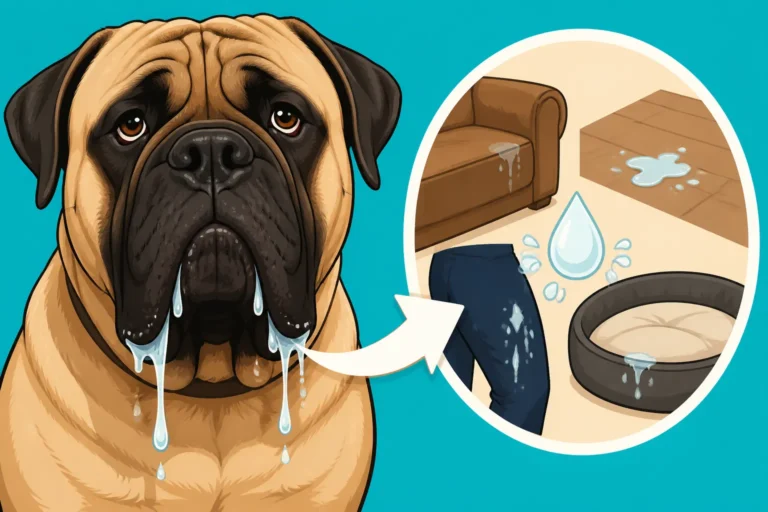
Bullmastiffs are big dogs, and big dogs inevitably bring in big amounts of dirt. Whether it's mud from a rainy walk or dust from playing in the yard, their short coat can still track quite a bit into the house. Beyond dirt, there's the ever-present reality of drool. Bullmastiffs are known for their jowls, and those jowls produce slobber. This drool can dry on their coat, creating crusty patches, especially around the mouth and chest. This isn't just unsightly; it can also become a breeding ground for bacteria if not cleaned regularly.
For daily maintenance, a damp cloth is your best friend. After walks, wipe down their legs and belly. After meals or a big drink, give their jowls a quick wipe. Keep a few designated "drool rags" handy – you'll use them! It’s also wise to consider How to Clean Bullmastiff Drool Off a Wall because, trust me, it’s going to happen. This regular spot cleaning minimizes the need for full baths and keeps their coat looking and smelling fresh between more thorough grooming sessions.
When Professional Grooming Might Be Necessary
While Bullmastiffs are generally considered a low-grooming breed, there are times when professional help can be invaluable. If your Bullmastiff gets particularly dirty or smelly, or if you're battling persistent shedding that you just can't get on top of, a professional groomer can offer a deep clean and thorough deshedding treatment that might be challenging to do at home. They have specialized tools and facilities designed for large breeds, making the process more efficient and effective.
Additionally, if your Bullmastiff has developed skin issues, matting (though rare, it can happen if drool is left to dry repeatedly, or if they have an unusual coat texture), or simply needs their nails trimmed by an expert, a groomer is a great resource. Some Bullmastiffs can be quite resistant to nail trims, and a professional has the experience and tools to get it done safely. Plus, a groomer can often give you tips and tricks specific to your dog's coat and skin needs, empowering you to keep up with their care at home. For context on overall cleanliness, you might also find it helpful to read How Often a Bullmastiff Needs a Bath.
Taking care of your Bullmastiff's coat doesn't have to be a monumental task. With the right tools, a consistent routine, and a little patience, you'll ensure your gentle giant stays healthy, happy, and a little less hairy around the house.
Disclaimer
This article is for general informational purposes only and does not constitute professional advice. Laws, prices and regulations vary by location and change over time. Consult a qualified professional for guidance on your specific situation.