What Temperature a Bullmastiff Is Comfortable At
As a Bullmastiff owner, you quickly learn that these gentle giants have a unique relationship with temperature. Unlike some breeds that seem to thrive in any weather, Bullmastiffs can struggle, especially when the mercury rises. It's a common worry for many of us: how warm is too warm, and how cool is too cool? This comprehensive guide is here to help you understand your Bullmastiff's comfort zone, recognize when they're struggling, and give you practical tips to keep them happy and healthy, no matter what the thermometer says.
Understanding Your Bullmastiff's Natural Thermostat
It might seem counterintuitive for such a large dog to be delicate in the heat, but the Bullmastiff's physical characteristics, honed over generations for a specific historical purpose, make them particularly susceptible to temperature extremes. They aren't built for endurance running or prolonged sun exposure, and understanding why is key to their well-being.
The Brachycephalic Challenge
One of the most significant factors influencing a Bullmastiff's temperature regulation is their brachycephalic (short-nosed) head structure. While not as extreme as a Bulldog or Pug, they still possess a relatively shorter muzzle compared to longer-nosed breeds. This seemingly small detail has a profound impact on their ability to cool themselves down. Dogs primarily regulate their body temperature through panting. The act of panting allows air to move over the moist surfaces of the tongue and respiratory tract, facilitating evaporative cooling. Think of it like a natural swamp cooler.
However, a Bullmastiff's shorter snout means they have less surface area in their nasal passages and a more compact respiratory system. This reduced efficiency makes it much harder for them to dissipate heat effectively. When the air is hot and humid, their panting becomes less effective, and their core body temperature can rise rapidly. This is a primary reason why Why a Bullmastiff's Short Muzzle Cannot Cool It is such a critical topic for any owner to grasp. Their design, while endearing, inherently limits their heat tolerance.
A Coat Built for Cool English Nights
Imagine the historical context of the Bullmastiff. These dogs were developed in 19th-century England to assist gamekeepers in guarding large estates against poachers. The climate in England, particularly during the night patrols they were bred for, is generally cool and often damp. Their short, dense coat was perfect for providing insulation against the chill and offering some protection from the elements, without being so long that it would get snagged or impede movement.
This heritage means their coat, while not excessively thick like a Malamute's, is efficient at retaining warmth. It's designed to keep them warm when temperatures drop, but it offers little advantage in shedding heat when it’s hot. This combination of a heat-retaining coat and an inefficient cooling system puts them at a distinct disadvantage in warmer climates or during intense exercise. What worked perfectly for a silent night watchman in the English countryside doesn't always translate well to a summer afternoon in a sunny backyard.
Identifying the Ideal Temperature Range
Determining the "perfect" temperature for your Bullmastiff isn't an exact science, as individual dogs can vary slightly based on age, health, and activity level. However, there's a general range where they tend to be most comfortable and, crucially, thresholds where temperatures become outright dangerous. Knowing these limits is perhaps the most important aspect of responsible Bullmastiff ownership.
The Sweet Spot: When Your Bullmastiff Is Most Content
For most Bullmastiffs, their happy place is typically between 60°F and 75°F (15°C to 24°C). In this range, they can usually regulate their body temperature without much effort, even with moderate activity. You'll see them lounging comfortably, perhaps taking a nap in a sunbeam or enjoying a leisurely stroll without excessive panting. When you're considering What Temperature Is Dangerous for a Bullmastiff, it's helpful to first understand what their comfortable zone looks like.
They appreciate a slightly cooler environment, and many Bullmastiffs will actively seek out cool spots, like tile floors, shady patches, or even dig a shallow pit in the dirt, when the temperature nudges towards the higher end of this comfort zone. They aren't built for long periods in direct sunlight, even on a mild day, so providing shade and access to fresh water is always a good idea. Think of them as a big, cuddly heat sink that needs help staying cool rather than generating warmth.
Red Flags: When the Temperature Becomes Unsafe
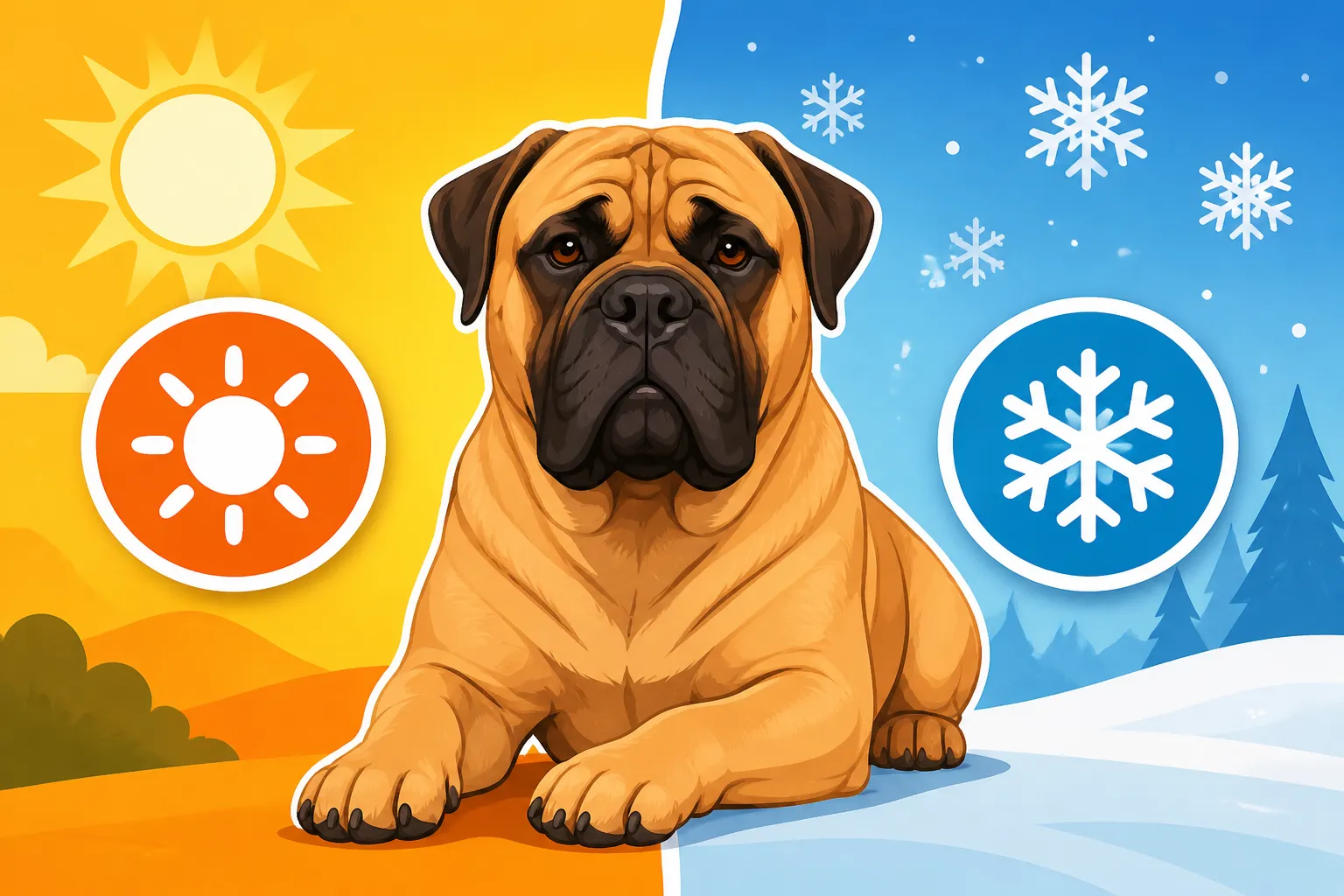
The danger zone for Bullmastiffs generally begins when the ambient temperature climbs above 80°F (27°C), especially if humidity is also high or if there's direct sun exposure. Once temperatures reach 85°F (29°C) or higher, the risk of overheating and heatstroke escalates dramatically, becoming critically dangerous. At these temperatures, their natural cooling mechanisms simply cannot keep up. Their body struggles to dissipate the heat it generates from normal metabolic processes, let alone from any physical activity.
Humidity is a silent killer for brachycephalic breeds. When the air is saturated with moisture, the evaporative cooling from panting becomes significantly less effective. It's like trying to sweat in a sauna – the sweat doesn't evaporate as easily, and you feel hotter. This is why a humid 80°F day can be far more dangerous than a dry 90°F day for your Bullmastiff. Never underestimate the combined effect of heat and humidity. Why Eighty Degrees Is Dangerous for a Bullmastiff isn't an exaggeration; it's a stark reality for these dogs.
On the other end of the spectrum, while generally more tolerant of cold, extreme cold can also pose risks. Temperatures consistently below 20°F (-7°C) can be problematic, especially for older Bullmastiffs or those with underlying health conditions. While their dense coat helps, prolonged exposure can lead to hypothermia or frostbite, particularly on paw pads or ear tips. However, the heat risk is far more prevalent and severe for the breed.
Here's a quick reference table for Bullmastiff temperature guidelines:
| Temperature Range | Bullmastiff Comfort Level | Recommended Action | Risk Level |
|---|---|---|---|
| Below 20°F (-7°C) | Very Cold / Uncomfortable | Limit outdoor time, use protective gear if needed (e.g., booties). Provide warm, dry shelter. | Moderate Cold Risk |
| 20-40°F (-7°C to 4°C) | Cool / Tolerable | Monitor for shivering, keep walks shorter, ensure warmth indoors. | Low Cold Risk |
| 40-60°F (4°C to 15°C) | Comfortable / Ideal | Enjoy walks and outdoor play. | Very Low Risk |
| 60-75°F (15°C to 24°C) | Comfortable / Slightly Warm | Provide shade and water, monitor panting during activity. | Low Heat Risk |
| 75-80°F (24°C to 27°C) | Warm / Caution | Limit exercise to early morning/late evening. Always provide access to shade and water. Consider indoor activity. | Moderate Heat Risk |
| 80-85°F (27°C to 29°C) | Hot / High Risk | Avoid all strenuous activity. Keep indoors with AC. Short potty breaks only. | High Heat Risk |
| Above 85°F (29°C) | Extreme Heat / Critical Danger | Do not take outside except for brief potty breaks. Keep indoors with strong AC. Monitor constantly for heatstroke signs. | Extreme Heat Risk |
Recognizing Signs of Discomfort and Overheating
Your Bullmastiff can't tell you in words that they're feeling too hot or too cold. It's up to us, their devoted owners, to read their body language and recognize the subtle cues that signal discomfort before it escalates into a dangerous situation. Early detection can literally be a lifesaver.
Subtle Cues: Early Warnings
Before full-blown heatstroke sets in, your Bullmastiff will often give you several signals that they're starting to get too warm. These are your early warnings, and paying attention to them can prevent a trip to the emergency vet. One of the most common early signs is excessive panting – panting that is heavier, faster, and more labored than what you'd expect for the level of activity. If they've just had a short walk in mild weather and are panting like they ran a marathon, that's a red flag.
Another sign is seeking out cool surfaces. They might sprawl out on tile, concrete, or even try to lie in the coolest part of your yard, ignoring their cozy bed. You might notice them drooling more than usual, especially if it's thicker or more viscous than their typical drool. Their gums might appear a brighter red than normal, indicating increased blood flow as their body tries to cool itself. They might also become less responsive, moving slower, or seem generally lethargic and uninterested in their usual activities. If your usually playful Bullmastiff suddenly just wants to lie down and seems utterly uninterested in a toy, it's worth checking their temperature and environment. These are all signs a Bullmastiff is struggling to cope.
Emergency Signals: Heatstroke in a Bullmastiff
If the early warnings are missed or ignored, a Bullmastiff can quickly progress to heatstroke, which is a medical emergency. Knowing Signs a Bullmastiff Has Heatstroke is absolutely vital. This isn't just "being a little too warm"; it's a systemic breakdown where the body's cooling mechanisms have failed, and core body temperature reaches dangerous levels, threatening organ function.
Signs of full-blown heatstroke include:
- Extremely heavy, uncontrolled panting: This often sounds like they're struggling to breathe, with very noisy, shallow breaths.
- Bright red or purple gums and tongue: This indicates poor circulation and can be a very alarming sign.
- Weakness and staggering: They might be unable to stand, or their gait will be wobbly and uncoordinated.
- Vomiting and diarrhea: Sometimes with blood.
- Thick, ropy saliva: Their drool will become very sticky and stringy.
- Glassy eyes and confusion: They might seem disoriented or unaware of their surroundings.
- Rectal temperature above 104°F (40°C): This is a critical indicator. If you suspect heatstroke, take their temperature if you can safely do so.
- Seizures or collapse: In severe cases, they may seize or completely lose consciousness.
If you observe any of these severe signs, immediate action is required. Get your Bullmastiff to a cooler environment, apply cool (not ice cold) water to their body, especially their belly, groin, and paw pads, and get them to an emergency veterinary clinic immediately. Every minute counts when it comes to heatstroke.
Creating a Comfortable Environment Indoors
Since Bullmastiffs are not fans of extreme temperatures, managing their indoor environment is paramount, especially during warmer months. You want to make your home a haven where they can relax and stay cool without constant worry. This often means being proactive and thinking ahead.
Air Conditioning and Airflow Essentials
In regions with warm or humid summers, air conditioning isn't just a luxury for a Bullmastiff; it's a necessity. Leaving your Bullmastiff in a house without air conditioning on a hot day is risking their life. Aim to keep your indoor temperature within their comfortable range, ideally between 68-72°F (20-22°C). This allows their body to maintain a stable core temperature without effort.
Beyond just the AC, good airflow is important. Fans can help tremendously by creating a breeze, which aids in evaporative cooling. Place floor fans or oscillating fans in rooms where your Bullmastiff spends time, directing the airflow at their level. Even if you have AC, circulating air can make a big difference in their perceived comfort. Remember to close blinds and curtains on sunny windows to block direct sunlight, which can quickly heat up a room, even with the AC running. Think about how much heat radiates from a window in the afternoon – your big Bullmastiff will absorb all of that.
Strategic Bedding and Cooling Accessories
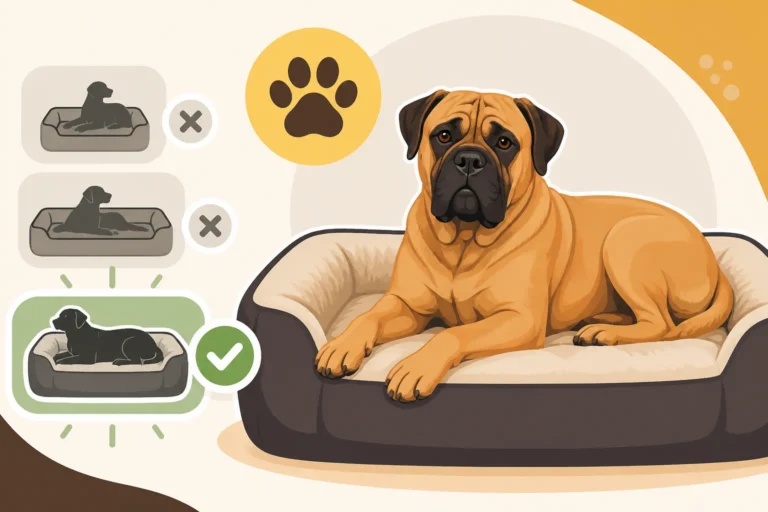
Orthopedic support is crucial for a large, heavy breed like the Bullmastiff, so their bed needs to be supportive. However, some traditional beds can trap heat. Opt for beds with breathable covers or consider elevated cots that allow air to circulate underneath them. You can find excellent options on retailers like Chewy or Amazon that offer both comfort and better airflow.
Cooling mats are another fantastic investment. These gel-filled mats absorb body heat and provide a cool surface for your Bullmastiff to lie on. They don't require refrigeration or electricity, making them a convenient option. Just make sure to get one durable enough to withstand a Bullmastiff's weight and potential chewing. For more extreme situations, a cooling vest or bandanna, dampened with cool water, can also help lower their core temperature. Freeze-dried treats or frozen KONGs filled with their favorite How Much Food a Bullmastiff Needs can also provide a refreshing snack and keep them occupied.
Managing Outdoor Exposure in Varying Climates
While we want our Bullmastiffs to enjoy the great outdoors, their tolerance for different weather conditions requires careful management. Knowing when to go out, how long to stay, and what precautions to take will ensure their safety and your peace of mind.
Summer Strategies: Exercise, Shade, and Water
Summer is undoubtedly the most challenging season for Bullmastiffs. The golden rule is to avoid the hottest parts of the day. Schedule walks and any outdoor exercise for early mornings (before 8 AM) and late evenings (after 8 PM) when temperatures are significantly cooler. Even then, keep these outings short and focused on potty breaks rather than strenuous exercise. Remember, When It Is Too Hot to Walk a Bullmastiff is not just about your comfort, but primarily about theirs.
When your Bullmastiff is outside, even for a short period, ensure they have constant access to fresh, cool water and ample shade. A sturdy shade structure or a dense tree offers a retreat from the sun's direct rays. A small, shallow wading pool can also be a godsend. Many Bullmastiffs enjoy wading in cool water, which helps dissipate heat from their paws and belly. Never, ever leave your Bullmastiff unattended in a car, even with the windows cracked, as How Fast a Bullmastiff Overheats in a Car is terrifyingly quick. If you must travel, use car window shades and run the AC.
Winter Wisdom: Protecting Against the Cold
While less prone to cold-related issues than heat, Bullmastiffs can still suffer in extreme winter conditions. Their short coat offers decent protection, but prolonged exposure to very low temperatures, especially with wind chill or precipitation, can lead to discomfort or hypothermia. While Whether a Bullmastiff Needs a Coat in Winter might not be necessary for every Bullmastiff in every cold climate, it's worth considering for older dogs, those with health issues, or during exceptionally frigid spells.
When temperatures drop significantly, keep outdoor potty breaks brief. Check their paws for ice balls or salt irritation after walks, as these can be painful. If you live in an area with heavy snow, clearing a path can help them navigate. Indoors, ensure they have a warm, draft-free place to sleep, preferably an elevated bed or a thick, orthopedic mattress like those available on Amazon that keeps them off cold floors. Even in winter, fresh water is essential, and bowls should be checked to ensure they haven't frozen if placed outside.
Special Considerations for Puppies and Seniors
Just like with humans, the very young and the very old Bullmastiffs have different needs when it comes to temperature regulation. Their bodies are less efficient at coping with extremes, making them particularly vulnerable and requiring extra vigilance.
Vulnerabilities of Young Bullmastiffs
Bullmastiff puppies are adorable bundles of energy, but their thermoregulation systems are not fully developed. They can get cold more easily than adult dogs, especially if they are very young or on the smaller side. A puppy that shivers or seems lethargic in cool temperatures might be too cold. Providing a warm, soft bed away from drafts is crucial. For very young puppies, a snuggler toy with a heat pack can mimic the warmth of littermates, which you can often find from retailers like Chewy.
Conversely, Bullmastiff puppies are also highly susceptible to overheating. Their boundless energy means they often don't know when to stop playing, and their smaller body size, relative to their enthusiasm, can lead to rapid heat gain. The Exercise Limit for a Bullmastiff Puppy is not just about protecting their joints; it's also about preventing them from overexerting and overheating. Always supervise puppy play, ensure they have frequent breaks, and provide ample water. Avoid outdoor play during warm hours, and never let them run wild in direct sun.
Supporting the Older Bullmastiff
As Bullmastiffs age, their bodies undergo changes that affect their ability to handle temperature fluctuations. An aging Bullmastiff might have reduced muscle mass, which can contribute to feeling colder, or they might have underlying health conditions like heart problems or hypothyroidism, which can impair their ability to regulate body temperature. Caring for a Bullmastiff Past Six often means being extra mindful of their environment.
Older Bullmastiffs might feel the cold more acutely, so ensure their sleeping areas are warm, soft, and draft-free. A heated bed or extra blankets can be very comforting. On the other hand, their ability to cool down might also diminish. They may not move as much, making them more prone to lying in one spot and overheating if that spot is too warm. Mobility issues might prevent them from easily seeking cooler areas. You'll need to be their advocate, moving them to shadier or cooler spots as needed, and ensuring their water bowl is always within easy reach and topped up with fresh, cool water. Monitoring an older Bullmastiff's comfort is a daily task that becomes increasingly important with each passing year.
Disclaimer
This article is for general informational purposes only and does not constitute professional advice. Laws, prices and regulations vary by location and change over time. Consult a qualified professional for guidance on your specific situation.