Whether Every Bullmastiff Drools the Same
If you're captivated by the majestic presence of a Bullmastiff, you've probably also heard the tales of their legendary drool. It's a common concern for potential owners and a daily reality for many of us who share our lives with these gentle giants. But does every Bullmastiff really drool the same, or are there nuances? This guide dives deep into the fascinating, and often messy, world of Bullmastiff slobber, exploring the factors that influence it and offering insights into what's normal and what might be a sign of something more.
The Anatomy of Drool: Why Some Bullmastiffs Are Wetter Than Others
It's easy to assume all Bullmastiffs are equally prone to leaving a trail of slobber, but that's not quite the full picture. Just like humans, individual dogs have variations, and when it comes to drooling, anatomy plays a starring role. Understanding the physical characteristics of the Bullmastiff breed helps explain why some seem to be perpetually damp while others are relatively dry-mouthed.
Lip and Jaw Structure Variations
The Bullmastiff's signature jowls and broad, deep muzzle are part of what gives them their distinctive, stoic appearance. However, these features are also directly linked to their propensity for drooling. A Bullmastiff's lips are designed to hang down, often quite loosely, creating pockets where saliva can collect. Instead of being swallowed immediately or staying contained within the mouth, this excess saliva has an easy escape route. Think of it like a natural overflow system.
Within the breed, however, there are variations in how loose these jowls are, how tight the lips are around the teeth, and the overall depth of the flews (the hanging parts of the upper lip). A Bullmastiff with exceptionally loose, pendulous jowls will naturally accumulate more saliva and be more prone to gravity taking its course, leading to drips and strings of drool. Conversely, a Bullmastiff with slightly tighter lips and less exaggerated jowls might retain saliva within its mouth more effectively. While no Bullmastiff will ever be as "dry-mouthed" as, say, a German Shepherd, the degree of looseness in their facial structure directly correlates with the volume and frequency of drooling. It's why one Bullmastiff might require constant drool-wiping, while another might only leave puddles after a drink.
Genetic Predisposition and Individual Differences
Beyond visible anatomy, there can also be subtle genetic factors at play. Some lines within the Bullmastiff breed may, over generations, have developed a tendency towards certain facial conformations that either exacerbate or slightly lessen drooling. While there isn't a specific "drool gene" that breeders screen for, responsible breeders often take general conformation into account, striving for dogs that meet the breed standard while also exhibiting good health and practical traits.
Even among littermates with similar facial structures, you might observe differences. One puppy could be a little droolier than its sibling simply due to individual salivary gland activity or subtle differences in how they hold their mouth. It's not uncommon for owners of multiple Bullmastiffs to attest that each dog has its own "slobber personality." Some are just naturally more expressive with their mouths, while others are more fastidious. Don't be surprised if your Bullmastiff defies your expectations based on pictures or other dogs you've met. Each one is a unique individual. For more on their specific anatomy, you might find Why a Bullmastiff's Jowls Hold Saliva insightful.
Daily Life: Triggers and Environmental Factors that Increase Drool
While genetics and anatomy lay the groundwork for a Bullmastiff's drooling potential, daily life is full of environmental and situational factors that can turn a mild drooler into a slobbering mess. These are the moments when even a typically drier Bullmastiff might surprise you with a waterfall of saliva.
Anticipation, Excitement, and Stress
Have you ever noticed your mouth watering when you smell your favorite food cooking, or when you're incredibly hungry? Dogs experience a similar physiological response, and Bullmastiffs, with their already primed jowls, can turn this into an art form. The sight, smell, or even the sound of kibble rattling in a bowl can trigger a massive drool response. Imagine a Bullmastiff waiting for their dinner; the anticipation alone can cause a significant amount of slobber to accumulate, sometimes leading to long, glistening strings. This is a normal, healthy reflex, indicating a robust digestive system gearing up for a meal.
Beyond food, excitement can also be a major drool trigger. A new visitor, a favorite toy appearing, or the promise of a walk can send salivary glands into overdrive. Similarly, stress or anxiety can manifest as increased drooling. A trip to the vet, a loud thunderstorm, or separation anxiety can all lead to excessive drooling, sometimes accompanied by panting or restlessness. It's your Bullmastiff's body reacting to its environment, and it’s important to distinguish between happy excitement drool and anxious drool. Observing their other behaviors, like yawning, lip-licking (when no food is present), or hiding, can help you interpret the drool. Sometimes, a quiet afternoon transforms into a drool fest simply because your dog heard the crinkle of a treat bag from across the room.
Heat, Hydration, and Activity Levels
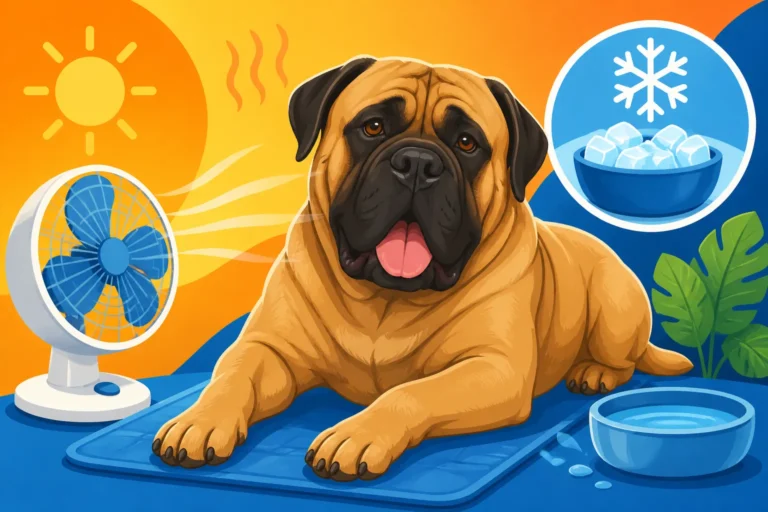
Bullmastiffs are notoriously sensitive to heat, and overheating is a significant drool enhancer. Unlike humans who sweat profusely to cool down, dogs primarily regulate their body temperature through panting. This increased respiratory effort stimulates saliva production, which then evaporates from the tongue and mouth, helping to cool them. However, with their brachycephalic (short-nosed) tendencies, Bullmastiffs often struggle to efficiently pant and cool themselves, leading to even more vigorous panting and, consequently, more drooling. This is why you'll see a Bullmastiff drool far more heavily after a walk on a warm day, or if they're left in a stuffy environment. For more information on their heat sensitivity, see When It Is Too Hot to Walk a Bullmastiff and Why a Bullmastiff Overheats So Easily.
Proper hydration is also crucial. A dehydrated Bullmastiff will still produce saliva, but their mouth might feel drier initially, and then they'll drink large amounts of water, leading to post-drink waterfalls of drool. Ensuring they always have access to fresh, cool water, especially after activity, is important. Speaking of activity, while Bullmastiffs aren't marathon runners, even moderate play or a brisk walk can increase their body temperature and breathing rate, leading to more drool. This is all part of their normal physiology, but it's something owners must be prepared for.
Dietary Influences and Oral Health
What your Bullmastiff eats can sometimes influence drooling, although typically to a lesser extent than other factors. Some dogs might drool more with certain textures or flavors of food. For instance, a very moist, palatable fresh food like those offered by Ollie or particularly aromatic kibble from brands found on Chewy might trigger a stronger anticipatory drool response. If your Bullmastiff has any food sensitivities, it could potentially lead to inflammation in the mouth or digestive upset, which might indirectly increase drooling, though this is less common than other causes.
More significantly, poor oral health can definitely contribute to increased drooling. Dental problems like gum disease, tooth decay, abscesses, or foreign objects lodged in the mouth can cause pain and irritation, leading to excessive salivation. Think about how much you drool when you have a toothache! It's a natural protective response. Regular dental check-ups and at-home oral care are essential. If you notice a sudden increase in drooling, particularly if it's accompanied by bad breath, pawing at the mouth, reluctance to eat, or blood in the saliva, it's time to visit the vet. This can also be a sign of discomfort, which a Bullmastiff can be good at hiding.
Here's a quick look at common drool triggers:
| Trigger | Description | Typical Drool Level |
|---|---|---|
| Anticipation/Food | Smelling food, hearing treat bag, waiting for meal. | High (short-term) |
| Excitement | Greeting visitors, new toy, pre-walk rituals. | Moderate to High |
| Heat/Panting | Warm weather, exercise, stuffy environment. | Very High |
| Stress/Anxiety | Vet visits, thunderstorms, separation distress. | High (can be chronic) |
| Oral Health Issues | Dental pain, gum disease, foreign objects. | High (often sudden) |
| Drinking Water | Post-drink drips due to jowls. | Moderate (short-term) |
Managing Bullmastiff Drool: Practical Tips and Tools
Living with a drooling Bullmastiff means accepting a certain level of dampness, but it doesn't mean your home has to become a perpetual slobber zone. There are plenty of strategies and tools to help manage the mess and keep both you and your Bullmastiff comfortable.
Wiping Strategies and Cleaning Products
The most straightforward way to manage drool is often the simplest: wipe it up! For active droolers, keeping dedicated drool rags strategically placed around the house is a must. Many Bullmastiff owners use small hand towels, old washcloths, or even bandanas. The key is absorbency and ease of washing. Some people swear by microfiber cloths for their superior absorption and ability to pick up sticky drool without just spreading it around. These can be easily ordered from Amazon or local big box stores.
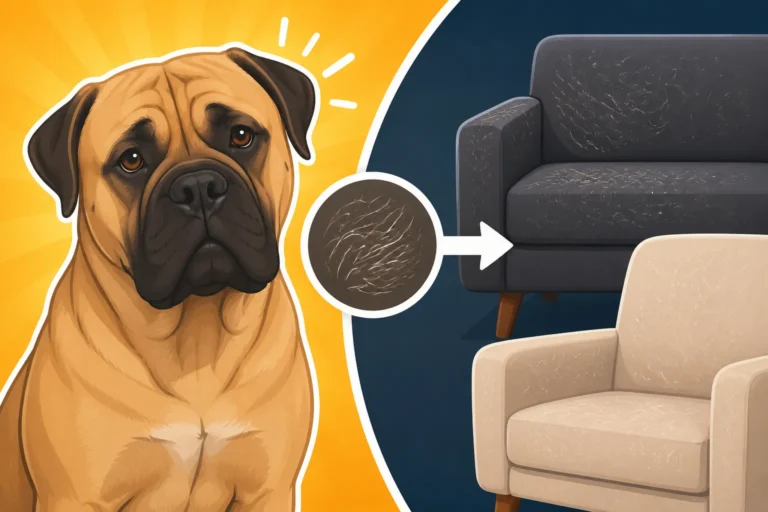
For cleaning surfaces, a simple spray bottle with water and a touch of white vinegar can work wonders on drool streaks on walls or furniture. Always test in an inconspicuous spot first, especially on delicate finishes. For upholstery, immediate blotting is crucial, followed by a pet-safe enzymatic cleaner if a stain develops. The sooner you address the drool, the less likely it is to set in. Keep an eye on areas where your Bullmastiff tends to shake their head, as this is where drool "splatter zones" often appear – typically waist-high on walls or furniture legs. Regular wiping of their jowls, especially after meals and drinks, can also significantly reduce overall drool spread. You can learn more about this in How to Clean a Bullmastiff's Jowls.
Drool-Friendly Accessories and Home Design
When you live with a Bullmastiff, you start thinking about your home through a drool-tinted lens. Investing in drool-friendly accessories can make a big difference.
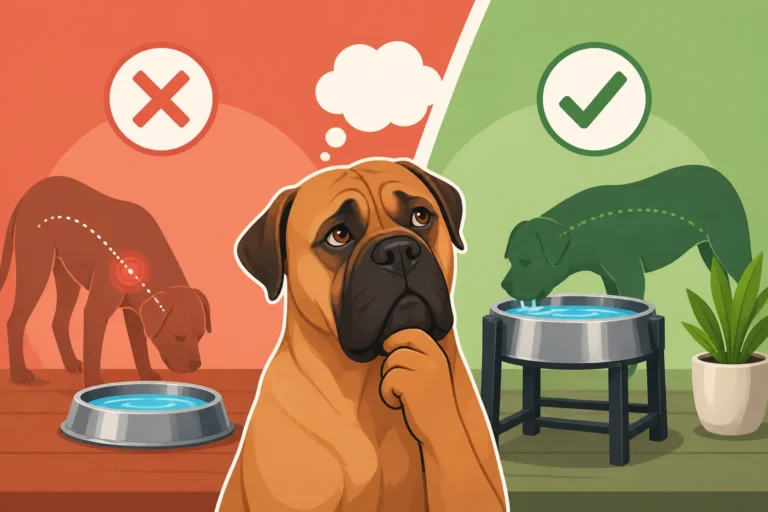
- Water Bowls: Extra-large, heavy-bottomed water bowls are essential to prevent tipping. Some owners find raised bowls help their Bullmastiffs drink more neatly, reducing the amount of water that sloshes into their jowls and then onto the floor. However, always research the potential bloat risks associated with raised bowls for giant breeds before committing.
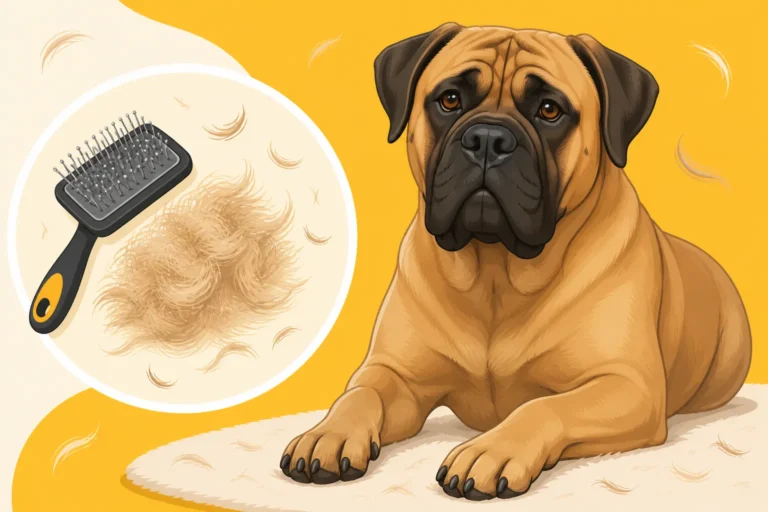
- Beds and Furniture Covers: Orthopedic dog beds with removable, washable covers are a lifesaver. Look for durable, water-resistant fabrics. For your own furniture, washable slipcovers, throws, or dedicated pet blankets can protect sofas and chairs from drool and dog hair. Many options are available on Chewy or Amazon.
- Drool Bibs: Yes, they exist! For particularly exuberant or persistent droolers, a custom-fitted drool bib or bandana can help catch some of the drips before they hit the floor or your clothing. While not always the most fashionable, they can be surprisingly effective for short periods or during specific activities like car rides or visits to friends.
- Floor Coverings: Hard, non-porous surfaces like tile or laminate are generally easier to clean than carpets. If you have rugs, choose ones that are easily washable or have a low pile for easier spot cleaning. For slippery floors, consider runners or anti-slip mats, especially in high-traffic areas, to help your big dog maintain traction.
Routine Care and Health Monitoring
Consistent routine care goes a long way in managing drool and ensuring it's not a symptom of underlying health issues. This means paying attention to your Bullmastiff's overall well-being, not just the drool itself.
- Oral Hygiene: Regular checks of your Bullmastiff's teeth and gums are vital. Lift their lips and look for redness, swelling, tartar buildup, or missing teeth. If you're comfortable, try brushing their teeth a few times a week with a dog-specific toothpaste. If you notice any concerning changes, a vet visit is in order.
- Hydration and Cooling: Always provide ample fresh water. On hot days, limit exercise to cooler parts of the day, provide shade, and consider cooling mats or vests. If your Bullmastiff is panting heavily and drooling excessively in the heat, bring them indoors immediately to an air-conditioned space. Remember, Why Eighty Degrees Is Dangerous for a Bullmastiff isn't an exaggeration – heatstroke is a serious risk.
- Veterinary Check-ups: Regular vet visits are crucial for detecting any health issues that might manifest as increased drooling. Conditions like foreign bodies in the mouth or throat, tumors, or even certain systemic illnesses can cause excessive salivation. If you notice a sudden, unexplained increase in drooling, especially if it's accompanied by other symptoms like lethargy, loss of appetite, or behavioral changes, don't hesitate to contact your veterinarian. When Sudden Drooling Means Something Is Wrong can provide more detail on these warning signs.
The Verdict: So, Does Every Bullmastiff Drool the Same?
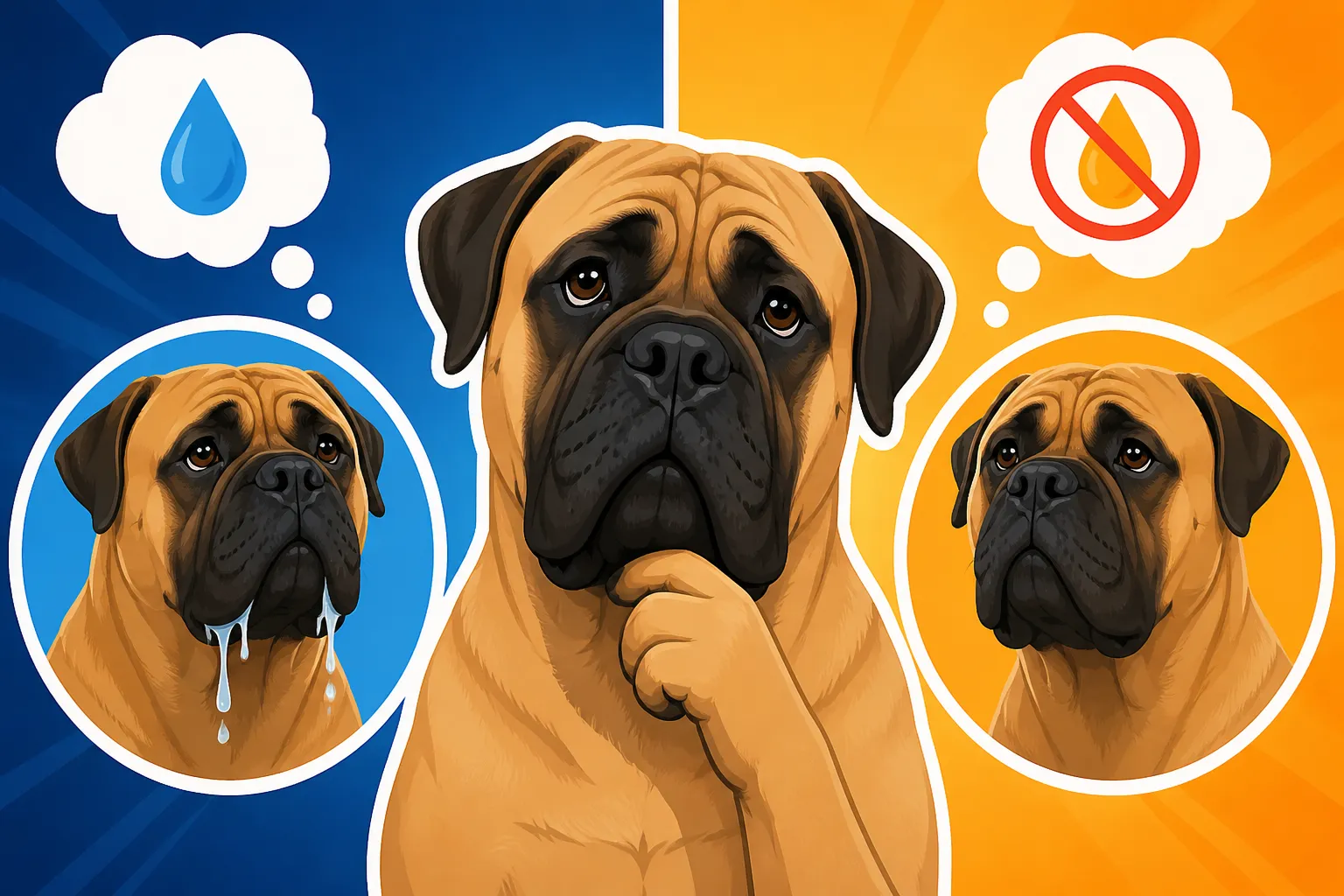
No, absolutely not! While drooling is an inherent characteristic of the Bullmastiff breed due to their unique facial structure, the degree to which they drool varies significantly from one individual to another. Just like people have different hair colors or heights, Bullmastiffs have their own unique "slobber profiles."
A Spectrum of Slobber
Think of Bullmastiff drooling as existing on a spectrum. On one end, you have the relatively "dry-mouthed" Bullmastiff, who might only drool noticeably after drinking water, during intense excitement, or when truly overheated. These dogs might still require a quick jowl wipe after a meal, but they aren't constantly leaving trails. Their facial structure tends to be a bit tighter, perhaps with slightly less prominent flews.
On the other end of the spectrum, you'll find the truly prolific droolers. These are the dogs whose jowls seem to act as perpetual reservoirs, ready to release a waterfall with any head shake, or to string impressive ropes of saliva when anticipating food. Their facial conformation likely features looser, more pendulous jowls, making it harder for saliva to stay contained. These dogs will keep you busy with drool rags and might even inspire you to invest in a collection of decorative floor mats!
Most Bullmastiffs, however, fall somewhere in the middle, exhibiting moderate drooling that is manageable with a bit of routine cleaning and preparedness.
Understanding Your Individual Dog
The most important thing is to understand your Bullmastiff's normal drooling habits. Pay attention to what triggers their drooling, how much they typically produce, and whether there are any sudden changes. This baseline understanding will empower you to discern normal slobber from a potential sign of discomfort or illness.
For instance, a Bullmastiff that typically only drools heavily when food is presented, but suddenly starts drooling profusely and continuously for no apparent reason, might be signaling a problem. Conversely, a Bullmastiff known for its generous drool production after every drink isn't necessarily a cause for alarm if that's always been their norm.
Ultimately, embracing a Bullmastiff means embracing a certain amount of drool. It's part of their charm, a characteristic feature of this magnificent breed. While you can manage it, you can't eliminate it entirely. Learning to live with the drool, armed with a good sense of humor and a ready supply of towels, is part of the wonderful journey of Bullmastiff ownership.
Disclaimer
This article is for general informational purposes only and does not constitute professional advice. Laws, prices and regulations vary by location and change over time. Consult a qualified professional for guidance on your specific situation.