When a Bullmastiff Fills Out
It's incredibly common for Bullmastiff owners, especially those with puppies, to look at their lanky, seemingly oversized pup and wonder when it will finally transform into the solid, substantial dog they envision. You see pictures of those magnificent, broad-cheled adults, and then you look at your gangly adolescent and think, "Is mine ever going to fill out?" This guide is here to reassure you and explain the specific developmental timeline a Bullmastiff goes through to achieve that impressive adult physique, detailing what "filling out" truly means and how you can support your dog's healthy maturation.
Understanding Bullmastiff Growth Stages
Bringing home a Bullmastiff puppy is an exciting time, and watching them grow is fascinating. However, their growth isn't a straight line to adult proportions. It's a complex journey with distinct phases, each focusing on different aspects of their development. Understanding these stages can help manage expectations and ensure you're providing the right care at the right time.
Rapid Growth in Puppyhood
From the moment you bring them home, Bullmastiff puppies are in a phase of incredible, almost unbelievable, rapid growth. In just a few short months, they go from being tiny bundles to surprisingly large, clumsy creatures. This initial growth spurt is primarily focused on gaining height and length. You'll notice their legs seem to stretch out for miles, and they can look quite disproportionate, like an awkward teenager who suddenly shot up overnight.
During these early months, typically from about three to nine months, your Bullmastiff might appear quite lean, even a bit underweight, despite eating what seems like a prodigious amount of food. Their skeletal frame is expanding quickly, and their bodies are prioritizing bone growth. Don't be fooled by this lanky appearance; it's a normal part of their development. They haven't started to pack on the dense muscle and bone mass that will define their adult look just yet. Many new owners worry their pup isn't gaining enough weight, but often, they are simply in the middle of this leggy growth phase.
Adolescence and Continued Vertical Growth
As your Bullmastiff transitions from puppyhood into adolescence, roughly between nine months and 18 months, their vertical growth continues, though it might slow down compared to the earlier explosive period. They often continue to look "leggy" or even gangly during this time, with their bodies struggling to catch up to their long limbs. It’s a bit like a human teenager who's all arms and legs. You might find yourself saying, "Wow, he's still growing!" every other week.
This stage is crucial because while they're still gaining height, their bones are also becoming denser, preparing for the serious bulk to come. They might start to broaden a little in the chest, but it's usually not the full, deep chest of a mature Bullmastiff. Many owners mistakenly think their dog is fully grown in terms of height around a year old, but subtle growth can continue beyond this. It's a testament to their giant breed status that their skeletal development takes so long. If you're wondering when exactly your Bullmastiff will reach its maximum height, it's typically a bit before they start truly filling out. You might find our post on When a Bullmastiff Reaches Full Height helpful for more detail.
The "Filling Out" Phase: Age and Development
The most anticipated phase for many Bullmastiff owners is when their dog finally "fills out." This isn't about getting fat; it's about developing the powerful muscle, bone density, and substantial body that the breed is known for. This part of their growth journey requires patience.
When the Muscle and Bone Truly Develop
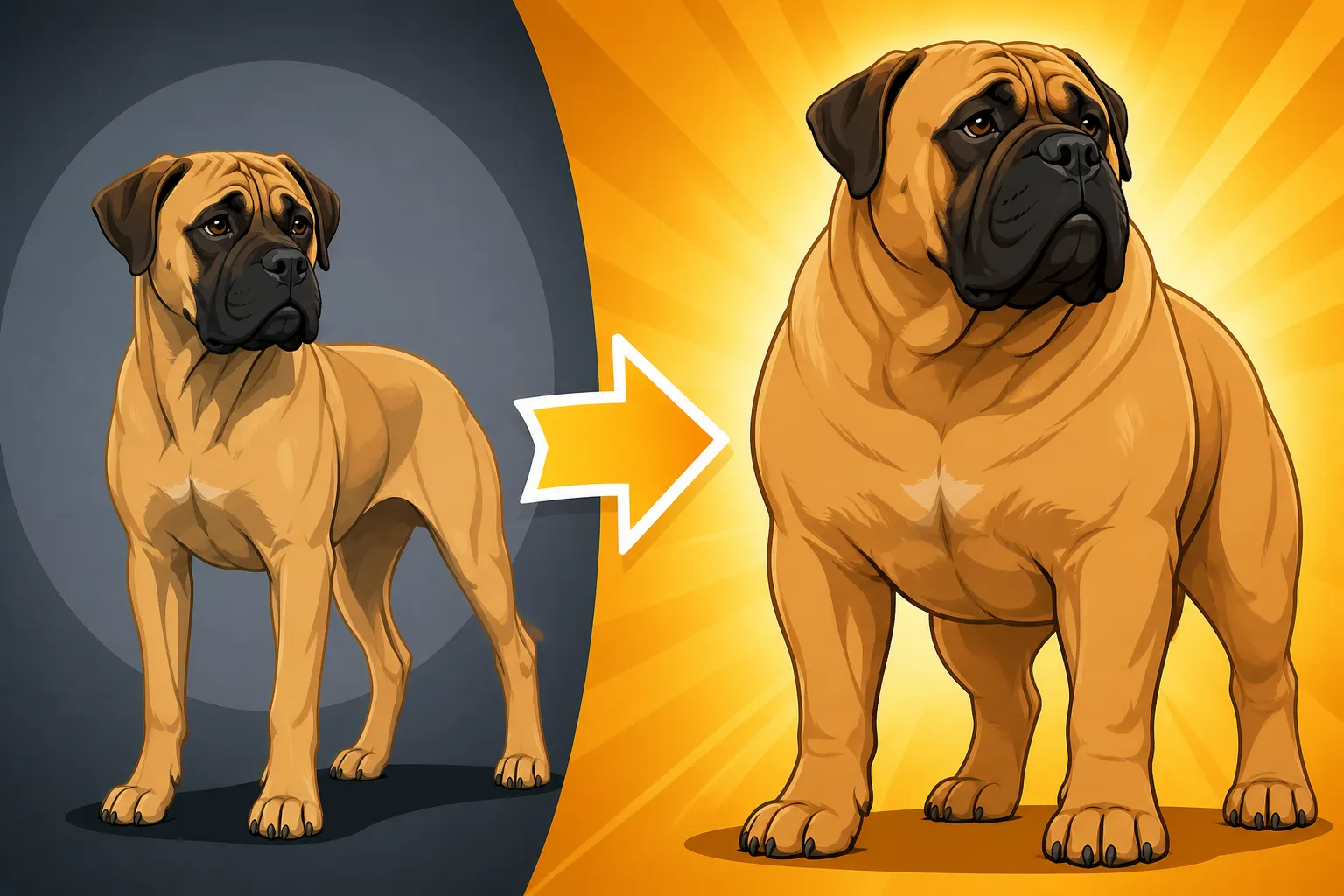
For Bullmastiffs, the true "filling out" process, where they gain significant muscle mass, broaden through the chest and skull, and develop that impressive bone substance, typically begins around 18 months of age and continues steadily until they are about three years old. This is a much longer maturation period than smaller breeds, which often reach their full adult physique by a year or so. A Bullmastiff is definitely not grown up until three, often looking quite different at two than they did at one.
During this period, you’ll observe several changes. Their chest will deepen and widen, giving them that powerful front. Their neck will thicken, and their head will broaden, losing some of that adolescent narrowness. Muscle definition will become more apparent, especially across their shoulders, back, and hindquarters. This isn't just about gaining weight; it's about the entire skeletal structure solidifying and muscle fibers developing their full strength and density. It's a slow, steady process, and it's essential not to try to rush it. This is when they truly achieve the "working weight" their ancestors were known for. You can read more about The Age a Bullmastiff Reaches Working Weight for additional insights into this milestone.
The Role of Genetics and Nutrition
While patience is key, two major factors heavily influence how and when your Bullmastiff fills out: genetics and nutrition. Genetics lay the blueprint – they determine the ultimate size, bone structure, and potential muscle mass your dog can achieve. A dog from well-bred lines, with parents known for good structure, will generally have the genetic predisposition to "fill out" correctly.
However, even the best genetics can be undermined by poor nutrition. It's absolutely crucial to feed a large breed specific puppy food for the first 12-18 months. These foods are specially formulated with a lower calcium-to-phosphorus ratio and reduced caloric density to promote slow, steady growth. Overfeeding a Bullmastiff puppy, or feeding a regular adult dog food too early, can cause them to grow too rapidly. This fast growth puts undue stress on developing joints and can lead to serious orthopedic issues like Hip Dysplasia in a Bullmastiff or Elbow Dysplasia in a Bullmastiff. Companies like Ollie or Chewy offer a variety of large breed formulas designed to support this crucial slow growth, ensuring their bones and joints develop correctly before the heavy muscle mass adds extra strain. Our guide Feeding a Bullmastiff Puppy So It Grows Slowly goes into even more detail on this critical aspect of their care.
Managing Expectations and Supporting Healthy Development
It’s easy to look at other Bullmastiffs, especially those magnificent, fully mature adults, and compare them to your still-developing pup. But every dog is an individual, and the most important thing is to support your dog's healthy development, not just chase a particular look or size.
What a Healthy "Fill Out" Looks Like
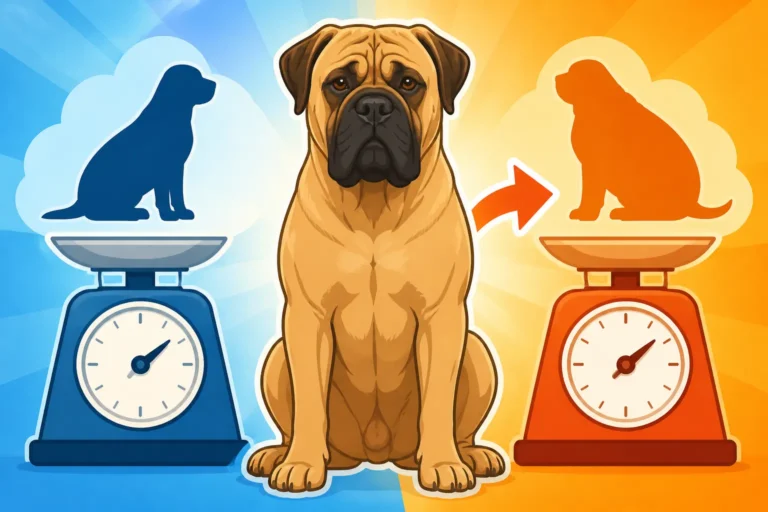
A healthy, well-filled-out Bullmastiff should appear substantial and powerful, but never fat. You should be able to easily feel their ribs when you run your hands along their sides, but not see them prominently. They should have a defined waist tucking up from their chest, which means their body condition score is ideal. Their muscles should be firm and well-developed, giving them a commanding presence. A Bullmastiff that is truly "filled out" has a strong, solid structure that supports their impressive weight without excess fat.
Owners sometimes try to "bulk up" their dogs with extra food, thinking it will help them fill out faster. This is a common and dangerous mistake. Excess weight at any age, but especially during the critical development period, puts enormous strain on joints and internal organs. Instead of adding healthy muscle and bone, you're adding fat, which is detrimental to their long-term health and lifespan. Prioritizing a lean body condition throughout your Bullmastiff's life is arguably the single best thing you can do for their health and longevity. Our comprehensive article Keeping a Bullmastiff Lean Is the Best Thing You Can Do covers this topic in depth.
Common Pitfalls and How to Avoid Them
One of the biggest pitfalls when a Bullmastiff is filling out is promoting overly rapid growth. As mentioned, feeding high-calorie diets or supplementing with calcium can be detrimental. Imagine building a house with weak foundations – it won't stand the test of time, and the same applies to your Bullmastiff's skeletal system. Another common mistake is over-exercising a young, developing Bullmastiff. While exercise is essential for muscle development, too much high-impact activity, like long runs on hard surfaces, excessive jumping, or forced strenuous exercise, can damage their still-developing growth plates and joints.
Instead, focus on controlled, moderate exercise that builds muscle gently. Think short, regular walks, supervised playtime in a securely fenced yard, and mental enrichment. Resist the urge to let them run wild or engage in overly rough play with other dogs for extended periods, especially during their first year and a half. Patience is not just a virtue here; it's a necessity for their physical well-being. Remember, Why a Bullmastiff Puppy Should Not Grow Fast is a key consideration for any owner.
Practical Tips for Supporting Your Bullmastiff's Maturation
Supporting your Bullmastiff through their growth and "filling out" phase is a long-term commitment. It involves careful consideration of their diet, exercise, and regular health monitoring.
Diet for Steady Growth
Feeding a Bullmastiff for healthy, steady growth means choosing the right food and sticking to appropriate portion sizes. For puppies and adolescents, a high-quality large breed puppy formula is non-negotiable. These foods have carefully balanced nutrients to prevent too rapid growth. You can often find excellent options from trusted retailers like Chewy or Amazon, or specialized brands such as Ollie that focus on high-quality ingredients. Always follow the feeding guidelines on the bag, but remember they are just guidelines. Your individual dog's metabolism, activity level, and body condition should always be the ultimate determining factor.
Once your Bullmastiff reaches maturity (around 18-24 months, depending on the individual and vet recommendations), you'll transition to a large breed adult formula. Continue to monitor their weight and body condition closely. If you notice them gaining too much weight, slightly reduce their portions or increase their controlled exercise. If you’re ever unsure about the best diet plan, always consult your veterinarian; they can provide personalized advice based on your dog's specific needs.
Appropriate Exercise
Exercise for a growing Bullmastiff should be all about consistency and moderation. During puppyhood and adolescence, short, frequent walks are much better than one long, strenuous outing. Think 15-20 minute walks a few times a day for a young pup, gradually increasing duration and intensity as they mature. The goal is to build strength and muscle tone without stressing their still-developing joints and bones. The Exercise Limit for a Bullmastiff Puppy is something every owner should be aware of.
Once they are past two years old and fully developed, Bullmastiffs still don't need excessive exercise. A couple of good walks a day, plus some playtime, is usually sufficient. They are not endurance athletes. Focus on activities that build muscle evenly, like swimming (if they enjoy it and are safe), or short bursts of fetch. Avoid activities that involve excessive jumping or abrupt stops and starts, which can be hard on their heavy joints.
Regular Vet Checks
Throughout your Bullmastiff's growth and maturation, regular veterinary check-ups are vital. Your vet can monitor their weight, assess their body condition score, and evaluate their skeletal development. They can also screen for common large breed issues such as hip and elbow dysplasia, catching potential problems early. These routine visits provide an opportunity to discuss any concerns you have about their growth, diet, or overall health.
Your veterinarian can also advise on appropriate vaccination schedules, parasite prevention, and when to consider spaying or neutering, which can have an impact on skeletal development. Don't underestimate the value of these regular appointments; they are your best partner in ensuring your Bullmastiff grows into a healthy, robust adult. For more information on health monitoring, check out How Often a Bullmastiff Needs a Wellness Exam.
Growth and Development Milestones for Bullmastiffs
Here's a general overview of what to expect during your Bullmastiff's growth journey:
| Age Range | Primary Development Focus | Typical Appearance & Behavior | Key Owner Considerations |
|---|---|---|---|
| 8 weeks – 6 months | Rapid height & length growth, initial bone density | Puppy-like, fast-growing, clumsy, "all paws," lean but gaining weight | Large breed puppy food, controlled short exercise, socialization |
| 6 months – 18 months | Continued height growth, early broadening, bone maturation | Gangly, "leggy" adolescent, can look awkward, energy levels vary | Maintain large breed puppy food, moderate exercise, basic training, avoid over-exertion |
| 18 months – 2.5 years | Significant muscle development, chest widening, head broadening | Begins to "fill out," gaining substance, still some youthful energy | Transition to adult food, consistent moderate exercise, body condition monitoring |
| 2.5 years – 3 years | Final filling out, muscle density, skeletal maturity | Mature, substantial physique, powerful, calmer disposition | Continue adult food, maintain lean body condition, lifelong joint care awareness |
Remember, these are general guidelines, and individual Bullmastiffs may develop at slightly different rates. The most important thing is to ensure healthy, steady progress.
Disclaimer
This article is for general informational purposes only and does not constitute professional advice. Laws, prices and regulations vary by location and change over time. Consult a qualified professional for guidance on your specific situation.