Why a Bullmastiff Should Rest After Meals
It's a familiar scenario for many Bullmastiff owners: your beloved giant has just devoured their meal, and now they're looking at you with those big, soulful eyes, ready for a romp in the yard or a game of fetch. But that immediate post-meal energy can actually be a serious health hazard for our big dogs. This guide will walk you through why ensuring your Bullmastiff gets proper rest after eating isn't just a suggestion, but a crucial practice to safeguard their health, especially against a life-threatening condition known as bloat.
Why Immediate Rest After Meals is Non-Negotiable for Bullmastiffs
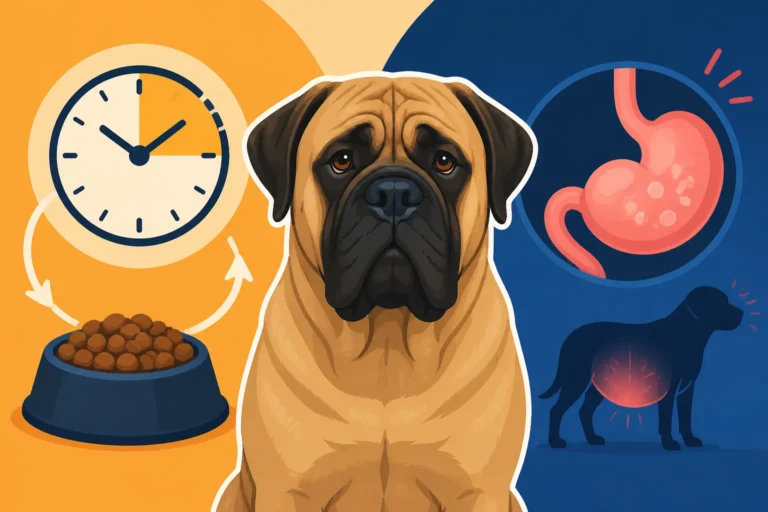
When you have a breed as magnificent and deep-chested as a Bullmastiff, every aspect of their care takes on a magnified importance, and feeding is no exception. The simple act of eating, if not followed by a period of calm, can set the stage for a dangerous medical emergency. For Bullmastiffs, like many large and giant breeds, the primary concern is Gastric Dilatation-Volvulus, or GDV, more commonly known as bloat. This isn't just a tummy ache; it's a critical condition where the stomach fills with gas and can twist, cutting off blood flow and trapping everything inside.
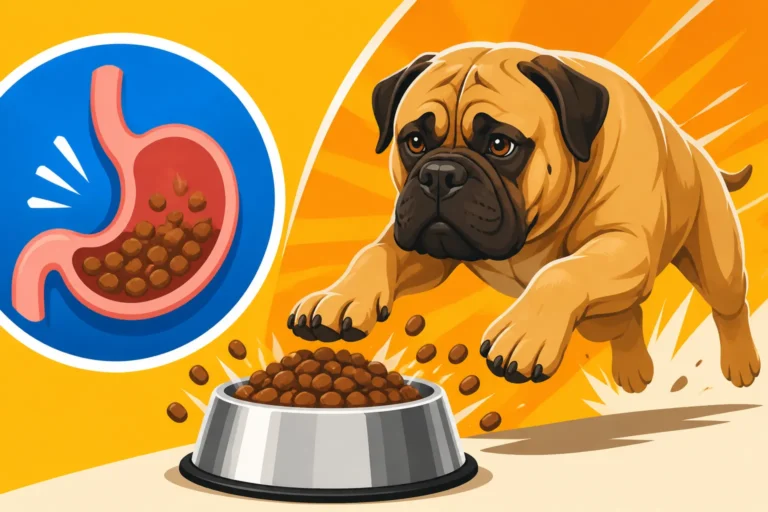
Imagine your Bullmastiff's stomach like a balloon. When it's full of food and water, it's already distended. Now, add activity – running, jumping, even vigorous play – and you introduce sudden movements and potential for air swallowing. All of this can cause that full, heavy stomach to slosh and, terrifyingly, to flip over on itself. Once it twists, it's a race against time. The pressure builds, affecting breathing and circulation, and without immediate veterinary intervention, it's almost always fatal. Bloat in a Bullmastiff is a silent killer, and prevention, including post-meal rest, is our most powerful weapon. Owners often feel a wave of panic when they realize how quickly and unexpectedly bloat can strike, making every preventative measure feel incredibly vital.
Understanding Gastric Dilatation-Volvulus (GDV) in Deep-Chested Breeds
GDV is a veterinary emergency that primarily affects large and giant breed dogs with deep, narrow chests, a description that perfectly fits our majestic Bullmastiffs. While the exact cause isn't fully understood, a combination of risk factors significantly increases a dog's susceptibility. These include genetics, temperament, feeding habits, and activity levels around meal times. A Bullmastiff's anatomy plays a huge role; their deep chest allows for more space for the stomach to swing and flip when it's distended.
Think about it this way: a smaller dog with a more compact body doesn't have the same internal "room" for their stomach to move around. But a Bullmastiff's spacious abdomen, while impressive, unfortunately provides a canvas for this catastrophic event. Eating too quickly, drinking large amounts of water immediately after eating, and engaging in strenuous activity after meals are all considered significant triggers. It's a cruel twist of fate that our food-motivated, playful Bullmastiffs are so vulnerable to a condition tied to eating and activity. That eager gulping down of food, a common sight with many Bullmastiffs, becomes a risk factor in itself. The air they swallow along with their kibble contributes to the gas build-up, further stressing the stomach walls. For owners considering proactive measures, discussing a gastropexy with your vet is often a key conversation, which you can read more about in Whether a Bullmastiff Should Have a Gastropexy.
The Role of Air Swallowing and Fermentation
Beyond simply having a full stomach, the presence of gas is a huge component of GDV. When a Bullmastiff eats too fast, they tend to gulp down a lot of air. This air gets trapped in the stomach. Add to this the fermentation of food within the stomach, which also produces gas. If the dog then runs or jumps, that trapped air and sloshing food create a perfect storm. The stomach becomes distended, bounces around, and can easily flip.
It's not just the amount of food, but how it's eaten. A Bullmastiff that inhales their meal in mere seconds is swallowing far more air than one who eats at a leisurely pace. This is why many owners turn to specialized feeders or techniques to slow down mealtime. Companies like Chewy offer a wide range of slow feeder bowls designed to make dogs work a little harder for their food, thereby reducing gulping and air intake. These bowls have ridges and mazes that force your Bullmastiff to pick around obstacles to get their kibble, turning mealtime into a bit of a puzzle. While some Bullmastiffs are incredibly dedicated eaters, finding a way to make them eat slower is a critical preventative step.
Genetic Predisposition and Stress
While post-meal activity is a major trigger, it's important to acknowledge that bloat isn't solely about what happens after dinner. There's a strong genetic component to GDV, meaning if a Bullmastiff's parents or close relatives experienced bloat, their offspring are at a higher risk. Stress and anxiety can also play a role, altering gut motility and potentially contributing to gas buildup.
A Bullmastiff who is naturally anxious or experiences high levels of stress around meal times, perhaps due to competition with other pets or an overly stimulating environment, might be more predisposed. This is why creating a calm, quiet, and consistent feeding routine is essential. Moving bowls, loud noises, or sudden changes can all add to a dog's anxiety, which can impact their digestion. Understanding that even factors like How Much Exercise a Bullmastiff Needs or How Many Meals a Bullmastiff Should Have can influence overall digestive health helps us build a holistic picture of prevention. Ensuring proper nutrition, such as considering high-quality food options like those found on Ollie, can also support overall gut health, though no food guarantees bloat prevention.
Practical Steps for Post-Meal Rest and Prevention
Preventing bloat in your Bullmastiff requires a consistent, mindful approach to their feeding and immediate post-meal routine. It’s not about keeping them in a bubble, but about making smart choices that significantly reduce their risk.
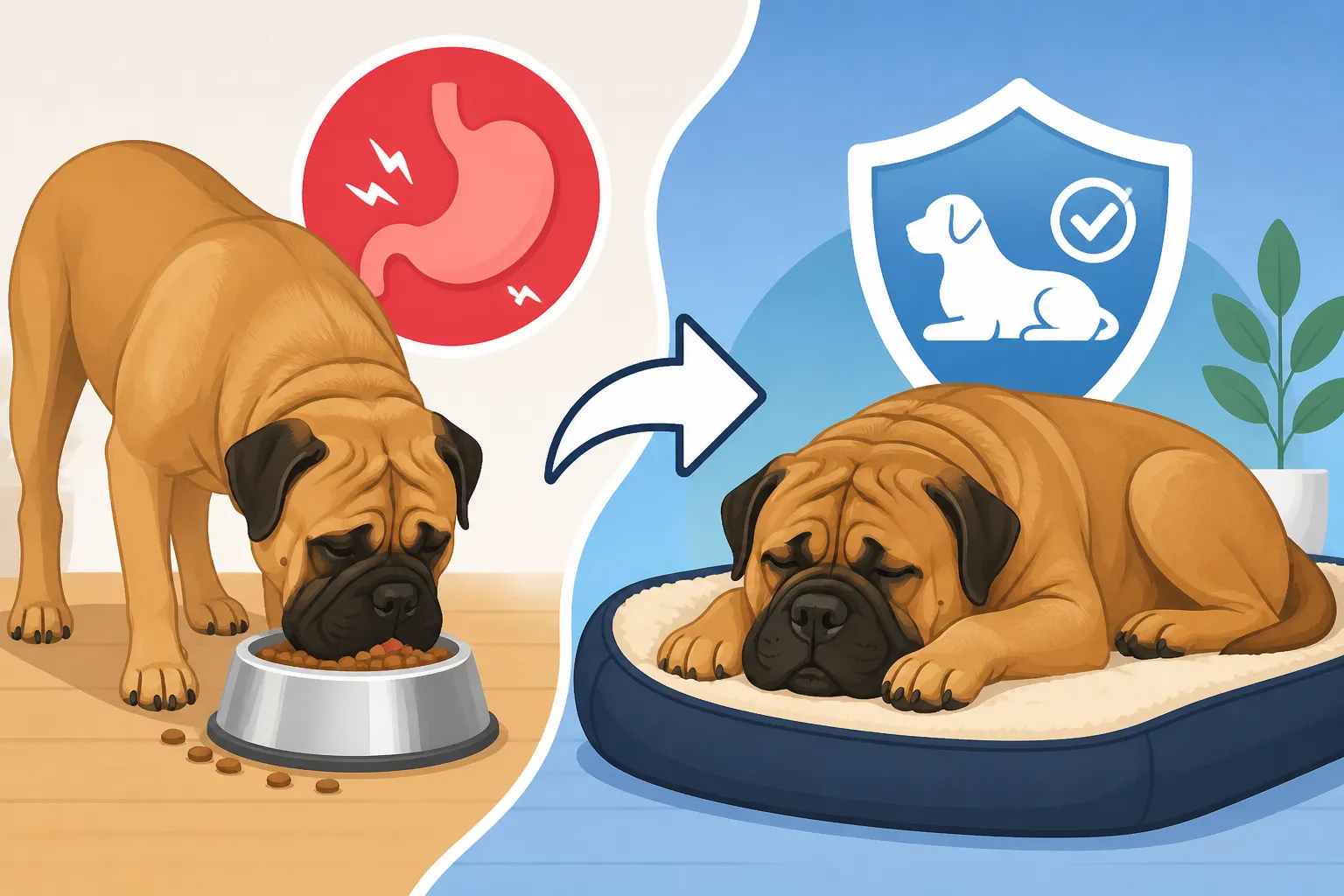
The general recommendation is to enforce a quiet resting period of at least one hour, ideally two, after your Bullmastiff finishes eating. This means no running, no jumping, no intense playtime, and no car rides that involve a lot of jostling. A gentle walk on a leash, if necessary for potty breaks, is usually fine, but avoid anything that causes them to bound or pant heavily.
Creating a Calm Feeding Environment
The prevention starts even before the food hits the bowl. Establishing a peaceful, consistent feeding routine can make a world of difference. Feed your Bullmastiff in a quiet area where they won't be disturbed by other pets, children, or household commotion. This minimizes stress and encourages them to eat at a steady pace rather than rushing.
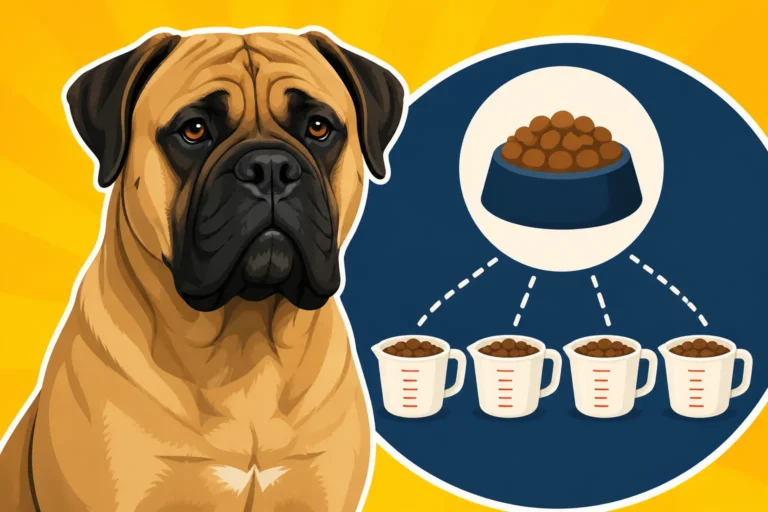
Consider feeding multiple smaller meals throughout the day rather than one large one. This reduces the amount of food in the stomach at any given time, lessening the distension. You can learn more about this in Meal Timing and Bloat in a Bullmastiff. If you have a Bullmastiff who inhales their food, a slow feeder bowl is a game-changer. These bowls, widely available on platforms like Amazon, have intricate designs that make it impossible for your dog to gulp large mouthfuls. It forces them to slow down, reducing the amount of air they swallow with their food and giving their digestive system a better chance to process the meal.
Managing Water Intake and Post-Meal Activities
While hydration is vital, especially for a Bullmastiff who might Why a Bullmastiff Overheats So Easily, immediate heavy water intake after a meal can also be a risk factor for bloat. Try to manage their water access slightly, perhaps offering smaller, controlled amounts immediately after eating, and then free access once the rest period is over.
After meals, the ideal activity is no activity. A comfortable, quiet place to nap or simply relax is best. This is where a good orthopedic bed comes in handy, allowing them to sprawl out comfortably without feeling confined or restless. Avoid any games that involve twisting, turning, or high-impact movements. This means no chasing squirrels in the yard, no energetic tug-of-war, and certainly no roughhousing with other dogs. It’s about letting their digestive system do its job without interference.
Here’s a quick overview of safe and risky activities:
| Activity | Safe (After 1-2 hour rest) | Risky (Immediately after eating) |
|---|---|---|
| Gentle leash walk | Yes (short, calm) | No (can cause jostling) |
| Napping/Relaxing on bed | Yes (ideal) | N/A (this is the goal) |
| Light obedience training | Yes (calm, low-impact) | No (can involve sudden movements) |
| Chewing on a gentle toy | Yes (if calm, non-strenuous) | No (can cause gulping/air intake) |
| Rough play with other dogs | No (even after 2 hours) | Absolutely Not |
| Running, jumping, fetch | No | Absolutely Not |
| Swimming | No | Absolutely Not (can cause gulping) |
| Car ride on bumpy roads | No | Absolutely Not |
Recognizing the Signs of Trouble and When to Act
Even with the most diligent preventative measures, bloat can still happen. As a Bullmastiff owner, recognizing the early Signs a Bullmastiff Has Bloating is paramount. Time is of the essence when it comes to GDV, and knowing what to look for can literally save your dog's life.
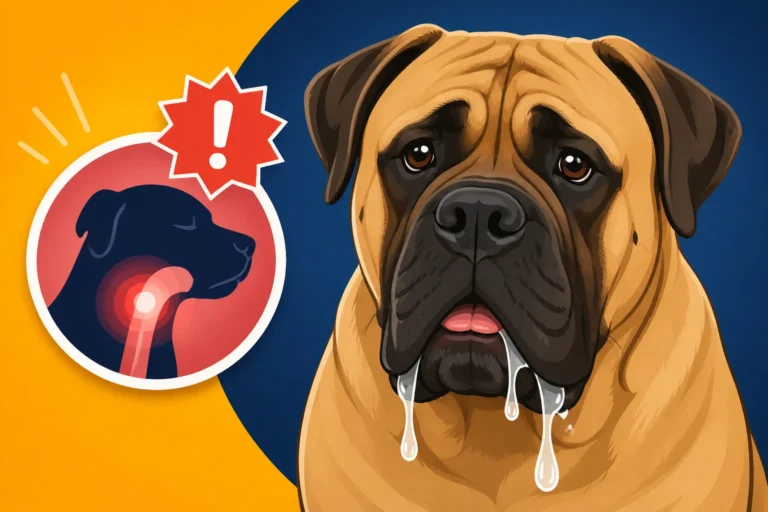
The most common signs include a distended or swollen abdomen, especially on the left side, which might feel hard or taut like a drum. Your Bullmastiff might be restless, pacing, and unable to get comfortable. They might try to vomit but only bring up foam or saliva, a classic sign known as "non-productive retching." Other symptoms can include excessive drooling, labored breathing, weakness, pale gums, and an elevated heart rate. They might whine or groan if you touch their abdomen, indicating pain.
Immediate Veterinary Care is Crucial
If you observe any of these signs, do not wait. This is not a situation where you can "watch and wait" or try home remedies. Bloat is a medical emergency that requires immediate veterinary attention. Call your vet or the nearest emergency veterinary hospital on your way to the clinic. This allows them to prepare for your arrival, saving precious minutes.
Every moment counts. The longer the stomach remains twisted, the more damage occurs to the stomach wall and surrounding organs due to compromised blood flow. This can lead to tissue death, shock, and organ failure. Don't be afraid to sound the alarm if you suspect bloat; it’s always better to be overly cautious than to regret delaying care. Your vet will perform diagnostics, likely X-rays, to confirm GDV and will immediately begin stabilizing your dog for potential emergency surgery. The cost of such an emergency is something many owners are not prepared for, which is why topics like What a Bullmastiff's Emergency Fund Should Hold are so important for responsible ownership.
Long-Term Management and Peace of Mind
For some Bullmastiff owners, especially those whose dogs are at a particularly high risk or have already experienced a bloat episode, a prophylactic gastropexy is a serious consideration. This surgical procedure permanently attaches the stomach to the abdominal wall, preventing it from twisting, though it does not prevent the stomach from filling with gas (dilatation). This can offer significant peace of mind, knowing that the most life-threatening aspect of GDV has been mitigated.
Whether you opt for surgical prevention or rely solely on diligent management, understanding the risks and implementing consistent preventative measures will ensure your Bullmastiff lives a healthier, happier life. A calm routine, careful meal management, and prompt recognition of warning signs are your best tools in the ongoing fight against bloat. Owning a Bullmastiff brings immense joy, but also significant responsibility, and their digestive health is certainly near the top of that list.
Disclaimer
This article is for general informational purposes only and does not constitute professional advice. Laws, prices and regulations vary by location and change over time. Consult a qualified professional for guidance on your specific situation.