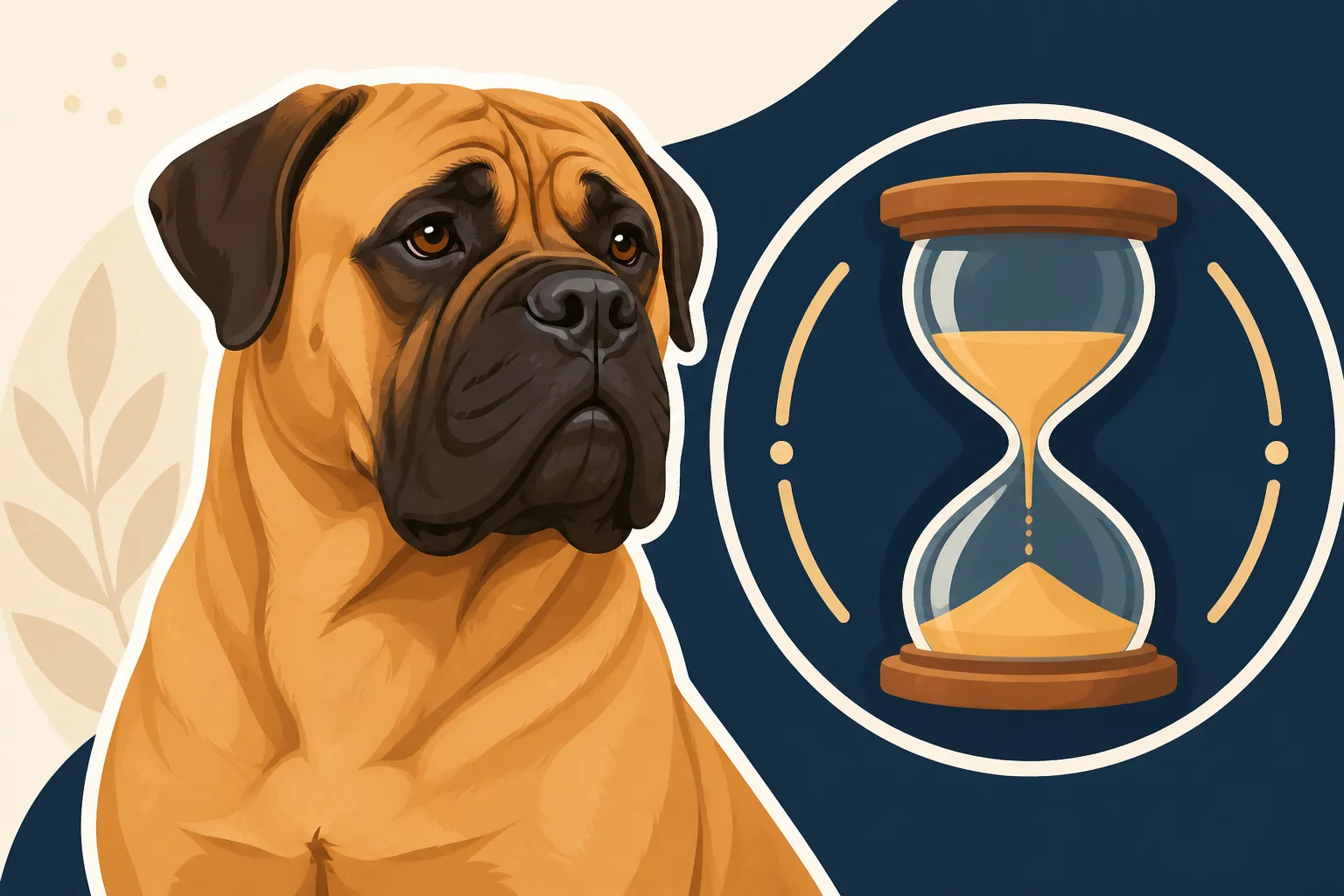
The Median Bullmastiff Lives Eight and a Half Years
It’s a heartbreaking reality for many Bullmastiff owners: the joy of welcoming such a magnificent, devoted companion into your life often comes with the knowledge that your time together might be shorter than you’d wish. The average, or median, lifespan for a Bullmastiff is typically cited as eight and a half years, a number that can feel far too brief when you’re deeply bonded with these gentle giants. This guide aims to unpack what that figure truly means, exploring the health challenges unique to the breed and offering practical, empathetic advice on how to potentially extend your beloved Bullmastiff’s healthy years and enrich every moment you share.
Understanding the Bullmastiff Lifespan
When we talk about the median lifespan of eight and a half years for a Bullmastiff, it’s not just a cold statistic. It's a reflection of the reality that while some Bullmastiffs might live longer, reaching nine, ten, or even eleven years, many unfortunately pass away sooner, sometimes as young as five or six. This average gives us a benchmark, but it doesn’t tell the full story of individual dogs or the emotional toll this takes on their families. It underscores the importance of cherishing every single day and being prepared for potential health challenges that are more prevalent in the breed.
What Does "Median" Really Mean?
The term "median" is crucial here because it’s not the same as an average. An average can be skewed by extremely long-lived or short-lived individuals. The median, however, represents the middle point – half of Bullmastiffs live longer than eight and a half years, and half live shorter. This means that if you have a Bullmastiff, there's a 50/50 chance they will live to or beyond this age. It highlights that early losses are not uncommon, and it can feel incredibly unfair when your dog falls into that shorter-lived half. This statistic often leads to a sense of urgency for owners to do everything possible to support their dog's health from day one, knowing that time is truly precious.
It also means that even with the best care, genetics play a significant role. You might do everything "right" – provide excellent nutrition, regular vet care, and a loving home – and still find your Bullmastiff departing too soon due to an aggressive cancer or sudden cardiac event. This can be incredibly frustrating and lead to feelings of guilt, but understanding the breed's inherent predispositions can help you prepare emotionally and focus on maximizing quality of life, rather than solely fixating on a number. The goal isn't just to add years, but to ensure those years are as comfortable and joyful as possible.
Comparing Bullmastiff Lifespan to Other Breeds
When you look at the wider canine world, a lifespan of eight and a half years is definitely on the shorter side. Many smaller to medium-sized breeds can easily live into their early to mid-teens, and even some larger breeds might consistently reach ten to twelve years. For example, a Golden Retriever might live 10-12 years, a Labrador Retriever 10-12 years, and some smaller terriers often reach 13-15 years. This shorter lifespan is a common characteristic of many giant breeds, including the Bullmastiff, the Mastiff, and the Great Dane.
The intense growth rate and the sheer size of these dogs put unique stresses on their bodies. Their hearts work harder, their joints bear immense weight, and they seem to age at an accelerated pace compared to their smaller counterparts. This rapid aging can manifest in a quicker onset of age-related diseases like arthritis or certain cancers. It’s important for prospective owners to be aware of this disparity and understand that owning a Bullmastiff is a commitment to a magnificent, but potentially shorter, journey. The love is just as profound, but the time is often more condensed.
Common Health Challenges Shortening Lifespan
The reason Bullmastiffs have a shorter median lifespan often comes down to specific health issues that are unfortunately prevalent in the breed. These aren't just minor ailments; they can be serious, life-limiting conditions that require diligent monitoring and often expensive medical intervention. Understanding these challenges isn't meant to cause alarm, but to empower you to be proactive in your Bullmastiff’s care.
Cancer: A Devastating Reality
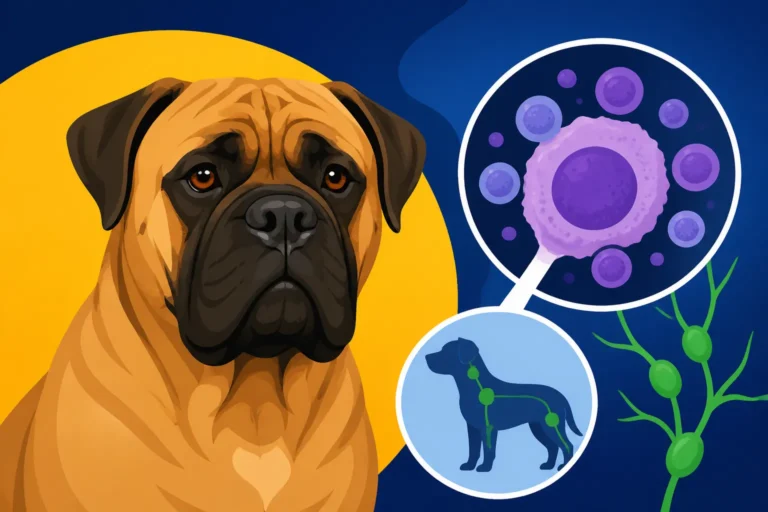
Cancer is, tragically, one of the leading causes of death in Bullmastiffs. It's a cruel reality that many owners face, and it often strikes relatively young compared to other breeds. Lymphoma is particularly aggressive and widespread in Bullmastiffs, often appearing unexpectedly and progressing rapidly. If you’re living with a Bullmastiff, you might want to look into Lymphoma Kills More Bullmastiffs Than Anything Else. We often hear stories of owners who, devastated, recount their Bullmastiff suddenly showing symptoms of illness, only to receive a lymphoma diagnosis. It’s a gut-wrenching experience, and the speed at which it can take hold is truly terrifying.
Beyond lymphoma, Bullmastiffs are also susceptible to other forms of cancer, including osteosarcoma (bone cancer), hemangiosarcoma (cancer of the blood vessel lining), and mast cell tumors. Mast cell tumors, in particular, can be tricky; they can appear as seemingly innocuous lumps on the skin, but they can be aggressive and spread quickly. For more details, consider reading Mast Cell Tumors and the Lumps on a Bullmastiff. Early detection is absolutely critical with all these cancers, which means regular physical exams by your veterinarian and vigilant monitoring of any new lumps, bumps, or changes in your dog's behavior or appetite.
Cardiac Disease: A Silent Threat
Heart conditions also pose a significant risk to the Bullmastiff lifespan. One of the most common and concerning is Subaortic Stenosis (SAS). This is a congenital condition, meaning it’s present from birth, where the outflow tract from the left ventricle of the heart (the main pumping chamber) is narrowed. This forces the heart to work harder to pump blood to the body, eventually leading to heart failure or sudden death. What makes SAS particularly insidious is that affected puppies may not show overt symptoms initially, or their symptoms might be subtle. Many owners only become aware of the issue when a cardiac murmur is detected during a routine check-up, often by a discerning vet.
Regular cardiac screenings, including echocardiograms, are vital, especially for young Bullmastiffs. This is why Subaortic Stenosis Is There Before a Bullmastiff's First Birthday emphasizes early detection. Finding a responsible breeder who screens their breeding stock for SAS is paramount, as this condition has a strong genetic component. If a Bullmastiff has been diagnosed with a cardiac condition, strict management of exercise, diet, and sometimes medication, becomes essential to try and extend their life and maintain their quality of life. The heartbreak of a seemingly healthy dog suddenly collapsing due to an undiagnosed heart issue is something no owner should ever have to endure.
Bloat: The Sudden Emergency
Gastric Dilatation and Volvulus (GDV), commonly known as bloat, is another life-threatening emergency that disproportionately affects deep-chested breeds like the Bullmastiff. This terrifying condition occurs when the stomach fills with gas and twists upon itself, cutting off blood supply and potentially leading to shock and death within hours if not treated immediately. The onset is rapid, and symptoms can include a distended abdomen, unproductive retching, restlessness, and pain. It's a horrifying experience for owners, watching their usually robust dog suddenly in such distress.
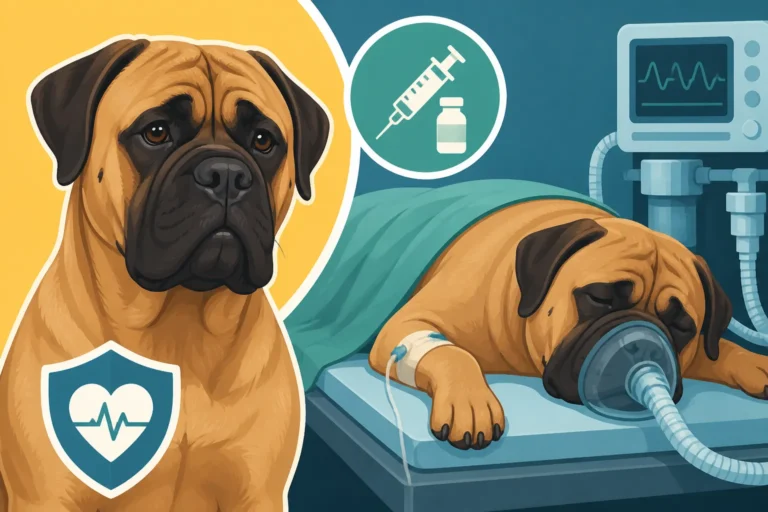
Bloat is often an emergency that strikes without warning, and immediate veterinary intervention is crucial for survival. For more information on preventative measures, consider Whether a Bullmastiff Should Have a Gastropexy. Many Bullmastiff owners opt for a prophylactic gastropexy, a surgical procedure where the stomach is tacked to the abdominal wall to prevent it from twisting. This procedure significantly reduces the risk of volvulus, although it doesn't prevent the stomach from dilating with gas. It's a conversation every Bullmastiff owner should have with their vet, weighing the risks and benefits of such a preventative measure.
The Role of Genetics and Responsible Breeding
The genetic lottery plays an enormous role in a Bullmastiff's health and, consequently, their lifespan. While individual care can certainly influence outcomes, many of the serious health issues that plague the breed have a strong hereditary component. This is why choosing a responsible breeder is not just important – it's absolutely critical for the long-term well-being of your future companion.
Why Health Screening Matters
A truly responsible Bullmastiff breeder goes above and beyond to ensure the health of their lines. This means extensive health screening of both parent dogs before breeding. For Bullmastiffs, this should include certifications from organizations like the Orthopedic Foundation for Animals (OFA) for hips and elbows to check for dysplasia, and cardiac exams by a board-certified veterinary cardiologist to screen for Subaortic Stenosis. Eye certifications from the Canine Eye Registry Foundation (CERF) or OFA Eye Certification are also important. These screenings are not cheap, nor are they guarantees, but they significantly stack the odds in favor of healthier puppies.
Breeders should be transparent and willing to show you proof of these screenings for both parents, not just tell you they were done. They should also be knowledgeable about the health history of their dogs' pedigrees, including any instances of cancer or other serious conditions in previous generations. It’s a red flag if a breeder dismisses health concerns or can't provide verifiable health clearances. Asking Which Health Tests a Bullmastiff Breeder Should Run is a good starting point for any potential owner. Remember, a puppy might seem healthy on the surface, but its genetic predisposition can lay the groundwork for future problems.
Inherited Conditions and Line Research
Understanding that conditions like lymphoma, SAS, and hip and elbow dysplasia have a strong inherited component empowers you as a prospective owner. While a genetic test for lymphoma in Bullmastiffs specifically does not currently exist, responsible breeders still try to track cancer in their lines and make informed breeding decisions. They look for longevity in the pedigrees, favoring lines where dogs have lived well into their senior years and passed away from natural causes, rather than early onset diseases. This is a difficult task, as many breeders are hesitant to openly share information about health issues in their dogs, but reputable ones understand its importance for the future of the breed.
When you're looking for a puppy, don't be afraid to ask direct questions about the health history of the parents, grandparents, and any siblings from previous litters. A good breeder will appreciate your thoroughness and be open about the challenges faced in the breed. This diligence can help you avoid some of the heartache associated with common Bullmastiff health issues down the line. It's an investment not just in the puppy, but in the potential for a longer, healthier life with your cherished companion.
Nutrition and Weight Management for Longevity
It’s often said that "you are what you eat," and the same holds true for our canine companions, especially giant breeds like the Bullmastiff. Proper nutrition and maintaining a healthy weight are not just about aesthetics; they are fundamental pillars of health that can profoundly impact a Bullmastiff’s quality of life and potentially extend their years. Given their predisposition to joint issues and certain cancers, every choice about their diet matters.
Feeding for Slow and Steady Growth
One of the most critical aspects of a Bullmastiff puppy's development is ensuring slow and steady growth. Fast growth, often fueled by diets too high in calories, protein, or calcium, can put undue stress on their rapidly developing bones and joints, increasing the risk of orthopedic problems like hip and elbow dysplasia. For detailed information on this topic, read Feeding a Bullmastiff Puppy So It Grows Slowly. This is why most veterinarians and breeders recommend feeding a high-quality large-breed puppy food designed specifically to support controlled growth. These foods have carefully balanced calcium-to-phosphorus ratios and appropriate calorie levels.
It’s tempting to want your Bullmastiff puppy to grow into that impressive adult size quickly, but rushing it can have serious long-term consequences. Resist the urge to overfeed or supplement with extra vitamins and minerals unless specifically instructed by your vet. Instead, follow the feeding guidelines on the bag for large breed puppies, and adjust based on your puppy's individual growth and energy levels, always aiming for a lean body condition. Regular weigh-ins and body condition scoring can help you stay on track, ensuring their skeleton can keep pace with their increasing mass.
The Importance of a Lean Body Condition
Once your Bullmastiff is an adult, maintaining a lean body condition becomes paramount. This isn't just about looking good; it's about reducing the strain on their joints, decreasing the risk of certain health issues, and improving overall longevity. Excess weight exacerbates conditions like hip and elbow dysplasia, puts extra stress on the heart and lungs, and can even contribute to the development of other diseases like diabetes or certain cancers. For more on this, check out Keeping a Bullmastiff Lean Is the Best Thing You Can Do. It's a tough truth, but an overweight Bullmastiff often lives a shorter, less comfortable life.
You should be able to easily feel your Bullmastiff’s ribs without seeing them, and they should have a discernible waist when viewed from above. Their tummy should tuck up slightly when viewed from the side. If you're struggling to keep weight off, consult your veterinarian for advice on a weight management plan. This might involve switching to a lower-calorie dog food, carefully portioning meals, and increasing controlled exercise. Snacks should be healthy and given in moderation. Even a few extra pounds on a large dog can make a big difference to their long-term health and mobility. Consistent effort in this area is one of the most impactful ways you can support your Bullmastiff's journey.
Exercise and Mental Stimulation for a Healthy Life
While Bullmastiffs are known for their calm demeanor indoors and aren't typically "high-energy" dogs, they still require appropriate exercise and mental stimulation to stay healthy and happy. The wrong kind of exercise, or too much too soon, can be detrimental to their massive, developing bodies, but too little can lead to obesity and boredom, which both have negative health implications. Finding the right balance is key to their physical and mental well-being.
Appropriate Exercise for a Giant Breed
Bullmastiffs are not endurance athletes, nor are they suited for intense, repetitive activities like long-distance running or jumping sports. Their large size and deep chests make them prone to joint issues and bloat. For puppies, structured, short walks on soft surfaces are ideal, avoiding hard impacts on pavement or excessive stair climbing. For adult Bullmastiffs, a couple of moderate walks a day, lasting 20-30 minutes each, are usually sufficient. They enjoy leisurely strolls and exploring their environment, but pushing them into strenuous activity can do more harm than good, particularly for their joints.
Understanding The Exercise Limit for a Bullmastiff Puppy is crucial. Puppy joints are still forming, and excessive stress can lead to lifelong problems. As adults, be mindful of weather conditions, especially heat, as Bullmastiffs overheat easily due to their short muzzles and dense coats. Always prioritize quality over quantity when it comes to exercise, focusing on controlled movements that strengthen their muscles without stressing their joints. A gentle swim in a pool or lake can be a fantastic, low-impact exercise option, provided they are supervised and safe.
Mental Engagement and Enrichment
Physical exercise is only one part of the equation; mental stimulation is equally important for a Bullmastiff's overall well-being. These intelligent dogs thrive on having "jobs" to do, even if it's just solving a puzzle toy. Boredom can lead to destructive behaviors, but it can also contribute to a general lack of engagement that can impact their health. Think about daily training sessions, even short ones, to reinforce obedience commands and teach new tricks. This strengthens your bond and keeps their minds sharp.
Puzzle feeders, snuffle mats, and scent work games are excellent ways to engage a Bullmastiff's brain and slow down meal times, which can also help with digestion and potentially reduce the risk of bloat. Even simply allowing them to sniff and explore thoroughly on walks provides valuable mental enrichment. A mentally stimulated Bullmastiff is a happier, more content dog, and a happy dog is often a healthier dog. Don't underestimate the power of engaging their minds to contribute to their overall longevity and joy.
Proactive Veterinary Care and Early Detection
When you have a breed like the Bullmastiff with known health predispositions and a shorter median lifespan, proactive veterinary care isn't just recommended; it's absolutely essential. Early detection of potential problems can make a world of difference in managing conditions, improving prognosis, and maintaining a good quality of life for as long as possible. Waiting until symptoms are severe often means the disease has progressed significantly.
Regular Wellness Exams and Screenings
Even if your Bullmastiff seems perfectly healthy, annual (or even bi-annual for seniors) wellness exams are non-negotiable. These check-ups allow your veterinarian to perform a thorough physical examination, listen to their heart and lungs, palpate their abdomen, and check their joints and lymph nodes. These routine visits are where heart murmurs might be detected, early signs of arthritis can be noticed, or suspicious lumps can be identified. For a breed with a higher cancer risk, knowing How Often a Bullmastiff Should Be Checked for Cancer is particularly relevant.
Beyond the physical exam, your vet might recommend routine blood work, including a complete blood count and chemistry panel, especially as your Bullmastiff ages. These tests can catch early signs of organ dysfunction, such as kidney or liver disease, or indicate issues like anemia or infection. Thyroid checks are also important, as hypothyroidism is another condition that can affect Bullmastiffs. Discuss with your vet a tailored screening schedule based on your dog's age, health history, and breed-specific risks.
Monitoring for Subtle Changes
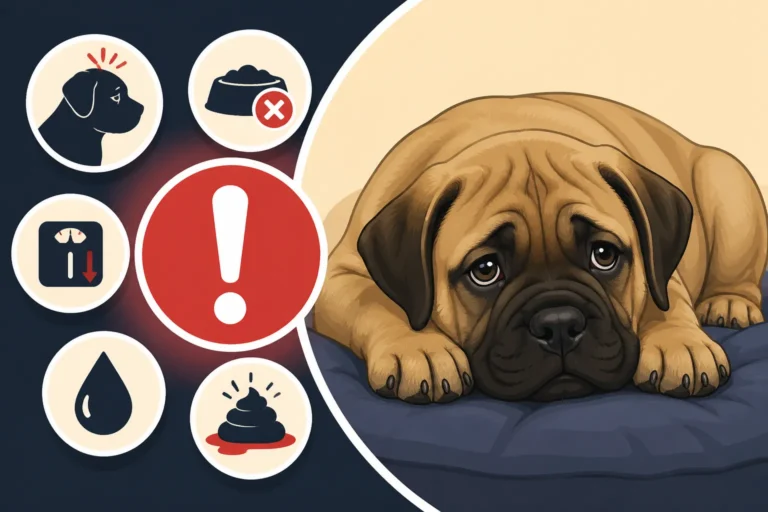
As their owner, you are your Bullmastiff's first line of defense. Bullmastiffs are stoic dogs and can be very good at hiding pain or discomfort, so it’s crucial to be vigilant and observant of subtle changes in their behavior, appetite, or physical appearance. A slight limp that comes and goes, a change in how they get up and down, a decrease in appetite, unusual thirst, a new cough, or a lump that wasn't there before – these are all reasons to contact your vet promptly. Don't dismiss these changes as "just old age" or normal behavior.
Keep a journal of any changes you notice, no matter how minor, and be prepared to discuss them thoroughly with your veterinarian. This detailed information can be invaluable in helping your vet piece together a diagnosis. Remember, with conditions like cancer and cardiac disease, time is often of the essence. Being proactive and seeking veterinary attention at the earliest sign of trouble can significantly impact the outcome and potentially buy you more precious time with your beloved Bullmastiff. Insurance, such as a plan from Healthy Paws, can be incredibly helpful for covering the costs of these crucial diagnostic tests and treatments.
| Common Bullmastiff Health Challenges | Average Age of Onset | Impact on Lifespan | Key Preventative/Monitoring Actions |
|---|---|---|---|
| Lymphoma & Other Cancers | 5-8 years | Significant reduction | Regular vet check-ups, feeling for lumps, prompt vet visits for any changes, responsible breeding. |
| Subaortic Stenosis (SAS) | Congenital (detected in puppyhood) | Significant reduction or sudden death | Puppy cardiac screening, responsible breeding (cardiologist clearance). |
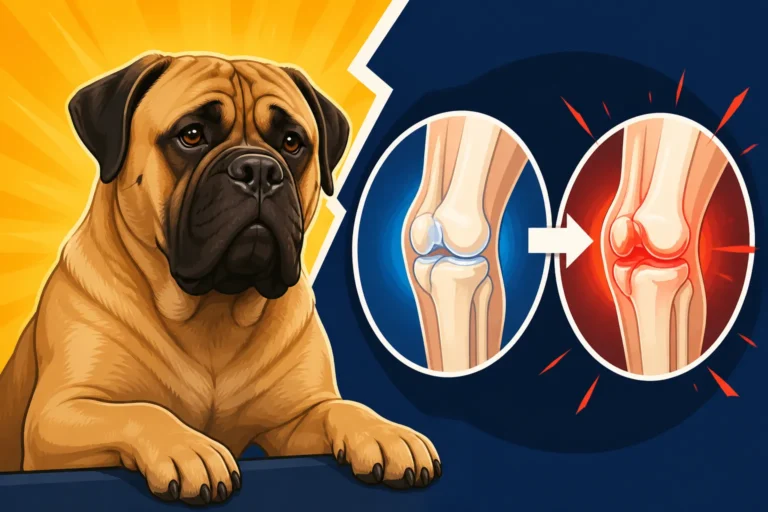
| Hip & Elbow Dysplasia | 1-3 years (symptoms) | Moderate reduction, quality of life | Responsible breeding (OFA clearances), slow growth, lean weight, appropriate exercise. |
| Gastric Dilatation & Volvulus (Bloat) | Any age (higher risk in adults) | Immediate, potentially fatal | Gastropexy surgery, feeding smaller meals, avoiding exercise after eating. |
| Hypothyroidism | 2-5 years | Moderate impact, manageable | Regular blood work, monitoring for symptoms like lethargy/weight gain. |
Caring for Your Senior Bullmastiff
As your Bullmastiff approaches and passes that eight-and-a-half-year median, they enter their senior years. This phase of life comes with its own unique set of challenges and needs, but it's also a time for deep companionship and gentle care. Understanding how to support an aging Bullmastiff can significantly improve their comfort and quality of life in their golden years, even if those years are fewer than we'd ideally want. For specific advice, consider reading Caring for a Bullmastiff Past Six.
Adjusting Care for Aging Bodies
Just like humans, aging Bullmastiffs experience a decline in physical capabilities. Their joints might become stiffer, their muscles may weaken, and their senses might not be as sharp as they once were. You might notice them struggling to rise, especially after a long nap, or having difficulty navigating stairs. Providing orthopedic bedding is crucial to support their heavy bodies and alleviate pressure on aching joints. Ramps for cars or steps can help them maintain independence and prevent injuries. Keeping their nails trimmed short is also vital to aid stability and prevent splaying.
Dietary needs often change as well. Older Bullmastiffs may need fewer calories to maintain a healthy weight due to decreased activity, or they might benefit from a senior-specific food formulated with joint support and easily digestible ingredients. Regular, gentle exercise remains important to keep their muscles strong and joints mobile, but the duration and intensity should be adjusted to their comfort level. Short, frequent walks are often better than one long one. Your vet might also recommend joint supplements, pain medication, or even alternative therapies like acupuncture or physical therapy to manage age-related arthritis.
Maintaining Quality of Life
The focus during your Bullmastiff's senior years shifts increasingly from longevity to quality of life. This means ensuring they are comfortable, pain-free, and still enjoying their favorite activities, even if those activities are modified. Continue to engage their minds with gentle puzzle toys, short training sessions, or simply quiet companionship. Many older Bullmastiffs cherish their routines and the comfort of being close to their families.
Pay close attention to any changes in their behavior that might indicate pain or discomfort, such as reluctance to move, altered sleeping patterns, or irritability. Remember, Bullmastiffs are masters at masking pain, so even subtle cues can be significant. Regular vet check-ups become even more critical to monitor chronic conditions and address new health concerns promptly. It’s also important to consider their emotional well-being; an aging dog may become more anxious or confused, requiring extra patience and reassurance. Making sure they feel safe, loved, and valued is the greatest gift you can give your senior Bullmastiff, knowing that every moment with them is precious.
Making the Most of Their Precious Years
The truth about the Bullmastiff's median lifespan can be a difficult pill to swallow. It forces us to confront the reality that our time with these magnificent dogs is often fleeting. However, rather than succumbing to sadness, this knowledge can inspire us to make the absolute most of every single day, fostering a deep bond and creating a lifetime of cherished memories. Every Bullmastiff owner hopes for their dog to reach How Long a Bullmastiff Lives on Average and beyond, and by being proactive, we can strive for that.
Cherishing Every Moment
With a Bullmastiff, every cuddle on the couch, every lumbering greeting at the door, every shared quiet moment is a gift. Embrace their unique personality, their goofy antics, their profound loyalty. Take countless photos and videos. Spend quality time together, whether it’s a gentle walk in the park, a quiet evening by your side, or a playful romp in the yard. These everyday moments are the fabric of your relationship and the memories you'll hold dear. Knowing that their time might be shorter can put into perspective the importance of being present and appreciating their unconditional love.
Focus on creating a home environment that is safe, comfortable, and full of positive experiences. This breed thrives on companionship and being an integral part of the family. Their short lives remind us not to take their presence for granted, but to actively participate in their joy and comfort. It's about living in the now with them, ensuring their happiness and well-being are always at the forefront.
The Emotional Impact on Owners
The profound bond we form with our Bullmastiffs makes their relatively short lifespans particularly impactful. The grief that comes with losing a Bullmastiff, often sooner than expected, can be overwhelming. It's a testament to the immense love and companionship they bring into our lives. Many owners feel a unique sadness, knowing from the outset that their time together will likely be curtailed compared to other breeds. This can lead to a sense of urgency to provide the best life possible, but also a quiet undercurrent of apprehension.
Allow yourself to feel the full spectrum of emotions. It’s okay to acknowledge the unfairness of their shorter years. Finding support through online communities or local dog groups can be invaluable when facing the challenges of Bullmastiff ownership and eventual loss. Remember that the quality of the love and care you provide far outweighs the quantity of years. You are giving your Bullmastiff the best life they could possibly have, and that is a legacy of love that will endure far beyond the years you share. This is where companies like Healthy Paws can also offer support, not just financially, but in allowing owners to focus on care rather than cost during difficult times.
Disclaimer
The information provided in this article is for general informational purposes only and does not constitute veterinary advice. Always consult with a qualified veterinarian for any health concerns or before making any decisions related to your Bullmastiff's care, diet, or treatment. Every dog is an individual, and specific recommendations should come from a professional who has examined your pet.