How Hypothyroidism Presents in a Bullmastiff
It’s a tough pill to swallow, but Bullmastiffs, those gentle giants we adore, are unfortunately prone to a whole host of health issues that can sneak up on you. One of the trickiest to spot, often manifesting with vague symptoms that many owners brush off as "just getting older" or "being lazy," is hypothyroidism. This condition, where your dog’s thyroid gland isn’t producing enough vital hormones, can slowly yet significantly impact their quality of life, leading to a long list of confusing problems if not caught early. This guide is here to shed light on how hypothyroidism actually presents in a Bullmastiff, helping you recognize the subtle, and not-so-subtle, signs so you can advocate for your beloved companion.
The Silent Struggle of Hypothyroidism in Bullmastiffs
When we talk about hypothyroidism, we're really talking about a slowdown in a Bullmastiff's entire system. It's not a dramatic collapse but a gradual, insidious decline that often leaves owners scratching their heads, wondering why their once vibrant dog is suddenly acting… different. This condition is far more common in larger breeds like Bullmastiffs, and understanding its underlying mechanism is the first step in recognizing it.
The Thyroid Gland and Its Vital Role
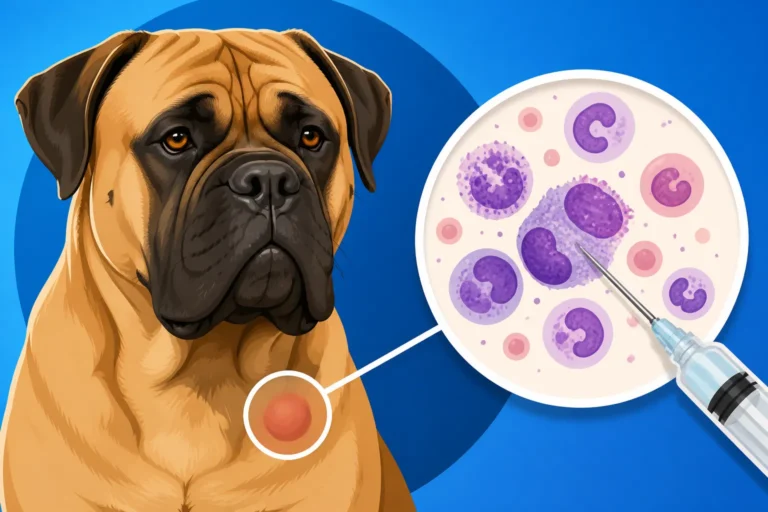
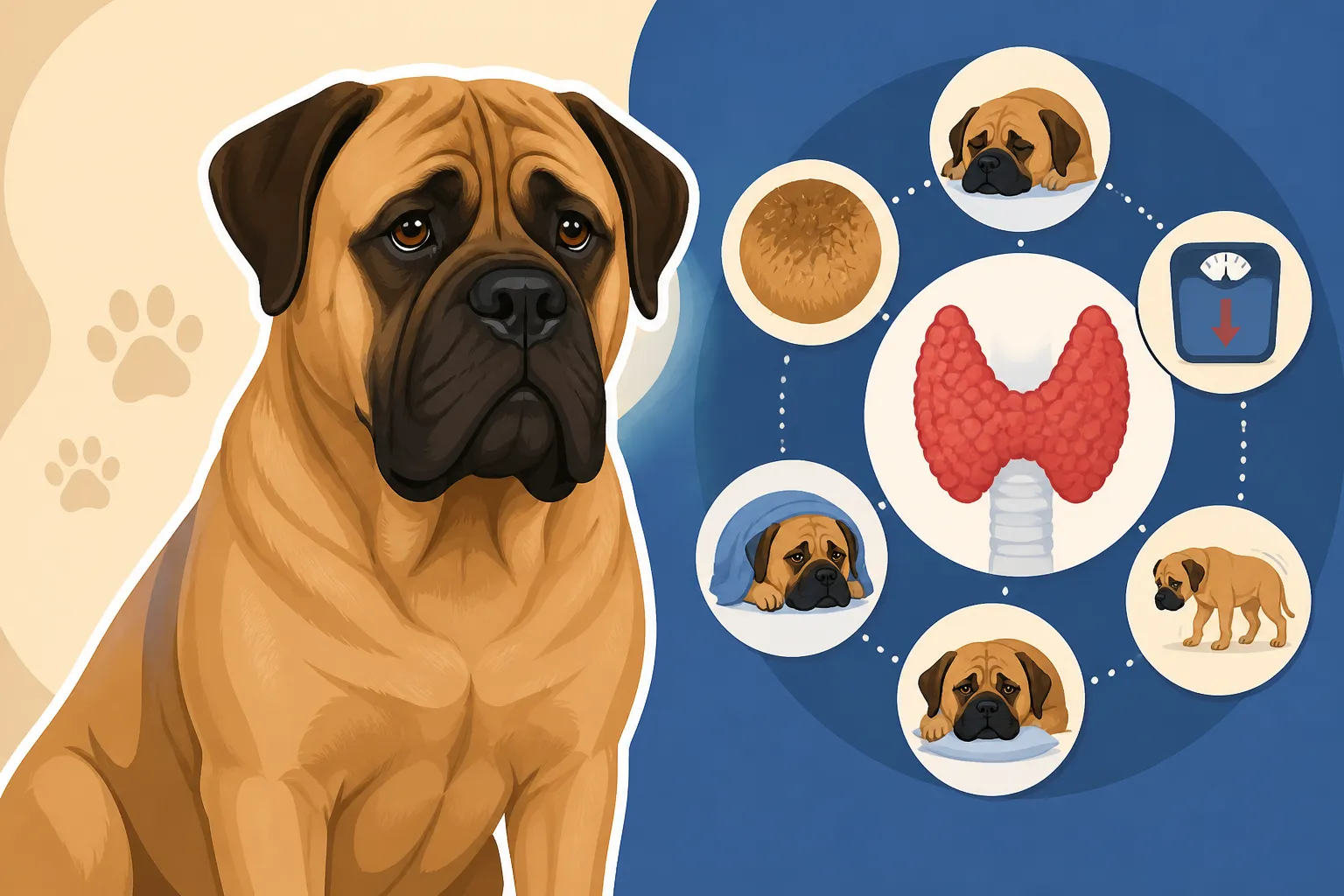
Deep within your Bullmastiff's neck, near their voice box, sit two small, butterfly-shaped glands: the thyroid. These seemingly inconspicuous organs are powerhouse producers of hormones, primarily thyroxine (T4) and triiodothyronine (T3). These hormones are like the conductors of an orchestra, directing almost every metabolic process in the body. They regulate energy production, maintain body temperature, influence skin and coat health, impact heart function, and even play a role in brain activity. When the thyroid gland decides to take an unscheduled vacation and stops producing enough of these critical hormones, the entire body begins to operate in slow motion. Think of it like a computer running on dial-up internet in an era of fiber optics – everything just lags.
Why Bullmastiffs Are More Prone to Thyroid Issues
It’s disheartening to hear, but some breeds just draw the short straw when it comes to genetic predispositions, and Bullmastiffs are unfortunately among them for hypothyroidism. While any dog can develop a thyroid problem, certain breeds, including our big, loving Bullmastiffs, are statistically more likely to develop what’s called primary hypothyroidism. This form typically results from an autoimmune disease where the dog's own immune system mistakenly attacks and destroys the thyroid gland (lymphocytic thyroiditis), or from idiopathic atrophy, where the gland simply shrivels up for no apparent reason.
Genetics are a strong component here, meaning if your Bullmastiff comes from lines with a history of hypothyroidism, their risk significantly increases. It’s why responsible breeders are so vital, even though thyroid issues can sometimes skip generations or manifest later in life. This breed's specific genetic makeup seems to make them more susceptible to these immune-mediated attacks, making regular monitoring even more crucial as they age.
The Unique Impact on a Large Breed's System
You might wonder if low thyroid hormones affect a Bullmastiff differently than a smaller dog, and the answer is a resounding yes, though the core symptoms are similar. Because Bullmastiffs are such massive animals, any systemic slowdown is magnified. Their large organs have more tissue to supply, and their substantial muscle mass requires more energy to move. A small drop in metabolic rate might be subtle in a Chihuahua, but in a 120-pound Bullmastiff, it can lead to noticeable lethargy, difficulty with mobility, and rapid weight gain simply because their massive body is struggling to burn calories efficiently.
Furthermore, the sheer size of a Bullmastiff means that many symptoms, like generalized weakness or joint pain, can easily be attributed to age or their substantial weight, masking the true underlying cause for a longer period. This is why paying close attention to nuanced changes in a large breed like the Bullmastiff is paramount, as their size can both contribute to the severity of symptoms and make them harder to differentiate from other common large-breed ailments.
Subtle Signs You Might Overlook
One of the frustrating aspects of hypothyroidism is that its onset is typically so gradual that you might not even realize anything is truly wrong until the symptoms become quite pronounced. It often starts with very subtle shifts that are easy to rationalize away, especially in a breed known for its calm and often lazy demeanor indoors.
Changes in Activity Level: From Guardian to Couch Potato
Your Bullmastiff might have always enjoyed a good snooze, but with hypothyroidism, that love of lounging can turn into an almost constant state of lethargy. You might notice they're less enthusiastic about their morning walk or that their playtime in the yard is significantly shorter. They might lag behind on walks or seem winded much more easily than before. Instead of greeting you at the door with a wagging tail and a happy grunt, they might just lift their head or slowly rise.
It’s easy to dismiss these changes. "Oh, he's just getting older," or "The weather's too hot," are common refrains. But if your Bullmastiff, who once loved a good sniff-a-thon around the block, now actively tries to cut it short or refuses to engage in games they once adored, it's a red flag. This isn't just a desire for more naps; it's a genuine decrease in energy due to a slowed metabolism, making even simple movements feel like a monumental effort. They're often too tired to even fake interest, and this persistent, inexplicable fatigue is a hallmark sign. You can read more about what changes to expect in their later years in our guide, The Age a Bullmastiff Is Considered Senior.
Increased Cold Intolerance: Seeking the Warmest Spot
Has your Bullmastiff started to seek out sunbeams with an almost obsessive dedication, or burrow deeper into blankets even when the house isn't particularly cold? This heightened sensitivity to cold is a classic, yet often overlooked, sign of hypothyroidism. Because the thyroid hormones regulate body temperature, a deficiency means their internal thermostat isn't working effectively, making them feel perpetually chilly.
You might see them shivering more often than usual, especially after being outside for a short period, or find them reluctant to go out in cooler weather. They might cuddle up against you more frequently, not just for affection, but genuinely seeking your body warmth. In the winter months, this symptom might be even more pronounced, as they struggle to maintain their core temperature. This isn't just a preference for warmth; it's a physiological response to an internal chill they can't shake.
Weight Gain Without Overeating: The Frustrating Puzzle
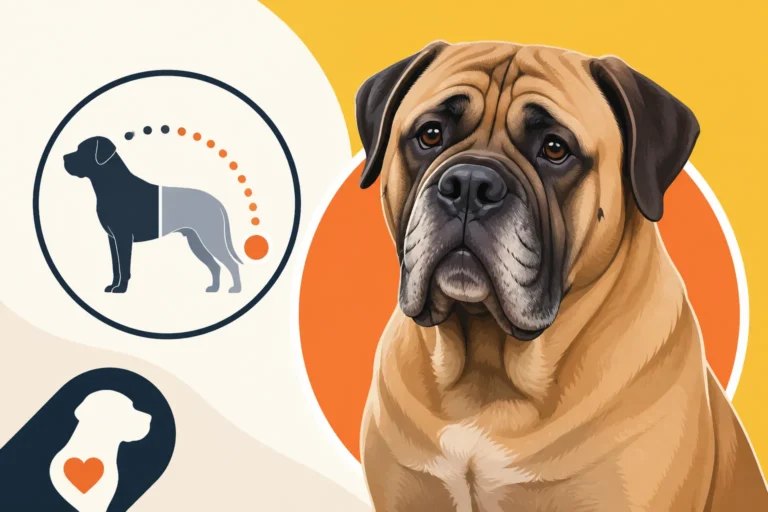
This is perhaps one of the most maddening symptoms for many Bullmastiff owners. You're meticulously measuring their food, perhaps even cutting back a little, and yet your Bullmastiff is still packing on the pounds. This is a classic symptom of a sluggish metabolism caused by insufficient thyroid hormones. Their body isn't efficiently burning calories, storing more as fat instead.
This weight gain is particularly concerning in a breed already prone to joint issues due to their size, like Hip Dysplasia in a Bullmastiff. Extra weight puts immense strain on their hips, elbows, and other joints, exacerbating any existing orthopedic problems and creating new ones. It’s a vicious cycle where lethargy leads to weight gain, and weight gain further contributes to lethargy and discomfort. If you've been consistent with diet and exercise but the scale keeps creeping up, or you can no longer easily feel their ribs, it's a strong indicator that something internal is amiss. Understanding Why a Hypothyroid Bullmastiff Gains Weight can help you identify this critical sign.
Physical Changes to Watch For
Beyond the subtle shifts in behavior and energy, hypothyroidism leaves its mark on a Bullmastiff’s physical appearance. These changes can often be mistaken for common age-related issues or seasonal shedding, but a keen eye can distinguish them as something more.
Coat and Skin Issues: Dullness, Thinning, and "Rat Tail"
A Bullmastiff's coat should generally be short, dense, and relatively smooth. With hypothyroidism, you'll start to notice a significant decline in coat quality. The hair might become dry, brittle, and dull, losing its healthy sheen. They might shed excessively, or conversely, their coat might thin out in symmetrical patterns, particularly over their flanks, thighs, and along the bridge of their nose. A classic, though not always present, sign is the "rat tail" – a condition where the fur on the tail becomes sparse, leaving it looking thin and almost bald.
The skin beneath the coat will also tell a story. It might become dry, flaky, and sometimes greasy, leading to a condition called seborrhea. You might notice areas of hyperpigmentation, where the skin darkens, often to a muddy grey or black color. This isn't just cosmetic; it signals a disruption in normal skin cell turnover and oil production, making their skin less resilient and more prone to other issues. If you notice a change in your Bullmastiff's coat that isn't explained by regular shedding cycles, or if their skin feels unusually dry or oily, it's time to investigate further.
Recurrent Skin Infections and Allergies
Because hypothyroidism compromises the immune system and alters skin health, Bullmastiffs with this condition often experience recurrent skin infections. These can manifest as bacterial pyoderma (pus-filled sores), fungal infections, or chronic itching that leads to hot spots. You might find yourself constantly battling skin flare-ups, taking antibiotics, only for the problem to return a few weeks later once the medication stops.
Similarly, chronic ear infections are a common companion to hypothyroidism. The skin lining the ear canal becomes unhealthy, creating a perfect breeding ground for yeast and bacteria. If your Bullmastiff is suddenly experiencing repeated episodes of scratching their ears, head shaking, or has foul-smelling discharge, and your vet can't pinpoint a clear external cause, thyroid dysfunction should be on the list of possibilities. These persistent health challenges can be incredibly frustrating for owners and uncomfortable for the dog, indicating that the body's natural defenses are not working as they should. You can learn more about how these issues affect your dog in Skin Allergies in a Bullmastiff and Ear Infections in a Bullmastiff.
Facial Expression and the "Tragic Look"
This is one of those subtle, almost intangible signs that experienced Bullmastiff owners or veterinarians might pick up on. A hypothyroid Bullmastiff can sometimes develop a somewhat "tragic" or "sad" facial expression. This isn't due to emotional sadness, but rather a physical manifestation of the disease. The skin on their face might appear thickened, puffy, or slightly swollen, particularly around the eyes and cheeks. This is caused by the accumulation of a specific type of fluid and mucin in the skin (a condition called myxedema) due to the slowed metabolism.
Their eyes might also appear duller, perhaps a bit sunken or, conversely, slightly protruded if there's swelling around them. The overall impression is one of lethargy and a lack of crispness in their facial features, almost as if their face is permanently tired. While it's subjective, if your Bullmastiff's expression seems to have lost its characteristic alertness and instead conveys a constant weariness, it's a sign worth considering in conjunction with other symptoms.
Behavioral and Energy Shifts
Beyond physical changes, hypothyroidism profoundly impacts a Bullmastiff's internal state, leading to noticeable shifts in their energy levels and even their personality. These aren't just minor quirks; they're signs that their brain and body aren't getting the metabolic support they need.
Persistent Lethargy and Weakness
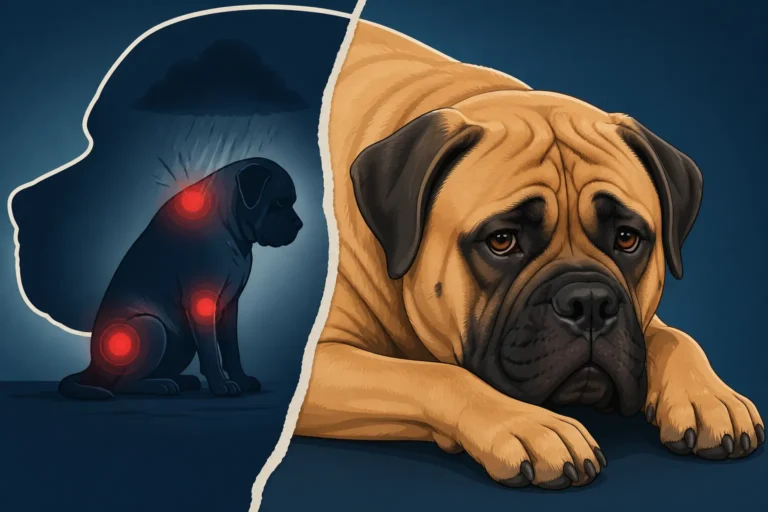
We've touched on changes in activity, but it bears repeating that profound lethargy and generalized weakness are core indicators. This isn't just about sleeping more; it’s about a deep-seated lack of vitality. Your Bullmastiff might be slow to rise from a lying position, struggle with stairs, or simply seem to have lost their characteristic "oomph." They might tremble slightly after exertion or appear less steady on their feet.
For a massive breed like the Bullmastiff, whose weight already puts strain on their joints, this weakness can make daily activities incredibly difficult. You might find them needing more help to get into the car or opting to stay put rather than follow you from room to room. It's a debilitating fatigue that impacts every aspect of their physical interaction with the world. This persistent lack of energy can be particularly alarming, especially if they are not yet considered a senior dog. Our guide on Caring for a Bullmastiff Past Six might offer additional insights into age-related changes versus illness.
Mental Dullness or Personality Changes
Hypothyroidism isn't just a physical disease; it can affect the brain too. Owners often report that their Bullmastiff seems "off" mentally. They might appear less alert, slower to respond to commands, or less interactive with family members. Some describe it as their dog being "spaced out" or having a duller gaze. This isn't laziness or stubbornness; it's a cognitive slowdown caused by inadequate thyroid hormone levels impacting brain function.
While rare, some dogs can even exhibit aggression, fearfulness, or other uncharacteristic behavioral issues as a result of profound hypothyroidism. More commonly, however, it's a general blunting of their personality. The spark seems to dim. They might show less interest in training or puzzle toys, things that once stimulated them. If your Bullmastiff, known for their deliberate but intelligent nature, suddenly seems to be struggling with basic comprehension or has simply lost their zest for mental engagement, it could be a sign that their thyroid is underperforming.
Reproductive Issues and Delayed Puberty
For intact Bullmastiffs, particularly those still within breeding age, hypothyroidism can manifest as significant reproductive problems. Females might experience irregular heat cycles, infertility, or have difficulty maintaining a pregnancy. Males can exhibit decreased libido or semen quality. In younger dogs, delayed puberty or persistent puppy coats can also be subtle indicators of an underactive thyroid.
While most pet Bullmastiffs are spayed or neutered and these specific symptoms might not be directly observed, they are a powerful reminder of how pervasive thyroid hormones are in regulating overall body function, including the complex hormonal systems responsible for reproduction. If you are considering breeding your Bullmastiff, thyroid testing is an essential part of the health screening process precisely because of these potential impacts.
When to Suspect Hypothyroidism and See the Vet
If you've noticed a cluster of these signs in your Bullmastiff, it's absolutely time to schedule a veterinary visit. Don't wait for all the symptoms to appear; early detection and treatment can make a world of difference in their quality of life.
Initial Veterinary Examination and History
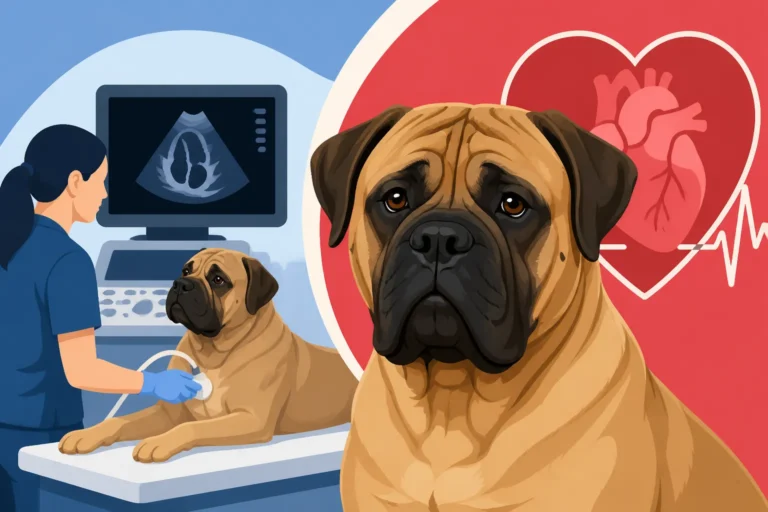
When you take your Bullmastiff to the vet, be prepared to give a thorough history. Write down all the symptoms you've observed, even the ones that seem minor or unrelated. Detail when they started, how they've progressed, and any changes in diet, exercise, or routine. Your vet will perform a comprehensive physical examination, paying close attention to their weight, coat quality, skin condition, heart rate, and overall demeanor. They’ll feel for any lumps or bumps, check their temperature, and listen to their heart and lungs.
During this exam, the vet will be looking for common indicators like a low heart rate (bradycardia), changes in their skin and coat, or a generalized dullness. They might even feel the thyroid gland itself, though it's usually not palpable unless enlarged for other reasons. This initial assessment, combined with your detailed observations, will guide the diagnostic process. Regular wellness exams are crucial for catching these subtle changes, and you can learn more about their importance in How Often a Bullmastiff Needs a Wellness Exam.
Diagnostic Blood Tests: T4, TSH, and Beyond
The definitive diagnosis of hypothyroidism relies on blood tests. The primary tests include:
- Total T4 (TT4): This measures the total amount of thyroxine circulating in the blood. A low TT4 is suggestive of hypothyroidism. However, TT4 can be influenced by other illnesses ("sick euthyroid syndrome") or certain medications, so it's rarely used alone for diagnosis.
- Free T4 (fT4): This measures the unbound, biologically active form of thyroxine. It's less affected by non-thyroidal illnesses and medications, making it a more reliable indicator, especially when TT4 results are ambiguous.
- Thyroid-Stimulating Hormone (TSH): Produced by the pituitary gland, TSH tells the thyroid to produce more hormones. In a truly hypothyroid dog, the pituitary tries to compensate for the failing thyroid by cranking out more TSH, so a high TSH level combined with a low T4 is a strong indicator of primary hypothyroidism.
Often, vets will run a full thyroid panel that includes these and sometimes autoantibodies (TgAA) to confirm an autoimmune cause. It’s also wise to pair these with a complete blood count (CBC) and a chemistry panel to rule out other underlying issues and assess overall health. This comprehensive approach helps differentiate true hypothyroidism from other conditions that might mimic its symptoms. To ensure your Bullmastiff's health is being monitored, it's often recommended that a Bullmastiff needs bloodwork yearly, especially as they get older.
Hypothyroidism Diagnostic Markers in Bullmastiffs
| Test | What it Measures | Expected Result in Hypothyroidism | Notes |
|---|---|---|---|
| Total T4 | Total thyroxine hormone | Low | Can be influenced by other illnesses/meds. |
| Free T4 | Biologically active thyroxine | Low | More reliable, less affected by non-thyroidal factors. |
| TSH | Thyroid-Stimulating Hormone | High | Pituitary works harder to stimulate failing thyroid. |
| TgAA | Thyroglobulin Autoantibodies | Positive (often) | Indicates autoimmune thyroiditis, the most common cause. |
Ruling Out Other Conditions and Why It Matters
Because many symptoms of hypothyroidism are non-specific—lethargy, weight gain, coat changes—it’s crucial for your vet to rule out other conditions. For example, joint pain from Elbow Dysplasia in a Bullmastiff can cause a reduction in activity, or poor nutrition might lead to a dull coat. Your vet might suggest further diagnostics, such as an ultrasound of the abdomen or additional blood tests, to ensure there isn't another primary illness at play.
This thorough investigative process is essential to avoid misdiagnosis and ensure your Bullmastiff receives the correct treatment. Jumping to conclusions without a full workup could mean overlooking a different, potentially more serious, health problem. A reputable veterinary clinic, especially one equipped with diagnostic tools, will always advocate for a comprehensive approach to get to the root cause of your Bullmastiff's symptoms. This thoroughness also helps with insurance claims from providers like Healthy Paws, as a clear diagnosis and supporting evidence are vital for coverage.
Managing Hypothyroidism: A Lifelong Commitment
Once a diagnosis of hypothyroidism is confirmed, it's usually very treatable, but it requires a lifelong commitment to medication and regular monitoring. The good news is that most Bullmastiffs respond incredibly well to treatment, often showing remarkable improvement in just a few weeks.
Lifelong Medication: The Daily Pill
The cornerstone of hypothyroidism treatment is daily oral medication, typically a synthetic form of levothyroxine sodium (L-thyroxine). This medication replaces the hormones your Bullmastiff's thyroid gland is no longer producing. It's usually given once or twice a day, and consistency is key. Missing doses or giving it irregularly can lead to a rollercoaster of hormone levels, negating the benefits.
It might seem daunting to commit to daily medication, but for most Bullmastiffs, the pills are small and well-tolerated, often easily hidden in a treat or a dollop of peanut butter. Your vet will prescribe a precise dosage based on your Bullmastiff's weight and the severity of their condition. It's a relatively inexpensive medication compared to many other chronic canine illnesses, especially considering the dramatic improvement it brings. For insights into managing medications as your dog ages, our article on What an Aging Bullmastiff's Medication Costs might be helpful.
Monitoring and Dosage Adjustments
Treatment isn't a "set it and forget it" situation. After starting medication, your Bullmastiff will need follow-up blood tests, usually within 4-8 weeks, to assess how well their body is absorbing and utilizing the synthetic hormones. These tests are often performed a few hours after their morning pill to get an accurate reading of peak hormone levels. Based on these results, your vet will adjust the dosage until your Bullmastiff's thyroid levels are consistently within the normal range.
Once stabilized, monitoring usually becomes less frequent, perhaps every 6-12 months. However, if your Bullmastiff experiences any changes in symptoms, or if new health issues arise, your vet might recommend additional testing. This ongoing monitoring ensures that the dosage remains appropriate throughout their life, especially as they age or if their weight fluctuates. This is why many owners opt for pet insurance, such as a plan from Healthy Paws, to help cover the costs of these routine but necessary blood tests and medication refills. You can find more details on why this ongoing testing is important in our guide, When a Bullmastiff's Thyroid Should Be Tested.
Prognosis and Quality of Life with Treatment
The prognosis for Bullmastiffs with hypothyroidism is excellent, provided they receive consistent and appropriate treatment. Most dogs experience a significant improvement in their energy levels, coat quality, skin health, and overall well-being within a few weeks to a couple of months of starting medication. Their personality often rebounds, they become more active, and many of the frustrating skin issues resolve.
While hypothyroidism is a lifelong condition, it does not typically shorten a Bullmastiff's lifespan if managed correctly. With daily medication and regular veterinary check-ups, your Bullmastiff can live a full, happy, and active life. The key is vigilance in recognizing the signs, prompt diagnosis, and a commitment to their ongoing care. Witnessing the transformation from a dull, lethargic dog to a vibrant, happy companion makes the commitment entirely worthwhile.
Disclaimer
This article is intended for informational purposes only and does not constitute veterinary advice. Always consult with a qualified veterinarian for any health concerns or before making any decisions about your Bullmastiff's medical care.