Whether a Bullmastiff Needs Joint Medication Early
It's a common worry among Bullmastiff owners, isn't it? You look at their impressive size and the way they bound around, and a little voice in the back of your head whispers about their joints. Given their predisposition to certain orthopedic challenges, many of us wonder if we should be giving them joint medication long before they show any signs of stiffness or pain. This guide will walk you through the nuances of early joint supplementation for your Bullmastiff, helping you understand when and if it’s truly beneficial, and what other proactive steps you can take.
Understanding Your Bullmastiff's Joint Vulnerabilities
Owning a Bullmastiff is a joy, but it also comes with the responsibility of understanding their unique physical needs, especially concerning their skeletal system. These magnificent giants are prone to certain orthopedic conditions that can significantly impact their quality of life, often starting earlier than we'd like to admit.
The Heavy Burden: Hip and Elbow Dysplasia
One of the most significant concerns for Bullmastiff owners is hip and elbow dysplasia. These conditions are developmental, meaning they begin as the dog grows, rather than appearing suddenly in old age. In hip dysplasia, the ball and socket joint of the hip doesn't fit together correctly, leading to abnormal wear and tear. Over time, this causes painful arthritis. Similarly, elbow dysplasia encompasses several developmental abnormalities in the elbow joint, all leading to lameness and discomfort. The sheer weight of a Bullmastiff—often exceeding 100 pounds—puts immense strain on these poorly formed joints, accelerating the degenerative process.
It's heartbreaking to see a young Bullmastiff start to show signs of discomfort, especially when you know it's a condition they've likely been carrying since puppyhood. Reputable breeders will always screen their breeding stock for these conditions, offering some peace of mind, but even with careful breeding, the risk can never be entirely eliminated. Understanding these genetic predispositions is the first step in considering any early intervention. For more detailed information on specific joint issues, you can explore topics like Hip Dysplasia in a Bullmastiff or Elbow Dysplasia in a Bullmastiff.
Other Orthopedic Challenges
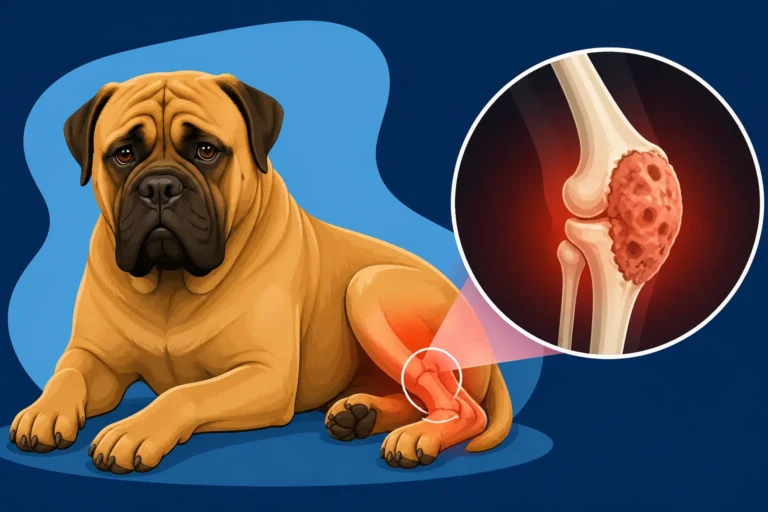
Beyond dysplasia, Bullmastiffs can also be susceptible to other joint-related issues, such as cruciate ligament tears. The cranial cruciate ligament (CCL) in a dog's knee is analogous to the ACL in humans. A tear can happen suddenly, often during vigorous play or an awkward movement, or it can be a slow degeneration over time. Again, the breed's size and weight play a crucial role here, as the larger forces exerted on the knee make these ligaments more vulnerable to injury. Recovery from a cruciate tear often involves complex and costly surgery, highlighting the importance of preventative care where possible.
Furthermore, while true arthritis is often associated with old age, the underlying conditions like dysplasia or past injuries can lead to premature onset of arthritis in a Bullmastiff. This isn't just a condition of stiffness; it's a painful inflammation of the joints that can severely limit a dog's mobility and happiness. This cumulative wear and tear is why many owners start thinking about joint support long before their dog is considered a senior, perhaps around the time they reach their full adult weight and beyond.
Deciphering Joint Supplements: What's Out There?
When you start looking into joint support for your Bullmastiff, you'll quickly discover a vast and sometimes overwhelming array of products. It can feel like navigating a jungle, trying to figure out which ingredients are genuinely helpful and which are just marketing hype.
Glucosamine and Chondroitin: The Common Duo
Glucosamine and chondroitin are by far the most popular and widely recognized joint supplements. Glucosamine is an amino sugar believed to help in the formation and repair of cartilage, the protective tissue that cushions joints. Chondroitin sulfate, on the other hand, is a complex carbohydrate that helps maintain the elasticity and water retention of cartilage, potentially preventing further breakdown. The idea behind giving these early is to provide the building blocks for healthy cartilage, supporting joint integrity before significant damage occurs.
However, the scientific community has differing opinions on their efficacy, especially in healthy dogs. While many anecdotal reports from owners suggest benefits, and some studies show positive effects in dogs already suffering from arthritis, evidence for preventative benefits in young, healthy dogs is less robust. The key is quality: not all supplements are created equal. Look for products from reputable brands that adhere to strict manufacturing standards and ideally carry certifications from organizations like the National Animal Supplement Council (NASC). Your veterinarian can offer guidance on specific brands and dosages, which is crucial given the size of a Bullmastiff.
Omega-3 Fatty Acids: More Than Just a Shiny Coat
Omega-3 fatty acids, particularly EPA (eicosapentaenoic acid) and DHA (docosahexaenoic acid), which are found in fish oil, are another excellent addition to a joint health regimen. Unlike glucosamine and chondroitin, which focus on cartilage building, omega-3s primarily act as powerful anti-inflammatory agents. Inflammation is a major component of joint pain and degradation, so reducing it can make a significant difference.
Incorporating a high-quality fish oil supplement can benefit your Bullmastiff even if they don't have diagnosed joint problems. They contribute to overall health, including skin, coat, and cognitive function, in addition to their anti-inflammatory effects. When choosing a supplement, ensure it's specifically formulated for pets and provides adequate levels of EPA and DHA. Look for purified oils to avoid contaminants like mercury. Brands like Nordic Naturals or Zesty Paws are often recommended, but always consult your vet about the right dosage for your specific dog.
Other Emerging Supplements
Beyond the mainstays, you might encounter other supplements like MSM (Methylsulfonylmethane), hyaluronic acid, or turmeric. MSM is often included in joint formulas due to its potential anti-inflammatory and pain-relieving properties, and it's thought to support connective tissue health. Hyaluronic acid is a component of synovial fluid, which lubricates joints, and some believe oral supplementation can enhance this natural lubrication. Turmeric, specifically its active compound curcumin, is a natural anti-inflammatory that has gained popularity in both human and animal wellness, but its bioavailability and proper dosage for dogs need careful consideration.
While these ingredients show promise, remember that supplements are not regulated with the same rigor as pharmaceuticals. Their effectiveness can vary widely, and what works for one dog might not work for another. It's easy to get swept up in the latest trends, but the most important thing is to have an open and honest conversation with your veterinarian. They can help you determine if any of these additional supplements might be beneficial for your particular Bullmastiff's needs and current health status.
When to Consider Early Joint Support for Your Bullmastiff
The question of when to start joint medication is perhaps the most challenging for Bullmastiff owners. It's not as simple as waiting for signs of pain; often, by the time noticeable symptoms appear, significant joint damage may have already occurred. This leads many to consider a proactive approach.
The Argument for Proactive Supplementation
Many experts and owners advocate for starting joint supplements early, often around one year of age, or even earlier during puppyhood if a genetic predisposition (like a parent with severe dysplasia) is known. The rationale is to provide nutritional support for cartilage and joint fluid before the wear and tear of a large dog's life begins to take its toll. Think of it like investing in good tires for your car before you hit the potholes—you're trying to minimize damage and extend their life.
For a Bullmastiff, who carries so much weight and whose growth plates close later than smaller breeds, the period of rapid growth and early adulthood is critical. Ensuring optimal joint health during these formative years can potentially mitigate the severity of conditions like Hip Dysplasia in a Bullmastiff or Elbow Dysplasia in a Bullmastiff. This proactive approach isn't about curing anything, but about potentially slowing down degenerative processes and supporting overall joint resilience, helping them reach their senior years more comfortably. However, it's a decision that should always be made in consultation with your vet.
The Crucial Role of Your Veterinarian
There is no one-size-fits-all answer for early joint medication. Your veterinarian is your best partner in making this decision for your Bullmastiff. They will consider several factors:
- Genetics and Pedigree: Do you know the orthopedic history of your dog's parents and grandparents? This can be a strong indicator of inherited predispositions.
- Early X-rays: In some cases, especially if there are concerns, your vet might recommend preliminary X-rays around 6-12 months of age to assess joint development. Knowing When a Bullmastiff Should Be X Rayed can provide crucial insights.
- Activity Level and Lifestyle: A highly active Bullmastiff might benefit from earlier support than a more sedentary one, although all Bullmastiffs need appropriate exercise.
- Overall Health: Any existing health conditions could influence the choice of supplements or medications.
Your vet can help you navigate the options, discuss the evidence for different supplements, and recommend a starting point. They can also advise on proper dosages for your Bullmastiff's significant size, which is critical for both efficacy and safety.
Lifestyle Factors Beyond the Pill Bottle
While supplements get a lot of attention, it's essential to remember that they are just one piece of the puzzle. The most impactful "early intervention" for a Bullmastiff's joint health often comes down to fundamental care:
- Weight Management: This cannot be stressed enough. Keeping your Bullmastiff lean throughout their life is arguably the single most important thing you can do for their joints. Even a few extra pounds can significantly increase the stress on their hips, elbows, and knees. Regular body condition scoring and strict portion control are vital. You can learn more about this in Keeping a Bullmastiff Lean Is the Best Thing You Can Do.
- Controlled Exercise: Bullmastiff puppies should not engage in excessive, high-impact exercise. Structured, moderate activity that builds muscle without stressing developing joints is key. Avoid long runs on hard surfaces or intense agility work until they are fully mature.
- Proper Nutrition: Feeding a high-quality, large-breed puppy food designed for slow growth is crucial. These formulas ensure a balanced calcium-to-phosphorus ratio and appropriate calorie levels, preventing overly rapid growth that can exacerbate joint problems. Dive deeper into this topic with Feeding a Bullmastiff Puppy So It Grows Slowly.
- Supportive Environment: Providing orthopedic beds, avoiding slippery floors, and using ramps for cars can all contribute to protecting their joints over time, minimizing unnecessary strain.
The Financial Implications of Joint Health and Early Care
Let's be realistic: owning a Bullmastiff is an investment, and their health, especially their joint health, can come with significant costs. Thinking about joint medication early isn't just about their comfort; it's also about managing potential future financial burdens.
Cost of Supplements Versus Treatment
On one hand, starting joint supplements early can seem like an added expense. The cost of daily supplements, even for a large dog, can add up over months and years. You might wonder if it's truly worth the outlay for a seemingly healthy dog. For instance, What Joint Supplements Cost for a Bullmastiff, can give you an idea of the ongoing expense.
On the other hand, compare that to the cost of treating severe arthritis or undergoing major orthopedic surgery, such as for a Cruciate Tears in a Bullmastiff. These treatments can easily run into the thousands of dollars. If early supplementation does help delay the onset or reduce the severity of these conditions, it could lead to substantial savings and, more importantly, a higher quality of life for your dog. It's a gamble, certainly, but one many owners are willing to take.
| Supplement Type | Primary Benefit | Efficacy for Prevention | Cost (monthly for large dog) | Key Consideration |
|---|---|---|---|---|
| Glucosamine & Chondroitin | Cartilage support, joint lubrication | Debatable / Moderate | $20 – $60+ | Quality varies; look for NASC seal. |
| Omega-3 Fatty Acids (Fish Oil) | Anti-inflammatory, overall health | Strong | $15 – $40 | High EPA/DHA levels, purity. |
| MSM | Anti-inflammatory, pain relief, connective tissue | Moderate | $15 – $35 | Often combined with G&C. |
| Hyaluronic Acid | Joint lubrication | Debatable | $25 – $50 | More research needed for oral efficacy. |
| Turmeric (Curcumin) | Anti-inflammatory | Moderate | $10 – $30 | Bioavailability, proper dosage for dogs. |
Note: Costs are approximate and can vary widely based on brand, dosage, and product concentration.
The Role of Pet Insurance in Joint Health
This is where pet insurance can become a real lifesaver for Bullmastiff owners. While early joint supplements might not always be covered (as they are often considered preventative or elective), the conditions they aim to prevent – like hip and elbow dysplasia, or cruciate tears – are typically covered if you enroll your dog before any symptoms or diagnoses appear.
Having a robust pet insurance plan, especially from providers like Healthy Paws, can alleviate the immense financial stress if your Bullmastiff does develop a serious orthopedic condition. Imagine facing a $5,000 surgery bill for a torn cruciate ligament without insurance versus paying a deductible and having a significant portion covered. Many Bullmastiff owners find that Why a Bullmastiff's Bills Come Early due to their health predispositions makes insurance a wise investment from puppyhood. Ensure you read the policy details carefully to understand what is covered, especially concerning hereditary and congenital conditions. Waiting until signs of disease appear means it will be classified as a pre-existing condition, and likely won't be covered.
Making the Best Choice for Your Bullmastiff
Ultimately, deciding whether your Bullmastiff needs early joint medication is a personal decision, best made with the guidance of your veterinarian. There's no magic bullet, but a combination of thoughtful care can give your gentle giant the best chance at a comfortable, active life.
Beyond the Pill: A Holistic Approach
Remember, joint supplements are supplements – they're not a substitute for proper care. The most powerful tools you have are often the simplest:
- Maintain a Lean Body Condition: This is paramount. Regularly assess your Bullmastiff's weight and adjust their food intake as needed. You should be able to easily feel their ribs without seeing them prominently, and they should have a discernible waist.
- Consistent, Moderate Exercise: Don't push your Bullmastiff to be an endurance athlete. Regular, low-impact walks, swimming (if they enjoy it), and controlled play are far better than intense, sporadic bursts of activity that can injure joints.
- Regular Veterinary Check-ups: Your vet can monitor your dog's gait, assess joint health, and recommend interventions based on their specific needs. They can also advise on The Age a Bullmastiff Gets Arthritis, which can guide your long-term planning.
The Value of Early Intervention
For many Bullmastiff owners, the peace of mind that comes with proactive care is worth the investment. Even if the scientific evidence for preventative supplements in healthy dogs isn't always definitive, supporting their magnificent frame from a young age feels like the right thing to do. If you decide to go this route, ensure you choose high-quality products and discuss dosages with your vet.
It's about stacking the odds in your Bullmastiff's favor. These incredible dogs, despite their relatively How Long a Bullmastiff Lives on Average, deserve every chance at a pain-free, active life. By being informed, vigilant, and working closely with your veterinarian, you can navigate the complexities of their joint health with confidence. Healthy Paws and other insurance providers are there to catch you if things go sideways, but your daily choices are what truly lay the foundation for a lifetime of comfortable movement.
Disclaimer
Please remember that this article is for informational purposes only and does not constitute veterinary advice. Always consult with a qualified veterinarian regarding your Bullmastiff's specific health needs, diagnosis, and treatment options. Medical decisions should only be made in consultation with a professional who has examined your pet.