What Entropion Surgery Costs on a Bullmastiff
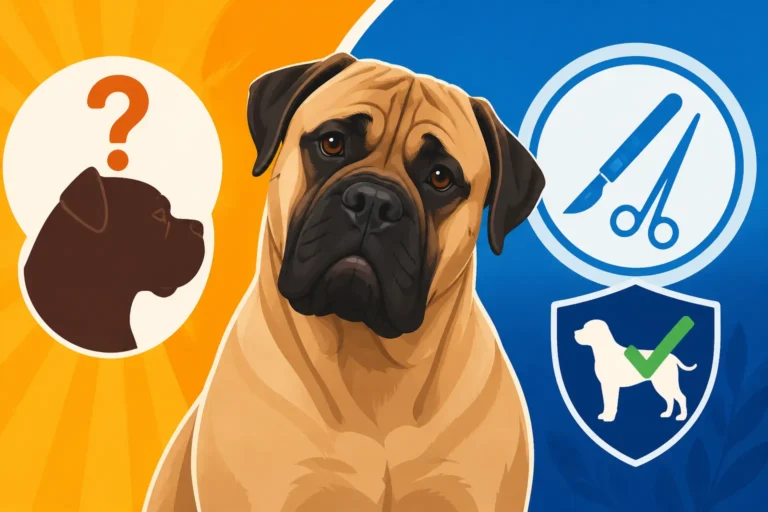
Discovering that your beloved Bullmastiff needs eye surgery can be incredibly worrying, and the first thing many of us think about, after the initial shock, is "how much is this going to cost?" When it comes to a condition like entropion, where your dog's eyelids roll inward, causing irritation and potential damage, surgery is often the best path to relief. This guide aims to break down the expenses associated with entropion surgery for your Bullmastiff, giving you a clear picture of what to expect financially and emotionally.
Understanding Entropion in Bullmastiffs
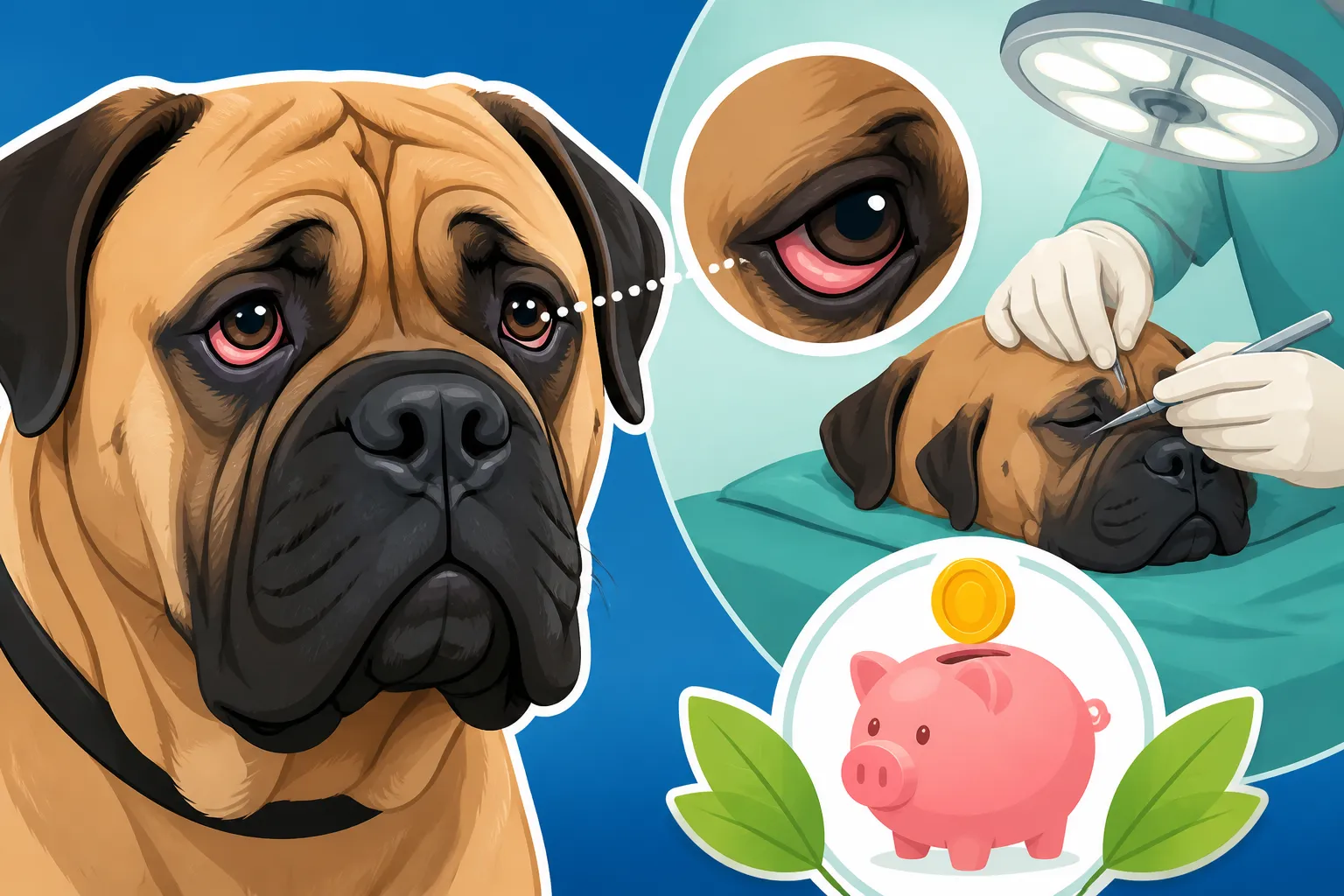
When you look into your Bullmastiff's deep, soulful eyes, the last thing you want to see is irritation, redness, or constant tearing. Unfortunately, for many Bullmastiff owners, entropion becomes a very real concern. It's a condition where a portion of the eyelid, usually the lower one, rolls inward towards the eye. This means the eyelashes and hair on the eyelid rub against the cornea, the clear outer layer of the eyeball. Imagine having a constant hair poking you in the eye – it's incredibly uncomfortable, painful, and if left untreated, it can lead to serious eye problems.
What Exactly is Entropion?
Entropion isn't just an annoyance; it's a structural defect of the eyelid. When the eyelid margin turns in, those tiny hairs and rough skin that should be on the outside are now scraping against the delicate surface of the eye. This constant friction can cause a host of issues: excessive tearing, discharge, blinking or squinting, inflammation (conjunctivitis), corneal ulcers, and even scarring. Over time, these complications can lead to vision impairment or even blindness. It’s a pretty serious deal, and recognizing the signs early can make a big difference in treatment and outcome.
Bullmastiffs, like many other large, brachycephalic (short-nosed) breeds with significant facial folds, are particularly predisposed to this condition. Their breed standard often includes loose skin around the head and face, which, while giving them their distinctive look, can unfortunately contribute to eyelids that don't sit quite right. This is why having a veterinarian regularly check your Bullmastiff's eyes is part of good preventative care, and understanding What a Bullmastiff's Eyes Should Be Checked Yearly is crucial.
Signs Your Bullmastiff Might Have Entropion
Your Bullmastiff might be a stoic giant, but even they can't completely hide the discomfort of entropion. The signs can range from subtle to quite obvious, and it’s important to be vigilant, especially with a breed prone to the issue. You might notice your Bullmastiff blinking more frequently, squinting, or holding one or both eyes partially closed. Their eyes might appear red and inflamed, particularly the conjunctiva (the pink tissue lining the eyelids). Excessive tearing, often streaming down their face, is another common symptom, sometimes accompanied by a thick, mucous-like discharge.
Sometimes, you might even see your Bullmastiff rubbing their face on the carpet or furniture, trying to alleviate the irritation. In more severe cases, or if complications like corneal ulcers develop, they might show extreme pain, keeping the eye tightly shut. Young Bullmastiffs, as they grow, can sometimes have a temporary form of entropion that resolves as their head grows, but persistent or severe cases almost always require intervention. If you've ever wondered Why a Bullmastiff's Eyelids Roll Inward, these are the signs that will alert you to the problem. Don't wait if you suspect something is wrong; prompt veterinary attention can prevent further damage and pain.
Why Bullmastiffs are Prone to Entropion
The Bullmastiff's unique facial structure, a hallmark of their breed, also makes them particularly susceptible to entropion. Their broad heads, prominent brows, and sometimes relatively loose skin contribute to this anatomical predisposition. The way their skin drapes around the eyes can cause the lower eyelid, and sometimes even the upper eyelid, to sag or roll inwards.
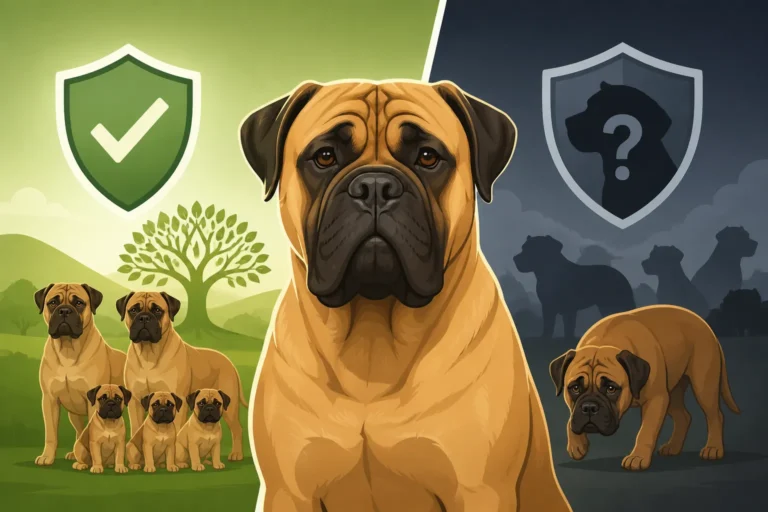
Genetics also play a significant role. Entropion is considered a heritable condition in many breeds, including Bullmastiffs. This means that if a Bullmastiff's parents or ancestors had entropion, there's a higher chance their offspring will develop it too. Responsible breeders will screen their breeding stock for such hereditary conditions to try and minimize their occurrence. However, even with the best breeding practices, it can still appear, especially as puppies grow and their facial structures develop. The conformation that makes a Bullmastiff a Bullmastiff unfortunately comes with this particular challenge.
The Financial Reality of Entropion Surgery
Coming to terms with your Bullmastiff needing surgery, even for something that seems relatively straightforward like an eyelid correction, can be daunting, especially when you start to think about the financial aspect. Veterinary care for a large breed like a Bullmastiff often comes with a higher price tag than for smaller dogs, simply because more medication (anesthesia, pain relief) is needed, and surgical supplies are often larger. This is part of the general truth that Why Everything for a Bullmastiff Costs Large Breed Money.
What Drives the Cost of Entropion Surgery?
The cost of entropion surgery isn't a single, fixed number; it's a sum of several factors that can vary widely. Understanding these components can help you prepare financially.
- Geographic Location: Veterinary costs, much like human healthcare costs, differ significantly based on where you live. A procedure in a large metropolitan area like Los Angeles or New York City will almost certainly be more expensive than in a rural clinic in Kansas.
- Veterinarian's Expertise: A general practitioner might charge less than a board-certified veterinary ophthalmologist. For complex or recurring cases, seeking out a specialist is often recommended, but it comes at a higher price.
- Severity and Complexity: Is it just one eyelid, or both? Is it a mild roll, or a severe one requiring more intricate reconstruction? Has an untreated case led to corneal ulcers or other complications that need simultaneous treatment? The more involved the case, the higher the cost.
- Pre-Operative Diagnostics: Before any surgery, your Bullmastiff will need a thorough examination, blood work to ensure they're healthy enough for anesthesia, and possibly specialized eye tests. These aren't included in the "surgery cost" itself but are essential precursors.
- Anesthesia and Monitoring: Bullmastiffs are a brachycephalic breed and giant breed, which means anesthesia carries specific risks. Comprehensive monitoring by a dedicated technician during anesthesia, along with the drugs themselves, adds to the cost.
- Post-Operative Care: This includes pain medication, antibiotics, an Elizabethan collar (e-collar), and follow-up visits to check healing and remove sutures.
Average Cost Ranges for Bullmastiff Entropion Surgery
Given the various factors, providing a precise figure is tough, but we can give you a general range. On average, you can expect entropion surgery for a Bullmastiff to cost anywhere from $1,500 to $4,000 per eye. This range typically includes the initial consultation, pre-operative blood work, anesthesia, the surgical procedure itself, basic medications, and a few follow-up appointments.
Here's a breakdown to illustrate where these costs come from:
| Cost Component | Estimated Range (Per Eye) | Details |
|---|---|---|
| Initial Consultation | $80 – $200 | Exam by your general vet; may involve an ophthalmologist referral. |
| Pre-Operative Bloodwork | $150 – $350 | Essential to ensure your Bullmastiff is healthy enough for anesthesia. Includes CBC and chemistry panel. |
| Anesthesia & Monitoring | $500 – $1,200 | Administering general anesthesia, IV fluids, and continuous monitoring (ECG, blood pressure, oxygen saturation) by a veterinary technician. Bullmastiffs require careful anesthetic management due to their size and breed characteristics. |
| Surgical Procedure | $700 – $2,000 | Surgeon's fees, operating room use, and surgical supplies. Cost varies based on complexity and surgeon's expertise. |
| Post-Operative Meds | $50 – $150 | Pain relievers, anti-inflammatory drugs, eye drops/ointments, and antibiotics. |
| E-Collar | $20 – $50 | To prevent your Bullmastiff from rubbing or scratching the surgical site. |
| Follow-up Visits | $100 – $300 (total) | Usually 1-3 visits to check healing and remove sutures. |
| Total Estimated Cost | $1,600 – $4,250 | Per eye. If both eyes need surgery, the cost will be significantly higher, though sometimes a discount might be applied for simultaneous bilateral procedures. |
It's important to get a detailed estimate from your veterinarian that itemizes all these potential costs. Remember that these are estimates, and unforeseen complications could increase the total.
The Importance of Early Diagnosis
We often want to put off scary things, but with entropion, delaying diagnosis and treatment can actually increase the complexity and cost of the surgery. If the eyelashes continue to rub against the cornea, it can lead to severe damage, including deep corneal ulcers, infections, and even perforation of the eyeball. Treating a severely ulcerated eye, potentially requiring specialized corneal surgery in addition to the entropion correction, will undoubtedly be far more expensive and involve a longer, more uncomfortable recovery for your dog.
Beyond the financial implications, early diagnosis means less pain and suffering for your Bullmastiff. Think about the chronic irritation they endure every day. Addressing it promptly improves their quality of life dramatically. It's a reminder that regular check-ups, including eye exams as part of their How Often a Bullmastiff Needs a Wellness Exam, are not just a luxury but a crucial investment in their long-term health and your peace of mind.
Breaking Down the Surgical Process and Associated Costs
Understanding the journey your Bullmastiff will take through surgery can help demystify the costs. It's not just the "cut and sew" part; it's a comprehensive process designed to ensure their safety and the best possible outcome.
Pre-Operative Assessments and Their Price Tag
Before your Bullmastiff even thinks about heading into the operating room, a series of important steps must happen. These diagnostic and assessment phases are vital to ensure your dog is a good candidate for surgery and to minimize risks.
First, your general veterinarian will conduct a thorough physical examination, focusing on the eyes. They'll assess the extent of the entropion, check for any corneal damage, and potentially perform a Schirmer tear test to check tear production or a fluorescein stain to detect corneal ulcers. This initial consultation fee is usually modest. If the case is complex, or if your vet recommends it, you might face a referral to a veterinary ophthalmologist, a specialist in animal eye care. Their initial consultation fee will typically be higher, often ranging from $150 to $300, due to their specialized equipment and expertise.
Then comes the essential pre-anesthetic blood work. This is non-negotiable for a giant breed like a Bullmastiff, as it helps your veterinary team identify any underlying health issues that could complicate anesthesia or recovery. This usually includes a complete blood count (CBC) to check for infection or anemia, and a biochemistry panel to evaluate organ function (kidneys, liver). These tests usually cost between $150 and $350. Sometimes, an electrocardiogram (ECG) might also be recommended, especially for older Bullmastiffs or those with suspected heart issues, adding another $100-$200. This thorough assessment is crucial, as Whether a Bullmastiff Needs Bloodwork Yearly is a common question, and certainly before surgery it's paramount.
The Surgical Procedure Itself
The actual surgery for entropion is typically called a "Hotz-Celsus" procedure, though variations exist depending on the specific anatomy and severity. The goal is to remove a crescent-shaped piece of skin and muscle from the affected eyelid, which, when sutured closed, causes the eyelid margin to roll outward into its correct position.
The cost here encompasses several elements:
- Anesthesia: As mentioned, Bullmastiffs require meticulous anesthetic care. The cost includes the anesthetic drugs themselves, the equipment used for delivery, and the continuous monitoring by a trained veterinary technician. Their size means more medication, and their brachycephalic nature means careful attention to their airway.
- Surgeon's Fees: This is the bulk of the cost. It covers the surgeon's time, skill, and experience. A board-certified ophthalmologist will naturally charge more than a general practitioner, but for intricate eye surgery, that expertise is often worth it.
- Operating Room and Equipment: The sterile environment, specialized surgical instruments, and materials used during the operation all contribute to the overhead.
- Time: The duration of the surgery can vary from 30 minutes to over an hour per eye, depending on the complexity, and this directly impacts the cost of staff time and facility use.
It's a delicate procedure that requires precision to ensure the eyelid is corrected properly without over- or under-correcting. The cost reflects the skill, equipment, and dedicated care required for a successful outcome for your gentle giant.
Post-Operative Care and Medication Costs
The journey doesn't end when your Bullmastiff wakes up from surgery. Post-operative care is just as critical to ensure proper healing and prevent complications.
After surgery, your Bullmastiff will typically be sent home with a regimen of medications. This usually includes:
- Pain Relievers: To keep them comfortable during the initial healing phase.
- Anti-inflammatories: To reduce swelling and discomfort.
- Antibiotics: Often prescribed as oral medication or antibiotic eye drops/ointment to prevent infection, especially if there was pre-existing corneal damage.
These medications can add another $50-$150 to your bill. Additionally, an Elizabethan collar (the "cone of shame") is absolutely vital to prevent your Bullmastiff from rubbing, scratching, or interfering with the surgical site, which could undo the delicate work of the surgeon. This usually costs $20-$50, though some clinics include it.
You'll also need to schedule follow-up appointments, usually within 7-14 days, for suture removal and to check on the healing process. These visits typically cost $50-$100 each. While complications are rare, they can happen. If an infection develops, or if the correction isn't perfect, further treatment or even a second minor procedure might be necessary, adding to the overall expense. Sometimes, a "tacking" procedure may be done on puppies with temporary entropion, which is less invasive and less costly than full surgical correction, but it's not a permanent solution for adult dogs.
Managing the Cost and Exploring Financial Options
Facing a large veterinary bill for your Bullmastiff can be stressful, but there are definitely strategies and resources available to help you manage the financial burden.
Pet Insurance and Entropion Coverage
Pet insurance can be a lifesaver when unexpected veterinary expenses arise, and it's certainly something to consider from the moment you bring a puppy home. When discussing What a Bullmastiff Puppy Costs From a Breeder, it's also wise to factor in pet insurance from day one. Many owners find that having a policy in place significantly eases the financial stress of health issues. For entropion, however, the key factor is typically pre-existing conditions. Most pet insurance policies, including those from providers like Healthy Paws, will not cover conditions that were present or showed symptoms before the policy's effective date or waiting periods.
If your Bullmastiff showed signs of entropion before you enrolled in insurance, or during the waiting period, it will likely be excluded as a pre-existing condition. This is why it's so important to get pet insurance for your Bullmastiff when they are young and healthy. Even if they don't have entropion, Bullmastiffs are prone to other significant health issues, and you can learn more about What Insuring a Bullmastiff Costs a Month and Why a Bullmastiff Should Be Insured From Eight Weeks to be prepared. If you have an existing policy, review it carefully or call your provider to understand what is covered for entropion. Some policies might cover it if it's a new development after enrollment, but it's always best to clarify directly.
Payment Plans and Veterinary Aid Programs
If you don't have pet insurance or if your policy doesn't cover entropion surgery, don't despair. Many veterinary clinics understand that these costs can be substantial and are often willing to work with you.
- Payment Plans: Many clinics offer internal payment plans, allowing you to pay the total cost over several weeks or months. Don't hesitate to ask their office staff if this is an option.
- CareCredit: This is a popular third-party credit card specifically designed for healthcare expenses, including veterinary care. They offer special financing options, often with deferred interest if paid in full within a certain promotional period.
- Veterinary Aid Organizations: Depending on where you live, there might be local or national charitable organizations that provide financial assistance for pet owners facing expensive medical treatments. While these often have eligibility requirements, it's worth researching. Organizations like The Pet Fund, RedRover, or your local humane society might be able to offer guidance or direct assistance.
- Crowdfunding: Platforms like GoFundMe have also become a way for pet owners to raise funds from their communities for unexpected veterinary bills.
Always have an open and honest conversation with your veterinarian about your financial constraints. They want to help your Bullmastiff, and they can often guide you toward the best options for your situation.
Budgeting for a Bullmastiff's Potential Health Issues
Owning a Bullmastiff is an incredibly rewarding experience, but it comes with significant financial responsibilities, especially when it comes to their health. Entropion is just one of many potential health challenges your Bullmastiff might face. Other common issues include hip and elbow dysplasia, heart conditions like subaortic stenosis, and a higher risk for certain cancers like lymphoma and mast cell tumors. This is why it's not just about the cost of a puppy, but the lifelong investment. The median lifespan of a Bullmastiff is around The Median Bullmastiff Lives Eight and a Half Years, and many health costs tend to arrive in their later years.
It’s prudent for every Bullmastiff owner to have an emergency fund specifically for veterinary care, or a robust pet insurance policy in place from a young age. Setting aside a certain amount each month, even a small sum, can build up over time to cover unexpected expenses. Considering that Why a Bullmastiff's Vet Bills Arrive at Six years of age or later for many chronic conditions, planning ahead is key. Proactive care, like regular check-ups, maintaining a healthy weight, and proper nutrition, can also go a long way in preventing some problems and catching others early, potentially reducing overall costs.
Disclaimer
The information provided in this article is for general informational purposes only and does not constitute veterinary advice. Always consult with a qualified veterinarian for any health concerns or before making any decisions about your Bullmastiff's medical care. Costs are estimates and can vary widely based on location, individual veterinary practices, and specific patient needs.