Whether a Bullmastiff’s Eyes Should Be Checked Yearly
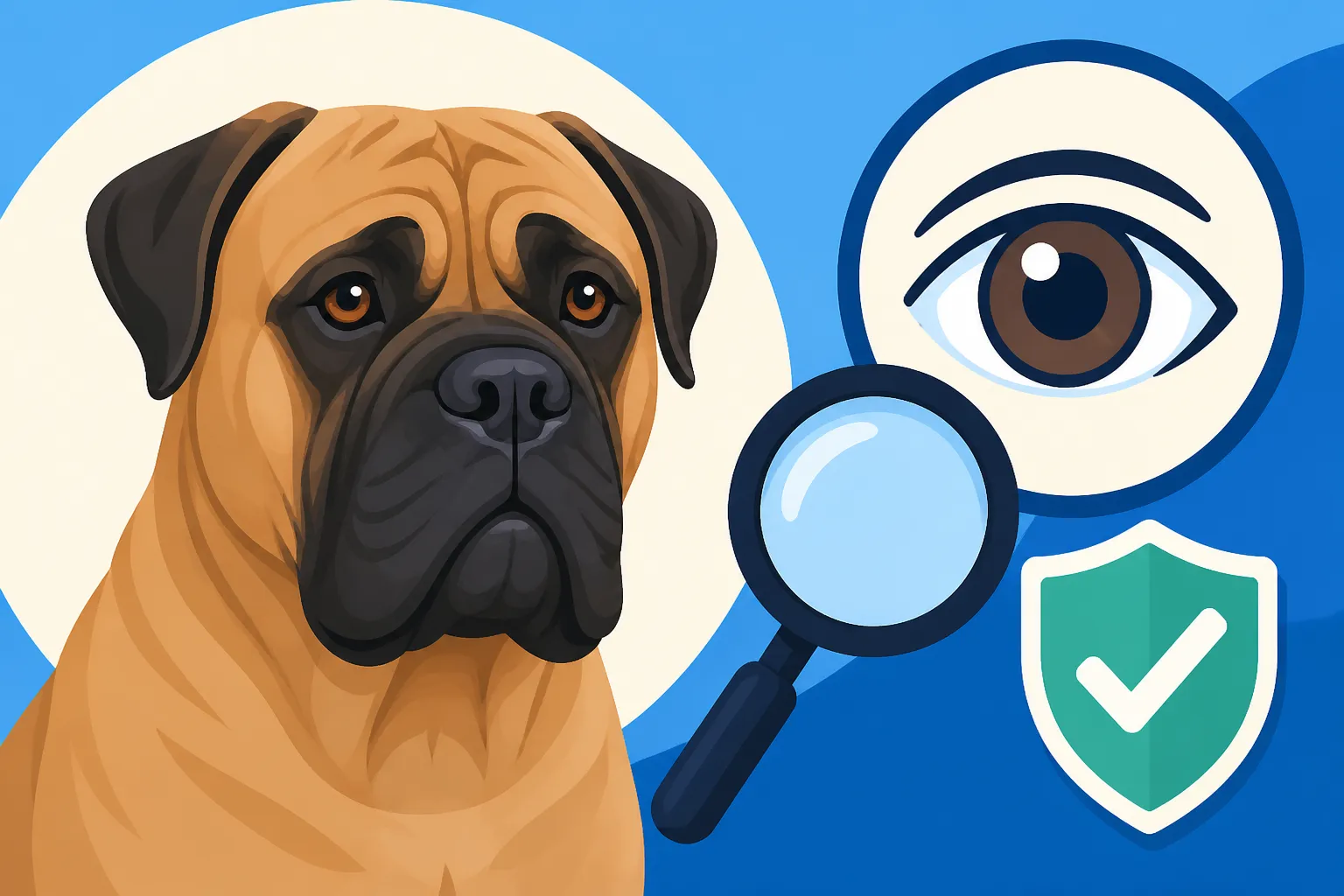
It’s a common dilemma for us Bullmastiff owners, isn't it? We look into those deep, soulful eyes and wonder if a quick glance during cuddle time is enough, or if we really need to haul our massive, often reluctant, companions to the vet for yet another check-up. The truth is, our Bullmastiffs, as stoic as they are, can develop a variety of eye issues that aren't always glaringly obvious until they've progressed. This guide is dedicated to helping you understand why annual eye exams are not just a good idea, but a critical part of your Bullmastiff's preventative care, what specific problems to watch for, and how to stay ahead of potential vision-threatening conditions.
Why Annual Eye Exams Are Crucial for Your Bullmastiff
Those big, loving eyes are one of the most endearing features of a Bullmastiff, but they're also susceptible to a range of genetic and acquired conditions. Unlike us, our dogs can’t tell us when something feels off, and their natural instinct is often to hide discomfort or pain. This is where regular, professional eye examinations become invaluable, offering a window into their ocular health that you might miss at home.
Catching Subtle Problems Early
One of the most significant reasons for yearly eye checks is the ability to detect subtle problems before they become major issues. Many eye conditions in Bullmastiffs, like early signs of glaucoma or the beginnings of a cataract, don't present with dramatic symptoms initially. Your dog might not be pawing at their face, squinting constantly, or showing obvious signs of pain. Instead, they might have slight changes in vision, a minor increase in tear production, or a barely perceptible cloudiness that only a trained veterinary eye can identify.
Consider a condition like Progressive Retinal Atrophy (PRA), which can lead to blindness. While thankfully less common than other issues in Bullmastiffs, if it were to start, early signs might be very subtle night blindness that you simply attribute to your dog being clumsy in the dark. A vet, however, might pick up on changes during an ophthalmoscopic exam long before you notice anything definitive. Catching these issues early often means better management options, potentially slowing progression, or even preventing permanent damage, ultimately improving your Bullmastiff's quality of life and preventing unnecessary suffering. Remember, early detection is always the best defense, especially for conditions that can compromise their vision and comfort.
Breed-Specific Eye Concerns
Bullmastiffs, like many purebred dogs, carry genetic predispositions to certain eye conditions due to their unique facial structure and genetic lineage. It’s not just bad luck; it’s a part of what makes them who they are, and it means we need to be extra vigilant. For instance, their often loose facial skin and deep-set eyes make them particularly prone to issues like entropion and ectropion.
Entropion, where the eyelid rolls inward, causes eyelashes or facial hair to constantly rub against the cornea, leading to irritation, pain, and potential corneal ulcers. Conversely, ectropion, where the eyelid rolls outward, exposes the delicate conjunctiva, making the eye susceptible to dryness and infections. These aren't just cosmetic issues; they can be incredibly uncomfortable and even vision-threatening if left unaddressed. Other concerns include "cherry eye," where the gland of the third eyelid prolapses and appears as a red mass in the inner corner of the eye. While not usually painful, it can lead to chronic dryness and requires surgical intervention. A vet specializing in Bullmastiff health screenings will know exactly what to look for, checking for these common issues that are often overlooked in breeds with different facial anatomy. It’s also important to ensure that when looking for a puppy, you ask What a Bullmastiff Breeder Should Have Screened for any known hereditary eye conditions in the parents.
The Comprehensive Nature of a Yearly Check-up
So, what exactly happens during an annual eye exam that you can’t replicate at home? It's far more than just a quick peek. A veterinarian will conduct a thorough visual inspection, checking for any discharge, redness, swelling, or changes in the eyelid margins and eyelashes. They'll assess pupil responses to light to check nerve function and look for symmetry. A Schirmer tear test might be performed if dry eye is suspected, which measures tear production over a minute. This is crucial because inadequate tear production can lead to chronic discomfort and corneal damage.
Furthermore, your vet will likely use an ophthalmoscope to look inside the eye, examining the lens for cataracts, the retina for signs of degeneration, and the optic nerve for glaucoma. In some cases, especially if there's suspicion of glaucoma, a tonometer might be used to measure the intraocular pressure, a painless procedure that can detect elevated pressure long before your dog shows overt signs of pain or vision loss. These specialized tools and diagnostic tests allow your vet to go beyond surface-level observation and detect underlying problems that are invisible to the naked eye. This comprehensive approach is part of why How Often a Bullmastiff Needs a Wellness Exam includes a thorough eye check, ensuring every aspect of their health is monitored.
Common Bullmastiff Eye Conditions and What to Look For
Understanding the specific eye conditions that commonly affect Bullmastiffs can empower you to be a more observant owner. While your annual vet check is paramount, knowing what signs to monitor between visits can make all the difference in catching problems even earlier.
Entropion and Ectropion
As mentioned, entropion and ectropion are prevalent in Bullmastiffs due to their breed-specific facial structure. Entropion occurs when the eyelid, most commonly the lower lid, rolls inward, causing the fur and eyelashes to scrape against the sensitive surface of the cornea. This constant irritation is incredibly uncomfortable, akin to having a speck of sand in your eye all the time, but magnified. Signs to look for include excessive tearing, squinting, rubbing at the eyes (which can worsen the problem), redness of the conjunctiva (the pink tissue around the eye), and mucous discharge. Over time, chronic irritation can lead to corneal ulcers, which are painful open sores on the eye surface, or pigmentation, where the cornea darkens, impairing vision. If you notice your Bullmastiff constantly closing one eye or tearing more than usual, it’s a big red flag. For a deeper dive into this specific issue, you might want to read Why a Bullmastiff's Eyelids Roll Inward.
Ectropion is the opposite, where the eyelid sags or rolls outward, exposing the inner lining of the lid. While less irritating than entropion, it leaves the eye vulnerable. The exposed conjunctiva can dry out, become inflamed, and easily collect dirt and debris, leading to chronic conjunctivitis (pink eye) or other infections. You might notice constant redness, a "weepy" appearance, or your dog frequently blinking or attempting to clear their eyes. Both conditions often require surgical correction to permanently resolve the issue and prevent ongoing discomfort and potential vision damage. Lubricating eye drops can offer temporary relief, but surgery is typically the definitive solution.
Cherry Eye and Other Eyelid Anomalies
"Cherry eye" is another condition commonly seen in Bullmastiffs, characterized by the protrusion of the gland of the third eyelid, or nictitating membrane. This gland is normally tucked neatly away in the corner of the eye, but when it prolapses, it looks like a small, round, red mass, resembling a cherry, in the inner corner of your dog's eye. While it's usually not painful itself, the exposed gland can become dry, inflamed, and susceptible to infection. It also interferes with normal tear production over time, which can lead to serious dry eye conditions.
The primary sign of cherry eye is the visible red mass. If you spot this, a vet visit is necessary for surgical repositioning of the gland. It's important to surgically re-anchor the gland rather than remove it, as removing it can severely compromise tear production and lead to lifelong dry eye issues. For more detailed information on this, check out Cherry Eye in a Bullmastiff. Beyond cherry eye, Bullmastiffs can also experience other minor eyelid anomalies. Distichiasis, for example, involves extra eyelashes growing from an abnormal spot on the eyelid margin, often rubbing against the cornea. Trichiasis is similar, but refers to normal eyelashes that are misdirected and rub against the eye. These seemingly small issues can cause chronic irritation, tearing, and corneal damage, similar to entropion, and may require cryosurgery or surgical removal of the offending lashes.
Glaucoma and Cataracts
Glaucoma is a serious, often painful, and potentially blinding condition that can affect Bullmastiffs. It occurs when the pressure inside the eye (intraocular pressure) increases to unhealthy levels, damaging the optic nerve and retina. Unlike humans, where glaucoma often progresses slowly, acute glaucoma in dogs can develop rapidly, leading to permanent blindness within hours if not treated immediately. This makes routine pressure checks during annual exams even more vital.
Signs of glaucoma can include a cloudy or bluish appearance to the cornea (the clear front surface of the eye), redness of the white part of the eye, a dilated pupil that doesn't respond to light, and intense pain, which your Bullmastiff might show by squinting, holding the eye shut, or rubbing their face. You might also notice their eye appears larger or bulging compared to the other. Early detection is absolutely critical for glaucoma. While it cannot be cured, medication can often manage the pressure and preserve vision for as long as possible. Many dogs, especially as they get older, might develop cataracts. The Median Bullmastiff Lives Eight and a Half Years, and some conditions become more prevalent with age.
Cataracts are another common eye condition, involving a clouding of the eye's lens. This clouding obstructs light from reaching the retina, leading to impaired vision. Cataracts can be inherited, develop due to other diseases (like diabetes, though less common in Bullmastiffs), or simply be a result of aging. Unlike the bluish haze of nuclear sclerosis (a normal aging change in the lens that doesn't significantly affect vision), cataracts appear as distinct white or opaque areas within the pupil.
Symptoms include a noticeable cloudy appearance in the pupil, bumping into objects, hesitancy to navigate in dim light, and general signs of vision loss. While not painful, cataracts can significantly impact your Bullmastiff's quality of life. In advanced cases, surgery to remove the cataract and implant an artificial lens can restore vision. Early detection of cataracts during annual checks helps veterinarians monitor progression and discuss potential interventions before complete blindness occurs.
Partnering with Your Vet and Ongoing Eye Care at Home
Keeping your Bullmastiff's eyes healthy is a team effort. Your veterinarian is your primary partner, but your daily observations and consistent home care play an equally crucial role in their long-term ocular health.
What to Discuss During Your Annual Visit
Your annual vet visit isn't just a time for your vet to perform a check-up; it's an opportunity for you to be an active participant in your Bullmastiff's health. Don't hesitate to ask specific questions about breed predispositions, such as "Are Bullmastiffs more prone to X, Y, or Z eye condition?" Mention any subtle changes you've observed, even if they seem minor. Did you notice your dog squinting for a few seconds last week? Has their eye discharge changed color or consistency? Even small details can be vital clues.
If you have information about your Bullmastiff's family history from the breeder, share it. Knowing if there's a history of glaucoma, cataracts, or other hereditary eye issues in their lineage can prompt your vet to perform additional screenings or advise on preventive measures. Be sure to specifically ask about having their tear production tested if you suspect dry eye, or if a tonometry test to measure eye pressure is appropriate, especially if your Bullmastiff is reaching their senior years. Caring for a Bullmastiff Past Six often means increased vigilance for age-related conditions, including eye health. Remember, your vet is a specialist, and their expertise is best utilized when you provide all available information and advocate for your pet's needs.
Daily Home Observations and Hygiene
Between annual appointments, you are your Bullmastiff's first line of defense. Make it a habit to gently examine their eyes daily. Look for clear, bright eyes with no excessive tearing, redness, or discharge. Both pupils should be equal in size and react to light similarly. Check the eyelids to ensure they sit correctly and aren't rolling inward or outward. If you notice a small amount of clear or watery discharge, it's often normal and can be gently wiped away with a warm, damp cloth, always wiping away from the eye. Many owners find specialized Whether a Bullmastiff's Eyes Need Wiping products helpful for this.
However, certain signs warrant immediate veterinary attention. These include sudden redness, excessive squinting, swelling around the eye, a noticeable change in the color or consistency of discharge (especially if it's thick, yellow, or green), a visible injury to the eye, or any signs of pain or vision loss. If your Bullmastiff suddenly appears disoriented or is bumping into furniture, don't delay in calling your vet. Even though Bullmastiffs are tough, any eye issue can escalate quickly and cause significant discomfort or irreversible damage. Prompt action can save their sight and prevent unnecessary pain.
The Role of Pet Insurance in Managing Eye Health Costs
Let's be real – vet bills, especially for specialized treatments or surgery, can add up quickly. Eye conditions in Bullmastiffs, from the surgical correction of entropion or cherry eye to lifelong medication for glaucoma, can represent a significant financial commitment. This is where pet insurance can be an absolute lifesaver. Companies like Healthy Paws offer comprehensive plans that can help cover the costs of unexpected illnesses and accidents, including many of these common eye conditions.
Imagine facing a several-thousand-dollar bill for double entropion surgery or the ongoing expense of daily glaucoma medication, which can cost hundreds of dollars monthly. Having a pet insurance policy in place, especially one that covers hereditary conditions (which many eye problems are), can ease that financial burden dramatically. It allows you to make medical decisions based on what’s best for your Bullmastiff, rather than what you can afford out-of-pocket. The key is to enroll your Bullmastiff when they are young, ideally as a puppy, before any conditions manifest, as pre-existing conditions are typically not covered. Understanding What Insurance Covers on a Bullmastiff is crucial for any owner preparing for the potential health challenges of this wonderful breed.
Common Bullmastiff Eye Conditions at a Glance
To help you quickly identify some of the most common eye issues in Bullmastiffs and their typical treatments, here's a handy overview:
| Condition | Primary Symptoms | Typical Onset Age | Common Treatments | Urgency Level |
|---|---|---|---|---|
| Entropion | Inward rolling eyelid, tearing, squinting, redness, discharge, corneal irritation | Puppyhood to Young Adult | Surgical correction, lubricating drops | Moderate |
| Ectropion | Outward rolling eyelid, redness, dryness, discharge, susceptibility to infection | Puppyhood to Adult | Surgical correction, lubricating drops | Moderate |
| Cherry Eye | Red mass in inner corner of eye, occasional irritation, dryness | Puppyhood to Young Adult | Surgical repositioning of the gland | Moderate |
| Glaucoma | Cloudy eye, redness, dilated pupil, pain, vision loss, enlarged eye | Middle to Senior Age | Eye drops to reduce pressure, surgery in severe cases | High |
| Cataracts | Cloudy lens, vision impairment, clumsiness | Middle to Senior Age | Surgical removal (phacoemulsification) | Low to Moderate |
| Distichiasis/Trichiasis | Abnormal/misdirected eyelashes rubbing cornea, tearing, irritation | Puppyhood to Adult | Surgical removal, cryosurgery | Moderate |
| Conjunctivitis | Redness, swelling, discharge (watery to thick), itching, squinting | Any Age | Antibiotic/anti-inflammatory drops/ointment, addressing underlying cause | Moderate |
Disclaimer
This article is intended for informational purposes only and does not constitute veterinary advice. Always consult with a qualified veterinarian for any health concerns or before making any decisions about your Bullmastiff's care.