Deafness in an Aging Bullmastiff
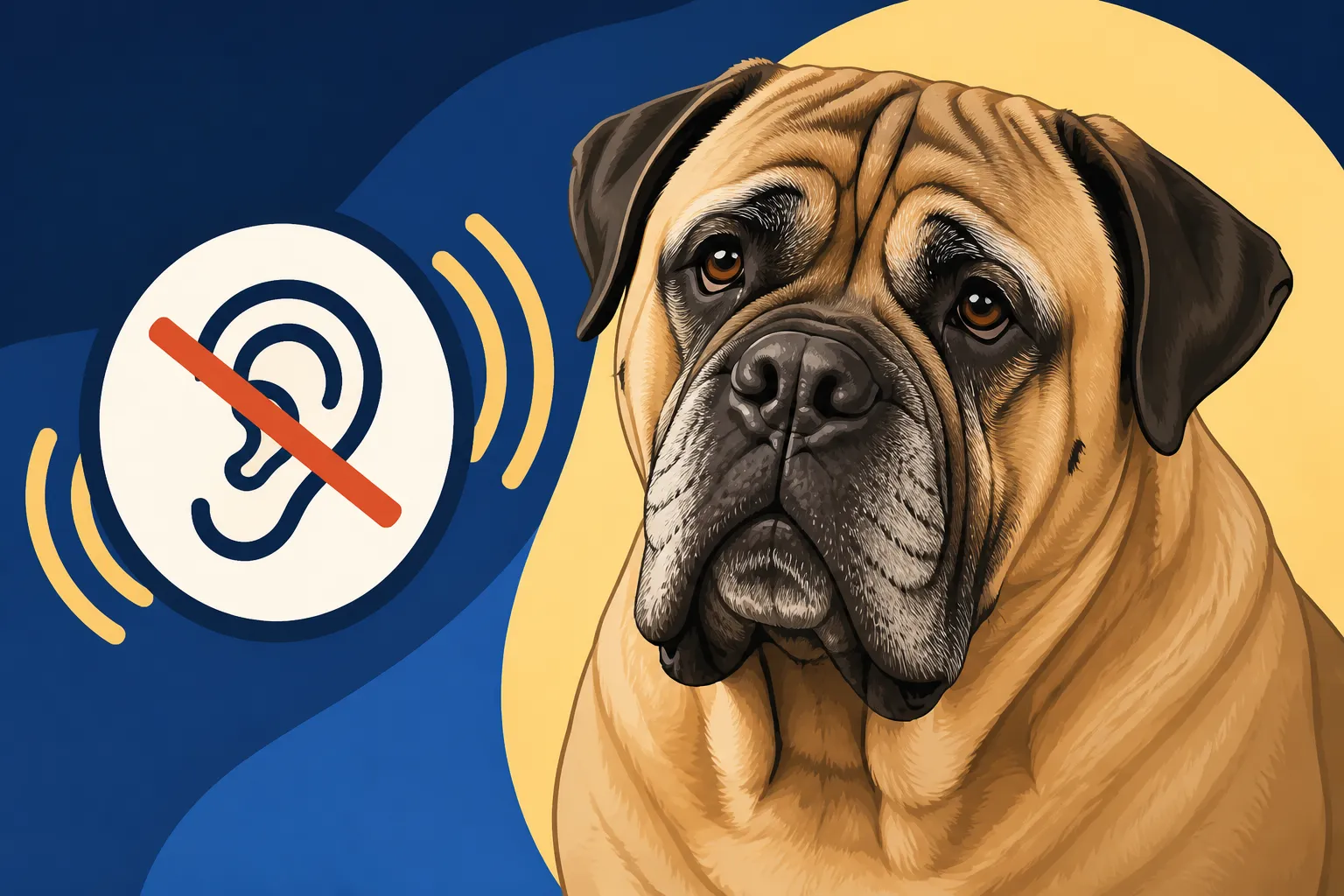
It’s one of the hardest parts of having a senior Bullmastiff: watching them slow down, not just physically, but sometimes mentally too, as their senses start to fade. For many Bullmastiff owners, a particularly poignant change is the onset of deafness. It can be a slow, quiet creep that you almost don't notice at first, making you wonder if your loyal companion is just being stubborn, when in fact, they simply can't hear you anymore. This guide will walk you through understanding age-related deafness, how to spot the signs in your Bullmastiff, and practical ways to keep your beloved, aging giant safe and connected.
Understanding Age-Related Deafness in Bullmastiffs
When we talk about deafness in an aging Bullmastiff, we're typically referring to a condition called presbycusis. This isn't a sudden, dramatic loss of hearing, but rather a gradual deterioration that comes with age, much like hearing loss in humans. It's a natural, often frustrating, part of the aging process that many of our beloved giants will experience. It doesn't discriminate based on your dog's previous health or lifestyle; it's simply a wear-and-tear phenomenon that affects the delicate structures of the inner ear.
What Happens to Their Ears as They Age?
Think of your Bullmastiff's ears as incredibly complex instruments. Over years of listening to squirrels chatter, the doorbell ring, and your loving voice, the tiny hair cells within the cochlea – the spiral-shaped part of the inner ear – can start to degenerate. These hair cells are responsible for converting sound vibrations into electrical signals that the brain interprets as sound. As they break down, fewer signals get through, leading to reduced hearing acuity. This process can also involve changes in the auditory nerve itself, making it harder for the brain to process what little sound does get through. It's not usually painful, but it is irreversible.
Why is it Often a Gradual Process?
The insidious nature of presbycusis is that it's rarely an overnight event. It typically affects both ears equally, and because it's so slow, your Bullmastiff will often compensate without you even realizing it. They might start relying more on their other senses, like sight and smell, to navigate their world and respond to cues. You might notice them sleeping more soundly, perhaps not stirring when you walk into the room or when a loud noise occurs outside. It can be easy to chalk these subtle changes up to them just being "older" or "more relaxed." However, this gradual decline is precisely why owners often miss the early signs, believing their dog is just selectively listening, which can be a common frustration for owners who don't realize what's truly happening.
Are Some Bullmastiffs More Prone to Age-Related Deafness?
While presbycusis is a universal aging phenomenon, there can be individual variations in when and how severely it strikes. Some Bullmastiffs might start showing signs of hearing loss around The Age a Bullmastiff Is Considered Senior, while others might retain relatively good hearing well into their golden years. There isn't a specific genetic test for age-related deafness in Bullmastiffs, as it's multifactorial, but general health and the presence of other age-related conditions might indirectly play a role. For instance, a Bullmastiff that has had recurrent ear infections throughout its life might experience hearing degradation sooner or more severely due to cumulative damage, although this isn't strictly presbycusis.
Recognizing the Signs of Hearing Loss in Your Senior Bullmastiff
It can be heartbreaking to realize your once highly responsive Bullmastiff isn't hearing you like they used to. Because Bullmastiffs are often stoic and adapt so well, the signs of deafness can be incredibly subtle at first. You might find yourself questioning if you’re imagining things, or if they’re just being particularly "Bullmastiff-stubborn" that day. Rest assured, if you're observing changes, you're likely right to be concerned.
Behavioral Changes You Might Notice
The most obvious sign is a lack of response to sounds that would normally get their attention. This includes:
- Not responding to their name: You call them for dinner, and they don't budge until you physically go over and tap them.
- Ignoring familiar commands: Commands they've known their whole life, like "sit" or "stay," might suddenly seem to be forgotten. It’s not disobedience; they just didn't hear you.
- Sleeping through loud noises: The vacuum cleaner, a dropped pot, or even thunder might no longer rouse them from their deep slumber.
- Startling easily: If you approach them from behind or touch them when they haven't seen you coming, they might jump or be visibly startled, as they didn't hear you approach.
- Increased barking or vocalization: Some deaf dogs might bark more because they can't hear their own volume, or they might vocalize out of anxiety or confusion if they can't interpret their environment as before.
- Changes in greeting rituals: They might not greet you at the door with the usual excited whimper or rumble, simply because they didn't hear your keys or your car pull up.
- Difficulty locating sounds: If they do react to a sound, they might turn their head in the wrong direction, indicating they can hear, but can't pinpoint the source.
These shifts can be confusing and frustrating for both you and your dog, highlighting the importance of recognizing them early.
The "Selective Hearing" Myth Debunked
Many Bullmastiff owners, myself included, have playfully accused our dogs of having "selective hearing." When they're young, they might ignore a command if a squirrel is more interesting. But with an aging Bullmastiff, what often looks like selective hearing is, in fact, genuine hearing loss. They might respond to a high-pitched whistle but not a low voice, or vice versa, because the frequency range they can still perceive has narrowed. It's not them choosing to ignore you; it's their ears physically failing to pick up certain sounds. Understanding this distinction is crucial for maintaining patience and adapting your communication style.
When to Be Concerned and Seek Veterinary Advice
While age-related deafness is typically gradual, any sudden or acute hearing loss, especially if accompanied by other symptoms, warrants an immediate veterinary visit. These symptoms could include:
- Pain or sensitivity around the ears: If your Bullmastiff flinches when you touch their ears.
- Head tilting or shaking: These could indicate an ear infection or a foreign object.
- Discharge or foul odor from the ears: Clear signs of an infection.
- Loss of balance or circling: Could point to an inner ear problem or something more serious affecting their neurological system.
- Changes in eye movement or facial paralysis: Also indicators of neurological issues.
Even if you suspect age-related presbycusis, it’s always a good idea to mention it during your Bullmastiff’s regular check-ups. A vet can rule out other treatable causes of hearing loss and offer guidance on managing the condition. Remember, "How a Bullmastiff Hides Pain" is a real challenge for owners, so observing any of these subtle cues is important.
Table: Common Signs of Hearing Loss in Bullmastiffs
| Sign/Behavior | What it might look like | What it might not be |
|---|---|---|
| No response to name/commands | Ignores you when called, doesn't follow usual cues. | Stubbornness, distraction. |
| Easily startled | Jumps when touched from behind, wakes suddenly from sleep. | Deep sleep, nervousness. |
| Increased vocalization | Barks louder or more frequently, seems confused by own voice. | Boredom, attention-seeking. |
| Sleeping through loud noises | Doesn't react to doorbell, thunder, or dropped items. | Very tired, relaxed. |
| Difficulty locating sounds | Turns head in wrong direction when reacting to a noise. | General disorientation. |
| Changes in greeting | Doesn't meet you at the door, less vocal upon your return. | Less excited, pain (e.g., Why an Aging Bullmastiff Struggles to Rise). |
Living with a Deaf Bullmastiff: Adjustments and Communication Strategies
Discovering your Bullmastiff is going deaf can feel overwhelming. You might worry about their safety, their quality of life, and how you’ll communicate with your best friend. But please know, deaf dogs can lead incredibly rich and happy lives. It simply means you'll need to make some thoughtful adjustments and learn new ways to "talk" to them. Your Bullmastiff still loves you just as much, and with your patience and understanding, you can help them navigate this new sensory world with confidence.
Safety First: The Invisible Threat
One of the biggest concerns for owners of deaf Bullmastiffs is safety, particularly outdoors. A dog that cannot hear a car horn, an approaching person, or another dog can easily wander into danger.
- Always on Leash Outdoors: This is non-negotiable. Even in a fenced yard, if there's a chance of escape, keep them on a long line. A Bullmastiff that doesn't hear a gate open is vulnerable.
- Secure Fencing: Double-check your yard for any weak spots or potential escape routes. If your Bullmastiff is also getting older and less agile, they might not jump or push through a fence as easily, but vigilance is still key.
- Visual Cues for Approaching: If you have visitors or are in a public space, teach people to approach your Bullmastiff from the front or side, where they can see them coming. Startling a large, deaf dog can lead to an accidental nip or a frightened reaction.
- Identification: Ensure your Bullmastiff wears a collar with clear identification tags, perhaps even one stating "DEAF DOG." Microchipping is also essential, offering an extra layer of security should they ever get lost.
Communication Without Sound
This is where the real fun and challenge begin! You'll become an expert in visual communication.
- Hand Signals: Start teaching hand signals for basic commands if you haven't already. Use clear, consistent gestures for "sit," "stay," "come," "down," and "good dog." Every time you give a verbal command, pair it with a hand signal. You can find many resources online for common dog hand signals, or invent your own! Repetition is key, just as it was when they were a puppy.
- Vibrations for Attention: A gentle tap on the shoulder or a stomp on the floor (if they're inside and you're close enough) can get their attention. Some owners use vibration collars (never shock collars!) as a way to get their dog's attention from a distance, particularly in a fenced yard. The vibration is a signal to look at you, at which point you can give a hand signal. If you consider this, always introduce it positively and ensure the vibration is mild and consistent.
- Facial Expressions and Body Language: Bullmastiffs are incredibly attuned to our non-verbal cues. Use exaggerated facial expressions and clear body language to convey your mood and intentions. A happy, open posture can communicate calm and affection.
- Lights as Signals: A flashlight can be used at night to get their attention, especially if they are outside in the yard. A quick flash can signal "come here" followed by a treat and praise when they respond.
Enrichment and Comfort in a Quieter World
Just because your Bullmastiff can't hear doesn't mean their world has to shrink. In fact, their other senses can become heightened.
- Scent Work: Engage their powerful nose! Hide treats around the house or yard and encourage them to sniff them out. Puzzle toys filled with delicious kibble or treats can provide wonderful mental stimulation.
- Visual Cues for Routine: Stick to a consistent daily routine. Deaf dogs thrive on predictability because they rely so heavily on visual and temporal cues. They'll learn that after you pick up their leash, a walk is coming, or that when you go to the kitchen, it's mealtime.
- Comfort and Touch: Increase gentle touch and physical affection. Brushing, massages, and cuddles become even more important ways to bond and communicate love. For an aging Bullmastiff, touch can also help you feel for any lumps or changes on their body, which is crucial for early detection of issues like Mast Cell Tumors and the Lumps on a Bullmastiff.
- Special Beds: Consider an orthopedic bed, especially as they age, to support their joints. Even though they can't hear, comfort is paramount for their overall well-being.
- Socialization: Continue to socialize them, but do so carefully. Let other dog owners know your Bullmastiff is deaf so they understand why their dog might not respond to auditory cues. Supervise interactions closely to prevent any startling or miscommunication with other dogs.
Medical Considerations and Financial Planning for an Aging Bullmastiff
While age-related deafness is a natural progression, it's still crucial to involve your veterinarian. They can help differentiate presbycusis from other, potentially treatable, causes of hearing loss, and provide personalized advice for your Bullmastiff's unique needs. Caring for an aging Bullmastiff often comes with increasing medical costs, so being prepared is key.
Veterinary Evaluation: What to Expect
When you bring your Bullmastiff in for suspected hearing loss, your vet will perform a thorough physical examination, paying special attention to their ears.
- Otoscopic Examination: The vet will use an otoscope to look deep into your Bullmastiff's ear canals. They'll check for signs of infection, inflammation, ear mites, foreign bodies, or excessive wax buildup. These are all treatable conditions that can impair hearing.
- Neurological Exam: A broader neurological assessment might be done to rule out other conditions that could affect hearing or balance.
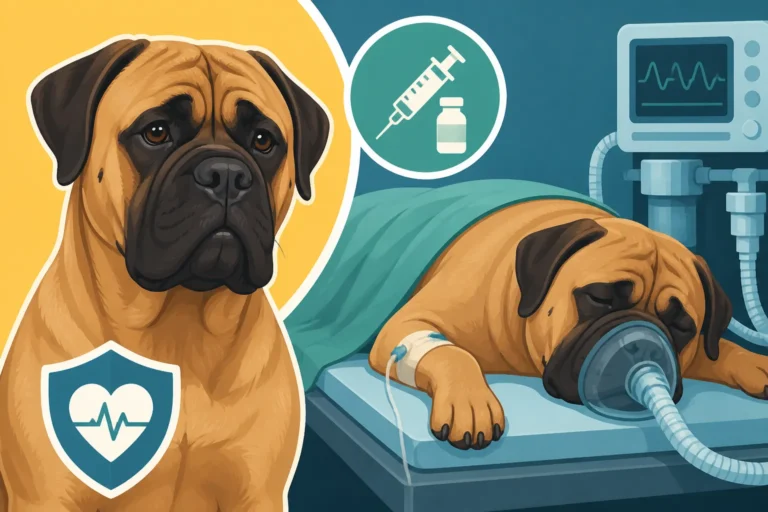
- Sedation for Deeper Look: If your Bullmastiff is resistant to having their ears examined or if deeper exploration is needed, mild sedation might be recommended to allow for a thorough cleaning or closer inspection of the eardrum.
- BAER Testing (Brainstem Auditory Evoked Response): This specialized test is the most accurate way to assess a dog's hearing. It measures the electrical activity in the brain in response to auditory clicks. While often used for screening puppies for congenital deafness, it can also be used for older dogs. It's usually performed by a veterinary neurologist or at a specialist clinic, and may involve sedation. It helps confirm the diagnosis of deafness and determine its severity.
Your vet will also discuss your Bullmastiff's overall health, as What Changes in a Bullmastiff After Six can impact how they cope with sensory loss. They may also recommend Whether a Bullmastiff Needs Bloodwork Yearly to check for other age-related conditions.
Other Causes of Hearing Loss (and Why Ruling Them Out is Important)
It’s vital to distinguish between age-related deafness and other causes, many of which can be addressed.
- Ear Infections: Chronic or severe ear infections can cause temporary or even permanent hearing loss if not treated promptly. The inflammation and fluid buildup can block sound waves.
- Ear Mites or Foreign Bodies: These can physically obstruct the ear canal, leading to hearing impairment.
- Impacted Ear Wax: Just like in humans, a significant buildup of ear wax can block the ear canal and reduce hearing.
- Medication Side Effects: Some medications can be ototoxic, meaning they can damage the inner ear and cause hearing loss. Always discuss any concerns about medication side effects with your vet.
- Tumors or Polyps: Growths in the ear canal can physically block sound transmission or, in rare cases, affect the auditory nerve.
- Trauma: Head injuries or direct trauma to the ear can sometimes result in hearing loss.
Ruling out these treatable conditions ensures that if your Bullmastiff is deaf, it truly is due to age and not something that could have been fixed.
Planning for Senior Care Costs: Don't Forget Pet Insurance
Caring for a senior Bullmastiff, especially one with special needs like deafness or other common age-related health issues, can involve significant veterinary expenses. Regular check-ups, diagnostic tests, potential medications for arthritis (which can be a concern for Hips and Elbows Under a Hundred and Thirty Pound Bullmastiff), or other conditions are all part of Caring for a Bullmastiff Past Six.
This is where pet insurance can be a lifesaver. Companies like Healthy Paws offer comprehensive plans that can help manage the financial burden of unexpected illnesses or accidents as your Bullmastiff ages. While age-related deafness itself might not be a covered condition if it develops after enrollment (as it's often considered a natural aging process), the diagnostics to rule out other causes, or treatments for other concurrent health issues, can be.
It’s a strong argument for getting pet insurance, such as through Healthy Paws, when your Bullmastiff is young. Policies often exclude pre-existing conditions, so enrolling them early, perhaps even from Why a Bullmastiff Should Be Insured From Eight Weeks, means a wider range of potential future ailments could be covered. This proactive approach can give you immense peace of mind, knowing you can make medical decisions based on what's best for your dog, rather than solely on your budget. When your Bullmastiff requires a How Often a Bullmastiff Needs a Wellness Exam, or if they develop something more serious, having that financial safety net can make all the difference.
Disclaimer
This article is for general informational purposes only and does not constitute professional advice. Laws, prices and regulations vary by location and change over time. Consult a qualified professional for guidance on your specific situation.