How a Bullmastiff Hides Pain
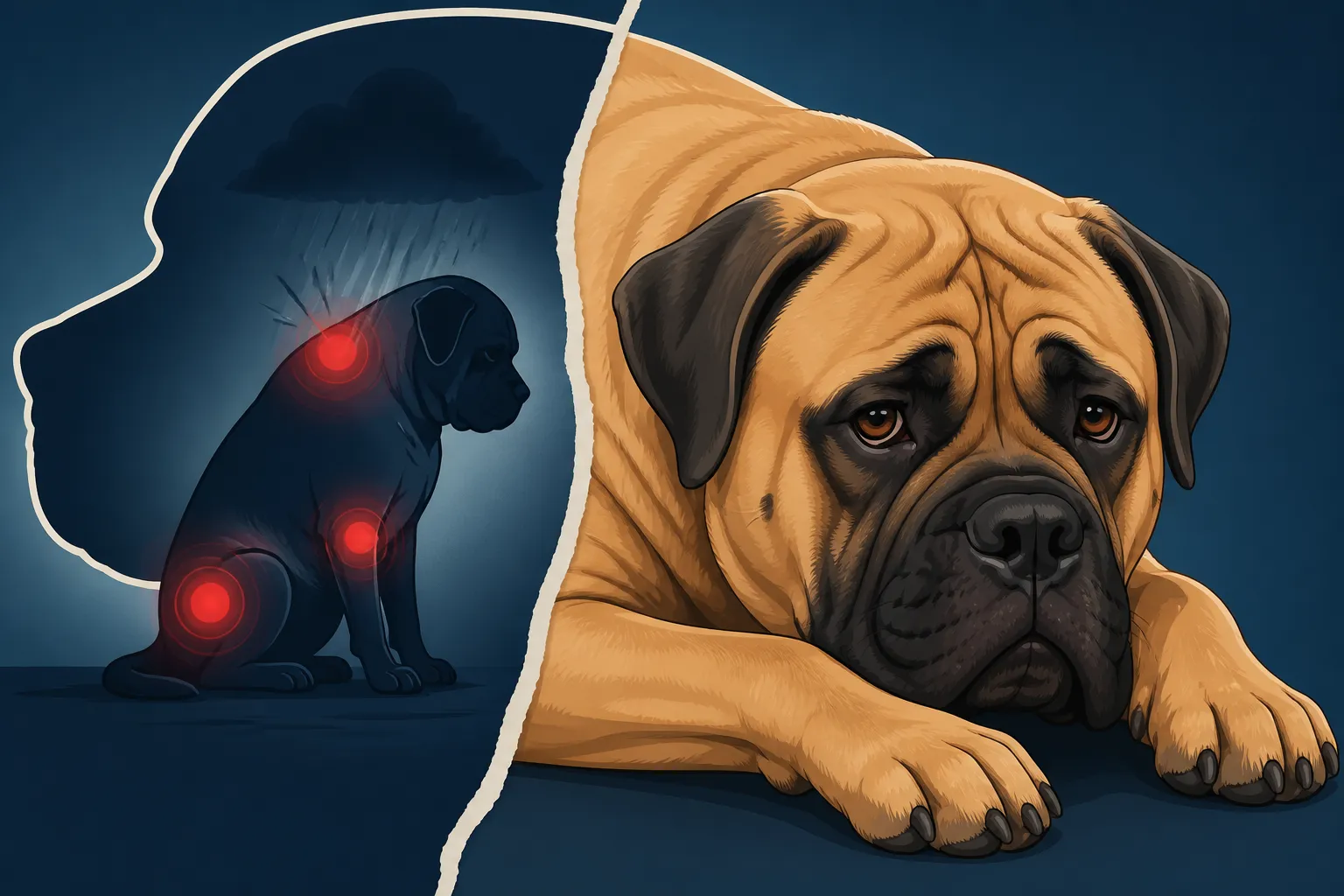
It’s a heartbreaking reality for many Bullmastiff owners: these magnificent, stoic dogs are masters at masking their discomfort, often suffering in silence until a condition is far advanced. Their natural tendency to appear unflappable can make it incredibly difficult to discern when they're in pain, leaving you feeling helpless and worried you're missing crucial signs. This comprehensive guide will peel back the layers of the Bullmastiff's tough exterior, helping you recognize the subtle, often overlooked indicators that your beloved giant is hurting, ensuring you can intervene and provide comfort when they need it most.
The Bullmastiff's Stoic Nature: Why They Hide Pain
Bullmastiffs are renowned for their calm, courageous, and seemingly imperturbable demeanor. They were, after all, originally bred in the English countryside to be powerful, silent guardians against poachers – a job that required immense resilience and a complete lack of outward complaint. This inherent stoicism, while a hallmark of their magnificent character, also means they possess a deep-seated instinct to conceal any vulnerability, including pain. It’s not that they don't feel it; it's that their very nature compels them to endure it without broadcasting their suffering.
Bred for Resilience
Imagine a Bullmastiff's ancestors, working alongside gamekeepers under the cover of night. These dogs needed to be tough, unyielding, and capable of handling physical challenges without showing weakness. A dog that whimpered or limped at the first sign of discomfort wouldn't have been effective in deterring a determined poacher. This selective breeding for hardiness and silence has been passed down through generations, shaping the modern Bullmastiff's remarkable ability to mask pain. They simply aren't wired to cry out or make a fuss, even when a nagging ache or sharp twinge is present.
This deep-rooted resilience means that by the time a Bullmastiff overtly expresses pain, such as a yelp or a pronounced limp, the underlying issue might be quite severe. They save those obvious signals for situations that are truly unbearable, making it even more critical for owners to become astute observers of their everyday habits and subtle changes. It's a testament to their bravery, but also a challenge for us as their caregivers to read between the lines of their composed facade.
The Prey Animal Instinct
While Bullmastiffs are formidable predators in their own right, all domestic animals carry some vestige of their wild ancestry, which includes a primal instinct to hide weakness. In the wild, showing pain or injury makes an animal vulnerable to predators or to being ostracized by its own pack. Although our Bullmastiffs live in safe, loving homes, this ingrained behavior can still influence how they react to discomfort. They might instinctively suppress outward signs of pain to avoid appearing weak, even to the humans they trust implicitly.
This doesn't mean your Bullmastiff doesn't trust you; it's a hardwired survival mechanism. They might perceive showing weakness as a threat to their place in the "pack" or simply as something they must silently overcome. Understanding this evolutionary background helps us appreciate why they don't just "tell" us they're hurting, and why we need to be proactive in looking for the less obvious clues they might be offering. It underscores the importance of our vigilance in monitoring their well-being.
The Gentle Giant Misconception
Bullmastiffs are often described as "gentle giants," and for good reason. They are typically calm, affectionate, and devoted family members. However, this very characteristic can sometimes contribute to owners missing signs of pain. Because they are not typically hyperactive or prone to dramatics, any subtle shift in their behavior can be easily dismissed as just them being "lazy" or "getting older." We might not expect a big, mellow dog to suddenly be less playful, assuming it's just a natural part of their relaxed personality.
This misconception can create a blind spot, especially when dealing with chronic, low-level pain that slowly erodes their quality of life. Owners might not notice the gradual reduction in enthusiasm for walks, the slight increase in sleep, or the less eager greeting, attributing it to normal aging or a Bullmastiff's generally relaxed disposition. It's crucial to differentiate between a naturally calm temperament and behavioral changes induced by underlying discomfort. Being aware of The Age a Bullmastiff Is Considered Senior can help you tune into changes that might be more than just graceful aging.
Subtle Physical Clues to Watch For
Even if your Bullmastiff isn't crying out or visibly limping, their body language and physical presentation can speak volumes if you know what to look for. These are the quiet whispers of discomfort that require a keen eye and a deep understanding of your dog's normal patterns. Becoming a detective of your dog's physical nuances is one of the most important aspects of their care.
Changes in Movement and Posture
A Bullmastiff in pain will often subtly alter their movement to protect the sore area or minimize discomfort. This can be far more nuanced than an obvious limp. For example, you might notice a slight hesitation before jumping into the car, or a bit more stiffness when they first stand up after resting. They might take shorter strides, particularly with their hind legs, or shift their weight unevenly when standing, favoring one side. Observe them carefully during their daily routines. Do they struggle with stairs? Do they seem less keen to stretch out fully?
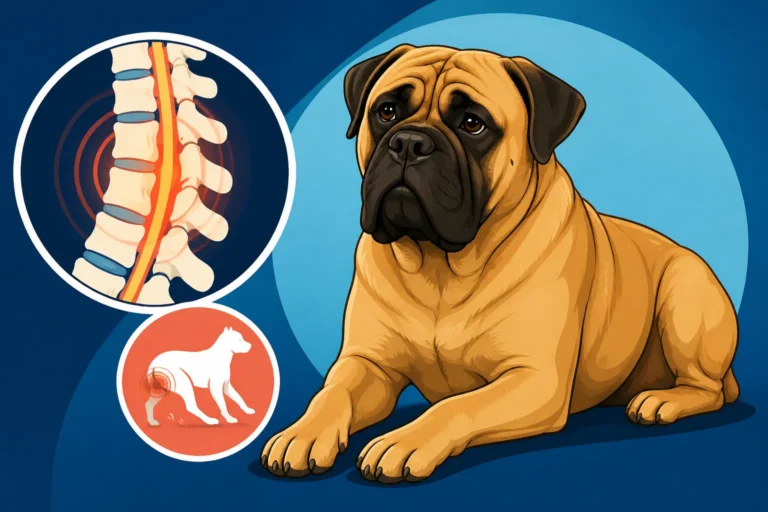
Consider how your Bullmastiff lies down or rises. Do they circle more before settling? Do they groan or grunt as they lower themselves? Do they push up with their front legs first, letting their rear end "unfold" slowly? These are all signs they might be managing joint pain, perhaps Signs a Bullmastiff's Hips Hurt or another orthopedic issue. You might even notice a subtle tremor in a limb or a muscle spasm if they're holding themselves rigidly to avoid pain. Sometimes, a change in how they hold their head or tail can also indicate neck or back discomfort.
A general reluctance to move, or a slower pace during activities they once enjoyed, is another key indicator. While Bullmastiffs aren't marathon runners, they still enjoy a good lumbering walk. If your dog starts lagging behind, or suddenly refuses to go as far as they used to, it's worth investigating. Even a shift in how they carry their weight, perhaps a more hunched posture, can be a sign of abdominal discomfort or back pain. These are the little things that, added together, paint a picture of unease.
Alterations in Grooming and Appearance
Pain can manifest in less obvious physical ways, including changes related to grooming and general appearance. One common sign is excessive licking, chewing, or grooming of a specific body part. If your Bullmastiff is repeatedly licking their paw, knee, hip, or lower back, there's a good chance that area is bothering them. This isn't just a casual lick; it's a focused, repetitive action often leading to stained fur or even skin irritation. Sometimes, they might even try to scratch or rub the painful spot against furniture.
A Bullmastiff who is typically enthusiastic about being brushed might suddenly become sensitive or even irritable when you try to brush a particular area. They might pull away, growl softly, or even snap, which is very out of character for this breed. Beyond localized grooming, a duller coat, excessive shedding, or lack of proper grooming can also be indicators of chronic pain or illness, as the dog may not feel well enough to maintain their coat or their body's systems aren't functioning optimally. Keep an eye on their eyes too – dull, watery, or squinting eyes can suggest discomfort or fever.
Appetite and Thirst Variations
Changes in appetite and thirst are often red flags for various health issues, including pain. A Bullmastiff experiencing pain, especially dental pain, mouth injuries, or abdominal discomfort, might show a decreased interest in food. They might approach their bowl, sniff it, and then walk away, or eat only a small portion. If they are eating, watch for difficulty chewing or reluctance to open their mouth widely. Sometimes, they might even drop food or prefer softer options, indicating oral discomfort.
On the flip side, some painful conditions, particularly those involving fever or systemic inflammation, can lead to an increased thirst. You might notice your Bullmastiff emptying their water bowl more frequently or seeking water in unusual places. Any sudden, unexplained change in eating or drinking habits warrants a closer look. For instance, a condition like bloat in a Bullmastiff can cause extreme pain and distress, often leading to restlessness and inability to settle, making it crucial to be aware of any significant digestive changes.
Behavioral Indicators of Discomfort
Beyond the physical, a Bullmastiff's personality and daily routines can shift dramatically when they're in pain. These behavioral changes are often the first, most telling signs that something isn't right, especially for owners who know their dogs intimately. Pay attention to how your Bullmastiff interacts with you, their sleep patterns, and any new vocalizations.
Changes in Interaction and Mood
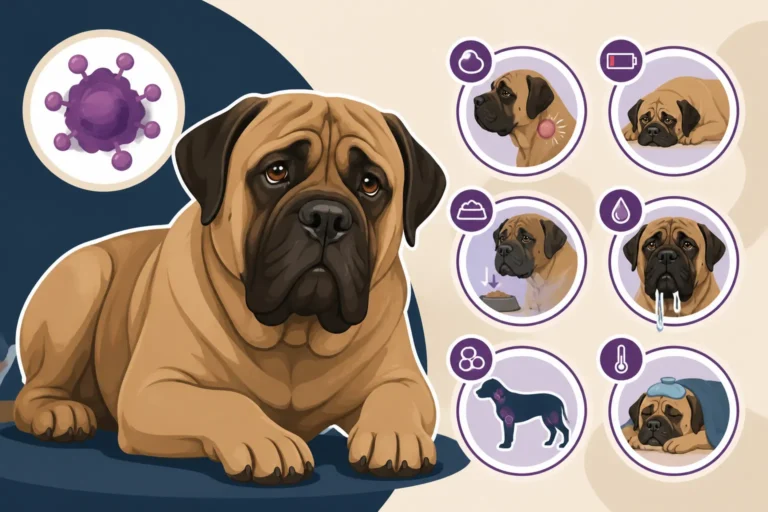
One of the clearest indicators that your Bullmastiff is in pain is a change in their typical interactions and overall mood. A dog that is usually affectionate and greets you with enthusiasm might become withdrawn, seek solitude in another room, or show less interest in playtime. They might avoid being petted, especially in sensitive areas, or even growl or snap if inadvertently touched on a sore spot. This is particularly concerning as it's so out of character for a normally placid Bullmastiff. Whether a Bullmastiff With Lymphoma Feels Ill at First can manifest as subtle changes in demeanor long before more obvious physical signs appear.
Conversely, some Bullmastiffs might become unusually clingy, seeking constant reassurance and comfort from their owners. They might follow you more closely, lean on you more often, or demand more attention than usual. This can be their way of signaling distress and seeking protection. Any shift in their willingness to engage with family members, other pets, or even their favorite toys should be taken seriously as a potential sign of underlying pain or illness. They rely on you to interpret these silent pleas.
Altered Sleep Patterns
Sleep is incredibly important for Bullmastiffs, and changes in their sleep patterns can be a significant clue to underlying pain. A dog in discomfort might struggle to get comfortable, constantly shifting positions, sighing, or getting up and down frequently during the night or during naps. You might notice them avoiding their favorite sleeping spot or lying in unusual positions in an attempt to alleviate pressure on a sore joint or body part. If your Bullmastiff is restless and unable to settle, especially if combined with other signs, it's a red flag.
On the other hand, a Bullmastiff in chronic pain might sleep more than usual. This isn't necessarily a sign of peaceful rest, but rather an attempt to conserve energy or escape from constant discomfort. They might appear lethargic or sluggish even after a long period of sleep, indicating that their body isn't truly recovering. Observe not just the quantity but also the quality of their sleep; frequent waking, discomfort upon rising, or unusual sleep postures are all reasons for concern.
Vocalizations and Respiration
While Bullmastiffs are generally quiet dogs, subtle changes in their vocalizations can hint at pain. You might hear soft groans or grunts when they move, lie down, or try to stand up, especially if it’s consistent. These sounds are often distinct from their usual contented "Bullmastiff noises." An increase in general vocalizations, such as whimpering or low moans when they are usually silent, is a definite sign that something is amiss. Learning Why a Bullmastiff Grunts and Groans can help you differentiate between normal breed sounds and those indicating discomfort.
Beyond actual vocalizations, changes in respiration can also indicate pain. Increased panting without physical exertion or heat, or heavy, shallow breathing, can be signs of distress or pain. Sometimes, a dog might even hold their breath momentarily before moving, anticipating a painful sensation. Always consider the context: panting after a vigorous walk on a warm day is normal, but panting while resting in a cool room is not. Any sudden or persistent change in their breathing pattern should be noted and investigated.
When to Call the Vet and What to Expect
Recognizing the subtle signs of pain in your Bullmastiff is only the first step; knowing when to seek professional help and what to anticipate during a vet visit is equally crucial. Trusting your instincts as an owner is paramount, as you are the expert on your individual dog.
Trust Your Gut
Perhaps the most important piece of advice when it comes to a Bullmastiff hiding pain is this: trust your gut. You live with your dog every day. You know their quirks, their habits, their baseline demeanor. If something feels "off" – even if you can't quite put your finger on a specific symptom – it's always worth addressing. Bullmastiffs are creatures of routine and subtle shifts often indicate underlying issues that they are trying to hide. Don't second-guess yourself if you have a nagging feeling that your dog isn't quite right.
It's better to make a vet appointment and find out it was nothing serious than to wait until your stoic Bullmastiff can no longer mask their pain, at which point the condition might be more advanced and potentially harder to treat. Early detection of health issues, including those causing chronic pain, can significantly improve the prognosis and quality of life for your Bullmastiff. This proactive approach can make all the difference, especially considering How Long a Bullmastiff Lives on Average.
Preparing for the Vet Visit
When you've decided to take your Bullmastiff to the vet for suspected pain, come prepared. Your observations are invaluable to the diagnostic process. Before your appointment, take notes on:
- Specific changes: Detail exactly what you've noticed – when it started, how often it occurs, and what makes it better or worse.
- Behavioral shifts: Document any changes in appetite, thirst, sleep, play, or interactions.
- Physical observations: Note any new lumps, excessive licking, changes in posture or gait.
- Previous medical history: Be ready to discuss any past injuries, surgeries, or ongoing conditions.
During the visit, be as descriptive as possible. Don't be afraid to show videos if you've captured any instances of unusual behavior or movement at home, as dogs often "put on a brave face" at the vet's office. Remember that unexpected vet bills can add up quickly, especially for diagnostic tests. Having pet insurance, like a comprehensive plan from Healthy Paws, can provide immense peace of mind and help ensure you can afford the best care for your Bullmastiff without financial stress. It’s a smart way to plan for the unexpected.
Diagnostic Tools
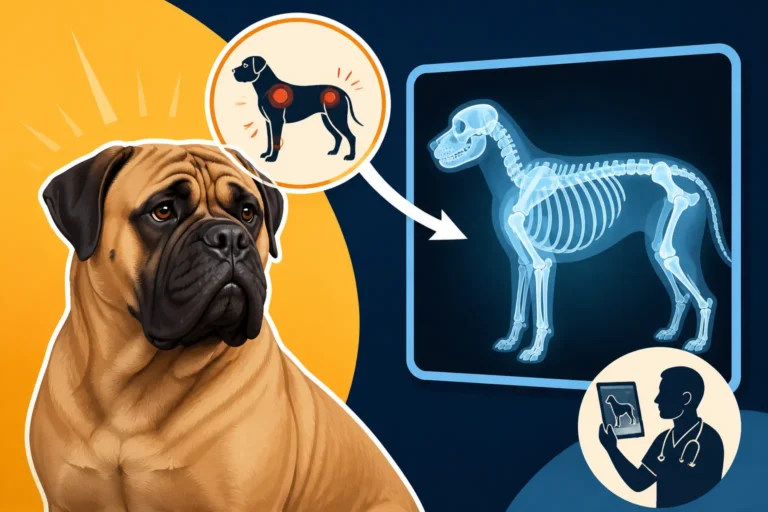
Diagnosing pain in a stoic Bullmastiff often requires a combination of a thorough physical examination and various diagnostic tools. Your vet will perform a comprehensive hands-on exam, checking for tenderness, swelling, range of motion, and nerve responses. They will likely observe your Bullmastiff walking and standing to assess their gait and posture.
Depending on their initial findings and your observations, your vet might recommend several diagnostic tests:
- Radiographs (X-rays): These are commonly used to evaluate bones and joints, looking for conditions like arthritis, hip dysplasia (a common concern for Bullmastiffs, as discussed in Hip Dysplasia in a Bullmastiff), fractures, or even tumors.
- Blood work and urinalysis: These tests can reveal underlying infections, inflammation, organ dysfunction, or systemic illnesses that might be causing discomfort.
- Ultrasound: This imaging technique provides detailed views of soft tissues and internal organs, helping to identify issues like abdominal pain, organ enlargement, or masses.
- MRI or CT scans: For more complex cases, especially those involving the spine, brain, or difficult-to-image joints, advanced imaging like an MRI or CT scan might be necessary.
- Joint fluid analysis: If joint disease is suspected, a sample of fluid from the affected joint might be taken for analysis.
A good pet insurance plan, such as one from Healthy Paws, can be incredibly beneficial for covering the costs associated with these diagnostic procedures, which can range from hundreds to thousands of dollars. Knowing your plan will help with What Insurance Covers on a Bullmastiff empowers you to make medical decisions based on your Bullmastiff's needs, not just your wallet.
The journey to pinpointing pain in a Bullmastiff can sometimes be a process of elimination, requiring patience and collaboration with your veterinary team. Don't hesitate to ask questions, voice your concerns, and explore all available options for diagnosis and treatment.
Here’s a quick reference table for common pain indicators:
| Category | Subtle Signs of Pain in a Bullmastiff | What to Observe |
|---|---|---|
| Movement | Stiffness, hesitation, reluctance to move, altered gait, favoring a limb | Watch rising/lying down, climbing stairs, getting into car, length of stride during walks. Notice if they shift weight when standing. |
| Posture | Hunched back, lowered head, reluctance to stretch, unusual resting positions | Observe their typical resting posture. Do they avoid fully extending? Is their back rounded or stiff? |
| Interaction | Withdrawal, increased clinginess, irritability when touched, less play | Note changes in greeting, desire for petting, interaction with family/other pets. Are they snapping or growling when usually gentle? |
| Appetite | Decreased interest in food, difficulty chewing, dropping food | Observe if they finish meals, how they chew, any reluctance to eat dry kibble. Is their mouth bothering them? |
| Grooming | Excessive licking/chewing a spot, reluctance to be brushed | Look for hot spots, stained fur from licking. Does your dog resist grooming in specific areas? |
| Sleep | Restlessness, difficulty getting comfortable, sleeping more, unusual positions | How often do they shift or get up during sleep? Do they seem exhausted after sleeping? Are they choosing different sleeping spots? |
| Vocalization | Soft groans, grunts when moving, increased panting (without exertion) | Listen for new sounds associated with movement. Is their breathing heavy or rapid when at rest? |
| Appearance | Dull coat, sad or squinting eyes, muscle tremors | Look for changes in coat quality, eye brightness. Are there any visible muscle twitches or shaking? |
Disclaimer
This article is for general informational purposes only and does not constitute professional advice. Laws, prices and regulations vary by location and change over time. Consult a qualified professional for guidance on your specific situation.