Signs a Bullmastiff Puppy Is Not Thriving
Bringing home a Bullmastiff puppy is such a joyful, exciting time, but it also comes with a whole new level of worry. It's truly heartbreaking to see your little giant not acting quite right, feeling that gnawing anxiety that something might be seriously wrong. This guide is here to help you understand the subtle and not-so-subtle signs that your Bullmastiff puppy might not be thriving, giving you the confidence to identify problems early and know exactly when it’s time to seek professional help.
What "Thriving" Really Means for Your Bullmastiff Puppy
When we talk about a Bullmastiff puppy thriving, we’re not just talking about eating and sleeping. It's about a holistic picture of physical and behavioral wellness that indicates healthy growth and development. For a breed as substantial and prone to specific issues as the Bullmastiff, understanding what "normal" looks like is your first line of defense against potential problems. A thriving Bullmastiff puppy is usually a bundle of contradictions: clumsy yet coordinated, sleepy yet playful, and perpetually hungry but not overweight.
Normal Bullmastiff Puppy Development and Milestones
A healthy Bullmastiff puppy will exhibit a consistent pattern of growth and behavior. They should be alert and curious when awake, even if their awake periods are relatively short in the youngest stages. Their coordination, while still puppy-like, should improve steadily. You should observe them interacting with their littermates, toys, or you with a healthy level of enthusiasm. This isn't about constant high-energy bouncing off the walls, as Bullmastiffs tend to be more reserved, but it is about appropriate engagement. They should be able to get up, move around, and explore without obvious discomfort.
From a very young age, a Bullmastiff puppy needs specific nutritional support to ensure proper development. We often discuss Why a Bullmastiff Puppy Needs Large Breed Food because rapid growth can be detrimental to their developing joints and skeletal structure. So, "thriving" means growing at an appropriate, steady rate, not necessarily the fastest rate. Consistent, solid stools are also a hallmark of a healthy digestive system, as is good hydration and clear, bright eyes.
Tracking Weight and Growth for Optimal Health
One of the most crucial indicators of a thriving Bullmastiff puppy is consistent, appropriate weight gain. This isn't just about the number on the scale; it's about the rate of gain. Bullmastiffs are giant breeds, and their growth plates are open for a longer period than smaller dogs. Excessive or too-rapid weight gain can put immense strain on their still-developing bones and joints, predisposing them to conditions like hip or elbow dysplasia. This is why paying close attention to Weighing a Bullmastiff Puppy Every Week and consulting a growth chart specific to large breeds is so vital.
You want to see a steady, upward curve in weight, but not a sharp spike. Conversely, a lack of weight gain or even weight loss is a serious red flag. Puppies have high metabolic rates and should be gaining consistently. If your puppy isn't gaining weight, or is even losing it, despite eating well, it could indicate parasites, malabsorption issues, or other underlying health problems that need prompt veterinary attention. Keeping a journal of their weight, food intake, and general observations can be incredibly helpful for your vet. Remember, the goal is slow and steady, not fast and furious.
Common Physical Signs of a Non-Thriving Bullmastiff Puppy
Sometimes, the most obvious signs that something isn't quite right are physical. These aren't always dramatic, but subtle changes in your Bullmastiff puppy's appearance can be critical clues that they're struggling. As a responsible owner, becoming attuned to these physical indicators is paramount, as early intervention can make all the difference.
Weight and Body Condition Concerns
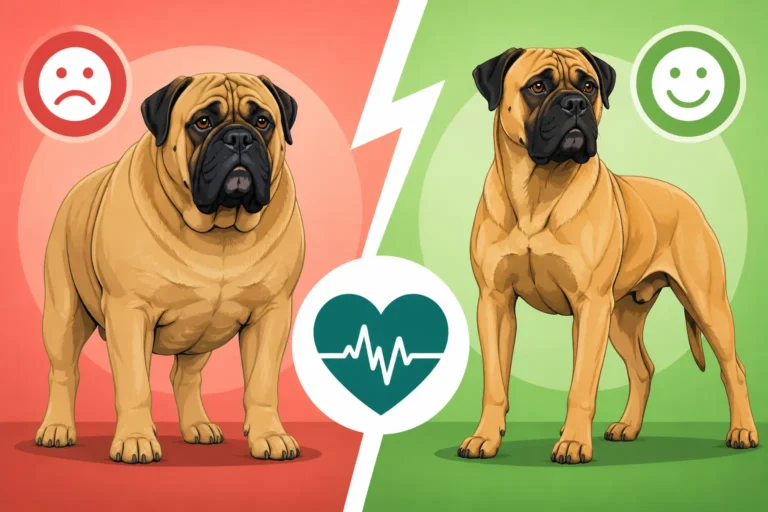
A Bullmastiff puppy's ideal body condition is one where you can easily feel their ribs without seeing them prominently, and they have a visible waist when viewed from above. If your puppy is visibly underweight, with ribs, hip bones, or spine protruding, this is a clear sign they are not thriving. It could be due to insufficient food intake, poor quality food, or an inability to absorb nutrients properly, perhaps because of parasites or gastrointestinal disease. You might want to consider What a Bullmastiff Puppy Eats at Four Months as a benchmark for appropriate intake.
On the flip side, an overweight puppy is also a concern. While we all love a chunky baby, for a Bullmastiff, being too heavy puts unnecessary stress on their growing joints, increasing the risk of orthopedic issues down the line. You might feel a thick layer of fat over their ribs, or notice they have no discernible waist. This is why Why a Bullmastiff Puppy Should Be Kept Lean is such crucial advice, right from the start. Overfeeding, or feeding an inappropriate diet, can lead to health problems just as much as underfeeding can. Both extremes warrant a discussion with your veterinarian.
Coat, Skin, Eyes, and Nose Anomalies
A healthy Bullmastiff puppy should have a short, dense, smooth coat that lies flat and has a healthy sheen. If your puppy's coat appears dull, dry, brittle, or sparse, it could be a sign of nutritional deficiencies, internal parasites, or skin conditions. Excessive shedding, flakiness, redness, or bald patches are also concerning. These can indicate allergies, external parasites like fleas or mites, fungal infections, or even hormonal imbalances, though the latter is less common in very young puppies. Keep an eye out for any scabs, bumps, or persistent scratching, as these are clear indicators of discomfort.
Their eyes should be bright, clear, and free from excessive discharge, redness, or cloudiness. A small amount of clear discharge can be normal occasionally, but thick, colored discharge, or constantly watery eyes, could signal an infection, irritation, or even a structural issue like entropion (where the eyelid rolls inward). Their nose should be slightly damp and clean, without any thick, colored discharge, crusting, or excessive dryness. If you see signs of discomfort around the eyes or nose, such as pawing or rubbing, don't hesitate to check in with your vet.
Hydration and Mucous Membrane Checks
Proper hydration is absolutely vital for a puppy's health, and signs of dehydration can quickly escalate into a serious emergency. You can check your Bullmastiff puppy's hydration by gently lifting their upper lip and looking at their gums. They should be pink and moist. If they are pale, tacky, or dry, your puppy could be dehydrated. Another way to check is by performing a "skin tent" test: gently pinch the skin on their back or neck, lift it, and then release. In a well-hydrated puppy, the skin should snap back into place almost immediately. If it remains "tented" for more than a second or two, your puppy is likely dehydrated.
Sunken eyes are another sign of severe dehydration. Puppies can become dehydrated very quickly, especially if they are experiencing vomiting or diarrhea. This is one of those situations where pet insurance, like a policy from Healthy Paws, can provide immense peace of mind, allowing you to seek emergency care without the added stress of immediate financial concerns. Any signs of dehydration, no matter how minor they seem, warrant immediate veterinary attention.
Behavioral Indicators That Your Bullmastiff Puppy Isn't Doing Well
Beyond the physical, your Bullmastiff puppy's behavior is a powerful communication tool. Changes in their normal routines, energy levels, or disposition can speak volumes about their internal state. Being observant of these subtle shifts can help you catch problems before they become critical.
Changes in Appetite, Thirst, and Digestion
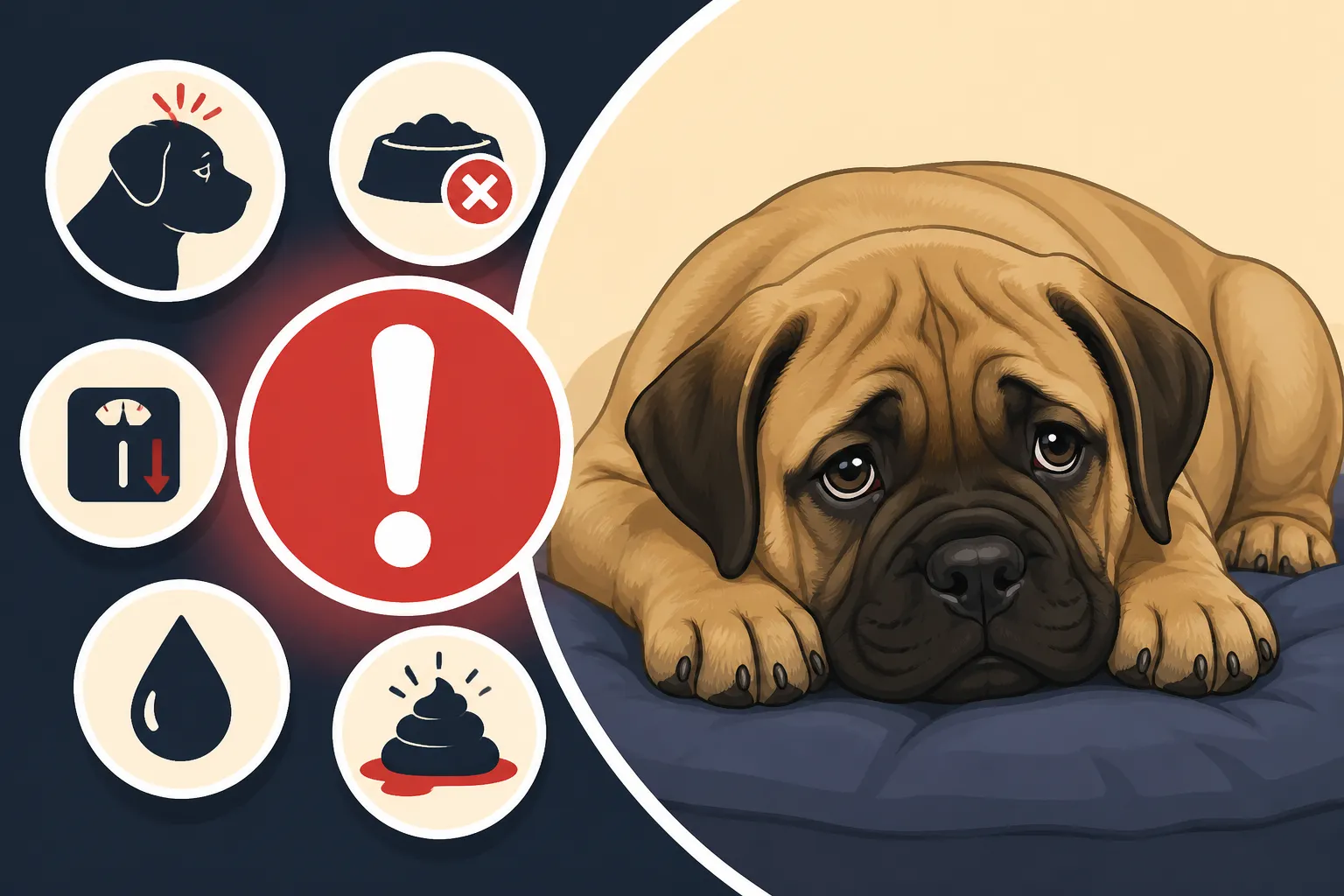
A Bullmastiff puppy is usually enthusiastic about mealtime. A sudden loss of appetite, refusing to eat for more than one meal, or showing disinterest in treats they usually adore, is a significant red flag. This can signal anything from an upset stomach to a serious illness. Conversely, a sudden, insatiable thirst accompanied by excessive urination could indicate kidney issues or even diabetes, though again, less common in very young puppies.
Vomiting and diarrhea are common puppy ailments, but they should never be ignored. While a single instance of vomiting might just be an upset stomach from eating something they shouldn't have, persistent vomiting or diarrhea, especially if accompanied by blood, lethargy, or fever, requires immediate veterinary care. Puppies can become severely dehydrated and weakened very quickly from these symptoms. Knowing Why a Bullmastiff Should Rest After Meals can help prevent issues like bloat, but unrelated digestive issues are a different concern.
Lethargy, Activity Level, and Disinterest
Puppies, even big, mellow Bullmastiffs, should have bursts of playful energy. If your Bullmastiff puppy is unusually lethargic, sleeping much more than usual, or showing a marked decrease in their interest in play, walks, or interaction, it’s a sign that something is wrong. They might be slow to respond, move stiffly, or simply prefer to lie down rather than engage. This isn't about them being sleepy after a vigorous play session; it's a sustained lack of energy and enthusiasm.
If your puppy seems weak, wobbly, or struggles to stand or walk, this is an urgent situation. It could indicate pain, neurological issues, or severe illness. Even if it seems minor, a change in activity level from their usual baseline warrants a call to your vet. Bullmastiffs are known for their calm demeanor, but a healthy puppy still has plenty of life and curiosity.
Pain Signals and Reluctance to Move
Bullmastiffs are notoriously stoic, and they often hide pain remarkably well. This makes it even more crucial for owners to recognize subtle signs of discomfort. These can include:
- Reluctance to move: Hesitation to jump, climb stairs, or even get up.
- Whining or crying: Especially when touched in a certain area, or during movement.
- Limping or favoring a limb: Even if intermittent. Conditions like Hip Dysplasia in a Bullmastiff can start showing subtle signs even in puppyhood.
- Guarding behavior: Snapping or growling if you try to touch a sensitive area.
- Changes in posture: A hunched back, arched stance, or refusal to bear weight.
- Excessive licking: Focusing on a particular joint or area.
If you suspect your Bullmastiff puppy is in pain, do not delay in contacting your veterinarian. Pain can be a symptom of various underlying issues, from injuries to serious orthopedic or internal problems, and puppies shouldn't have to suffer.
When to Call the Vet: Urgent Signs and What to Expect
It’s always better to be safe than sorry when it comes to your Bullmastiff puppy’s health. While some minor issues might resolve on their own, recognizing truly urgent signs and acting swiftly can be life-saving. Don't second-guess yourself if your gut tells you something is seriously wrong.
Critical Symptoms Requiring Immediate Veterinary Attention
Some symptoms simply cannot wait. If your Bullmastiff puppy exhibits any of the following, seek emergency veterinary care immediately:
- Difficulty breathing: Labored breathing, gasping, blue-tinged gums. This could be related to conditions such as those mentioned in Why a Bullmastiff's Short Muzzle Cannot Cool It if accompanied by overheating.
- Severe or continuous vomiting/diarrhea: Especially with blood, or if accompanied by lethargy and dehydration.
- Sudden weakness or collapse: Inability to stand, disorientation.
- Bloated or distended abdomen: With unproductive retching or pain (signs of bloat). For a Bullmastiff, Signs a Bullmastiff Is Bloating are critical to recognize quickly.
- Seizures: Uncontrolled shaking, loss of consciousness.
- High fever or extreme low body temperature: Signs of infection or shock.
- Ingestion of a toxin or foreign object: Any suspicion of poisoning or obstruction.
- Uncontrolled bleeding or severe injury: Deep cuts, trauma.
- Severe pain: Constant crying, inability to get comfortable, yelping when touched.
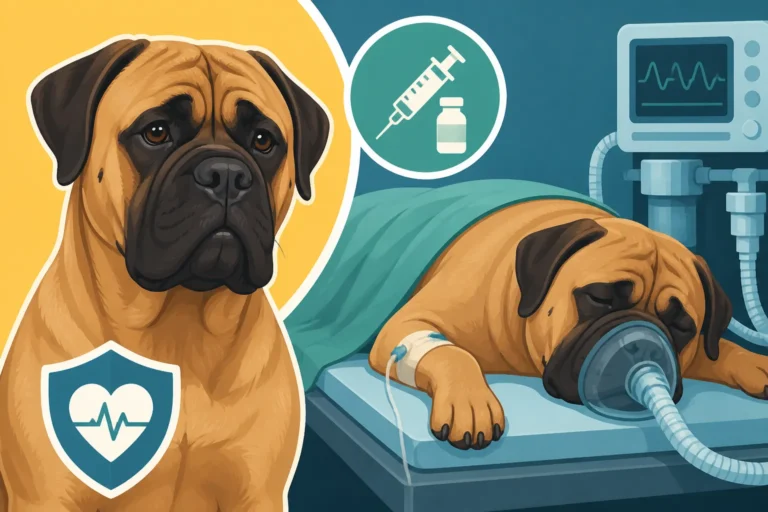
In these situations, time is of the essence. Don't wait for your regular vet to open; head to the nearest emergency veterinary clinic. This is precisely why many pet parents find value in pet insurance providers like Healthy Paws, which can help cover unexpected emergency costs and allow you to focus on your puppy's care rather than the bill.
Preparing for Your Vet Visit
When you need to take your puppy to the vet, especially for an urgent issue, having relevant information ready can significantly help the diagnostic process.
What to Prepare:
- Detailed symptom history: When did the symptoms start? How have they progressed? How often do they occur?
- Food information: What brand and type of food do they eat? Any recent changes?
- Vaccination and deworming history: Crucial for assessing infection risk. Refer to The Vaccination Schedule a Bullmastiff Puppy Needs.
- Recent exposure: Have they been around other dogs? Eaten anything unusual?
- Photos/Videos: Sometimes a behavior or symptom is intermittent; a video can be incredibly helpful.
- Stool/vomit sample: If applicable and safe to collect.
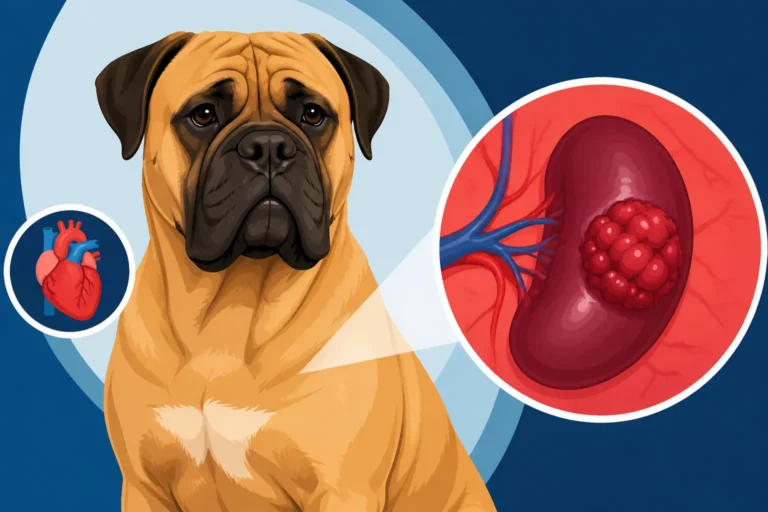
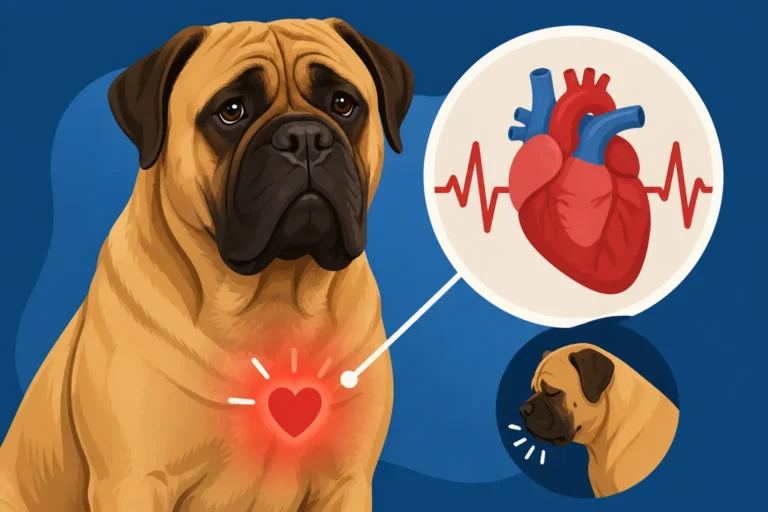
Your vet will conduct a thorough physical examination, and depending on the symptoms, may recommend diagnostic tests such as blood work, fecal tests, X-rays (for issues like those covered in When a Bullmastiff Should Be X Rayed), or an ultrasound. They may also discuss genetic predispositions, such as those that lead to Why a Bullmastiff Puppy Needs a Cardiac Exam.
Understanding Diagnostic and Treatment Paths
Once your veterinarian has gathered all the necessary information, they will discuss potential diagnoses and a treatment plan. This might involve medications, fluid therapy, dietary changes, or in some cases, surgery. It’s important to ask questions and fully understand the recommended course of action.
Sometimes, diagnosing a non-thriving puppy can be a process of elimination, requiring multiple tests. This is where having a reliable pet insurance plan, such as one from Healthy Paws, can be invaluable, helping to ease the financial burden of extensive diagnostics and ongoing treatments. Early diagnosis and appropriate treatment are key to giving your Bullmastiff puppy the best chance at a long, healthy life.
Remember, you are your puppy's best advocate. Trust your instincts, be observant, and don't hesitate to seek professional veterinary advice whenever you have concerns about your Bullmastiff puppy's well-being.
Summary of Thriving vs. Non-Thriving Puppy Signs
| Category | Signs of a Thriving Bullmastiff Puppy | Signs of a Non-Thriving Bullmastiff Puppy |
|---|---|---|
| Weight & Growth | Steady, appropriate weight gain; lean body condition (can feel ribs, no prominent bones) | Underweight (ribs/hips/spine showing); Overweight (no waist, fat over ribs); No weight gain or weight loss |
| Appetite & Thirst | Enthusiastic eater; consistent water intake | Loss of appetite; excessive thirst; refusing food |
| Energy & Activity | Playful bursts, alert, curious, appropriate napping | Lethargy, excessive sleeping, disinterest in play/interaction, weakness |
| Coat & Skin | Shiny, smooth coat; healthy skin, no scratching/flakiness | Dull, dry, sparse coat; excessive shedding; flaky, red, or bald skin; persistent scratching |
| Eyes & Nose | Bright, clear eyes, minimal discharge; damp, clean nose, no discharge | Red, watery, or pus-filled eyes; crusty or thick discharge from nose |
| Gums & Hydration | Pink, moist gums; skin snaps back quickly after pinch | Pale, dry, or tacky gums; slow skin tenting; sunken eyes |
| Digestion & Stools | Regular, firm, well-formed stools | Persistent vomiting or diarrhea (especially with blood); straining to defecate; bloated abdomen |
| Comfort & Movement | Moves freely, no limping or guarding; comfortable posture | Whining, limping, reluctance to move, guarding body part, hunched posture |
Disclaimer
This article is for general informational purposes only and does not constitute professional advice. Laws, prices and regulations vary by location and change over time. Consult a qualified professional for guidance on your specific situation.