Whether a Bullmastiff Would Bite an Intruder
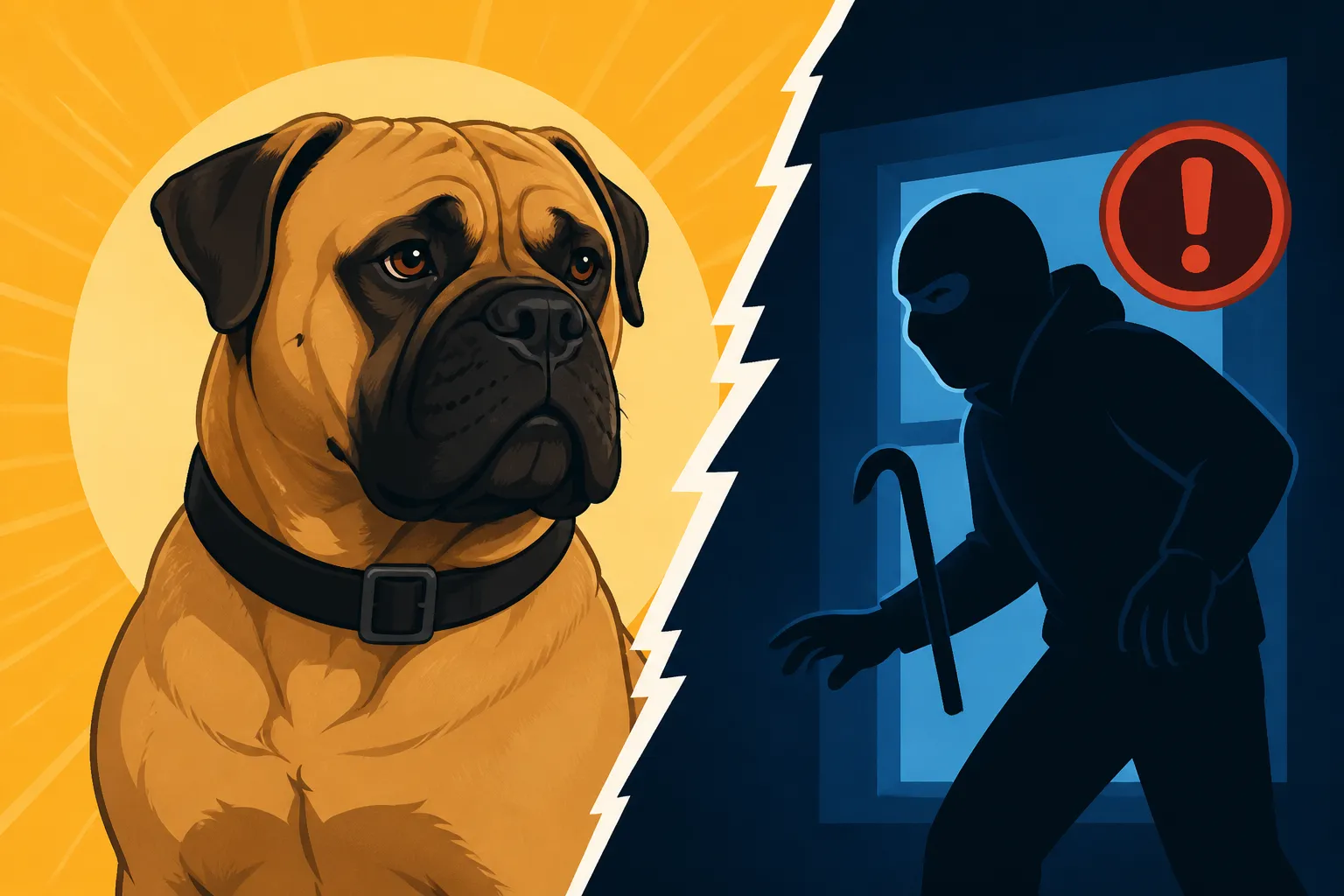
It’s a question that weighs heavily on the minds of many prospective Bullmastiff owners, and it’s a perfectly valid one: will my big, imposing Bullmastiff actually bite an intruder? The reputation of the Bullmastiff often precedes them, painting a picture of a fearless, formidable guardian. While this perception isn't entirely wrong, the reality of how these majestic dogs react to a perceived threat, particularly a human intruder, is far more nuanced than a simple "yes" or "no." This guide will delve deep into the Bullmastiff's unique protective instincts, their historical job, and what you can realistically expect from your loyal companion should someone unwelcome step onto your property.
Understanding the Bullmastiff's Historical Role as a "Gamekeeper's Night Dog"
To truly grasp how a Bullmastiff might react to an intruder today, we have to travel back in time to their origins. These magnificent dogs weren't just randomly bred; they were purpose-built for a very specific and challenging job: assisting gamekeepers in Victorian England. The estates were vast, the woods often dark, and poachers were a constant threat to the landowner's livelihood.
The Original Purpose: Deterrence, Not Destruction
The gamekeeper needed a dog that could patrol silently, detect an intruder without giving away its presence, and then, crucially, apprehend that person without causing fatal injury. Think about that for a moment. This wasn't a dog meant to maim or kill; it was a "night dog" designed to catch and hold a poacher until the gamekeeper arrived. They were often referred to as "the gamekeeper's night dog" for a reason. Their massive size, powerful build, and imposing presence were already half the battle. Just seeing a Bullmastiff emerge from the shadows was often enough to make a poacher reconsider his activities.
The ideal Bullmastiff would silently track, then rush the poacher, knocking them down and pinning them, or simply using their sheer bulk to prevent escape. This "holding" instinct, rather than a predatory bite to injure, was paramount. A gamekeeper didn't want to explain a dead body to the authorities; he wanted to present a captured, breathing poacher. This distinction is vital in understanding the breed's default protective mode. While they are certainly capable of a bite, their historical blueprint emphasizes control and immobilization. A Bullmastiff Was Bred to Hold a Man, Not Bite Him is an excellent resource to further explore this fascinating aspect of their history.
Why Biting Was Counterproductive to Their Job
Consider the legal and practical ramifications for a gamekeeper if his dog routinely bit and severely injured poachers. It would quickly lead to legal troubles, bad publicity, and potentially the destruction of valuable working dogs. The goal was to deter and detain, not to act as an executioner. This meant that dogs prone to unprovoked aggression or indiscriminate biting were not desirable and would not have been bred.
Instead, breeders focused on dogs with immense physical power, unwavering loyalty to their handler, and an inherent sense of judgment. They needed a dog that could differentiate between a threat and, say, a lost hiker or a child wandering into the wrong part of the woods. This careful selection process instilled a level of controlled aggression, where force was used as a last resort and, even then, was typically aimed at immobilizing rather than inflicting grievous wounds. This historical context forms the bedrock of the Bullmastiff's temperament even today. They are formidable, yes, but they are also deliberate in their actions, often preferring to use their presence and bulk before resorting to more extreme measures.
The Bullmastiff's Natural Guarding Instincts Today
Even though most Bullmastiffs today aren't patrolling vast estates, their genetic wiring for guardianship remains strong. They are instinctively protective of their home and family, often without needing any specialized "guard dog" training.
The "Silent Sentinel" – How They Assess Threats
One of the most striking characteristics of a Bullmastiff is their calm, quiet observation. They aren't typically barkers. While other breeds might erupt into a frenzy at every squirrel or passing car, a Bullmastiff often approaches potential threats with a serene, almost unnerving stillness. They observe first, taking in the situation, the body language of the person, and the reaction of their human family. This is the "silent sentinel" at work.
Their assessment often follows a progression:
- Observation: A low growl, a shift in posture, or simply fixing a steady gaze on the perceived intruder. They might move closer to their family members or between their family and the door/window.
- Deterrence by Presence: Their sheer size and muscular build are often enough to make anyone think twice. A Bullmastiff standing silently, head held high, looking directly at a stranger can be incredibly intimidating.
- Intervention (Non-Physical): This might involve a deeper, more insistent growl, a low bark that sounds more like a rumbling warning than an alarm, or physically blocking an entry point. They communicate their disapproval clearly before escalating.
This methodical approach means they rarely overreact. They are processing information, deciding if the threat is genuine, and often giving the intruder ample opportunity to retreat before taking more direct action. You'll find this quiet watchfulness described in Why a Bullmastiff Was Bred to Work Silently.
Body Language and Presence as Deterrents
A Bullmastiff's protective actions often start long before any physical contact. Their body language speaks volumes. A Bullmastiff will often position itself between its family and a perceived threat, subtly leaning or stepping into the space. This isn't just a sign of affection; it's a protective maneuver. Why a Bullmastiff Leans on People delves into this behavior, but in a guarding context, it's a clear statement: "This is my family, and you are not welcome here."
Their massive heads, powerful shoulders, and deep chests are designed for impact. An "uninvited guest" might first encounter a formidable block of muscle, a dog that simply stands in their way, refusing to move. This physical presence, combined with a steady, unblinking stare, can be profoundly unsettling. Many Bullmastiff owners report that the mere sight of their dog, or the deep rumble of a warning growl, has been sufficient to send intruders running. It’s a testament to their inherent nature: they are built to deter and contain, and often, that’s all that’s needed.
When a Bullmastiff Might Escalate to a Bite
While a Bullmastiff’s first line of defense is usually deterrence and physical containment, it’s crucial to understand that they are capable of biting, and will do so under specific, extreme circumstances.
The Spectrum of Protection: From Presence to Physicality
A Bullmastiff typically moves through a spectrum of protective behaviors, escalating only as the perceived threat intensifies.
- Initial Warning: Staring, stiff posture, deep rumbling growl.
- Physical Interposition: Blocking, leaning, moving between owner and threat.
- Exaggerated Display: A sudden lunge, a powerful bark, snapping air. This is often a final warning, a demonstration of capability without actual contact.
- Physical Restraint/Holding: Knocking down, pinning, holding with their powerful jaws. This is the historical "hold" behavior, intended to incapacitate without severe injury.
- Biting to Harm: This is usually reserved for situations where the dog perceives an immediate, grave threat to its family, especially its handler, or if it feels trapped and unable to deter the threat through other means. If an intruder ignores all previous warnings, attempts to harm a family member, or continues to aggressively push past the dog, a Bullmastiff is absolutely capable of a powerful, damaging bite. Their bite force is substantial, and a determined Bullmastiff can inflict serious injury.
It's important to remember that Bullmastiffs are not inherently aggressive dogs that bite without provocation. Their escalation is typically measured and reactive to the specific circumstances. They want the threat to go away; they don't necessarily seek a fight.
Instinct vs. Training: The Owner's Role
While the guarding instinct is deeply ingrained in the Bullmastiff, an owner's role in channeling and controlling this instinct is paramount. An untrained Bullmastiff, while naturally protective, can also be a liability. Without proper socialization and obedience, their protective instincts might be misdirected, leading to fear-based aggression or an inability to "turn off" their guarding behavior when no real threat exists.
Conversely, a Bullmastiff that is deliberately trained for "protection work" (where biting is encouraged) can be incredibly dangerous in the wrong hands. For the average pet owner, protection training for a Bullmastiff is generally deemed unnecessary and often ill-advised. Their natural instincts are usually sufficient. In fact, training them to bite on command or to be excessively aggressive can be detrimental, making them unpredictable and difficult to manage in everyday situations. This is why resources like Why Protection Training Is Unnecessary for a Bullmastiff strongly caution against it.
Instead, the focus for Bullmastiff owners should be on solid obedience and socialization. A dog that understands and respects its owner's commands, such as "leave it," "stay," and "come," is a dog that can be managed in a stressful situation. This strong foundation of obedience, as discussed in Training a Bullmastiff That Weighs More Than You Do, allows the owner to be the ultimate decision-maker, guiding their dog's powerful instincts rather than letting them run wild. A good training program, perhaps one found through resources like BAXTER & Bella, can help owners build this crucial bond and control.
Factors Influencing a Bullmastiff's Response
A Bullmastiff's decision to escalate its protective behavior, particularly to a bite, isn't a simple knee-jerk reaction. It's influenced by a complex interplay of their individual temperament, past experiences, the immediate environment, and the nature of the perceived threat.
Socialization and Early Experiences
Just like with any dog, a Bullmastiff's early socialization plays a monumental role in shaping its adult behavior. A well-socialized Bullmastiff puppy, exposed to a wide variety of people, places, sounds, and other dogs in a positive and controlled manner, learns to distinguish between everyday occurrences and genuine threats. They learn that most strangers are not dangerous and that new experiences are generally safe. This builds confidence and discernment.
On the other hand, a Bullmastiff that is undersocialized or had negative early experiences with people might develop fear or anxiety around strangers. This fear can easily manifest as aggression, making them more prone to biting out of insecurity rather than true protective instinct. They might view every unfamiliar person as a potential threat, leading to unpredictable and dangerous behavior. Owners must commit to consistent, positive socialization from a young age to ensure their Bullmastiff develops into a confident, stable guardian.
Owner Presence and Perceived Threat Level
A Bullmastiff's response to an intruder can differ significantly depending on whether their beloved human family is present.
- Owner Present: If you are home, your Bullmastiff will likely look to you for cues. They might bark once or twice, then stand by you, sizing up the situation. If they perceive you are being threatened, their protective instincts will kick in fiercely. However, if you calmly indicate that a visitor is welcome, most well-adjusted Bullmastiffs will defer to your judgment. They want to protect you, and if you signal there’s no danger, they'll usually relax. This is where strong obedience training becomes crucial, allowing you to control the situation.
- Owner Absent: When a Bullmastiff is alone in the house or yard, they become the sole protector. In this scenario, their default protective response might be more direct. If an intruder enters the home while you're out, the Bullmastiff may feel a greater imperative to act decisively, as there's no human to guide them or confirm the threat. They might be more likely to physically intervene or to use their "holding" instinct more readily. This is why securing your home and ensuring your dog is comfortable being alone are important aspects of responsible Bullmastiff ownership.
The Intruder's Actions and Intent
The behavior of the intruder itself is a massive factor. A Bullmastiff can often sense intent.
- Hesitant or Fleeing Intruder: If an intruder is clearly startled, hesitates, or immediately tries to flee upon encountering the Bullmastiff, the dog's primary goal (deterrence) has been achieved. The Bullmastiff might continue to bark or pursue briefly, but is less likely to engage in a physical bite once the threat is clearly retreating.
- Aggressive Intruder: If an intruder acts aggressively, shouts, makes sudden movements, or tries to physically confront the Bullmastiff or the family, then the dog's response will escalate rapidly. This is when the Bullmastiff is most likely to move past deterrents and employ physical force, including biting, to neutralize the perceived danger. They are not dogs to back down from a direct confrontation when their family is in jeopardy.
- Passive or Non-Threatening Intruder (e.g., lost person): A well-socialized Bullmastiff is generally capable of discerning between someone who is genuinely threatening and someone who is simply lost, confused, or inadvertently on your property. While they will still alert and guard, they are less likely to initiate an attack on someone who isn't displaying aggressive intent. This discernment is a hallmark of their historical breeding and proper socialization.
Responsible Ownership and Managing Guarding Behavior
Owning a Bullmastiff means embracing their protective instincts, but also understanding the immense responsibility that comes with managing such a powerful guardian. It's about harnessing their natural abilities safely and effectively.
Emphasizing Control and Obedience
For a dog of the Bullmastiff's size and protective nature, unwavering obedience is not just a nicety; it’s a necessity. You must be able to call your Bullmastiff off a situation, to tell them "leave it" and have them comply, even when their instincts are screaming otherwise. This level of control requires consistent, positive reinforcement training from a very young age.
Think about common scenarios: a delivery driver at the door, a child running quickly past the fence, or a new guest arriving. Your Bullmastiff's initial reaction might be to guard. With proper training, you can calmly greet the delivery person or guest, giving your dog the cue that this person is not a threat. A Bullmastiff that understands "settle" or "go to your mat" can be an invaluable asset in managing these interactions smoothly. For more insights into their trainability, you can read How Trainable a Bullmastiff Is. If you're looking for structured guidance, platforms like BAXTER & Bella offer online puppy and dog training programs that can be incredibly helpful for new Bullmastiff owners, emphasizing positive methods that build trust and control.
Creating a Safe and Predictable Environment
Part of responsible Bullmastiff ownership involves creating an environment where both your dog and visitors are safe.
- Secure Fencing: A Bullmastiff needs a strong, secure fence. Not only does this keep them safely on your property, preventing them from chasing after perceived threats outside your boundary, but it also prevents unwanted intrusions.
- Managing Door Interactions: Teach your Bullmastiff a "place" command for when the doorbell rings or someone knocks. This allows you to answer the door calmly, assess the situation, and then introduce your dog once you've determined the visitor is welcome. For delivery drivers, it's often best to secure your Bullmastiff in another room or on a leash until the person has left. You can get quality, heavy-duty leashes and harnesses suitable for a Bullmastiff's size on Amazon. For specific advice on these interactions, check out Whether a Bullmastiff Is Safe With Delivery Drivers.
- Supervised Introductions: When introducing new people, especially children, to your Bullmastiff, always supervise. Give your dog clear cues, let them approach calmly, and manage the interaction. Their sheer size means they can accidentally knock someone over, even in play, so teaching gentle greetings is paramount.
Understanding the Legal and Ethical Implications
As a Bullmastiff owner, you are legally and ethically responsible for your dog's actions. If your Bullmastiff bites someone, even an intruder, there can be serious consequences for you and your dog. Laws vary by region, but a dog bite can lead to fines, legal action, and in severe cases, the requirement for your dog to be euthanized. This is another crucial reason why control and proper management of their guarding instincts are non-negotiable.
Your homeowners insurance policy might also have stipulations regarding certain breeds or dog bite incidents. It’s always wise to check your policy and ensure you have adequate coverage. Being a responsible owner means being prepared for all aspects of Bullmastiff guardianship, not just enjoying their companionship.
Summarizing Bullmastiff Guarding Behavior
To make it clear, here's a quick overview of how a Bullmastiff typically approaches the concept of an intruder:
| Behavior Stage | Description | Likelihood of Bite | Owner Role |
|---|---|---|---|
| Observation | Silent, watchful. May exhibit stiff body posture, low growl, intense stare. | Low (unless intruder is immediately aggressive) | Teach "watch me" and "settle" commands. Ensure thorough socialization to distinguish real threats. |
| Deterrence by Presence | Blocks entry, places itself between family and threat, leans, stands its ground. Large size and silent demeanor are intimidating. | Low (often effective in itself) | Reinforce "place" or "stay" commands for controlled greetings. Manage entry points. |
| Warning/Interposition | Deeper growl, low, authoritative bark, body blocking, nudging, a powerful lunge without contact. | Moderate (escalation if warnings are ignored) | Absolute obedience is key: "leave it," "come," "stay." This allows you to manage the situation. Consider advanced obedience classes from BAXTER & Bella or local trainers. |
| Physical Holding | Knocks intruder down, pins, or uses jaws to hold firmly (historical purpose). Aims to incapacitate, not severely injure. | High (if previous warnings failed and threat persists) | This is a natural instinct. Your role is primarily prevention through training and environmental management to avoid reaching this stage unnecessarily. |
| Biting to Harm | Severe bite to injure or stop a persistent, aggressive threat to self or family. | High (if intruder is actively attacking or ignoring all other measures) | This is a last resort. Prevention through training, management, and avoiding direct confrontation is paramount. |
Conclusion
So, will a Bullmastiff bite an intruder? The honest answer is: potentially, yes, but it's typically a last resort. Their genetic blueprint is for deterrence and holding, not for immediate aggression or lethal force. They are formidable guardians who prefer to use their imposing presence and physical bulk to discourage threats. However, if an intruder ignores all warnings, poses an immediate physical danger to their family, or directly attacks the dog, a Bullmastiff will not hesitate to use its full power to protect its loved ones, and that includes a powerful bite.
Owning a Bullmastiff is a privilege that comes with the profound responsibility of managing this powerful instinct. Through consistent training, thorough socialization, and thoughtful management of their environment, you can ensure your Bullmastiff is a magnificent, discerning protector who knows when to hold back and when to act, all while remaining a loyal and gentle companion within your home.
Disclaimer
This article is for general informational purposes only and does not constitute professional advice. Laws, prices and regulations vary by location and change over time. Consult a qualified professional for guidance on your specific situation.