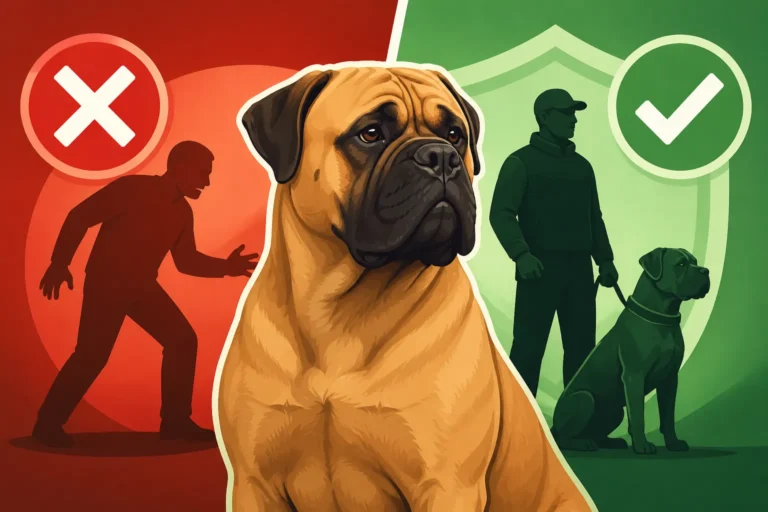
Whether a Bullmastiff Makes a Guard Dog
Many people considering a powerful, imposing breed like the Bullmastiff often picture a formidable protector, a vigilant sentinel standing guard over their home and family. While it’s true that Bullmastiffs possess a strong natural instinct to protect, the reality of what makes them a "guard dog" is often misunderstood and far more nuanced than simply being an aggressive deterrent. This guide will delve into the Bullmastiff's unique guarding traits, their historical purpose, and what you can truly expect from these loyal giants when it comes to safeguarding your loved ones and property.
The Bullmastiff's Original Job: Gamekeeper's Night Watchman
To understand a Bullmastiff's guarding capabilities, we first need to look back at their origins. They weren't bred to be attack dogs in the modern sense; their job was much more specific and, dare I say, refined. They were the silent partners of English gamekeepers in the mid-19th century, tasked with protecting vast estates from poachers.
Bred to Hold, Not to Harm
The core of the Bullmastiff's historical function revolved around stopping poachers, not maiming them. Imagine a gamekeeper out on a dark, sprawling estate. He needed a dog that could track silently, catch up to a fleeing poacher, and then hold them without causing severe injury until the gamekeeper arrived. This "hold, not harm" philosophy is critical to understanding the breed's fundamental nature. They were designed to be powerful enough to physically deter and control a full-grown man, but with enough restraint to avoid a brutal attack. This delicate balance of strength and control is still deeply embedded in the breed's psyche today. You can read more about this in A Bullmastiff Was Bred to Hold a Man, Not Bite Him.
This historical role is why you often see Bullmastiffs described as "the silent guard." They weren't meant to bark incessantly and draw attention; stealth was paramount. A gamekeeper didn't want his dog announcing its presence from a mile away. Instead, the Bullmastiff would move quietly, using its keen senses to locate an intruder, and then engage with overwhelming physical presence rather than a torrent of noise. This instinct for quiet vigilance means that while they might not be constantly sounding the alarm, their actions when a genuine threat arises are often swift and decisive.
A Mix of Mastiff and Bulldog for Purpose
The Bullmastiff's lineage, famously 60% Mastiff and 40% Bulldog, further illustrates their intended purpose. The Mastiff provided the sheer size, power, and inherent territoriality, making them an intimidating presence. However, Mastiffs could sometimes be a bit too slow or perhaps too prone to actual fighting if not handled correctly for the gamekeeper's specific needs. The Bulldog, on the other hand, brought courage, tenacity, and that lower center of gravity crucial for bringing down and holding a man. It contributed to the strength in their jaws and the determined grip that allowed them to "hold" rather than bite and tear.
This thoughtful blending of breeds created a dog that was agile enough to pursue, strong enough to subdue, and controlled enough to prevent excessive injury. The result was a loyal, courageous, and instinctively protective animal that understood its boundaries – a stark contrast to breeds specifically developed for "bite work" or aggressive defense. Their guarding style is less about overt aggression and more about imposing physical presence and unyielding control.
Understanding the Bullmastiff's Natural Protective Instincts
Bullmastiffs are naturally protective of their family and territory. It's not something you generally have to teach them; it's practically hardwired into their DNA. However, this protective instinct isn't a switch you can just flip for "guard dog mode." It manifests in distinct ways that are unique to the breed.
How Protection Manifests: The "Body Block" and the "Lean"
One of the most common ways a Bullmastiff displays its protective nature is through physical presence. They are masters of the "body block" – placing themselves between you and what they perceive as a potential threat. This could be a new visitor, an unfamiliar noise, or even another animal. It's their way of saying, "I've got this, stay behind me." This isn't just a quirky behavior; it's a profound demonstration of their guardian instinct. They will often lean on you, too, which many owners perceive as affection, and while it is, it also serves as a subtle way of staking their claim and connecting with their human. You can often see this instinct in action when they physically assert their position, nudging you with their massive head or settling themselves directly in your path. Learn more about their protective gestures in How a Bullmastiff Body Blocks a Stranger.
Their response to strangers is often a good indicator of their protective nature. A well-socialized Bullmastiff might greet a new person with a reserved, watchful demeanor rather than exuberant tail wags. They'll observe, assess, and often physically position themselves between you and the visitor until they've determined there's no threat. If they sense unease or perceive a shift in body language from a stranger that suggests malicious intent, their posture will change dramatically. The quiet observation will give way to a rigid stance, a deep, rumbling growl (if they decide to vocalize), and an unwavering stare that communicates "you will go no further." This is their innate ability to How a Bullmastiff Decides Someone Is a Threat.
Territoriality and Property Protection
Bullmastiffs are inherently territorial, and their home is their castle. They consider their property, and by extension, your property, their domain to patrol and protect. This doesn't necessarily mean they'll be barking at every squirrel, but they are incredibly aware of who belongs and who doesn't. A strange car pulling into the driveway, an unfamiliar person lingering near the fence, or even an unexpected knock at the door will typically trigger their watchful instincts.
This territoriality means they are often excellent at deterring unwanted visitors purely by their imposing presence. A Bullmastiff lounging in the yard, even seemingly asleep, has a way of communicating "do not approach." Their sheer size and muscular build are often enough to make anyone with ill intent think twice. They might patrol the fence line, sniff out unusual scents, and generally keep a mental inventory of everything happening around their territory. If an actual intrusion were to occur, their primary instinct would be to stop the intruder, holding them captive rather than attacking aggressively, a direct callback to their gamekeeper roots. This protective zoning extends to whatever space they consider their own, which means the car is often also part of their domain. Many owners notice their Bullmastiff will guard the car if left alone in it, even briefly. For a deeper understanding of this aspect, you might want to read Whether a Bullmastiff Guards the Yard.
Training a Bullmastiff for Home and Family Protection
While Bullmastiffs possess strong natural protective instincts, proper training and socialization are absolutely crucial to ensure these instincts are channeled appropriately and safely. You're not "making" a Bullmastiff a guard dog; you're guiding their inherent abilities.
The Importance of Basic Obedience and Socialization
A truly effective and safe guard dog, regardless of breed, is first and foremost a well-behaved dog. For a Bullmastiff, whose adult weight can easily exceed 100 pounds, solid basic obedience is non-negotiable. Commands like "sit," "stay," "come," and a reliable "leave it" are not just polite manners; they are critical safety measures. Imagine trying to control a large, highly protective dog in a tense situation without these foundational skills. It's a recipe for disaster. Using positive reinforcement methods and starting early with a program like BAXTER & Bella can lay a fantastic groundwork for a respectful and obedient companion. Early and consistent training helps establish you as the leader, ensuring your Bullmastiff looks to you for guidance on how to react in various situations.
Beyond obedience, extensive socialization is paramount. A Bullmastiff needs to be exposed to a wide variety of people, places, sounds, and other animals from a young age. This doesn't diminish their protective instincts; rather, it refines them. A well-socialized Bullmastiff learns what is normal and what truly warrants concern. They develop discernment, understanding that the mail carrier, the neighborhood kids, or a friend visiting isn't a threat. Without proper socialization, their natural wariness can easily morph into fear-based aggression or over-reactivity, which is far from the controlled, confident guardian you desire. Consistent exposure helps them learn How a Bullmastiff Greets a Stranger.
Why Formal Protection Training is Often Unnecessary and Risky
For the average family and home, formal "protection training" or "bite work" for a Bullmastiff is not only unnecessary but can be incredibly risky and counterproductive. Unlike some breeds specifically designed for sport protection, the Bullmastiff's natural guarding style is more about deterrence, physical presence, and holding, not about being taught to aggressively bite on command. Trying to force a Bullmastiff into a role that goes against its inherent "hold, not harm" design can confuse the dog, potentially leading to unpredictable and dangerous behavior.
Furthermore, entrusting the nuances of a Bullmastiff's protective instincts to someone other than yourself requires extreme caution. A Bullmastiff should be protective on your terms, under your control. Professional protection training is often geared towards specific sport or police work, which is very different from everyday home protection. It can also increase liability and make your dog a target for breed-specific legislation. Most Bullmastiff owners find that their dog's natural instincts, combined with excellent socialization and basic obedience, provide more than enough security without needing to engage in specialized, often aggressive, training. In fact, many breed enthusiasts advise strongly against it, recognizing Why Protection Training Is Unnecessary for a Bullmastiff.
Bullmastiffs: Not Your Typical "Attack Dog"
It’s crucial to differentiate a Bullmastiff's guarding style from what many people envision as an "attack dog." The two concepts are vastly different, both in historical context and modern application.
The Silent Deterrent vs. the Aggressive Fighter
As we've discussed, the Bullmastiff was bred to be a silent operator. They excel as a deterrent simply by their formidable presence. A stranger encountering a 130-pound Bullmastiff standing silently, watching their every move, is likely to reconsider any nefarious intentions. This quiet, watchful intensity is often more effective than a barking frenzy from other breeds. Their natural instinct is to engage with restraint, focusing on stopping and holding an intruder rather than tearing into them. This means you’re far more likely to see a Bullmastiff body-block, pin, or stand guard over an incapacitated intruder than launch a full-scale attack. Their default mode is containment, not combat. This "silent guard" aspect is a hallmark of the breed, as explored in The Silent Guard: Why a Bullmastiff Barks So Little.
| Trait | Bullmastiff Guarding Style | Typical "Attack Dog" Breeds (e.g., some Malinois, GSD lines) |
|---|---|---|
| Primary Goal | Deterrence, stop, hold, physically block | Bite, subdue, incapacitate through aggression |
| Vocalization | Minimal barking, deep growls, silent observation | Often vocal, warning barks, aggressive snarls |
| Initial Reaction | Watchful, reserved, body language, physical presence | High drive, overt aggression, quick to engage with force |
| Engagement Style | Containment, restraint, physical force without biting intent | Bite work, trained to target and grip |
| Bred Purpose | Gamekeeper's aid, preventing escape | Police, military, sport protection, disabling threats |
| Family Suitability | Excellent family protectors, discerning | Requires highly experienced handler, intense training |
This table highlights the fundamental difference in their approach. The Bullmastiff's strength lies in its intimidating presence and controlled force, while an "attack dog" is typically trained to use aggressive bite work as its primary defense mechanism.
The Myth of the "Vicious" Bullmastiff
Unfortunately, due to their size and powerful appearance, Bullmastiffs are sometimes unfairly stereotyped as vicious or inherently aggressive. This couldn't be further from the truth. A well-bred, well-socialized Bullmastiff is known for being a gentle giant with its family – affectionate, loyal, and surprisingly sensitive. Their calm demeanor, even when faced with novel situations, is often underestimated. They are not prone to unprovoked aggression. Any instances of a Bullmastiff being truly "vicious" are almost always the result of poor breeding, lack of socialization, harsh training methods, or abuse, rather than an inherent trait of the breed itself.
Their discerning nature means they are often very good at judging character. They can be wary of strangers, but this wariness is typically coupled with a calm assessment. They watch, they listen, and they wait for cues from their owner. If you welcome someone into your home, your Bullmastiff will usually accept them, albeit with their characteristic reserved scrutiny. However, if they perceive a real threat, that gentle giant persona will vanish, replaced by an immovable force. But even then, their instinct is often to stop the threat, not to engage in wanton destruction, as discussed in Whether a Bullmastiff Would Bite an Intruder.
Living with a Guarding Bullmastiff
Bringing a Bullmastiff into your home means welcoming a natural protector. Understanding how to integrate this instinct into your daily life ensures a harmonious and secure environment for everyone.
Managing Interactions with Visitors and Strangers
One of the key aspects of living with a guarding Bullmastiff is managing their interactions with people outside the immediate family. Because of their inherent protective nature and wariness of strangers, introducing new people to your Bullmastiff requires a deliberate approach. It's not about hiding your dog away, but about facilitating calm and controlled introductions. When guests arrive, a common scenario might be your Bullmastiff observing from a distance, perhaps letting out a low, questioning rumble. It’s vital for you to project confidence and reassurance, clearly communicating to your dog that the visitor is welcome. A good strategy is to have guests ignore the dog initially, allowing the Bullmastiff to approach on their own terms and sniff them out. Over time, as your dog learns to trust your judgment, they will relax around your accepted guests.
Even with regular visitors, Bullmastiffs often maintain a level of reserved observation. They might eventually solicit a head scratch or lean into a familiar guest, but they rarely exhibit the exuberant, indiscriminate friendliness of some other breeds. For delivery drivers or service personnel who are in and out quickly, a Bullmastiff might always maintain a more guarded stance. This is where a sturdy leash and the "stay" command, or even temporarily crating them in another room, can be incredibly useful tools. Online retailers like Amazon offer a wide range of heavy-duty crates and gates perfectly suited for the Bullmastiff's size, which can be invaluable for managing these situations safely and respectfully for both your dog and your guests.
Bullmastiffs and Children: The Family Protector
Bullmastiffs generally have an excellent reputation with children within their own family. Their calm, patient, and often goofy nature makes them wonderful companions for kids. They are naturally protective of the "cubs" in their pack and will often position themselves as a silent guardian, supervising playtime or naps. They understand their immense size and are often surprisingly gentle, though supervision is always necessary with any large dog and small children to prevent accidental bumps or knocks. My own Bullmastiff would always be found within a few feet of my toddler, quietly observing, ready to intervene if a cry of distress was heard. This protective bond extends to all members of their perceived family, making them incredibly loyal companions. You can delve more into this topic with A Bullmastiff With Children.
However, this inherent protectiveness can also extend to other children interacting with "their" children. If a Bullmastiff perceives rough play or an unfamiliar child being too boisterous with their family's kids, their protective instincts might kick in. It's crucial for children, both yours and visitors, to be taught how to interact respectfully and safely with such a large dog. Understanding your Bullmastiff's body language is key to anticipating any protective reactions before they escalate. Consistent training and socialization ensure that the Bullmastiff learns to differentiate between playful roughhousing and genuine threats, which is a vital part of responsible Bullmastiff ownership. For more on how they handle youngsters, check out How a Bullmastiff Handles a Toddler.
Responsible Ownership: Managing a Bullmastiff's Protective Nature
Owning a Bullmastiff means accepting the immense responsibility that comes with managing a powerful, protective breed. This isn't just about training; it's about lifestyle, awareness, and proactive measures.
Establishing Clear Boundaries and Leadership
Because Bullmastiffs are so naturally protective, it's absolutely essential that you establish yourself as the confident, fair leader of the household from day one. Your Bullmastiff needs to know that you are in charge of security and that you will decide what constitutes a threat and how to respond. Without this clear leadership, a Bullmastiff might decide to take matters into their own paws, which can lead to unwanted and dangerous situations. This isn't about dominance in an aggressive sense, but about clear communication and consistency. Using an online training program like BAXTER & Bella can be incredibly helpful for new owners, as they provide structured guidance to help you build this foundation of trust and respect.
This means setting clear boundaries: who enters the home, how they are greeted, and what behaviors are acceptable. For example, teaching your Bullmastiff to "place" or "bed" when guests arrive gives you control over their presence without isolating them. It teaches them that while they can observe, you are the one who will handle the situation. Consistent reinforcement of these rules, paired with plenty of positive reinforcement for desired behaviors, will create a balanced and respectful relationship where your Bullmastiff trusts your judgment and defers to your decisions. It’s an ongoing process, but one that is deeply rewarding for both owner and dog. Effective training strategies for a dog of this size and temperament are crucial, as highlighted in Training a Bullmastiff That Weighs More Than You Do.
The Reality of Liability and Insurance
Let's be realistic: owning a large, powerful breed with guarding instincts like a Bullmastiff comes with increased liability. While Bullmastiffs are generally calm and good-natured, their size and strength mean that any incident, even an accidental one, can have serious consequences. This isn't to scare you, but to impress upon you the importance of responsible ownership. Homeowners insurance policies can vary greatly when it comes to covering certain breeds, and it's imperative to check with your provider. Some might exclude Bullmastiffs, while others might require specific riders or have higher premiums. It's a frustrating reality for many Bullmastiff owners, but one that must be addressed proactively.
Beyond insurance, your actions directly impact public perception and safety. Keeping your Bullmastiff well-socialized, leashed in public, and contained within a secure yard (fences should be robust and high enough for a powerful dog) is non-negotiable. If you have guests over, manage introductions carefully. Never allow your Bullmastiff to be in a situation where they might feel threatened or overstimulated, especially with unfamiliar individuals or children. A responsible Bullmastiff owner is a vigilant owner, constantly aware of their dog's temperament and surroundings, ensuring that their beloved protector remains a safe and respected member of the community.
Disclaimer
This article is for general informational purposes only and does not constitute professional advice. Laws, prices and regulations vary by location and change over time. Consult a qualified professional for guidance on your specific situation.