When a Bullmastiff Finishes Maturing
Bringing a Bullmastiff puppy home is an exciting time, but if you’re like many new owners, you might be wondering when that energetic, goofy pup will finally settle into the dignified adult you envisioned. It's a common frustration, especially with giant breeds, to find that they stay in an extended "puppy" phase long after smaller dogs have become calm, mature companions. This guide is here to shed light on the Bullmastiff's unique maturation timeline, helping you understand their developmental stages and manage your expectations for their journey to adulthood.
Understanding Canine Maturity: It's Not Just Size
It's easy to look at a Bullmastiff puppy growing by leaps and bounds, seemingly doubling in size every month, and assume they're maturing just as quickly on the inside. However, physical growth is only one part of the equation, and for a breed like the Bullmastiff, the mental and emotional development often lags significantly behind their impressive physical stature. This disconnect can lead to a lot of head-scratching moments for owners who are faced with a massive dog still acting like an overgrown toddler.
We tend to associate "adulthood" with a dog reaching its full height and weight, but canine maturity is a far more complex process. It involves a symphony of hormonal changes, neurological development, and learned behaviors that all come together at different rates. For a Bullmastiff, who is already a deliberately thinking, sometimes ponderous breed, this maturation period is noticeably longer than many other dogs. It requires an extra layer of patience and understanding to navigate these prolonged adolescent years.
Physical Growth: When the Paws Stop Growing
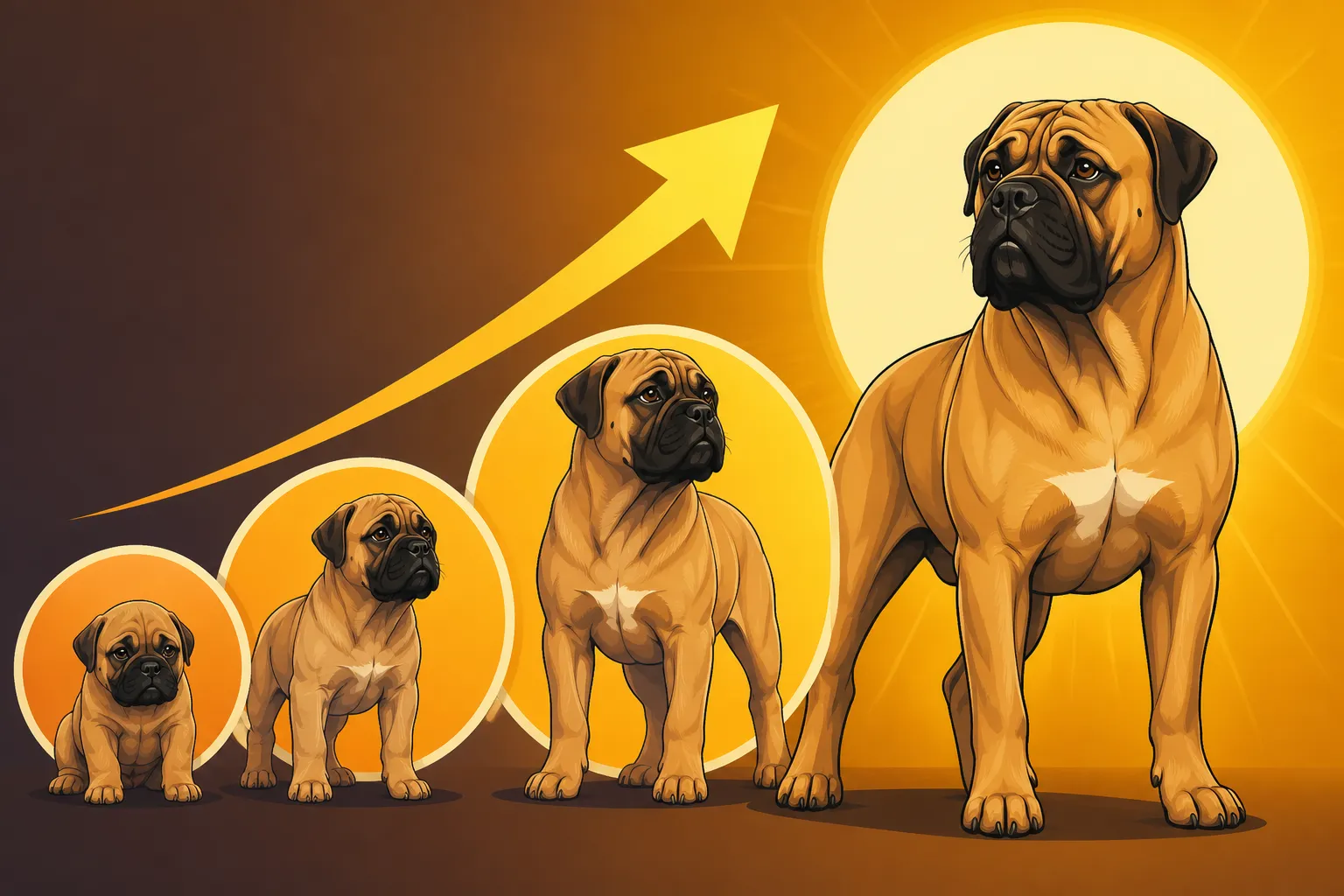
The most obvious sign of growth in a Bullmastiff is their sheer increase in size. These dogs are truly magnificent, starting as chunky little fluffballs and transforming into powerful, muscular animals in what feels like the blink of an eye. You'll notice their paws, which seemed comically large on a young pup, eventually start to look proportionate to their legs, signaling a major milestone. Most Bullmastiffs will reach their full height somewhere between 12 to 18 months, though individual dogs can vary. Their growth plates, the soft areas at the ends of long bones that allow for lengthening, are typically closed by this point.
However, reaching full height doesn't mean they're done growing. For a Bullmastiff, the next phase is "filling out." This is when they add muscle mass and breadth, transitioning from a gangly teenager into a truly substantial adult. This can continue well into their second year, sometimes even touching on their third. It's a critical time for their skeletal and muscular development, which is why proper nutrition and avoiding excessive exercise in puppyhood are so important. Overdoing it can put undue stress on still-developing joints. Why a Bullmastiff Puppy Should Not Run on Concrete is a good read if you're wondering about exercise limits.
Hormonal Changes and Adolescence
Just like human teenagers, adolescent Bullmastiffs go through a whirlwind of hormonal changes that can dramatically affect their behavior. These changes typically kick in around 6-9 months of age, coinciding with sexual maturity. For males, this means a surge in testosterone, which can lead to increased marking, territorial behaviors, and a greater interest in female dogs. For females, their first heat cycle often marks the start of this phase.
These hormonal shifts don't just affect reproductive behaviors; they also influence brain development. The part of the brain responsible for impulse control and decision-making is still under construction, meaning your Bullmastiff might suddenly "forget" commands they once knew perfectly or choose to ignore you in favor of something more interesting. This isn't usually defiance; it's often a genuine struggle with impulse control. Expect a phase where they test boundaries more rigorously, try to assert dominance (especially unneutered males), and might seem less focused than before. This period of When a Bullmastiff Hits Adolescence can be challenging, but it's a normal part of their journey.
The Bullmastiff's Extended Adolescence: A Gentle Giant's Long Road
While many breeds hit their stride and settle down by 18-24 months, the Bullmastiff takes its sweet time. This isn't a flaw; it's simply part of their design as a large, powerful, and deliberate breed. Owners who expect a calm, mature dog by their second birthday are often surprised to find a large, energetic, and sometimes mischievous "teenager" still inhabiting their home. This extended adolescence demands extra patience, consistent training, and a deep understanding of what makes a Bullmastiff tick.
Their physical size can sometimes mask their mental immaturity, leading to comical, if sometimes frustrating, situations where a 120-pound dog still tries to sit on your lap or doesn't realize its own strength. It's crucial to remember that this "puppy brain" phase is natural and not a sign of a poorly trained dog, but rather a testament to their prolonged developmental timeline.
When a Bullmastiff Hits Adolescence
Most Bullmastiffs enter their adolescent phase between 9 and 12 months of age, though some might start a little earlier or later. This is often when that adorable puppy charm gives way to a more independent, and sometimes stubborn, personality. They're exploring their world with more confidence, pushing boundaries, and asserting themselves in ways they didn't as younger pups. You might find them suddenly more interested in other dogs, less responsive to recall, or deciding that a perfectly clean training session is now too boring to participate in.
This stage can last for a long time, often stretching well into their second year, sometimes even longer for some individuals. It's a period where their bodies are adult-sized, but their minds are still catching up. They're developing their own opinions, testing how far they can push you, and trying to understand their place in the family hierarchy. Recognizing that this is a normal, albeit lengthy, phase can help you maintain your composure and continue with consistent guidance.
Why They Stay "Puppy Brains" Longer
Bullmastiffs are known for their deliberate nature. They aren't the kind of dog to react impulsively; they tend to pause, assess, and then act. While this trait makes them excellent, thoughtful guardians in adulthood, it means their decision-making process takes longer to develop. Their brains are wired for careful consideration, which contributes to a slower maturation of impulse control and emotional regulation. This is part of A Bullmastiff Is Not Grown Up Until Three.
Unlike some faster-paced breeds that might mature mentally around 18 months, a Bullmastiff's "settling down" period often doesn't truly begin until they are closer to two and a half or even three years old. During this time, they retain a lot of their youthful exuberance and playful energy, sometimes coupled with the sheer strength of an adult dog. This combination can be a handful, requiring owners to remain vigilant and consistent with training, even when it feels like they're repeating the same lessons over and over. They might genuinely understand a command but lack the mental maturity to execute it reliably every single time, especially with distractions.
Behavioral Maturation: More Than Just Obedience
Beyond simply knowing commands, a truly mature Bullmastiff exhibits a level of self-control, emotional stability, and social grace that develops over time. It's not just about sitting on command; it's about making good choices even when they're not explicitly told what to do. This kind of behavioral maturation is a gradual process, heavily influenced by their natural temperament, consistent training, and ongoing socialization. For a breed originally A Bullmastiff Was Bred to Hold a Man, Not Bite Him, understanding their inherent traits during this developmental period is key to shaping them into well-adjusted adults.
You'll observe subtle shifts in their behavior as they mature. They might become less prone to impulsive nudges, more accepting of new people in their space, or better at self-regulating their excitement. This is a testament to their brain developing the neural pathways needed for higher-level thinking and self-control. It’s during this time that the foundations you laid in puppyhood truly begin to solidify into reliable adult behaviors.
Impulse Control and Decision Making
One of the biggest indicators of a Bullmastiff's mental maturity is their ability to exhibit impulse control and make independent, sound decisions. A young Bullmastiff might bolt after a squirrel, jump on a guest, or try to counter-surf without a second thought. An adolescent Bullmastiff might know better but still struggle to resist the temptation. A truly mature Bullmastiff, however, will likely pause, look to you for guidance, or choose to ignore the temptation altogether.
This executive function takes a long time to develop in giant breeds. It requires a dog to override its primal instincts and choose a learned behavior. Consistent training, focusing on "leave it," "stay," and waiting patiently for things they want, helps build these neural pathways. Games that require thinking, like puzzle toys you can find on Amazon, or scent work, can also aid in mental development. Expect a mature Bullmastiff to be thoughtful and deliberate, rather than reactive. Why a Bullmastiff Pauses Before Obeying is a good read on this particular breed trait.
Social Maturity and Canine Companions
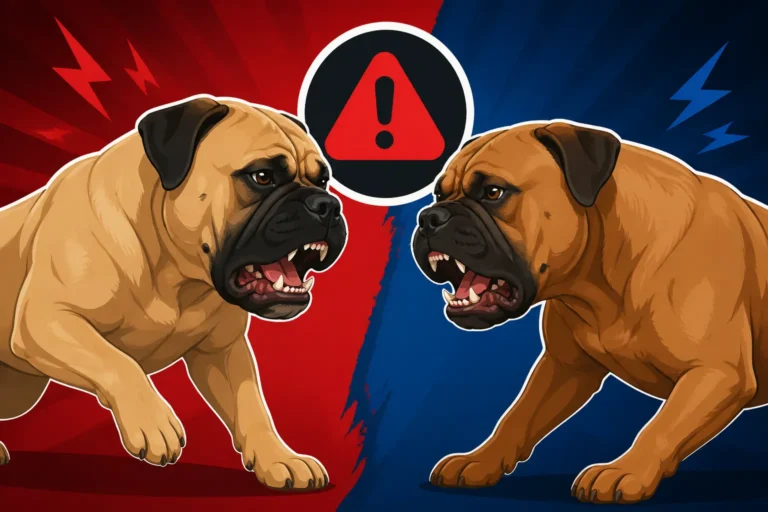
A Bullmastiff's social maturation is another important aspect of their development. As puppies, they might be boisterous and eager to play with any dog they meet. During adolescence, their social dynamics can become more complex. They might start to exhibit same-sex aggression, especially intact males, or become more selective about their canine companions. This is a natural part of maturing, as they learn to navigate the intricate world of dog-to-dog communication and establish their place.
By the time they reach full maturity, a Bullmastiff often becomes a calm, confident, and generally tolerant companion, but typically not overly social with strange dogs. They tend to be polite but reserved. They'll appreciate their known "pack" (their human family and any resident pets) and might simply ignore or give a mild acknowledgement to unfamiliar dogs. If you're wondering about how they interact with their own kind, Same Sex Aggression in Bullmastiffs offers more insights into this specific challenge. Continued, positive socialization experiences throughout their adolescent period are crucial, ensuring they learn appropriate greetings and manners, even if they choose not to be the life of the dog park party.
Training Through the Teenage Years: Consistency is Key
Navigating the extended adolescence of a Bullmastiff can feel like a marathon, not a sprint. Just when you think you've got everything figured out, your big goofy teenager might throw you a curveball. The key to successfully guiding them through this phase is unwavering consistency, immense patience, and understanding that what seems like willful disobedience is often just brain development catching up. It’s during these years that the strong bond you've built with your Bullmastiff will be truly tested and strengthened.
Remember, a Bullmastiff is a powerful dog that will outweigh most adults, so establishing good habits and manners while they are still impressionable, even if large, is paramount. Training a Bullmastiff That Weighs More Than You Do is a great resource if you feel overwhelmed by their physical strength. Don't give up on training just because they're being stubborn; this is precisely when they need your leadership most.
Reinforcing Boundaries (Even When They Act Like They Forgot)
It's common for an adolescent Bullmastiff to suddenly "forget" all the training they received as a puppy. They might ignore commands they once knew perfectly, pull on the leash after walking politely for months, or revert to naughty habits like counter-surfing. This isn't usually a sign of a lost cause, but rather their growing independence and the ongoing development of their impulse control centers. It's a prime example of their "puppy brain" still being active despite their adult body.
During this period, it's absolutely vital to go back to basics and reinforce every boundary and command with the same consistency you did when they were eight weeks old. Short, positive training sessions, using high-value rewards, can help keep them engaged. If you're finding it difficult, an online training program like the one offered by BAXTER & Bella can provide structured lessons and support to keep you on track. Their methods often focus on positive reinforcement, which works wonders for sensitive breeds like the Bullmastiff. Think of it as reviewing for a big test; they need consistent refreshers until the knowledge becomes ingrained.
Managing Physical Strength and Stubbornness
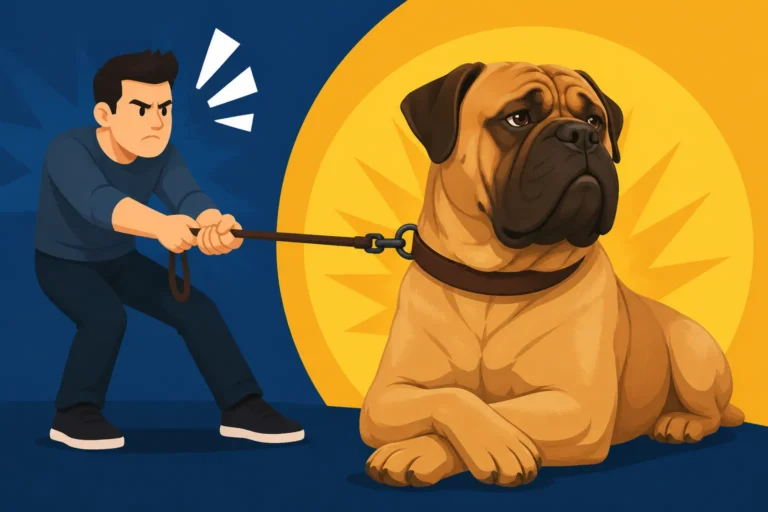
One of the most challenging aspects of Bullmastiff adolescence is managing their immense physical strength combined with their burgeoning stubborn streak. A 100-pound dog who suddenly decides they don't want to move or wants to investigate something on a walk can be an incredible force. This is why early and consistent leash training, polite greeting manners, and a rock-solid recall are non-negotiable.
Tools like front-clip harnesses can be incredibly helpful for controlling a powerful dog on walks without causing discomfort. Continue to practice loose-leash walking in various environments, gradually increasing distractions. For those moments when your Bullmastiff simply plants their feet, remember that physical force rarely works with this breed; instead, try to redirect their attention with a treat or a fun game, or simply outwait them if safe to do so. Their deliberate nature means they respond best to clear, calm leadership and positive motivation. What Motivates a Bullmastiff is a good article to review to understand how to keep your Bullmastiff engaged in training.
The "Adult" Bullmastiff: Calm, Confident, and Capable
After what can feel like an eternity of puppy antics in a giant dog's body, the day will finally come when your Bullmastiff truly settles into their adult self. This isn't a sudden transformation, but a gradual shift towards the calm, confident, and reliable companion they were bred to be. When a Bullmastiff truly finishes maturing, they become the embodiment of their "Gentle Giant" reputation – steadfast, watchful, and deeply devoted to their family. This mature phase is incredibly rewarding, a testament to the patience and dedication you've invested in their long developmental journey.
It's important to differentiate between simply being older and being truly mature. An older adolescent might be less wild, but a mature adult Bullmastiff carries a certain gravitas and self-possession that is unmistakable. They move with purpose, make thoughtful decisions, and exude a quiet confidence.
When the Bullmastiff Finally Settles Down
Most Bullmastiffs typically hit their full mental and emotional maturity between 2.5 and 3 years of age. Some may settle a little earlier, others a touch later. This is when you'll truly start to see the calm, dignified temperament that the breed is renowned for shine through consistently. The impulsive behaviors will significantly decrease, their focus will improve, and their understanding of household rules and social etiquette will solidify. They'll still have moments of playful silliness, because deep down, they're always a little bit goofy, but these will be tempered with maturity.
At this stage, a mature Bullmastiff becomes a truly magnificent presence. They are watchful but not hyper-reactive, affectionate but not overly demonstrative, and intelligent in a thoughtful, deliberate way. They've processed the world, learned the rules, and now operate from a place of quiet confidence. This is the dog that will truly live up to the image of a steadfast family protector. When a Bullmastiff Finally Settles Down delves deeper into this long-awaited phase.
Embracing the Mature Bullmastiff
The journey to a fully mature Bullmastiff is a significant undertaking, filled with challenges and triumphs. But once they reach this stage, the rewards are immeasurable. You'll have a companion who is not only physically impressive but also mentally balanced, emotionally stable, and utterly devoted. They are discerning in their affections, loyal to a fault, and a quiet guardian of their home and family.
Their patience is legendary, their affection deep, and their presence incredibly comforting. They become less about explosive energy and more about quiet companionship, often content to supervise from a comfortable spot, always aware of their surroundings. This is the steadfast friend you envisioned, the one who knows how to relax, but is always ready to step up if needed. The years of consistent training, socialization, and endless patience will culminate in a truly magnificent adult Bullmastiff that brings immense joy and quiet confidence to your life. The table below outlines some general milestones in a Bullmastiff's maturation journey.
| Developmental Stage | Age Range (Approximate) | Key Physical Milestones | Key Behavioral Milestones | Training Focus |
|---|---|---|---|---|
| Puppyhood | 8 weeks – 6 months | Rapid growth in height/weight | Learning boundaries, socialization, house training | Basic obedience, positive reinforcement |
| Early Adolescence | 6 months – 18 months | Reaching near-adult height, muscle development starts | Testing boundaries, increased independence, "forgetting" commands, hormonal changes | Consistent reinforcement, continued socialization, impulse control |
| Late Adolescence | 18 months – 2.5 years | Filling out, gaining full muscle mass/breadth | More thoughtful but still testing, emotional fluctuations, potential for same-sex aggression | Advanced obedience,proofing commands, mental stimulation |
| Adulthood | 2.5 years – 3+ years | Full physical maturity, stable weight/muscle | Calm, confident, reliable impulse control, stable temperament | Maintenance training, enjoying companionship |
The bond you forge during these developmental years, through thick and thin, creates an unbreakable partnership with a dog who is truly worth every ounce of effort. What a Bullmastiff Does All Day in their mature years is often a calm, contented presence.
Disclaimer
This article is for general informational purposes only and does not constitute professional advice. Laws, prices and regulations vary by location and change over time. Consult a qualified professional for guidance on your specific situation.