Whether Neighbors Hear a Bullmastiff
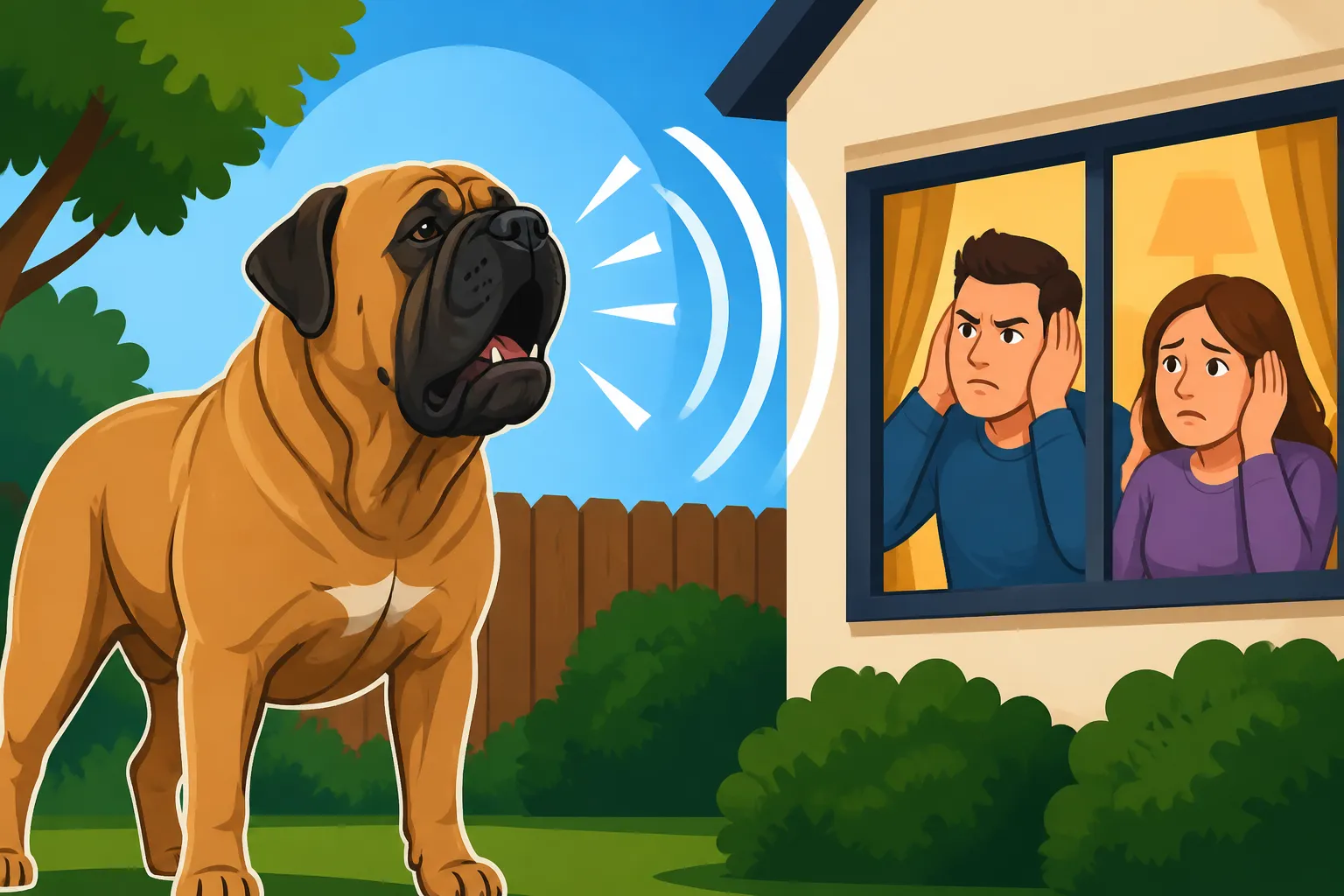
One of the most common worries people have when considering a large dog, especially one known for its guarding instincts like a Bullmastiff, is whether their neighbors will constantly hear barking and other noise. It's a completely valid concern, because no one wants to be that neighbor with the loud dog, and finding peace in your own home, let alone sharing it with others, is key. This guide is here to shed light on exactly how much noise a Bullmastiff typically makes, what sounds your neighbors might hear, and practical ways to ensure harmonious living for everyone in your vicinity.
The Bullmastiff's Naturally Quiet Demeanor
It’s a common misconception that all large guardian breeds are incessant barkers, but the Bullmastiff often defies this stereotype. In fact, many Bullmastiff owners will tell you that their dogs are surprisingly quiet, especially indoors. This isn't accidental; it's a deeply ingrained trait from their origins.
Historical Roots of a Silent Guard
To truly understand why a Bullmastiff isn't typically a barker, we need to look back to their history. These magnificent dogs were originally bred in 19th-century England by gamekeepers to deter poachers on large estates. The primary goal was to catch and hold intruders silently, without alerting the poacher or giving away the gamekeeper's position. A loud, barking dog would have been completely counterproductive to their job. This breeding for stealth and quietness has been passed down through generations. They were guardians, yes, but silent ones. Why a Night Working Dog Was Bred Not to Bark delves deeper into this fascinating aspect of their heritage. They needed to move through the night unseen and unheard, making sudden appearances rather than announcing their presence from afar. This inherent quietness is one of the most remarkable and often appreciated traits of the breed.
When a Bullmastiff Does Bark
While generally quiet, a Bullmastiff will bark. It's a dog, after all! However, their barking is usually purposeful, not typically the incessant, yappy kind you might associate with smaller breeds. Common triggers for a Bullmastiff's bark include:
- Arrival of Strangers: This is perhaps the most classic Bullmastiff bark. When someone new approaches your door, or even if they're just walking past your property, your Bullmastiff will likely let you know. This isn't usually an aggressive bark, but more of a deep, resonant "alert" bark. It's their way of saying, "I see you, and I'm on duty."
- Unusual Sounds or Sights: A strange noise in the night, a squirrel scampering along the fence, or even a sudden movement outside a window can elicit a bark. They are observant dogs, and anything out of the ordinary gets their attention.
- Play or Excitement: During intense play sessions, especially with other dogs or people, a Bullmastiff might vocalize with barks, growls, and rumbles. This is usually joyful and boisterous, not a sign of aggression.
- Separation Anxiety or Boredom: While less common than in some other breeds due to their generally calm nature, a Bullmastiff that is under-exercised, under-stimulated, or suffering from separation anxiety might resort to barking. This is usually a distress signal and needs to be addressed with training and management. How Long a Bullmastiff Copes Alone explores this further, highlighting the importance of proper mental and physical stimulation.
- Demanding Attention: Occasionally, a Bullmastiff might give a short, sharp bark to get your attention, whether they want to go outside, get a treat, or simply be petted. They are quite adept at communicating their needs.
It’s important to distinguish these purposeful barks from nuisance barking. A Bullmastiff generally isn't going to bark endlessly at nothing. If they are, it's a sign that something is amiss and needs your attention.
Understanding Their "Warning Bark"
The Bullmastiff's bark is typically deep, throaty, and resonant. It's not a high-pitched yap, but a sound that carries authority. When a Bullmastiff barks to alert you, it's often a few deep "woof-woofs," designed to inform rather than to create a chaotic racket. This is their "warning bark." What a Bullmastiff's Bark Sounds Like will give you a better sense of this particular sound.
Imagine it: a stranger walks past your house late at night. Instead of continuous barking, your Bullmastiff might emit two or three profound, chest-rattling barks from inside. This is usually enough to alert you and potentially deter anyone with ill intentions. It's a clear, concise message: "There's something out there, and I want you to know." They don't usually feel the need to keep repeating themselves if they believe you've received the message or if the perceived threat has moved on. For neighbors, these short, deep bursts are generally less intrusive than prolonged, high-frequency barking, though the sheer volume can be impressive. This purposeful communication is a hallmark of the breed's historical role.
Beyond the Bark: Other Bullmastiff Noises Neighbors Might Hear
While the bark might be minimal, Bullmastiffs are not entirely silent creatures. Their large size and unique physiology contribute to a range of other sounds that your neighbors, especially those with shared walls, might occasionally notice. These aren't necessarily problematic, but it's good to be aware of them.
The Symphony of Snorts, Grunts, and Snores
This is where the Bullmastiff truly comes into its own as a vocal (but not barking) breed. Due to their brachycephalic (short-nosed) head structure, Bullmastiffs are well-known for their repertoire of non-barking sounds. Your neighbors are far more likely to hear these charming, if sometimes loud, noises than incessant barking.
- Snoring: Oh, the snoring! How Loudly a Bullmastiff Snores is a topic many Bullmastiff owners can relate to. These dogs can achieve truly impressive volumes of snoring. Imagine a low rumbling train, or sometimes even a high-pitched whistle, emanating from your dog's bed. It's often endearing to owners, but if your Bullmastiff sleeps near a shared wall, your neighbors might hear it, especially at night when ambient noise is low. This isn't a problem for standalone homes, but in apartments or townhouses, it’s a genuine consideration.
- Grunts and Groans: Bullmastiffs are champions of expressive vocalizations. They grunt when they get up, when they lie down, when they stretch, and sometimes seemingly for no reason at all. A satisfied sigh or a deep groan as they settle onto their bed is a common sound. They also have a unique way of "talking" with low rumbles and grunts, particularly when they're happy to see you or when they're trying to communicate something non-verbally. Why a Bullmastiff Grunts and Groans explores this delightful characteristic. These sounds are usually soft and contained within the home, but if your Bullmastiff is particularly enthusiastic in their vocalizations, or if the walls are thin, they might carry.
- Snorts and "Puffs": Their short muzzles mean they often snort, especially when excited or after some physical exertion. It's like a big puff of air through their nose, sometimes sounding like a small piglet. These are generally quiet sounds, but again, part of their overall acoustic profile.
These noises are largely harmless and usually not considered disruptive by neighbors, but they are a definite part of living with a Bullmastiff.
Thudding and Rumbles: How Their Sheer Size Creates Noise
Let's not forget the physical impact of a dog weighing over a hundred pounds. A Bullmastiff moving around indoors isn't silent, even if it's not barking.
- Thuds and Bumps: When a Bullmastiff decides to flop down onto the floor, it’s not a gentle descent. There's often a significant "thud." If they run across a room, even a carpeted one, the impact of their large paws can create noticeable vibrations and sounds, especially on upper floors in multi-story dwellings. Their substantial weight means every movement, however slight, has a certain gravitas.
- Heavy Footfalls: While they are generally calm, a Bullmastiff can move surprisingly quickly when motivated. Their heavy footsteps on hard floors can be quite audible. Imagine the sound of a large, solid animal walking around—it’s distinct. This is particularly relevant if you have hardwood floors in an upstairs apartment, for example.
- Tail Wags: A Bullmastiff's tail can be a powerful instrument of expression, and when it starts thumping against furniture, walls, or even the floor out of sheer joy, it can create quite a percussive sound. This isn't usually loud enough to disturb distant neighbors, but someone in an adjacent unit might pick it up.
These physical noises are a reality of living with a giant breed. They're not vocal, but they are auditory. How Quiet a Bullmastiff Is Indoors expands on the overall indoor noise profile of the breed, emphasizing that while they don't bark much, they certainly aren't entirely silent.
Playing, Chewing, and Other Household Sounds
Beyond their natural vocalizations and movements, there are other everyday sounds that a Bullmastiff can generate:
- Chewing on Toys: A Bullmastiff needs sturdy toys, and when they are enthusiastically working on a bone or a chew toy, the gnawing and scraping sounds can be quite pronounced. This is particularly true if they are on a hard surface. Investing in quiet, durable toys found on platforms like Amazon might be a good idea if noise is a concern.
- Drinking Water: Bullmastiffs can be enthusiastic drinkers, often creating a bit of a splash and gulping sounds. It's not usually a noise that travels far, but it's part of the day-to-day soundscape.
- Roughhousing: If you have multiple Bullmastiffs, or if your Bullmastiff is playing vigorously with another dog or family members, there can be a fair amount of joyful rumbling, wrestling, and general commotion. These are happy noises, but they are not silent.
It's a collection of subtle background noises that, when combined, paint a picture of a large, content animal in your home. For most neighbors, these sounds are benign and part of the normal ebb and flow of a household with a pet.
Managing Bullmastiff Noise for Peaceful Coexistence
While Bullmastiffs are generally quiet, being a responsible owner means actively managing any potential noise concerns to foster good neighborly relations. Proactive steps can make a big difference.
Training for a Quieter Canine Citizen
Even a naturally quiet breed benefits from proper training, especially when it comes to managing their vocalizations. Early intervention is key. When to Start Training a Bullmastiff Puppy is a great resource to get you started on the right foot.
- Address Alert Barking: You want your Bullmastiff to alert you, but not to bark excessively at every leaf blowing past. Teach a "quiet" command from a young age. When they bark at something, acknowledge it, praise them for alerting you, and then ask for "quiet." Reward them when they stop. This teaches them that a couple of barks are okay, but then it's time to settle.
- Socialization is Crucial: A well-socialized Bullmastiff is less likely to be fearful or overly reactive to new people, dogs, or environments, which can often be triggers for excessive barking. Expose your puppy to a variety of sights, sounds, and experiences in a positive way.
- Mental and Physical Stimulation: A bored Bullmastiff is a restless Bullmastiff, and restlessness can sometimes manifest as barking. Ensure your dog gets adequate exercise for their age and health, and plenty of mental stimulation. Puzzle toys, training sessions, and interactive games can help. If you're looking for structured guidance, programs like BAXTER & Bella offer comprehensive online puppy training that can help you with these foundational behaviors, including managing barking and developing a calm demeanor.
- Crate Training: A crate can provide a safe, quiet den for your Bullmastiff, especially if they are prone to barking when left alone. A properly crate-trained dog often feels secure and less inclined to distress barking.
Consistency is vital. If you consistently discourage excessive barking and reward quiet behavior, your Bullmastiff will learn what is expected of them.
Environmental Management and Soundproofing
Sometimes, it's not just about the dog; it's also about the environment. Especially if you live in an apartment, townhouse, or have close neighbors, consider these practical steps:
- Strategic Placement of Dog Beds: If your Bullmastiff is a loud snorer, try to place their bed away from shared walls. A heavy, orthopedic dog bed provides comfort and can also absorb some sound compared to sleeping directly on a hard floor.
- Sound-Dampening Solutions: For shared walls, you can explore various soundproofing options. Heavy curtains or drapes over windows can help muffle outdoor noises that might trigger barking, and also contain indoor sounds. Acoustic panels or even strategically placed large furniture against shared walls can make a difference. Websites like Amazon offer a wide range of sound-dampening materials, from door sweeps to specialized wall panels, that can reduce sound transmission.
- White Noise Machines: A white noise machine can help mask both your Bullmastiff's sounds from neighbors and external sounds that might provoke barking. This creates a more peaceful environment for everyone.
- Outdoor Containment: If your Bullmastiff spends time in a yard, ensure the fencing is solid enough to prevent them from seeing every passerby, which can reduce alert barking. Consider privacy screening if your fence is open.
- Manage Alone Time: How Many Hours a Bullmastiff Can Be Left discusses the importance of not leaving your Bullmastiff alone for too long. Prolonged solitude can lead to anxiety and nuisance barking. Arrange for dog walkers or doggy daycare if you have long workdays.
It's about creating a buffer zone, both audibly and visually, between your Bullmastiff and the outside world.
Open Communication with Neighbors
Perhaps the most important, and often overlooked, aspect of managing dog noise is simply talking to your neighbors.
- Be Proactive: If you're getting a Bullmastiff puppy, or moving into a new place with your dog, let your immediate neighbors know. Offer to share contact information in case they ever have a concern. A friendly introduction can go a long way in building goodwill.
- Ask for Feedback: Periodically check in with your neighbors. Ask them, "Have you heard the dog barking much lately?" or "Is the snoring bothering you at all?" Most people appreciate being asked and are more likely to be understanding if you're demonstrating that you care about their peace and quiet.
- Address Concerns Promptly: If a neighbor does express a concern, take it seriously. Don't be defensive. Investigate the situation and take steps to mitigate the noise. This shows respect and responsibility.
A respectful dialogue can prevent small issues from escalating into major conflicts. After all, everyone wants a peaceful living environment. Whether a Bullmastiff Suits a Shared Wall further delves into these considerations for apartment or townhouse living.
Bullmastiff Sounds and Neighbor Impact
Here's a quick overview of typical Bullmastiff sounds and their potential impact on neighbors:
| Sound Type | Description | Typical Frequency | Potential Neighbor Impact | Management Strategies |
|---|---|---|---|---|
| Alert Barking | Deep, resonant "woof-woof" to signal strangers or unusual activity. | Infrequent, purposeful | Can be loud due to volume, but usually brief and less irritating than continuous barking. More noticeable in quiet hours. | Train "quiet" command. Socialize well. Limit visual access to triggers (e.g., privacy film on windows, solid fencing). Provide adequate mental stimulation (e.g., BAXTER & Bella training). |
| Separation Barking | Whining, barking, howling due to distress when left alone. | Can be prolonged and continuous | Highly disruptive, signals distress. Very noticeable, especially in apartments/townhouses. | Crate training (positive association). Gradual desensitization to being alone. Increase exercise & mental stimulation. Consult a professional trainer if severe. Ensure you don't leave them alone for too long. |
| Snoring | Deep, rumbling, sometimes whistling sounds during sleep. | Consistent during sleep | Can be audible through shared walls, especially at night. Generally not perceived as aggressive, but can be annoying. | Place dog bed away from shared walls. Use white noise machines. Consider sound-dampening materials. |
| Grunts & Groans | Expressive sounds when moving, stretching, or seeking attention. | Frequent, low-level | Generally low volume and contained within the home. Rarely bothers neighbors unless walls are extremely thin. | N/A (natural vocalizations, generally not disruptive). |
| Thudding/Footfalls | Sounds of a heavy dog walking, running, or flopping down. | Variable | Can cause vibrations or audible thuds on floors, especially if living above others. More pronounced on hard surfaces. | Use thick rugs/carpets. Provide orthopedic beds. Place furniture to absorb impact. Ensure proper exercise to reduce restless pacing. |
| Chewing/Play Noises | Sounds of chewing on toys, or energetic play with other dogs/people. | Variable | Usually confined to the home. May be audible through walls if very vigorous or on hard surfaces. | Provide quiet, durable chew toys (e.g., from Amazon). Supervise play to manage intensity near shared walls. |
In conclusion, Bullmastiffs are generally not chronic barkers. Their historical role as silent guardians has given them a natural inclination towards quiet observation rather than incessant vocalization. However, like any large dog, they do make noise through their physical presence, their unique snorts and grunts, and their surprisingly loud snores. By understanding these characteristics and implementing thoughtful training and environmental management strategies, you can ensure your Bullmastiff is a welcome, peaceful presence in your neighborhood, allowing everyone to enjoy their peace and quiet.
Disclaimer
This article is for general informational purposes only and does not constitute professional advice. Laws, prices and regulations vary by location and change over time. Consult a qualified professional for guidance on your specific situation.