How Food Motivated a Bullmastiff Is
If you've ever tried to get a Bullmastiff to do something they weren't entirely convinced about, you know the struggle is real. These magnificent, often deliberate dogs aren't always eager to comply without a good reason, and finding that "reason" can feel like a guessing game. This guide will dive deep into understanding just how food-motivated your Bullmastiff truly is, and more importantly, how you can harness that powerful drive for effective, positive training, helping you build a strong bond and a well-behaved companion.
The Bullmastiff's Appetite: More Than Just Hunger
Bullmastiffs are big dogs, and big dogs need a lot of fuel! Their substantial build isn't just for show; it's a testament to their working heritage, where they needed strength and endurance. This history has ingrained in them a healthy respect for food, making it a powerful motivator. It's not just about filling their belly; it's about the deep satisfaction and energy it provides.
Why Food Is Such a High-Value Reward for Bullmastiffs
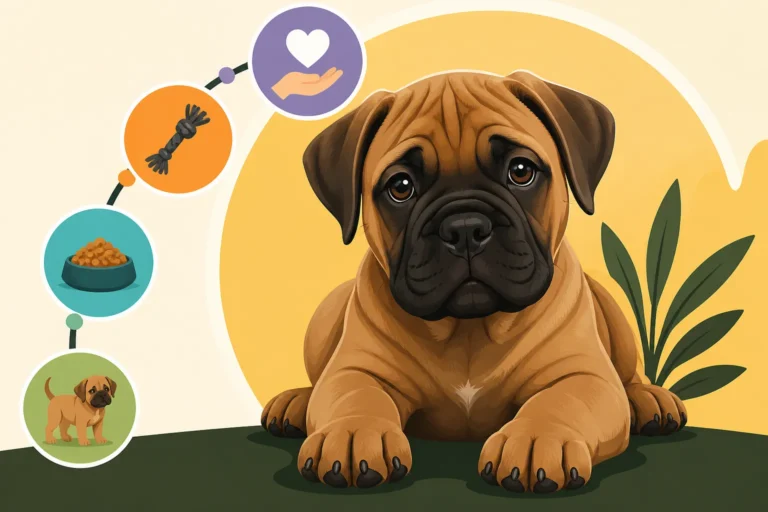
For many Bullmastiffs, food isn't merely sustenance; it's a tangible, immediate reward that speaks to their core instincts. Unlike some breeds that might be happy with a quick "good boy," a Bullmastiff often requires a more substantial "thank you" for their efforts, especially when learning something new or performing in a distracting environment. Think about it from their perspective: they're expending energy, focusing their considerable minds, and potentially doing something that feels unnatural at first. A tasty treat makes that effort instantly worthwhile.
This high-value association means that food can cut through distractions in a way that mere praise often cannot. If you're out on a busy street trying to teach your Bullmastiff to Teach a Bullmastiff to Walk on Leash without pulling, the smell of sizzling bacon from a nearby food truck might be a huge distraction. But a pea-sized piece of cooked chicken? That can instantly re-center their attention on you and the task at hand. It's about finding that reward that trumps all other environmental stimuli.
The Role of Breed History in Food Drive
The Bullmastiff's lineage as a "gamekeeper's night dog" meant they needed to be strong, resilient, and capable of sustained effort to track and hold poachers. This demanding job required a robust physique and the caloric intake to match. While modern Bullmastiffs aren't typically out patrolling estates all night, that underlying drive for nourishment and the ability to maintain their imposing size remains.
Their historical role wasn't just about raw power; it was about intelligent, deliberate action. They were bred to be courageous, but also to think. Pairing that thoughtfulness with a highly desirable food reward creates a powerful learning loop. Imagine a gamekeeper trying to get a Bullmastiff to hold a man quietly in the dark; a swift, clear reward for success would have been paramount. In a similar vein, when you're working with your Bullmastiff today, that immediate, delicious reinforcement clarifies what you want them to do, solidifying the lesson far more effectively than abstract praise alone. This connection between effort and reward is deeply embedded, making food an indispensable tool for their training journey. The Bullmastiff Was Built to Catch Poachers in the Dark to see how critical their physical and mental fortitude was.
Leveraging Food in Bullmastiff Training
Knowing your Bullmastiff is food motivated is one thing; using that motivation effectively is another. It's an art, not a science, and it involves choosing the right rewards, timing them perfectly, and knowing when to use them.
Types of Treats and Their Value for a Bullmastiff
Not all treats are created equal in the eyes of a Bullmastiff. What might be an exciting reward for a smaller, less food-driven breed could be completely ignored by your discerning giant. You need to understand the hierarchy of treats and how to use them strategically.
- High-Value Treats: These are the "jackpots." Think tiny pieces of cooked chicken, cheese, hot dogs, or liverwurst. These are reserved for difficult tasks, new commands, or highly distracting environments. When your Bullmastiff masters a difficult concept or maintains focus despite a squirrel running by, this is the treat to pull out.
- Medium-Value Treats: These are your everyday training treats. Small, soft, and easily chewed kibble pieces, commercial soft treats (many good options are available on Amazon), or small pieces of carrot or apple. These are great for practicing known commands in low-distraction environments or for reinforcing good behavior around the house.
- Low-Value Treats: These might be regular kibble or a crunchy biscuit. Good for maintenance work, or when you're simply giving a "check-in" reward, ensuring your Bullmastiff knows they're still doing well even if the task isn't particularly challenging.
It's crucial that treats are small enough to be eaten quickly without distracting your dog for too long. A large, crunchy treat might take too long to chew, breaking the flow of your training session. Soft, pea-sized treats are usually ideal.
Strategic Use of Food in Different Training Scenarios
The key to successful food-motivated training lies in strategic application and impeccable timing. You want your Bullmastiff to associate the treat directly with the desired behavior, not with the act of begging or an incorrect action.
When teaching a new command, say "sit," present the treat right as their rear touches the ground. The timing is everything. A fraction of a second too late, and they might think they're being rewarded for standing back up! As they become more proficient, you can start to delay the treat slightly, making them hold the position for a moment longer before rewarding them. This builds duration.
For things like loose-leash walking, consistent, small, high-value treats every few steps (when they're walking nicely by your side) can work wonders. When you’re dealing with a powerful dog who could easily [Pull on Leash], immediate positive reinforcement makes a huge difference. Gradually, you'll reduce the frequency, but the initial, heavy reinforcement is vital.
Consider using puzzle toys filled with treats to provide mental stimulation, especially when you need your Bullmastiff to focus independently. This is a great way to engage their problem-solving skills and reward them without direct interaction every single time. Many online retailers, like Amazon, offer a wide variety of interactive feeding toys perfect for large breeds. For more advanced training or if you feel overwhelmed, programs like those from BAXTER & Bella often integrate food-based positive reinforcement into their curriculum, providing structured guidance for new and seasoned owners alike. Remember, the goal is to fade the constant need for food, but never entirely eliminate it as a powerful motivator.
| Treat Value | Examples | Best Use Cases | Considerations |
|---|---|---|---|
| High | Cooked chicken, cheese, hot dogs, liver | New commands, high-distraction environments, behavior modification | Use sparingly, tiny pieces, watch calorie intake. |
| Medium | Soft commercial treats, dried fruit, kibble mix | Practicing known commands, low-distraction training, general reinforcement | Read labels for ingredients, easily consumable. |
| Low | Dry kibble, crunchy biscuits, plain air-popped popcorn | Maintenance rewards, "check-ins," easy behaviors | May not be motivating enough for challenging tasks. |
Potential Pitfalls and How to Avoid Them
While food motivation is a fantastic tool, it's not without its potential drawbacks. Relying too heavily on treats or using them improperly can lead to a Bullmastiff that only works when food is present or, even worse, one that gains unhealthy weight.
Preventing Over-Reliance on Food Rewards
One common concern for owners is the fear that their Bullmastiff will only obey when a treat is in hand. This is a valid worry, but it’s entirely preventable with a well-structured approach. The key is to gradually transition from continuous reinforcement (treating every single correct response) to intermittent reinforcement.
Start by varying the frequency of your rewards. Once your Bullmastiff reliably performs a command, don't treat every time. Treat every second time, then every third time, then randomly. This teaches them that a reward might come, which actually makes them more persistent in their efforts, much like a slot machine. They learn that the reward isn't guaranteed but always possible, keeping them engaged.
Also, pair your food rewards with verbal praise and physical affection. As you give the treat, enthusiastically say "Yes!" or "Good dog!" and offer a gentle pat. Over time, your Bullmastiff will begin to associate your praise and affection with the positive feeling of the treat. Eventually, you can reduce the food reward, and your praise, sometimes combined with a quick play session, becomes enough. What Motivates a Bullmastiff explores other motivators that can be used alongside or in place of food. The goal is a dog that works for you, not just for the cookie.
Managing Weight While Using Food for Training
A Bullmastiff's size means they can pack on pounds quickly, and those extra pounds put immense strain on their joints and overall health. If you're using food extensively in training, it's absolutely crucial to factor those treats into their daily caloric intake. Keeping a Bullmastiff Lean Is the Best Thing You Can Do for their long-term health.
Here are a few strategies:
- Reduce Meal Portions: If you're giving a lot of treats throughout the day, slightly reduce the amount of kibble in their regular meals. This ensures you're not overfeeding them overall.
- Use Their Kibble as Treats: Especially for lower-value training or daily practice, use pieces of their regular food as rewards. This doesn't add extra calories beyond what they'd already be eating.
- Choose Low-Calorie Options: Opt for healthy, low-calorie treats like small pieces of cooked green beans, carrots, or apples. Just be sure to research what human foods are safe for dogs.
- Break Treats into Tiny Pieces: Even high-value treats can be used sparingly if you break them into pea-sized portions. A tiny taste is often just as motivating as a larger chunk.
- Monitor Weight Regularly: Keep an eye on your Bullmastiff's body condition. You should be able to feel their ribs easily without seeing them, and they should have a discernible waist when viewed from above. If they're starting to look a bit chunky, it's time to re-evaluate their treat intake and overall diet. This vigilance is key throughout their life, from puppyhood through their senior years. For guidance on appropriate feeding amounts, consider reading Feeding a Hundred and Thirty Pound Bullmastiff and How Much an Adult Bullmastiff Eats.
Beyond the Kibble: Other Motivators for Your Bullmastiff
While food is undeniably powerful for a Bullmastiff, a well-rounded training approach utilizes a variety of motivators. Relying solely on food misses out on strengthening your bond and teaching your dog to work for intrinsic rewards like praise and play. Diversifying your rewards keeps training fresh and ensures your Bullmastiff is motivated even when you don't have a treat pouch on hand.
Praise, Play, and Affection as Reinforcers
Bullmastiffs are deeply loyal and often thrive on human connection. Your enthusiastic verbal praise, a cheerful "Good boy!" or "Excellent!", can become a powerful secondary reinforcer when consistently paired with food rewards. Over time, these words alone can elicit a positive response.
Physical affection, such as a gentle scratch behind the ears, a loving pat, or even a robust belly rub, can also be highly motivating for a Bullmastiff. These moments of connection strengthen your bond and communicate your approval. Just be mindful of what your individual dog enjoys; some Bullmastiffs might find a quick snuggle more rewarding than a vigorous pat on the head.
Play can be another fantastic reward. A quick game of tug-of-war (if they enjoy it and it's appropriate for the situation) or a toss of their favorite soft toy can be incredibly motivating, especially for dogs that have a strong play drive. This is particularly useful for tasks that require a burst of energy or when you want to inject some fun into a training session. Short training sessions, as discussed in How Short a Bullmastiff's Training Session Should Be, often benefit from incorporating play.
Environmental Rewards and Life Rewards
Beyond direct interaction, the environment itself offers many opportunities for reinforcement. Think about what your Bullmastiff naturally enjoys, and use those activities as rewards for good behavior.
- Going Outside: Asking your Bullmastiff to sit patiently at the door before being allowed out for a potty break, or to wait calmly before getting their leash on for a walk, uses the desire to go outside as a reward for a polite action.
- Sniffing: Bullmastiffs love to sniff! After a few steps of loose-leash walking, reward them by allowing them a moment to sniff a particularly interesting patch of grass. This is a powerful, natural motivator.
- Meeting People/Dogs: If your Bullmastiff is friendly and enjoys polite greetings, use the opportunity to meet a new person or dog as a reward for calm behavior. For example, have them sit and stay politely before approaching a friendly stranger or another dog.
- Access to Comforts: Allowing them onto their favorite bed or couch after a successful training session can also serve as a reward.
The trick is to identify what your Bullmastiff values most in their daily life and then make them "earn" access to it through good behavior. This approach teaches them that calm, compliant actions lead to desirable outcomes, reinforcing positive habits without constant reliance on treats.
Disclaimer
This article is for general informational purposes only and does not constitute professional advice. Laws, prices and regulations vary by location and change over time. Consult a qualified professional for guidance on your specific situation.