Whether Puppy Class Is Enough for a Bullmastiff
It's a common misconception that once your adorable Bullmastiff puppy graduates from puppy class, you've checked the "training" box. Many new owners feel a sense of accomplishment, believing their furry behemoth-to-be is now set for life. However, for a breed as powerful, intelligent, and famously deliberate as the Bullmastiff, puppy class is truly just the very first step on a long and rewarding training journey, and relying solely on it can leave both you and your dog unprepared for adulthood. This guide will explore why a Bullmastiff needs much more than just a basic puppy class to become a well-adjusted, well-mannered companion.
The Foundations Puppy Class Provides and Its Limitations for a Bullmastiff
Puppy classes are wonderful for what they are designed to do: introduce young puppies to basic manners, provide crucial early socialization, and give owners foundational handling skills. For many breeds, these classes lay a solid groundwork.
What Puppy Class Does Well
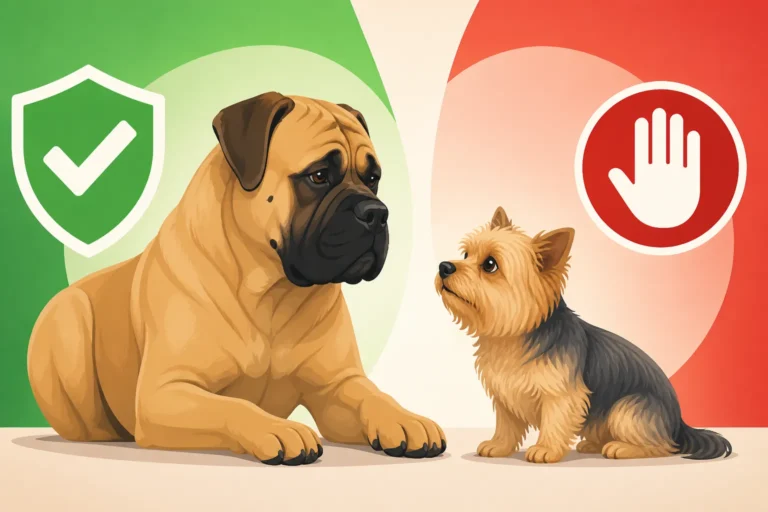
In a typical puppy class, your Bullmastiff will get exposure to other puppies, different people, and novel sounds and sights in a controlled environment. This early socialization is absolutely vital for a Bullmastiff, a breed known for its protective instincts. A well-socialized Bullmastiff is more likely to be calm and discerning, rather than reactive or fearful, when encountering new situations. They learn that not every stranger is a threat and that other dogs can be friends. Beyond socialization, puppy classes usually cover essential cues like "sit," "stay," "down," and perhaps a shaky "come." You'll learn how to properly leash and collar your puppy, and get tips on house-training and nipping. For a rapidly growing Bullmastiff puppy, learning to walk politely on a leash before they outweigh you is a godsend, and understanding bite inhibition from other puppies is invaluable.
Why Puppy Class Isn't Enough
While these initial lessons are undeniably important, puppy class, by its very nature, is a temporary program. It might run for six to eight weeks, often concluding by the time your Bullmastiff is four or five months old. The problem is, a Bullmastiff puppy is far from "trained" at this age. They are still very much babies, with all the impulsiveness and limited attention spans that come with youth. What they learn in a class setting needs constant reinforcement and generalization to truly stick in different environments. Imagine expecting a toddler to master calculus just because they completed kindergarten; it's a similar leap of logic. The physical strength and mental maturity of a Bullmastiff demand a commitment to training that extends far beyond those few weeks of puppy lessons. You might have seen how quickly a small lapse in concentration can lead to a minor accident in class; multiply that by 100 pounds of determined Bullmastiff.
Understanding the Bullmastiff Temperament and Its Impact on Training
To truly understand why ongoing training is non-negotiable for a Bullmastiff, we need to delve into their unique temperament and history. They aren't your average eager-to-please retriever or perpetually bouncy terrier.
A Breed Bred for Deliberate Action
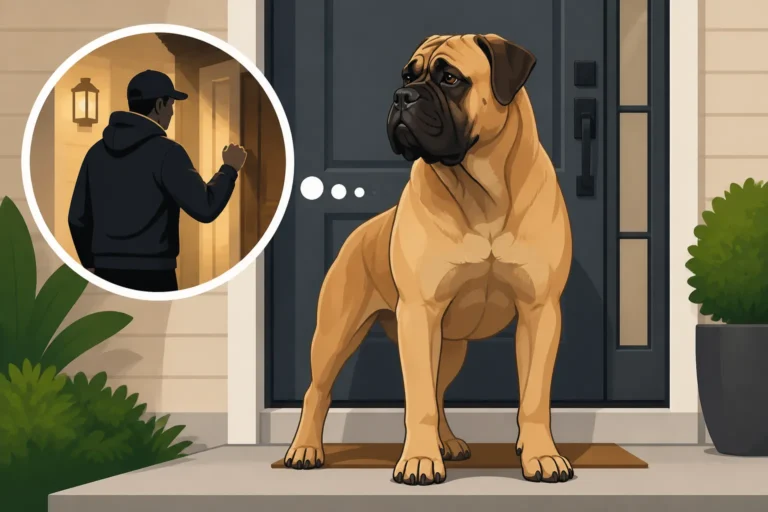
The Bullmastiff was originally bred to be a gamekeeper's night dog in 19th-century England – a "Gamekeeper's Night Dog." Their job was to silently track and hold poachers without mauling them. This history instilled a very specific set of traits: immense strength, courage, a strong protective instinct, and a deliberate, thoughtful nature. They are not prone to frantic energy or blind obedience. A Bullmastiff will often "pause to decide" if a command is worth their effort or if the situation truly warrants action. This isn't stubbornness in a malicious sense; it's an ingrained deliberation. You can read more about this in The Bullmastiff That Pauses to Decide Whether You Are Worth It. This characteristic means that while they are intelligent, they require motivation and consistency from their owner, not just rote repetition. They need to understand why they should do something.
The Challenge of Size and Sensitivity
Consider the sheer size and power of an adult Bullmastiff. A male can easily reach 130 pounds or more, and a female isn't far behind. This is a formidable amount of muscle, and if it's not well-controlled, it can inadvertently cause problems. A joyful lean can knock a child over, an excited tug on the leash can dislocate your shoulder, and a counter-surfing attempt can clear your kitchen table in seconds. This makes it paramount to establish clear boundaries and consistent expectations early and continuously.
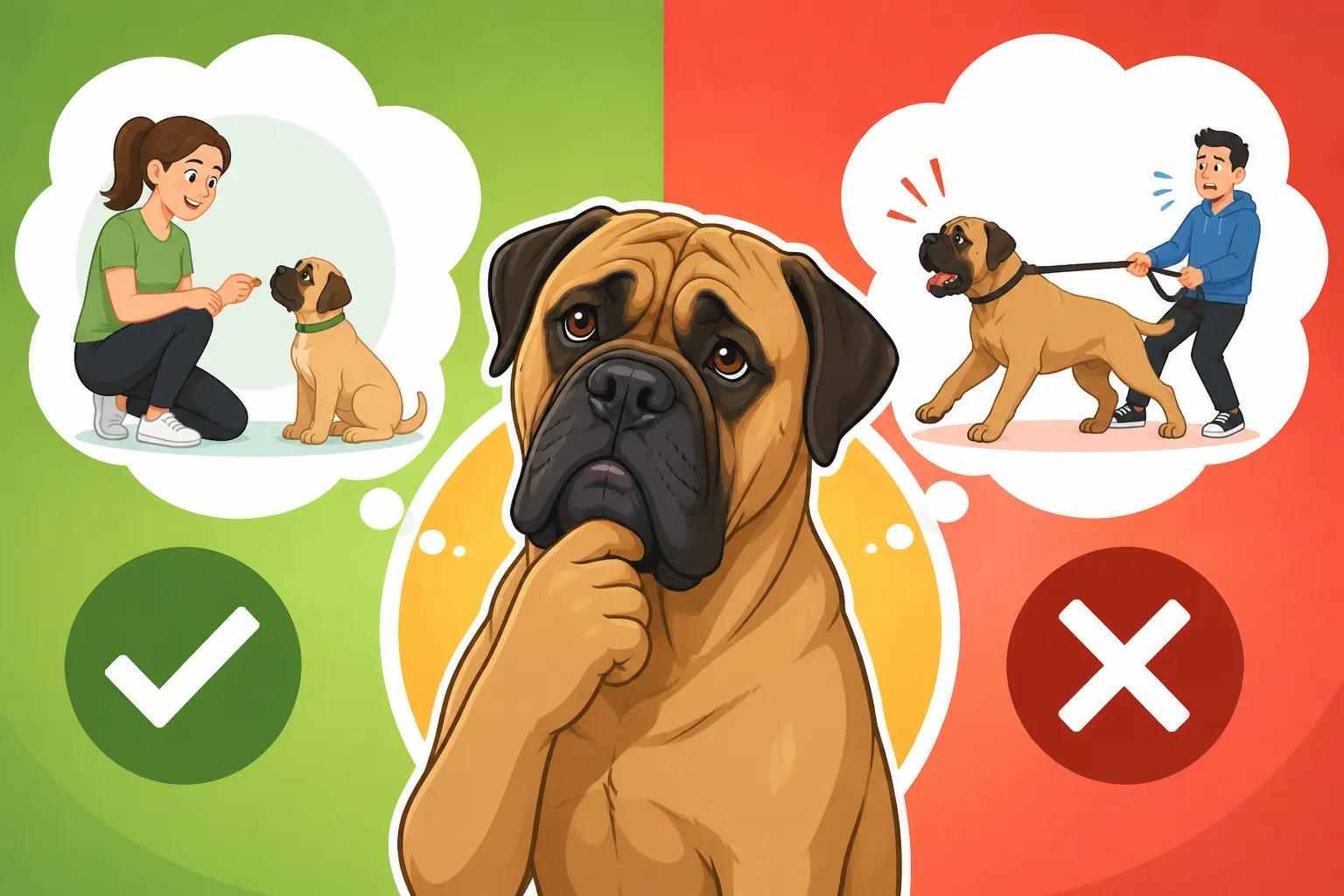
Despite their imposing appearance, Bullmastiffs are surprisingly sensitive. They respond best to positive reinforcement and gentle, consistent guidance. Harsh corrections, yelling, or physical punishment can damage the bond you have with your Bullmastiff, making them shut down, become fearful, or even resistant. They need to trust you completely, and that trust is built through fair, clear communication and rewards, whether it's a favorite treat from an Amazon-sourced treat pouch or enthusiastic praise. Understanding How a Bullmastiff Responds to Correction is key to successful training.
Beyond Puppy Class: Essential Training for a Growing Bullmastiff
Once puppy class is over, your Bullmastiff is just entering their most impressionable and challenging phase: adolescence. This period, which can stretch well into their second or even third year, demands advanced and ongoing training.
Advanced Leash Skills and Public Manners
Walking a fully grown Bullmastiff requires more than just a basic "heel" learned in puppy class. You need a dog who can walk politely past other dogs, ignore distractions like squirrels or skateboards, and remain calm when people approach. This involves advanced loose-leash walking, teaching a solid "leave it," and practicing polite greetings. Without this, you risk having a dog that is simply too powerful to handle safely in public, turning walks into a wrestling match. Teaching a Bullmastiff to Walk on Leash is an ongoing effort that pays dividends in daily life.
| Training Area | Puppy Class Focus | Bullmastiff Lifelong Training Needs |
|---|---|---|
| Socialization | Safe play with puppies, new people | Controlled exposure to diverse dogs/people/environments, calm greetings |
| Leash Walking | Basic loose-leash within class | Loose-leash in distracting environments, polite street manners, no pulling |
| Basic Cues | Sit, Stay, Down, Come (short distances) | Rock-solid Sit/Stay/Down/Come (long distances/distractions), "Place," "Leave It" |
| Impulse Control | Mild nipping, waiting for treats | Not jumping on guests, waiting at doors, respecting boundaries, calm around food |
| Problem Solving | Owner guidance for house-training | Independent thinking, advanced cues, confidence building, mental enrichment |
Ongoing Socialization and Exposure
While puppy class introduces socialization, it's not a one-and-done deal. Your Bullmastiff needs continuous, positive exposure to a wide variety of people, sights, sounds, and calm, well-behaved adult dogs. This structured socialization helps them refine their discernment – knowing when to be protective and when to be relaxed. A dog park free-for-all is rarely the right environment for a Bullmastiff; instead, focus on quiet walks in public places, supervised visits with trusted dog friends, and positive interactions with friendly strangers. This helps ensure your Bullmastiff grows into a confident, stable adult rather than a fearful or overly reactive one.
Advanced Obedience and Life Skills
Beyond the basics, a Bullmastiff benefits immensely from learning advanced obedience cues and practical life skills. A rock-solid "stay" can prevent them from bolting out an open door, while a reliable "come" is a life-saving command, especially with their independent streak. Teaching a "place" command gives them a designated spot to relax when guests are over, preventing them from getting underfoot. These are skills that require dedicated practice, increasing distractions and duration gradually. For those looking for structured, comprehensive guidance beyond basic classes, programs like BAXTER & Bella's online training often provide excellent resources and step-by-step instruction for every stage of your dog's development, bridging the gap between puppyhood and adult expectations. This breed thrives on clear expectations and a consistent routine, which can be tough to establish without a solid plan.
The Long Haul: Consistency and Continued Learning
The truth about training a Bullmastiff is that it's a lifelong commitment. They mature slowly, often not truly "grown up" until three years old, both physically and mentally. This means what you put into their training during those formative years will define their behavior for the rest of their Median Bullmastiff Lives Eight and a Half Years.
The Adolescence Challenge
The Bullmastiff adolescent phase is notorious. They may test boundaries, forget commands they once knew, and seem to develop selective hearing. This is precisely when continued training and consistency become most critical. If you drop the ball here, you could end up with a powerful, opinionated adult who decides rules are optional. It's during this time that structured activities, whether it's advanced obedience classes, scent work, or even just consistent daily practice, can keep their minds engaged and reinforce good habits. Remember, A Bullmastiff Is Not Grown Up Until Three, so patience and persistence are your greatest allies.
Mental and Physical Enrichment
Beyond formal commands, Bullmastiffs thrive on mental stimulation. Puzzle toys, interactive games, and even just practicing new tricks keep their intelligent minds active. Physical exercise, while important, often needs to be tailored to their specific needs; a Bullmastiff doesn't need to run marathons, but consistent, moderate activity is vital. For guidance on appropriate activity levels, see How Much Exercise a Bullmastiff Needs. Incorporating mental work daily, using durable chew toys you can find on Amazon, is just as important as physical walks. This engagement prevents boredom, which can often lead to destructive behaviors in a powerful breed.
When to Seek Professional Help
Don't ever hesitate to seek out a professional trainer who specializes in large breeds or guardian breeds if you feel overwhelmed or encounter specific behavioral challenges. A good trainer can offer personalized guidance, help you refine your communication, and address issues like reactivity, jumping, or leash pulling more effectively. Investing in a professional early can prevent small problems from escalating into major ones that could impact your Bullmastiff's quality of life and your relationship with them. This is especially true given their strength; sometimes Training a Bullmastiff That Weighs More Than You Do requires outside expertise. A good trainer doesn't just train your dog; they train you to be a more effective leader for your dog.
Ultimately, puppy class is a fantastic start, but it's merely the first chapter in a long and wonderful book. For a Bullmastiff, consistent, positive, and ongoing training, coupled with a deep understanding of their breed-specific traits, is essential to raising a well-behaved, happy, and safe companion for life.
Disclaimer
This article is for general informational purposes only and does not constitute professional advice. Laws, prices and regulations vary by location and change over time. Consult a qualified professional for guidance on your specific situation.