Which Harness Suits a Bullmastiff
Walking a Bullmastiff can sometimes feel like you're being taken for a stroll yourself, especially if your powerful companion decides a squirrel is suddenly the most interesting thing on earth. Trying to control a hundred-and-thirty-pound dog with just a regular collar can lead to choking, discomfort, and even injury for both of you. This guide will explore the best types of harnesses designed specifically for Bullmastiffs, helping you find a comfortable and effective solution for a more enjoyable walk.
Why a Standard Collar Falls Short for a Bullmastiff
Let's be real, a Bullmastiff is not your average leash-walking companion. Their sheer size and strength mean that what works for a smaller, less powerful dog often fails spectacularly for them. Many owners start with a flat buckle collar, which quickly proves ineffective and even dangerous when a Bullmastiff decides to put their weight into a pull.
The Problem with Neck Pressure
When a Bullmastiff pulls against a standard flat collar, all that pressure concentrates directly on their neck. This isn't just uncomfortable; it can be downright harmful. Think about the delicate structures in a dog's neck: the trachea (windpipe), thyroid gland, and even nerves and blood vessels. Constant pressure can cause coughing, gagging, and even restrict their breathing, especially given a Bullmastiff's already brachycephalic tendencies, which means they might have compromised airways to begin with. You might notice your Bullmastiff making harsh noises or struggling to breathe when they're excited on a walk and pulling hard. It's a clear sign that the collar is doing more harm than good.
Beyond immediate discomfort, chronic neck pressure can lead to long-term issues. It can exacerbate conditions like laryngeal paralysis or even contribute to neck and spinal problems over time, something we absolutely want to avoid in a large, heavy-boned breed. A dog that is constantly being choked or gagged isn't learning to walk nicely; they're just learning to tolerate discomfort. For a breed known for its deliberate nature, this can also make them more resistant to future training efforts if they associate walks with pain.
Limited Control Over a Powerful Dog
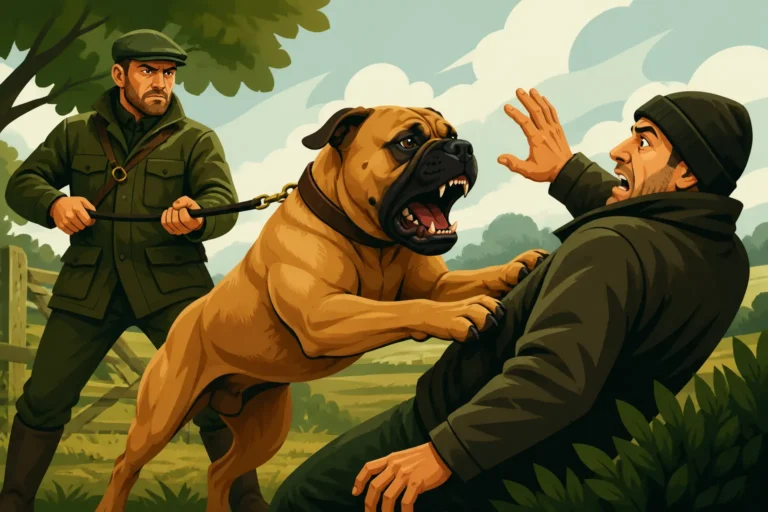
The sheer muscle and bone mass of a Bullmastiff mean that a collar simply offers insufficient control for most handlers. If your Bullmastiff suddenly lunges, even with excellent leash handling skills, a collar doesn't give you much leverage. It's like trying to steer a truck with a string – you might guide it, but you won't stop it if it decides to go off-road. This can be incredibly frustrating and even dangerous if you're in an area with traffic or other dogs.
Imagine walking your majestic Bullmastiff through a park, and a rabbit darts across the path. In a split second, your gentle giant transforms into a powerful hunting machine, pulling with all their might. With just a collar, you're at the mercy of their strength. Not only could you lose your grip, but the sudden jerk could also cause you to lose your balance and potentially injure yourself. It doesn't create a pleasant experience for either of you, and it certainly doesn't help in teaching your Bullmastiff to walk politely on a leash. This is why investing in the right equipment is so crucial. How to Walk a Bullmastiff That Outweighs You delves deeper into techniques for handling such a powerful breed.
Understanding Harness Types for Bullmastiffs
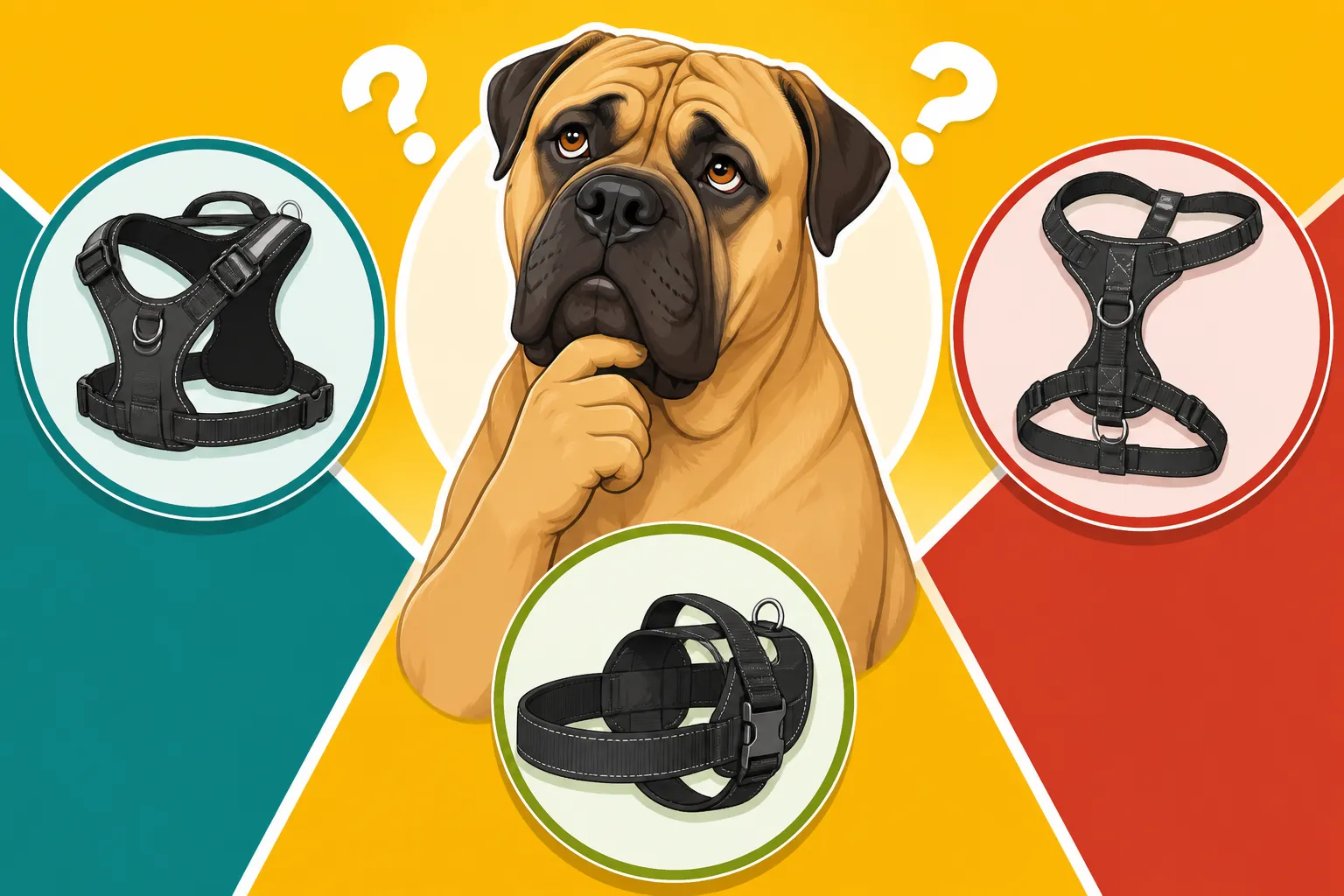
When it comes to harnesses, it's not a one-size-fits-all world, especially for a Bullmastiff. There are several main types, each with its own benefits and drawbacks, and choosing the right one can make a dramatic difference in your walking experience.
Back-Clip Harnesses: Comfort with a Catch
Back-clip harnesses are perhaps the most common type you see. The leash attaches to a D-ring located on the dog's back, typically between the shoulder blades. Many owners appreciate these harnesses because they distribute pressure across the chest and shoulders, moving it away from the sensitive neck area. For a Bullmastiff who doesn't pull much, or for simply keeping them secure in the car, a back-clip harness can be wonderfully comfortable. They are often easy to put on, usually by slipping it over the head and buckling around the girth.
However, for a Bullmastiff who is still learning their leash manners or tends to pull, a back-clip harness can inadvertently encourage pulling. When the leash is attached to the back, it can activate a dog's opposition reflex, which means they naturally lean into the pressure, effectively making them a more efficient pulling machine. It's like a sled dog harness – designed to make pulling easier. For a powerful breed, this can quickly become a struggle where you feel like you're dragging an anchor. While it avoids neck pressure, it doesn't give you much directional control, making it tough to redirect your Bullmastiff when they get distracted or decide to lunge.
Front-Clip Harnesses: The Game Changer for Pullers
Front-clip harnesses have a D-ring located on the dog's chest, often near the sternum. This design is a game-changer for many owners of strong, pulling dogs like Bullmastiffs. When your Bullmastiff pulls, the leash pressure redirects their body to the side, turning them back towards you. This makes it very difficult for them to generate the same forward momentum, effectively discouraging pulling without causing discomfort or pain. It's a gentle form of redirection that helps them understand that pulling doesn't get them where they want to go.
Many Bullmastiff owners find immense relief with a front-clip harness. It provides much better steering control. If your dog starts to lunge at another dog or person, a gentle tug on the leash will turn their body, interrupting their focus and allowing you to regain control. This creates a much safer and more pleasant walking experience, allowing you to actually enjoy your time out with your Bullmastiff rather than constantly battling their strength. Look for brands that offer robust construction and comfortable padding, as some can rub sensitive areas if not fitted correctly.
Dual-Clip Harnesses: The Best of Both Worlds
Some harnesses offer both a front-clip and a back-clip option, giving you maximum versatility. These are often called "multi-functional" or "two-point" harnesses. You can use the front clip for more control during training walks, and switch to the back clip for casual strolls once your Bullmastiff has improved their leash manners. Or, for exceptionally strong pullers, you can even attach a double-ended leash to both the front and back rings simultaneously. This setup provides even more leverage and control, distributing the pressure across two points and making it even harder for your Bullmastiff to pull with full force.
Using a dual-clip harness with a double-ended leash can be incredibly effective for managing a powerful Bullmastiff, offering superior control and reducing strain on both you and your dog. It allows for nuanced communication, letting you guide and correct with less physical effort. This can be particularly beneficial if you're working on specific training goals like heeling or ignoring distractions. Remember that consistency in your training approach, perhaps through programs like those offered by BAXTER & Bella, will always be key, regardless of the equipment you use. Teaching a Bullmastiff to Walk on Leash provides more insight into effective training strategies.
Key Features to Look for in a Bullmastiff Harness
Finding the right harness for your Bullmastiff isn't just about choosing a front-clip design; it's about evaluating the construction, materials, and overall fit. A poorly designed harness, even if it's the right type, can still cause discomfort or fail under pressure.
Durability and Strength
Your Bullmastiff is a powerhouse, and their harness needs to be built to withstand that power. Look for harnesses made from heavy-duty, reinforced nylon webbing or similar robust materials. The stitching should be strong and secure, with no loose threads or weak points. Metal hardware, such as D-rings and buckles, is generally preferable to plastic, as plastic can crack or break under extreme stress, especially in cold weather or with sudden impact. Imagine being out on a walk when a cheap plastic buckle gives way – that's a nightmare scenario you want to avoid!
Pay close attention to the leash attachment points. These should be solidly welded or cast, not merely bent pieces of metal. The overall construction should feel substantial and well-made, designed to handle the force of A Hundred and Thirty Pounds of Bullmastiff, Measured lunging unexpectedly. While it might cost a bit more upfront, a durable harness is an investment in your peace of mind and your dog's safety. Cheap harnesses often stretch, fray, or break quickly, leading to more frustration and potentially dangerous situations.
Proper Fit and Adjustability
A harness is only effective and comfortable if it fits correctly. For a Bullmastiff, this means looking for a harness with multiple adjustment points – ideally around the neck, chest, and girth. This allows you to customize the fit to your dog's unique proportions, ensuring it's snug enough to prevent escape but not so tight that it chafes or restricts movement. A Bullmastiff has a deep chest and a powerful neck, so a harness designed for a slender greyhound simply won't do.
When fitting, you should be able to comfortably slide two fingers under any strap. The harness should sit behind the front legs, far enough back that it doesn't rub in the armpits, but not so far back that it interferes with their natural gait. Check the fit regularly, especially if your Bullmastiff is still growing or if their weight fluctuates. An ill-fitting harness can rub and cause painful sores, particularly in their sensitive armpit area, which can make them dread walks and negatively impact their overall well-being. Ensuring a good fit is as important as the type of harness itself.
Comfort and Padding
Even the strongest Bullmastiff deserves to be comfortable. Look for harnesses with soft, breathable padding, especially in areas where straps might rub, such as under the chest, behind the front legs, and across the shoulders. Materials like fleece, neoprene, or soft mesh can prevent chafing and irritation, particularly for dogs with sensitive skin or short coats. Some harnesses, especially the ones you might find on Amazon, come with excellent reviews specifically mentioning comfort for large breeds.
Consider the width of the straps as well. Wider straps distribute pressure over a larger surface area, reducing the likelihood of digging into your dog's skin. A narrow strap, even with padding, can still create uncomfortable pressure points on such a muscular dog. A comfortable harness makes walks more enjoyable for your Bullmastiff, which in turn makes them more receptive to training and generally more cooperative. After all, a Bullmastiff that is comfortable and happy on a walk is less likely to exhibit stubborn behavior or pull against uncomfortable equipment. How Stubborn a Bullmastiff Is often depends on their comfort and motivation.
Measuring and Fitting Your Bullmastiff for the Perfect Harness
Getting the right measurements is half the battle when it comes to harness shopping. A Bullmastiff's unique build means you can't just guess; precision is key to ensuring both comfort and effectiveness.
Taking Accurate Measurements
Before you even start browsing, grab a soft tape measure and your Bullmastiff. You'll need two primary measurements:
- Chest/Girth Measurement: This is the most crucial measurement. Wrap the tape measure around the widest part of your Bullmastiff's chest, just behind their front legs. Make sure the tape is snug but not tight, and write down the number. This is where the main body strap of the harness will sit.
- Neck Measurement: For many harnesses, especially those that slip over the head, you'll need this. Measure around the base of their neck, where a collar would naturally sit. Again, snug but not tight.
Some harnesses might also ask for a length measurement from the base of the neck to just behind the front legs, especially if they have a Y-front design. Always compare your Bullmastiff's measurements to the manufacturer's sizing chart. Don't assume sizes are universal across brands. One brand's "XL" might be another's "XXL," and a Bullmastiff often falls into the larger end of these scales. If your dog is between sizes, it's often best to size up, assuming the harness has enough adjustment points to cinch it down securely.
Achieving the "Two-Finger" Rule Fit
Once you have the harness, the fitting process begins. This is where the "two-finger rule" comes in handy. After putting the harness on your Bullmastiff and adjusting all the straps, you should be able to comfortably slide two fingers flat underneath each strap.
- Neck Straps: Ensure the neck opening isn't too tight, which could cause choking, or too loose, allowing your dog to slip out. It should sit comfortably without pressing on their throat.
- Chest Strap (Horizontal): This strap should lie horizontally across the chest, not up into the throat or down into the armpits. It's often adjustable and connects the neck piece to the girth strap.
- Girth Strap (Around Body): This strap goes around the widest part of their ribs, behind the front legs. Crucially, it must be far enough back to prevent chafing in the armpits when your Bullmastiff moves. If it's too close, it can rub and cause painful sores, making your dog hate wearing the harness.
Watch your Bullmastiff move in the harness. Do they have a full range of motion? Is any part digging in? Does it shift excessively? It might take a few adjustments over a couple of short walks to get the fit just right. Don't be afraid to tweak it until it's perfect. The comfort and safety of your dog depend on it, and a well-fitted harness can significantly improve your Bullmastiff Ownership on a Tight Budget by preventing costly vet visits for chafing or escapes.
Training Your Bullmastiff to Love Their Harness
Even with the perfect harness, a Bullmastiff’s acceptance isn't always automatic. They are intelligent and sensitive, and forcing new equipment on them can backfire. Positive reinforcement is key to making the harness a positive experience.
Positive Introduction to the Harness
Start slowly. Don't just try to force the harness on your Bullmastiff immediately. Let them investigate it. Lay the harness on the floor and let your dog sniff it, nudge it, and get comfortable with its presence. Praise them and offer high-value treats (think cheese or cooked chicken) whenever they show calm curiosity. The goal is to create a positive association, so they start to see the harness as a predictor of good things.
Next, you can try holding the harness up and letting them put their head through the neck opening, or step into the leg holes, again, rewarding immediately with treats and praise. Don't try to buckle it yet. Just get them used to the sensation of the harness touching their body. Keep these initial sessions very short – just a minute or two – and always end on a positive note. This gentle approach respects their intelligence and helps build trust, which is crucial for a breed known for its thoughtful, sometimes deliberative nature. The Bullmastiff That Pauses to Decide Whether You Are Worth It certainly won't appreciate being rushed into new things.
Gradual Acclimation and Short Sessions
Once your Bullmastiff is comfortable with the harness being on their body for a few seconds, gradually increase the duration. Put it on, buckle it, give a treat, and then immediately take it off. Repeat this several times over short sessions. As they get more comfortable, leave it on for a few minutes while they're distracted with a favorite toy or a chew. Supervise closely to ensure they don't try to chew the harness.
After they're tolerating wearing it indoors, attach the leash and take a very short walk around the house or yard. Again, keep it brief and positive, with lots of praise and rewards for calm behavior. The aim is to build up their comfort and confidence gradually. If at any point your Bullmastiff shows signs of discomfort or stress – pawing at the harness, freezing, or trying to chew it off – go back a step in your training. Patience is a virtue, and forcing the issue will only create a negative association. This methodical approach is vital for all aspects of Training a Bullmastiff That Weighs More Than You Do.
Making Harness Time Fun
Integrate the harness into routines that your Bullmastiff already loves. Does your dog go wild for car rides or trips to the park? Only put the harness on for these exciting activities. Soon, they'll associate the harness with fun outings. Play games where the harness is involved, perhaps as part of a "find it" game with treats. You can also use online training resources; many dog training platforms, including those referenced by organizations like BAXTER & Bella, offer fantastic advice and video tutorials on positive harness training.
Remember, the goal is for your Bullmastiff to view the harness as a tool that signals enjoyable experiences, not a restraint. Always pair putting on the harness with something positive, whether it’s a walk, a treat, or playtime. Consistency and positive reinforcement will eventually lead to a Bullmastiff who happily presents themselves for their harness, eager for their next adventure. And a happy, well-behaved Bullmastiff on a leash makes walks a joy for everyone involved. How Much Exercise a Bullmastiff Needs is often best achieved when they willingly accept their walking gear.
Table: Harness Types for Bullmastiffs
Here's a quick comparison to help you weigh your options:
| Harness Type | Leash Attachment | Pros for Bullmastiffs | Cons for Bullmastiffs | Best For |
|---|---|---|---|---|
| Back-Clip | On the back | Comfortable, doesn't put pressure on the throat. | Can encourage pulling by activating opposition reflex; less control. | Dogs with good leash manners; car safety. |
| Front-Clip | On the chest | Redirects pulling, offers good steering control, gentle correction. | Can twist if not fitted well; might rub in armpits if ill-fitting. | Pullers; dogs needing more directional control; training. |
| Dual-Clip | Back & Chest | Versatile; offers maximum control with a double-ended leash. | Requires two leash clips or a double-ended leash; potentially more complex to put on. | Strong pullers; dogs in active training; owners seeking flexibility. |
| Head Halter | Muzzle | Excellent control over the head, thus the body; good for strong pullers. | Can be rejected by some dogs; requires careful introduction; looks like a muzzle. | Extremely strong pullers; dogs that need immediate head control; experienced handlers. |
Final Thoughts on Harnesses for Your Bullmastiff
Choosing the right harness is a critical step in ensuring safe, comfortable, and enjoyable walks with your magnificent Bullmastiff. It's not about finding a magic bullet to stop all pulling instantly, but about selecting a tool that empowers you to communicate effectively with your dog and makes training more successful. For many Bullmastiff owners, a well-fitted front-clip or dual-clip harness can transform the walking experience from a wrestling match into a pleasant stroll.
Remember to prioritize durability, adjustability, and comfort when making your choice. A cheap, ill-fitting harness is a false economy that can lead to more problems than it solves. Take the time to measure accurately, fit the harness properly, and introduce it positively to your Bullmastiff. With the right equipment and a consistent, kind training approach, you and your Bullmastiff will be enjoying many happy walks together.
Disclaimer
This article is for general informational purposes only and does not constitute professional advice. Laws, prices and regulations vary by location and change over time. Consult a qualified professional for guidance on your specific situation.