Why a Bullmastiff’s Recall Is Unreliable
It's a familiar scenario for many Bullmastiff owners: you're at the park, or in a securely fenced area, you call your beloved Bullmastiff's name, and… crickets. Or worse, a slow, deliberate glance in your direction, followed by a casual sniff of a particularly interesting bush. The frustration is real when your powerful, loyal companion suddenly seems to have selective hearing, making you question if they even know their name, let alone what "come" means. This guide will dive into the unique characteristics of the Bullmastiff that contribute to an unreliable recall, and more importantly, how you can build a consistent, trustworthy "come" command that truly sticks.
Understanding the Bullmastiff's Independent Mindset
To truly grasp why a Bullmastiff might not bolt back to you at top speed, we need to consider their history and inherent temperament. These aren't dogs bred for lightning-fast obedience or eager-to-please retrieves. Their original purpose was far more nuanced and demanded a different kind of intelligence.
Bred for Deliberation, Not Blind Obedience
The Bullmastiff was developed by English gamekeepers to track and hold poachers silently and effectively. This wasn't a job for a dog that simply reacted to every command; it required independent thought, assessment of a situation, and decisive action without constant human direction. They needed to gauge a threat, pursue it, and then pin the poacher without mauling them. This meant they were bred for a certain level of independence and self-reliance, which often manifests today as a thoughtful, sometimes stubborn, approach to commands. You might find that your Bullmastiff will The Bullmastiff That Pauses to Decide Whether You Are Worth It before responding to a known cue.
They aren't trying to be difficult, but rather, their brains are wired to process, rather than immediately react. When you call "come," they might be doing a quick mental calculation: "What is my human asking? What am I currently doing? Is what I'm doing more rewarding than going to my human? Is there any potential danger if I don't go?" It's a characteristic that makes them incredible, discerning guardians, but can certainly test your patience when you just want them to return. This deep-seated trait is part of A Bullmastiff Was Bred to Hold a Man, Not Bite Him, emphasizing control and deliberate action over impulsive behavior.
The Weight of Their World vs. Your Voice
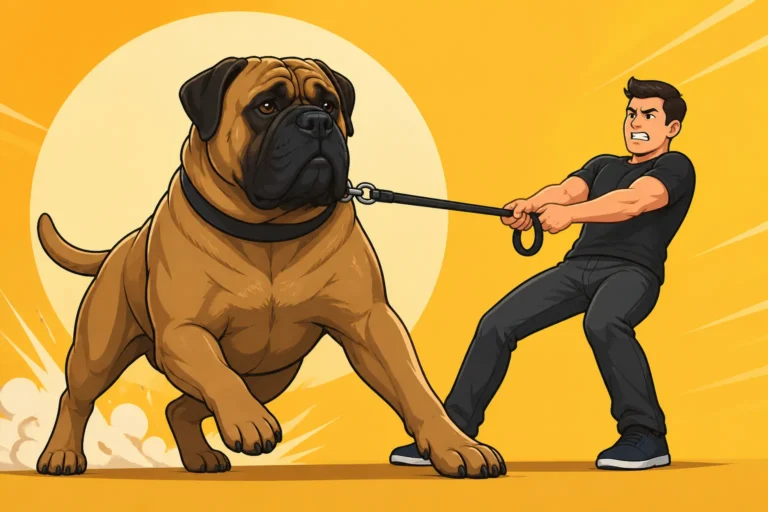
Let's be honest: your Bullmastiff is a substantial animal. We're talking about a dog that can easily weigh over a hundred pounds, built with solid muscle and a low center of gravity. A Hundred and Thirty Pounds of Bullmastiff, Measured is a lot of dog to influence if they've decided to plant their feet or follow a particularly enticing scent. This physical presence often goes hand-in-hand with a mental resilience. They know their own strength, and while they are generally gentle giants with their families, they are not easily swayed or intimidated.
Their sheer size means that a weak or inconsistent recall can quickly become a safety issue, whether it's wandering too far from you or investigating something potentially dangerous. It's not about them being defiant; it's often about their strong internal compass pointing them towards something else, and the command not being strong enough to reroute them. This is why establishing control early, even for Training a Bullmastiff That Weighs More Than You Do, is paramount.
The Allure of Distraction: Why the World is More Interesting
For a Bullmastiff, the world is a symphony of smells, sights, and sounds, each potentially more captivating than your repeated calls. These distractions are often the primary saboteurs of an otherwise decent recall.
The Irresistible Nose and the Call of the Wild
Bullmastiffs have excellent noses, and they love to use them. Every blade of grass, every lamppost, every distant breeze carries a wealth of information. To your Bullmastiff, that faint squirrel scent or the lingering aroma of another dog's passing can be an epic novel unfolding before them. It's a prime example of their instincts kicking in, sometimes overriding all else.
Consider this: you're engrossed in a gripping novel, and someone asks you to put it down to do a chore. You might hear them, but the story is just too good. For your Bullmastiff, that scent trail is their gripping novel. When their nose is to the ground, pulling them along, your voice becomes background noise, easily ignored. This is particularly true if they haven't been adequately trained to disengage from environmental stimuli, or if the reward for returning to you isn't compelling enough to break their focus.
The Social Butterfly and the Curious Observer
While often reserved with strangers, many Bullmastiffs enjoy observing other dogs and people, or even engaging in a polite greeting. A dog park, a busy walking path, or even just a neighbor walking by can transform your Bullmastiff into a curious spectator or an eager greeter. Their attention shifts entirely to the incoming stimulus.
If they see a person they'd like to investigate, or another dog they'd like to sniff, their recall might fly right out the window. This isn't malice; it's simply a strong, natural instinct to engage with their environment. The potential for interaction with a new friend, human or canine, can outweigh the perceived value of returning to you, especially if your recall command hasn't been systematically proofed in increasingly distracting environments. This is a common challenge for How a Bullmastiff Treats Other Dogs.
Making "Come" the Most Exciting Option
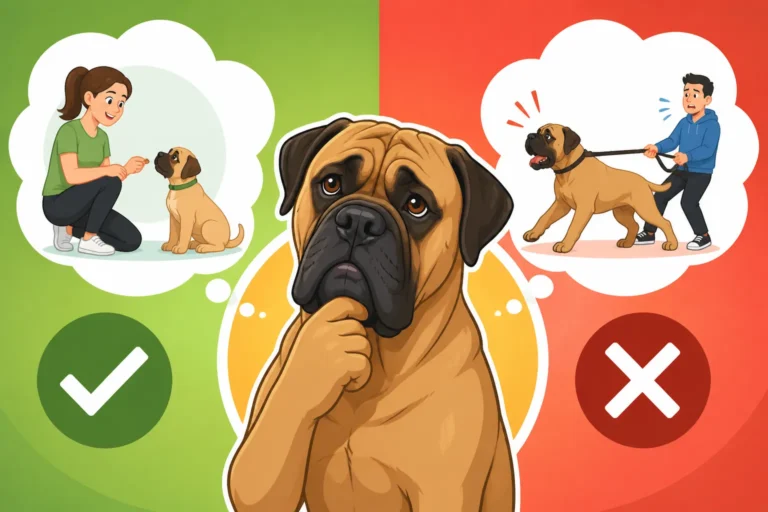
The key to a reliable Bullmastiff recall isn't about dominance or punishment; it's about making yourself, and the act of coming to you, the absolute best thing that could possibly happen at that moment.
High-Value Rewards are Non-Negotiable
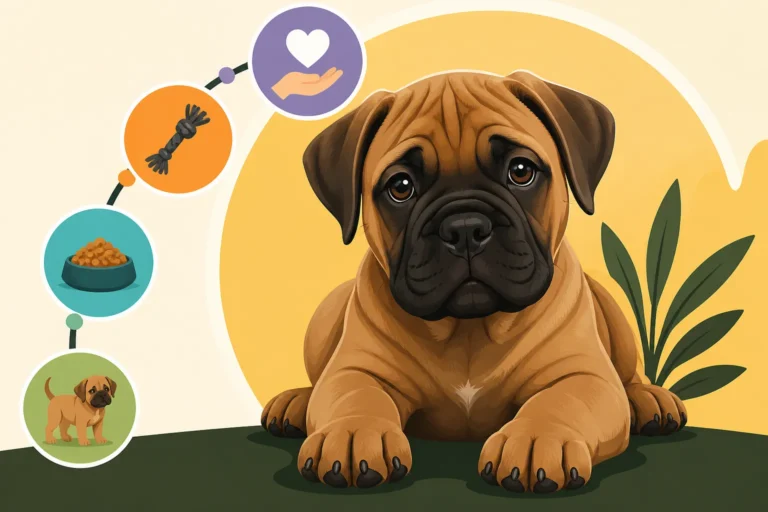
A simple dry biscuit isn't going to cut it when your Bullmastiff has found a discarded half of a burger or is tracking a rabbit. To compete with the world's endless distractions, your recall reward needs to be incredibly high-value. Think small pieces of cooked chicken, cheese, hot dogs, or a favorite squeaky toy that only comes out for recall practice.
The reward should be immediate and generous when they do return, no matter how long it took or how many times you had to ask. The goal is to create an overwhelmingly positive association with the "come" command. If they think, "When I go to my human, I get something absolutely amazing," they'll be far more inclined to choose you over that interesting leaf or distant dog. Using a treat pouch from a reputable source like Amazon can make this process seamless, ensuring rewards are ready the instant your Bullmastiff arrives.
Start Small, Build Big: The Proofing Process
You can't expect a reliable recall in a busy park if you haven't practiced in less stimulating environments. Think of it as building blocks:
- Indoors, no distractions: Start in your living room. Call "come," reward heavily when they arrive. Make it a game.
- Indoors, minor distractions: Introduce a toy on the floor, or have someone else walk through the room.
- Fenced yard, no distractions: Move to your backyard. Practice in a familiar, safe outdoor space.
- Fenced yard, minor distractions: Introduce a familiar person, or a quiet toy.
- Long Line in a Quiet Area: This is critical. Use a 20-30 foot long line (available from Amazon). This allows you to practice "off-leash" recall safely. If they ignore you, gently reel them in while repeating "come," and then reward. This teaches them that "come" isn't optional, but also that returning is always good.
- Gradually increase distractions: Slowly introduce more challenging environments, always with the long line for safety, and always with high-value rewards. A professional online dog training platform like BAXTER & Bella can provide structured lessons and guidance for proofing recall in various scenarios, offering a consistent approach that's vital for a Bullmastiff.
| Distraction Level | Environment | Recommended Tool | Reward Type | Training Focus |
|---|---|---|---|---|
| Low | Indoors, quiet | None | High-value food | Build positive association |
| Medium | Fenced yard, quiet park | Long line | High-value food/toy | Introduce distance, safety |
| High | Busy park, dog beach | Long line, treats | EXTRA high-value food/toy | Proofing, disengagement |
| Extreme | New city, heavy traffic | Leash, focus on engagement | Highest-value food | Emergency recall only |
Remember, consistency is key. Everyone in the household needs to use the same command and reward system. Avoid calling your Bullmastiff for something unpleasant (like leaving the park early) without immediately rewarding them, or they'll learn that "come" can sometimes lead to disappointment.
Strategies for a More Reliable "Come"
Beyond the basics, there are specific techniques and considerations that can significantly improve your Bullmastiff's recall.
The Power of a Positive Interruption
Sometimes, a Bullmastiff isn't being deliberately disobedient; they're just genuinely engrossed. Instead of shouting "come!" louder, try a positive interruption. This could be a novel sound (a whistle, a unique word), or a sudden happy clap and a quick dash in the opposite direction from them. Many dogs, including Bullmastiffs, have a chasing instinct and might be more inclined to follow you if you make it a game.
Once they turn their head or start moving towards you, that's when you give your "come" command and make sure to reward heavily. This teaches them to check in with you, even if they were previously focused elsewhere. It's about redirecting their attention in a fun, engaging way, rather than competing with the distraction head-on with a stern command. Building this kind of responsiveness ties into their natural curiosity and desire for connection with their people. What Motivates a Bullmastiff often comes down to positive interaction and reward.
Emergency Recall: A Different Command, A Different Level of Reward
It’s a good idea to have an "emergency recall" command that is different from your everyday "come." This command should only be used for situations where immediate return is critical for their safety. It could be "NOW!" or "FRONT!" or a series of sharp whistles. The key is that this command is never overused, and when it is used, the reward is absolutely phenomenal.
This means a handful of their most favorite treats, or a super exciting toy that they only get for this specific command. The idea is to create an almost Pavlovian response where they associate this command with an instant jackpot. This command is not for daily practice; it's a lifeline. Practicing regularly, but in controlled settings, helps to embed it deeply. Always practice in varied environments, ensuring they respond even when there are The Age a Bullmastiff Is Considered Senior or younger dogs present.
Avoiding Common Recall Pitfalls
There are a few traps owners often fall into that can undermine recall training:
- Calling them to punish them: If "come" means they're going to get yelled at for digging or get a nail trim they hate, they'll quickly learn to avoid it. "Come" must always be a positive experience.
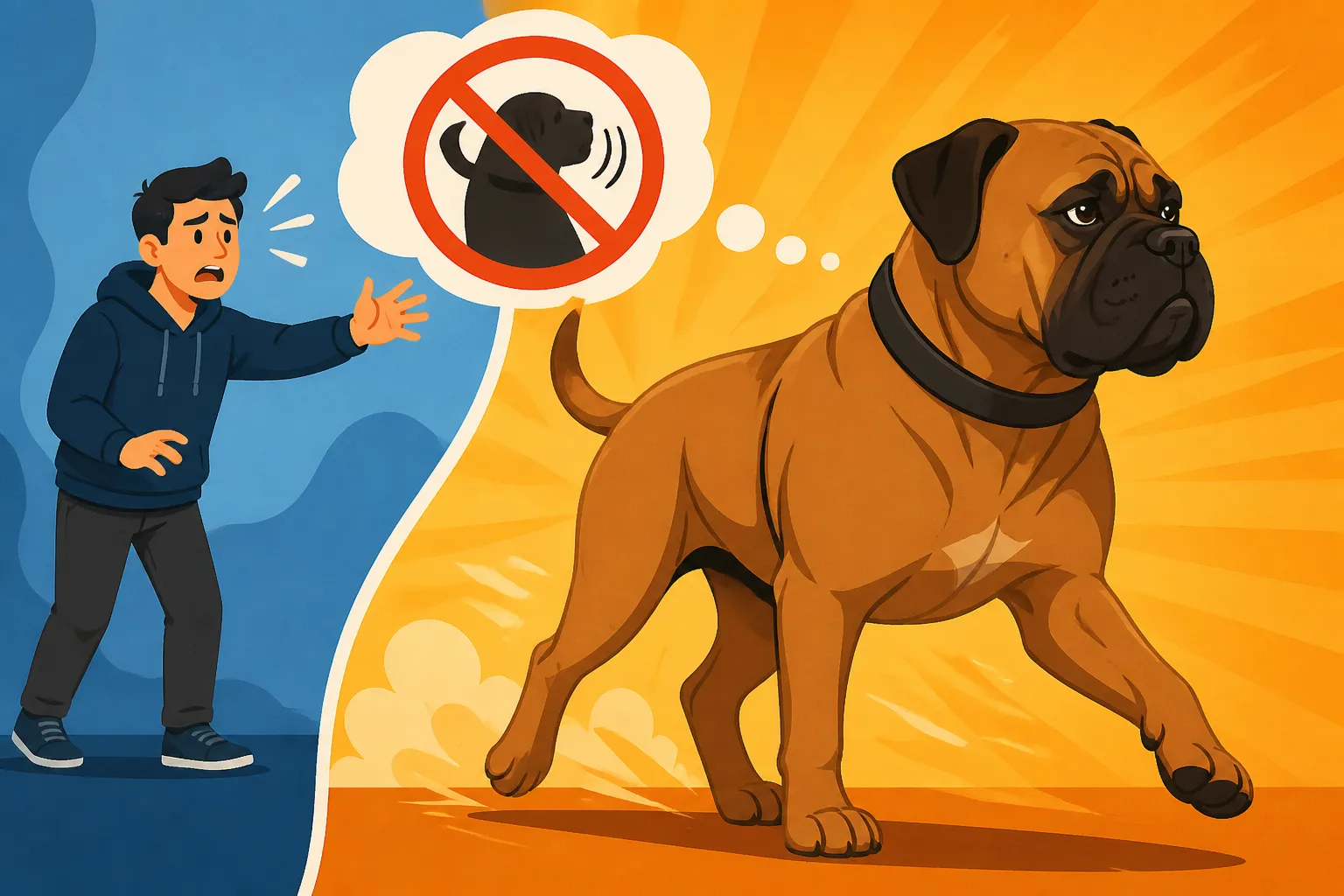
- Repetitive calling: Shouting their name and "come" repeatedly when they're not responding teaches them to tune you out. Say it once or twice clearly, then go retrieve them on the long line, or move to distract and re-engage.
- Lack of consistency: Everyone who interacts with the Bullmastiff needs to be on the same page. If one person lets them get away with ignoring "come," it unravels the training.
- Expecting too much too soon: Recall takes time, patience, and thousands of repetitions. A Bullmastiff's stubborn streak, which can often be categorized as How Stubborn a Bullmastiff Is, means you'll need even more patience than with some other breeds. Celebrate small victories and build gradually.
By understanding your Bullmastiff's unique blend of independence and loyalty, recognizing the power of distractions, and committing to consistent, high-value reward-based training, you can build a recall that keeps your magnificent companion safe and sound, no matter what tempting adventure catches their eye.
Disclaimer
This article is for general informational purposes only and does not constitute professional advice. Laws, prices and regulations vary by location and change over time. Consult a qualified professional for guidance on your specific situation.